
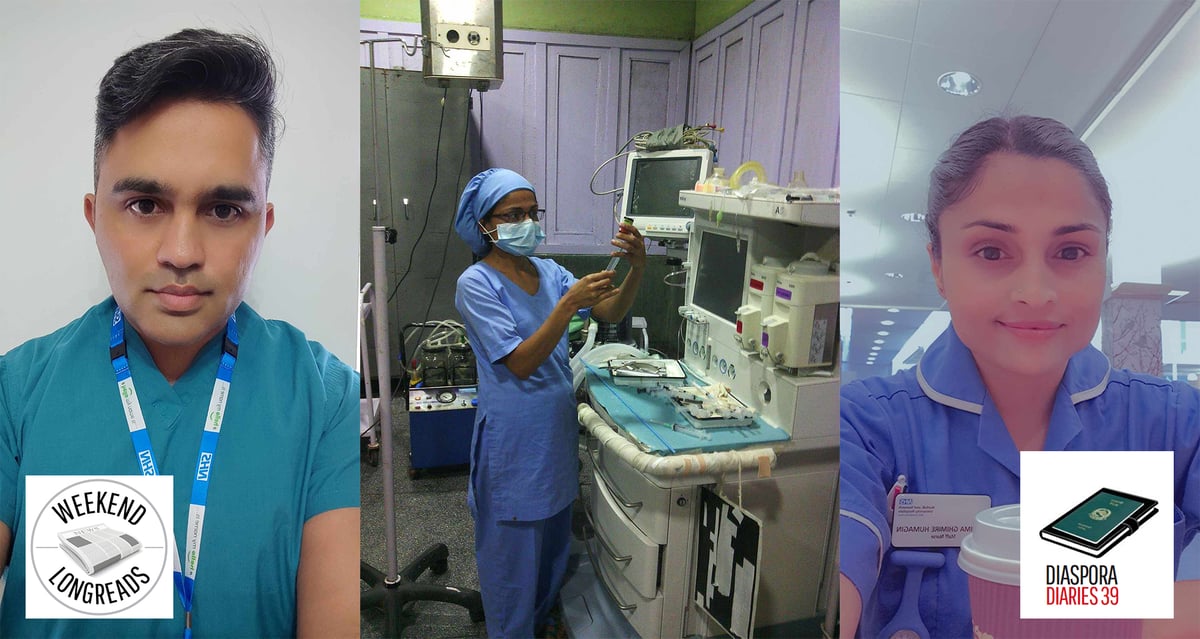
This is the 39th instalment of Diaspora Diaries, a regular series in Nepali Times with stories of Nepalis living and working abroad.
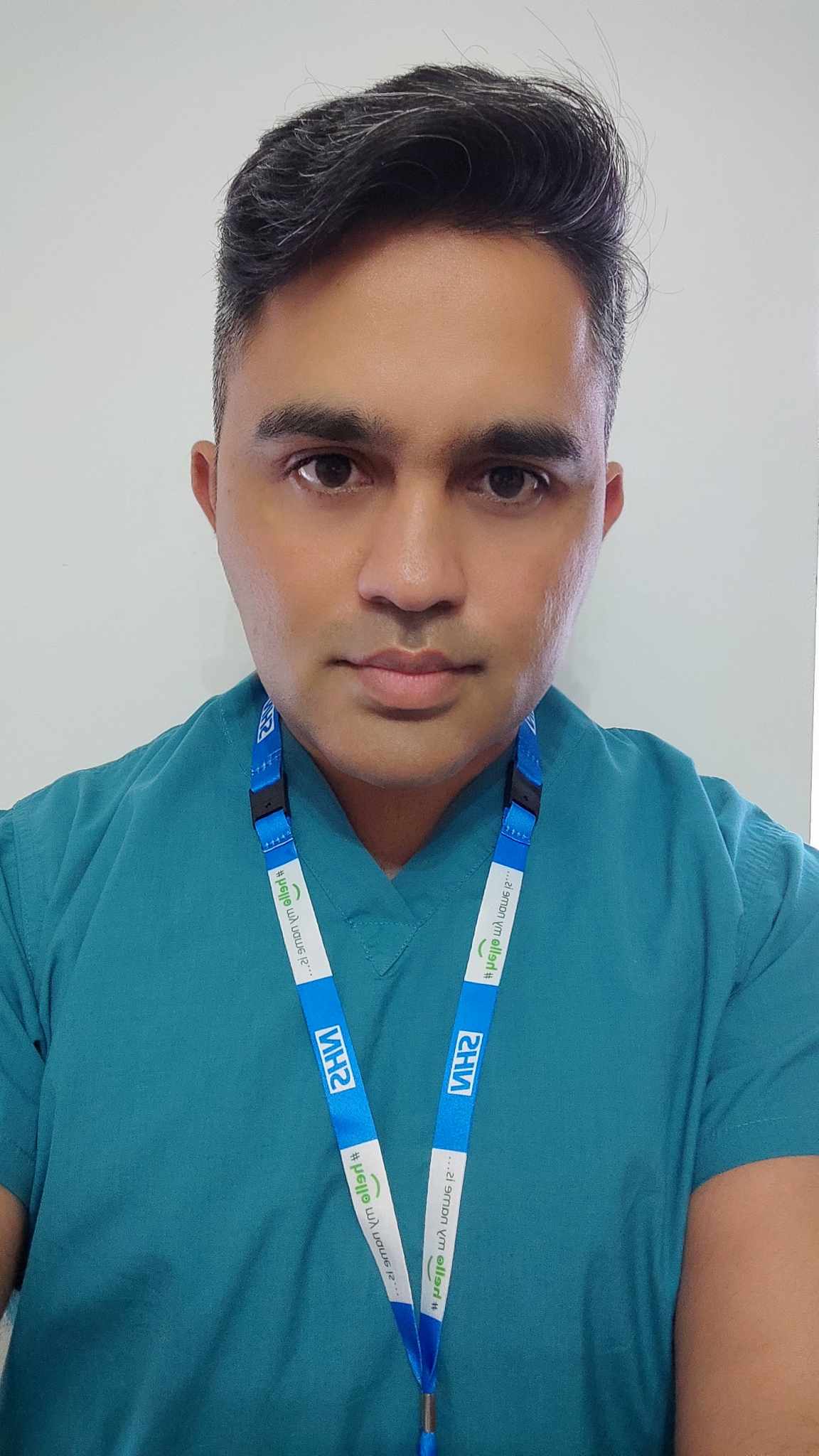
Binod Simkhada
I have lived in the UK since 2004. My years spent abroad have started to outnumber the years I have lived in Nepal, and I find myself facing an identity crisis.
I feel like an outsider in Nepal except when I am at home with my parents in Balaju. Yet, I am still not British enough in Britain. Most of my non-working hours are spent with Nepalis in the UK, talking about Nepal and reminiscing about growing up back home.
Read also: Nepal's nurse flight, Editorial
As a male nurse, I am in the minority in my profession, and patients often mistake me for the doctor when working with a female physician. This has become even more common as my hair goes grey.
I did not intend to study nursing when I first came here from Nepal as an 18-year old. My sister and wife are also nurses in the UK, and I once served as president of the Nepalese Nursing Association UK (NNAUK) that promotes the welfare of Nepali nurses in Britain.
Nepali nurses who come to the UK these days are much better informed, aware about the benefits and rights of the job, and have aspirations to rise through the ranks.
Before coming, they weigh their options against other countries like Australia and the US. They are not here arbitrarily just because it is the UK. Work can be demanding with 12-hour shifts, little assistance from staff and lots of mandatory documentation.
I am glad that the Nepal government has signed a bilateral deal with the UK (see report below) as it is rare for Nepal to even contemplate a managed migration scheme for skilled workers.
But even without the agreement, nurses have been coming to the UK individually. As Nepal is in the WHO’s Red List of countries with a fragile health system, British employers cannot proactively recruit Nepalis and deprive their home country of trained healthcare staff. But nurses do apply, and come on their own.
Read also: New UK job options for Nepalis, Upasana Khadka
Retention of nurses in Nepal, especially in remote underserved areas, is a persistent problem because of low benefits and poor facilities.
How can we call it a job when a nurse working even at a private hospital earns only Rs15,000 a month? This is barely enough to survive. The salary structure of healthcare workers in the private sector in Nepal needs to be regulated and policed.
There are many unemployed and under-employed nurses in Nepal, and allocation of nurses rather than shortage is a bigger problem. In fact, the supply of nurses increases when opportunities for foreign employment opens up, and youth choose job prospects abroad.
Nepal needs to also rely more on its diaspora. My whole organisation was behind me during the 2015 earthquake when others in the British National Health System (NHS) including those who didn't even know me extended their spontaneous support.
I was not in Nepal nor was my immediate family affected in the earthquake, but we all came together as Nepalis to help. NNAUK continues to support Nepal, including the establishment of a birthing center in Jumla that was recently handed over to the local government. One does not need to be in Nepal to contribute to Nepal.
Purnima Ghimire Huumagain
I arrived in the UK six months ago and went through the same process as the UK-Nepal government-to-government deal for nursing staff, but I did all the job hunting on my own. I did not apply through an agency, so I was not swindled like many others are.
I had passed Nepal’s civil service exam and had relatively better pay and stability, yet I decided to leave. At a health post in rural Lalitpur, the position itself was politicised.
Read also: Saving Nepali mothers on Mother's Day, Naresh Newar
Transfers were at the discretion of local officials and there was no respect and appreciation nor proper growth opportunities. Transfers also overlooked considerations like whether you are a new mother, which I was.
Respect for nurses is sorely missing in Nepal, even though the health system would collapse without us. We work in under-equipped and under-funded health posts and still are not appreciated or paid adequately.
In 2017, I withdrew an offer to study in Australia because I wanted to serve my country. Somewhere down the line, that urge dissipated, and frustration took over.
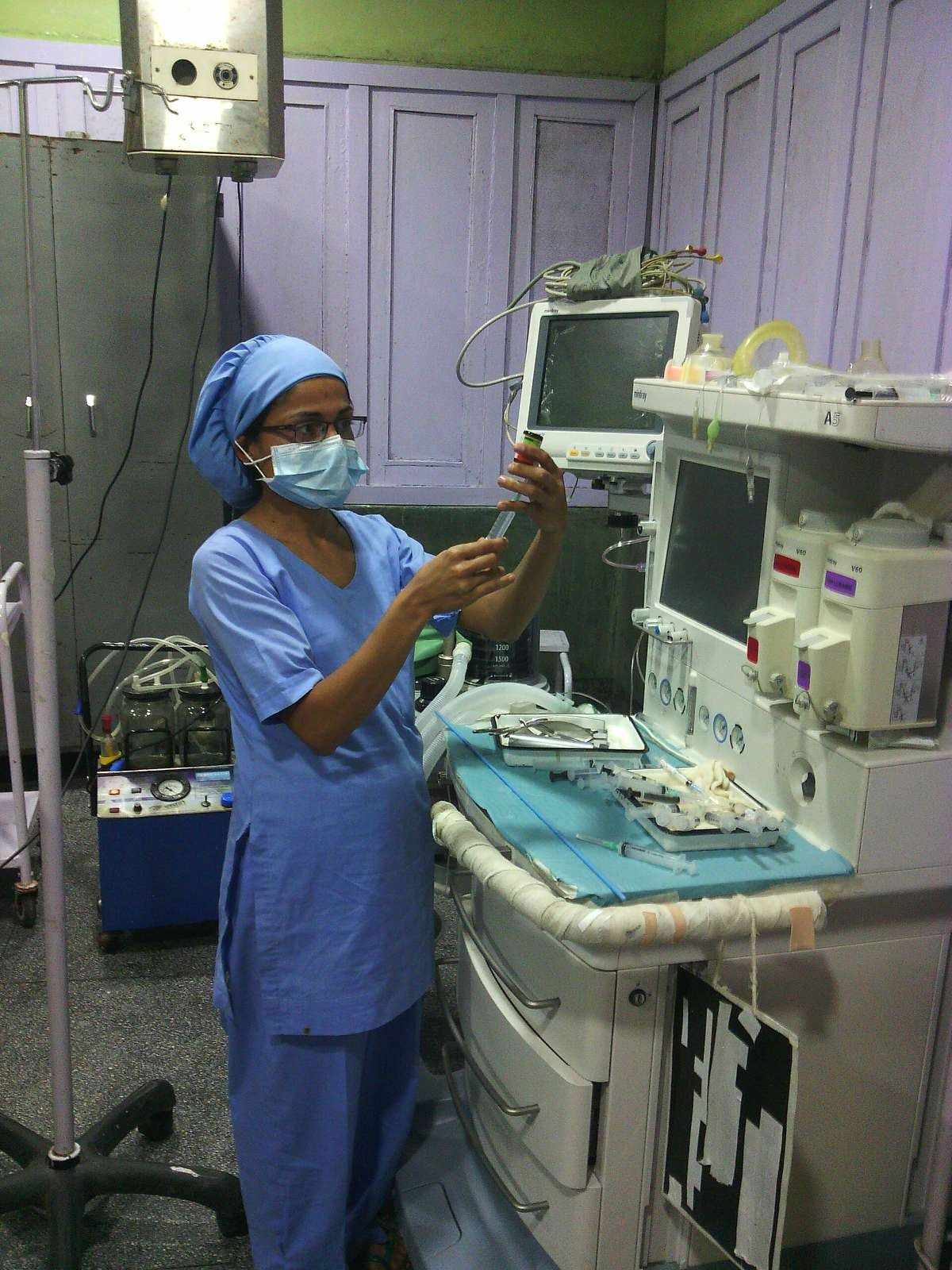
When I first started working in the UK, everything felt new, and I had difficulty understanding the foreign accent. Perhaps my apprehension was evident on my face one day when on a palliative case an elderly, kind patient noticed and asked if I was nervous. I said no. A month later he was admitted again, and remembered me. He complimented me on how I looked much more confident than the last time.
And I do feel more confident. I am learning new things every day. A few weeks into the job, I got an email from my manager thanking me for my work that day which had been quite stressful. I was pleasantly surprised. It is these little things that matter.
Back at the health post in Nepal, one day I received a call from a patient who needed a cesarean that was not available at my health post. As there was no ambulance readily available, I had arranged for a truck to rush her to hospital and she called to thank me after her delivery. Very different contexts, but it is the same feeling of being appreciated that is most important.
Read also: Another baby's life saved in rural Nepal, Naresh Newar
Earning more is just one aspect of working here. Options like nursing are good for people who prioritise learning and career growth. If the expectation is solely to earn, that will not happen. We get carried away converting our salaries into Nepali rupees, but living costs here are high.
We got a raise in June following strikes staged by the Royal College of Nursing in the UK to protest insufficient pay. My savings are modest, but as my husband will soon be joining, it will be easier to save.
I am excited about my husband and daughter joining me in a month or so. I cannot wait to hug them at the airport.
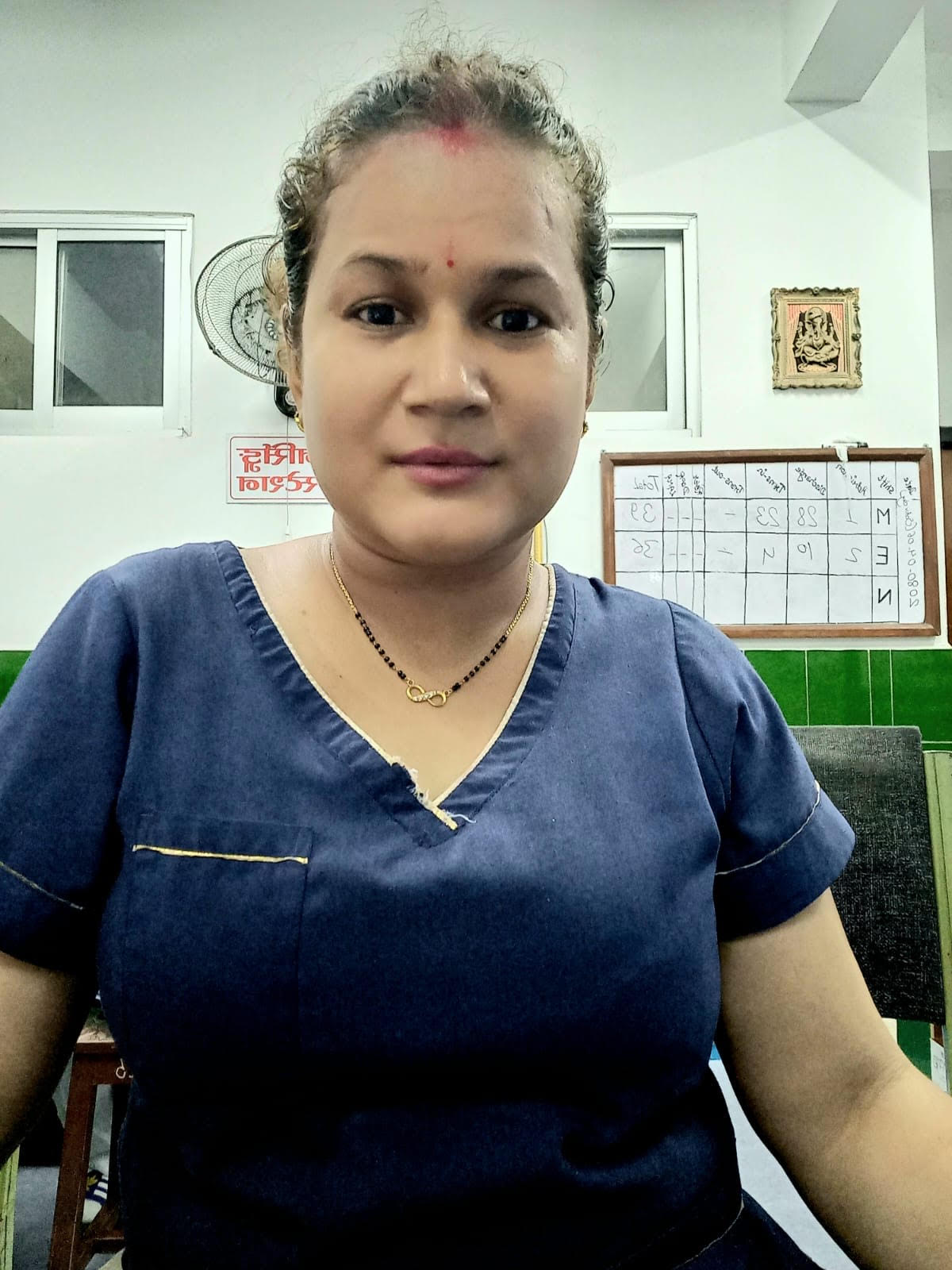
Shradda Karki
I have been a professional nurse in Nepal for the last seven years.
I was primarily involved in the maternity section. The best part of my job has always been handing over a newborn to the mother after delivery.
At that moment, all is forgotten by the emotional mother including the excruciating pain she just endured. It is easy to get attached to a job that allows me to be part of such moments of bliss.
However, I resigned a few days back. I am headed to the UK to pursue further education in healthcare management. Nursing in Nepal has three main problems as I see it that need to be fixed: lack of respect, high patient to nurse ratio, and low salary.
Even after seven years as a nurse, I make Rs34,000 a month which is still better than what many other nurses earn but is not sufficient considering the amount of work I put in, rising costs and high tuition fees. There are 44 beds in my ward, and just two of us. What I like about my job the most is patient care but the workload seldom gives me a chance to really connect with my patients.
I chose a degree in the UK because it will open new opportunities for me globally. Most of my classmates are now abroad. On balance, things are significantly better abroad for the same level of effort I put in here.
Read also: Nepal's rural lifeline, Sonia Awale
In the last two months, four colleagues have resigned and gone abroad. Those who have not are already preparing for language tests, and getting documents together for visa applications.
I am aware of the struggle that awaits me overseas, but I am prepared for it. Hopefully, there will be a sense of fulfilment from the higher earnings, better growth and learning opportunities.
Diaspora Diaries is a regular column in Nepali Times providing a platform to share experiences of living, working, studying abroad.
Authentic and original entries can be sent to editors@nepalitimes.com with Diaspora Diaries in the subject line.
----------
Nepali nurses don’t wait for UK deal to migrate
Supply-demand rules govern Nepal-UK agreement to provide nurses to the NHS
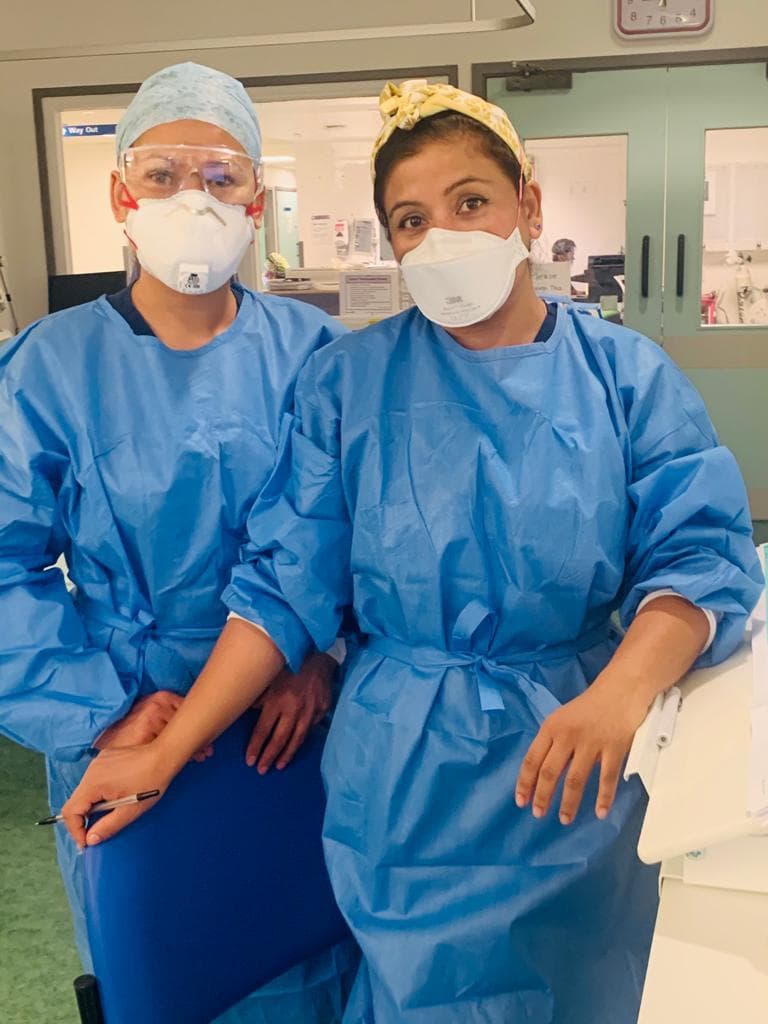
From 20 July, the Nepal government and UK have started accepting applications from nurses under a bilateral government-to-government (G2G) mechanism signed last year. In this pilot phase, 100 nurses are expected to benefit from zero-cost recruitment and receive equal treatment as other nationalities including benefits, rights and protection.