14 years and 11 prime ministers later
Text and photographs by Bikkil Sthapit
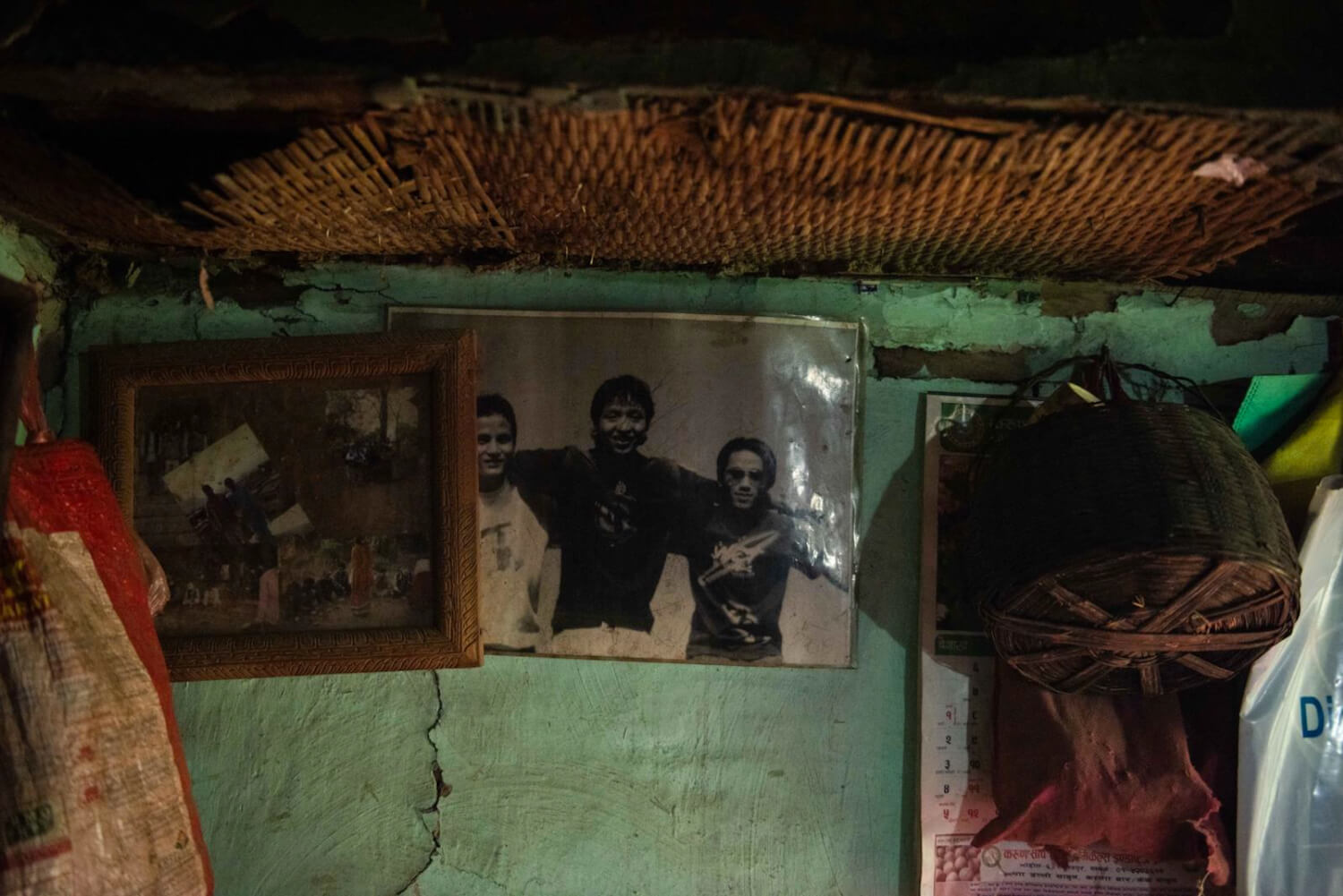
Many of the over 1,300 people still listed as missing after the Maoist war in Nepal left behind material objects. These are the only memories that remain, connecting the families to the loved ones who were disappeared.
These memorabilia from the decade-long war are the only substantial things that the family members have protected – 14 years after the conflict ended. They occupy a special place in the family homes and work places, preserving their presence. The objects also keep faint hopes alive that by some miracle, the family member will suddenly reappear one day.
More than 17,000 Nepalis were killed during the insurgency, there were brutal human rights violations and war crimes, including summary executions, disappearances, torture, rape, solitary confinement.
Since the end of the conflict in 2006, limited support has been provided to survivors and their families of the disappeared. However, there are no answers to questions like whether they are alive or dead, who killed them, why, where, when?
The Comprehensive Peace Accord (CPA) was signed on 21 November 2006 between the government of Nepal and the Maoist party. It brought ‘peace’ to a country weary of war, and propelled the former guerrillas to power.
However, 14 years and 11 prime ministers later, there have been no efforts to trace the missing, and tell families the truth, or give them justice. Two commissions were formed to investigate gross human rights violations and charge perpetrators, but neither have done much.
The discourse around transitional justice in Nepal has approached memory, truth and justice in legalistic terms so that the experience of acute loss of families is often lost. Missing are the personal accounts of survivors and families of victims.
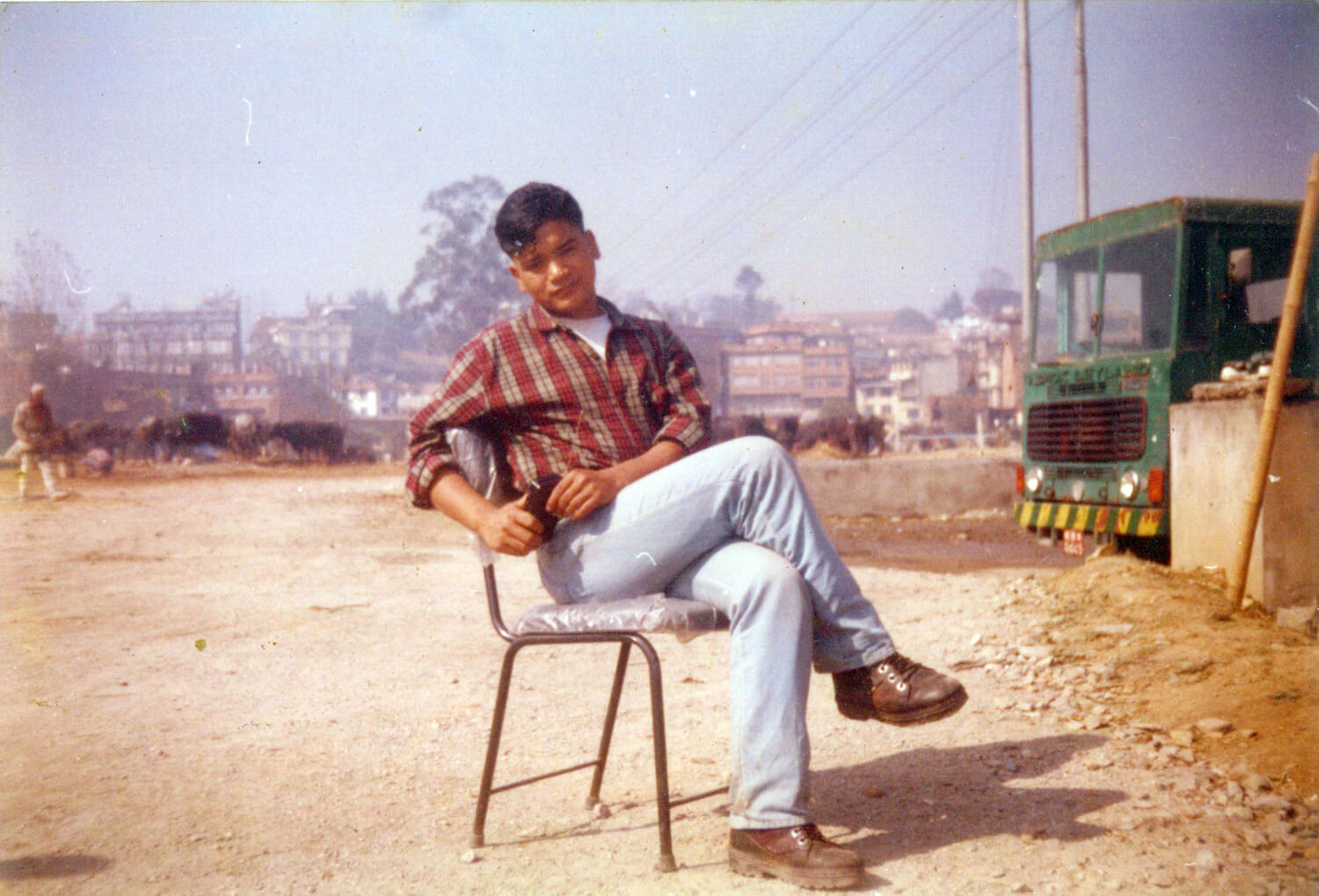
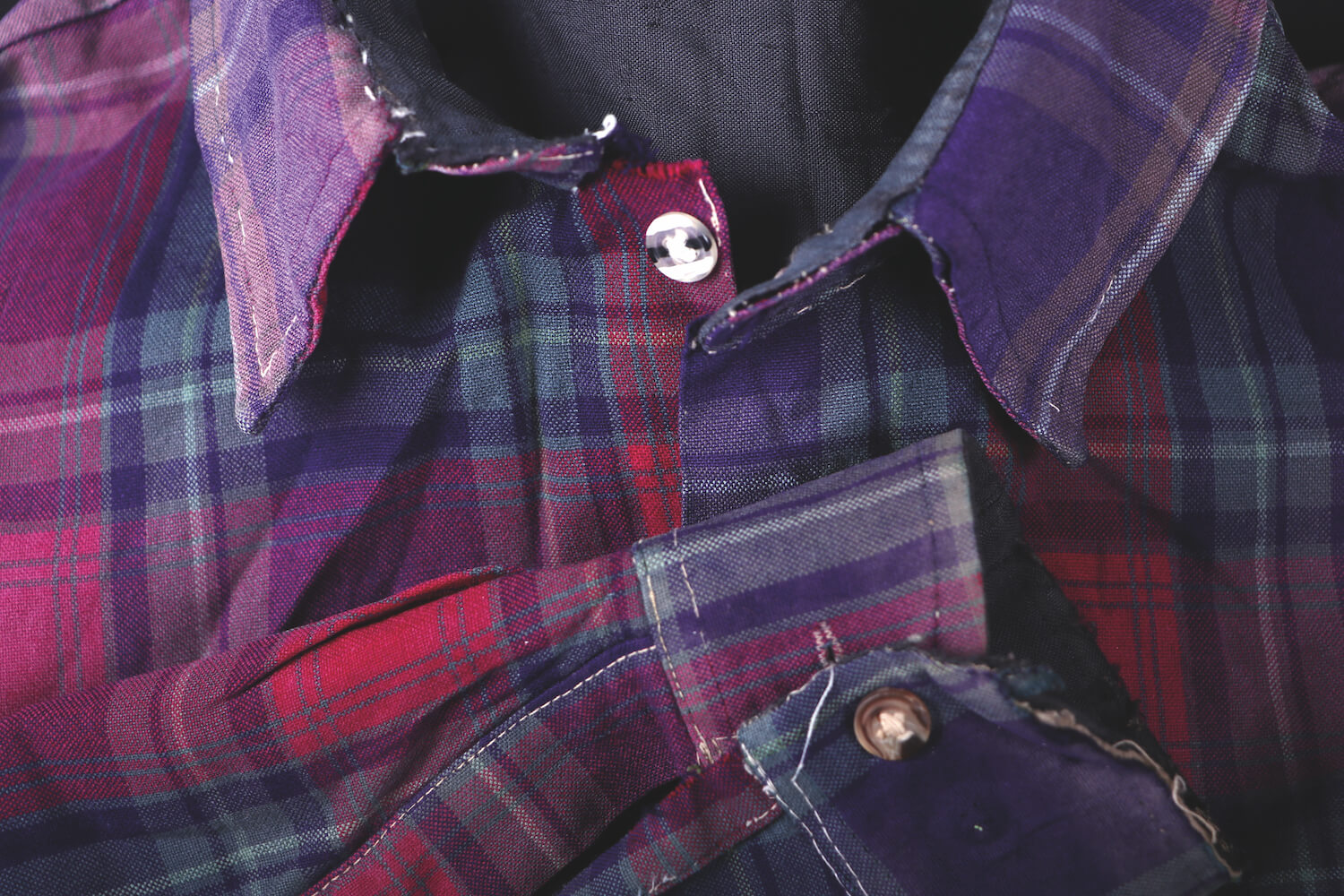
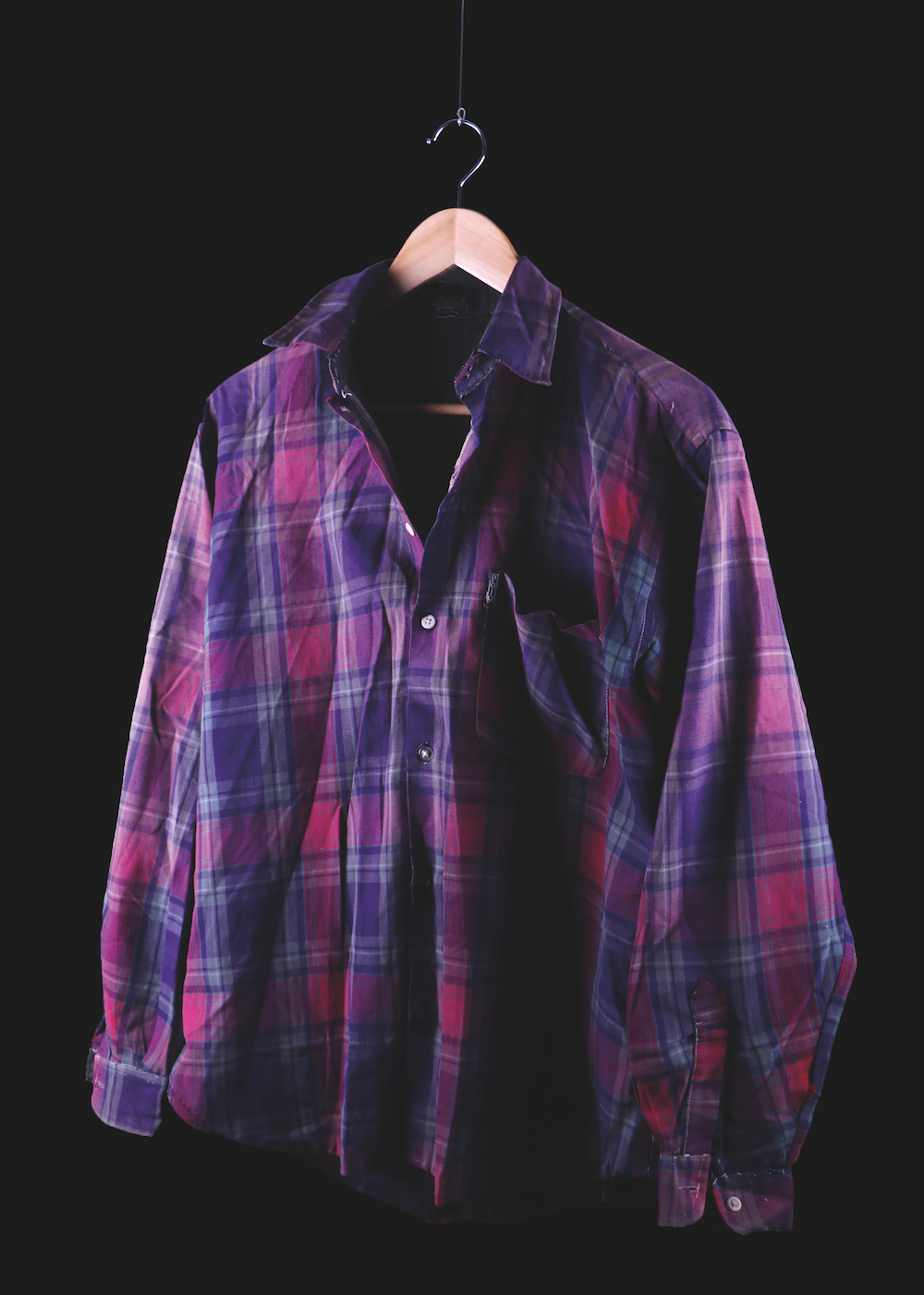
When my brother, Ajaya Shahi, earned his first salary he bought this shirt. He was disappeared by the Army on 19 July, 2004. I have safely kept my brothers’ shirt in a separate box.
Bijaya Shahi
Kirtipur
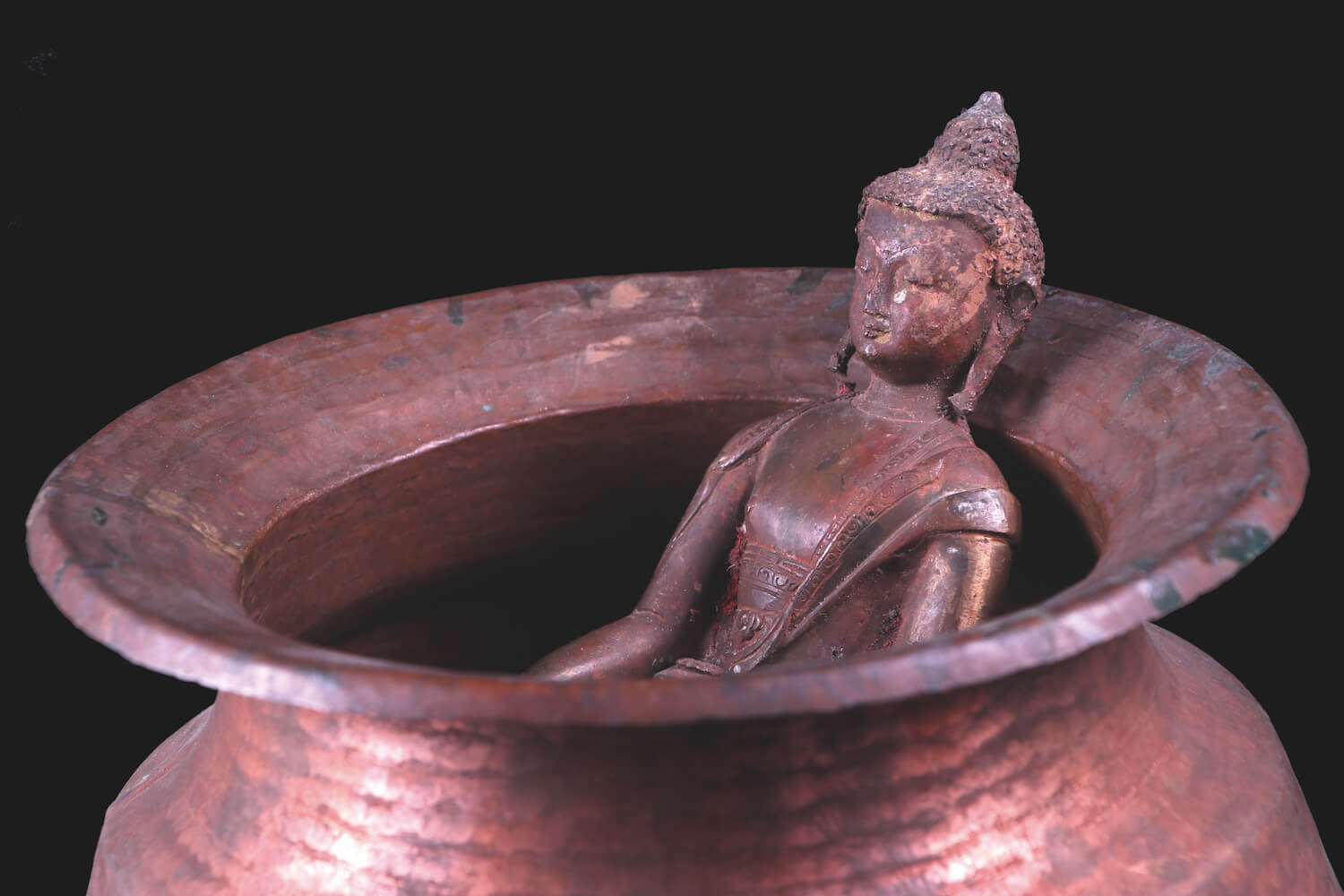
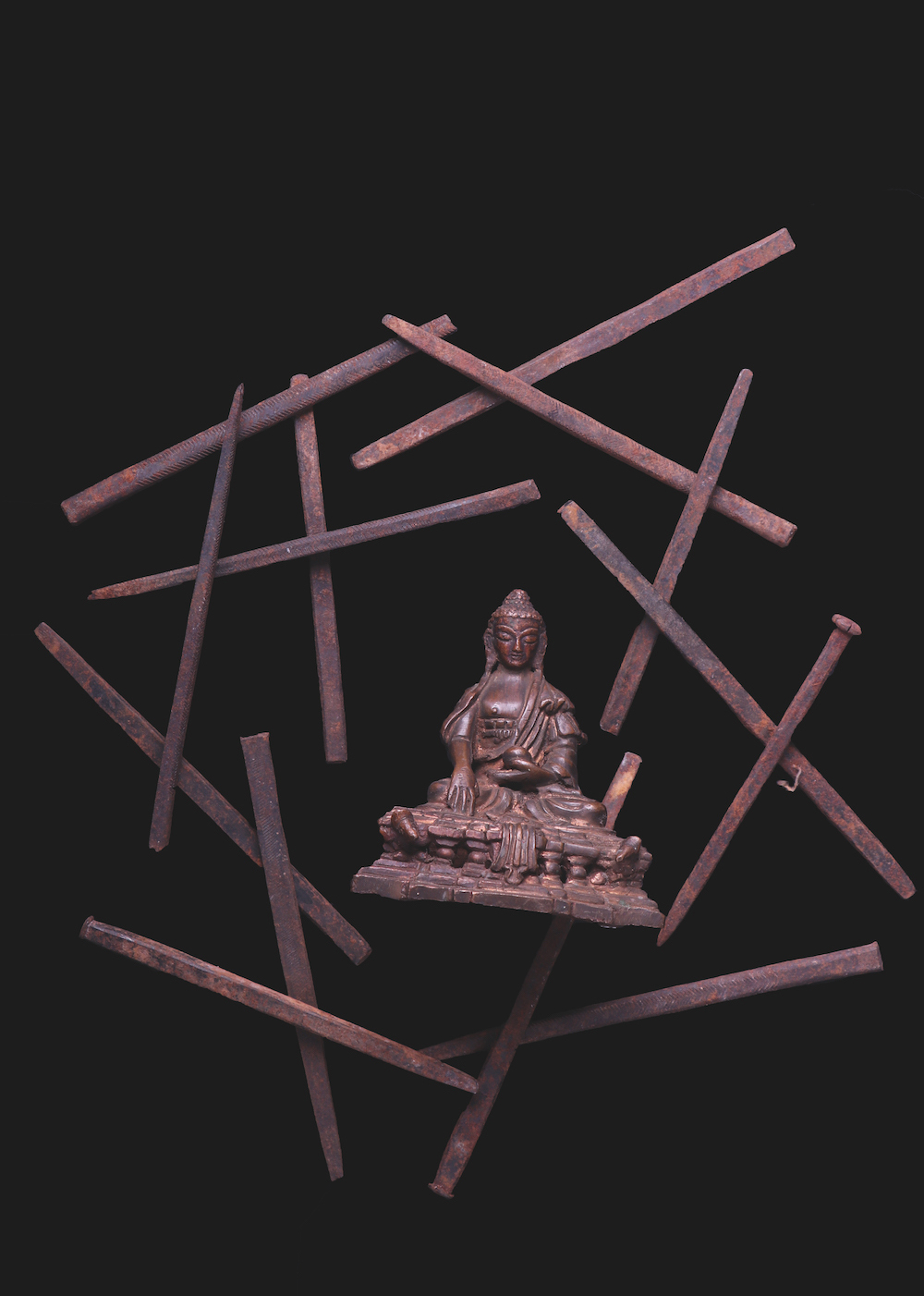
My father used to make bronze Buddhas. Why is the army still not telling us what happened to him? Will this bring the peace to the country?
Nagma Mali
Daughter of Nanda Gopal Mali
Thecho, Lalitpur
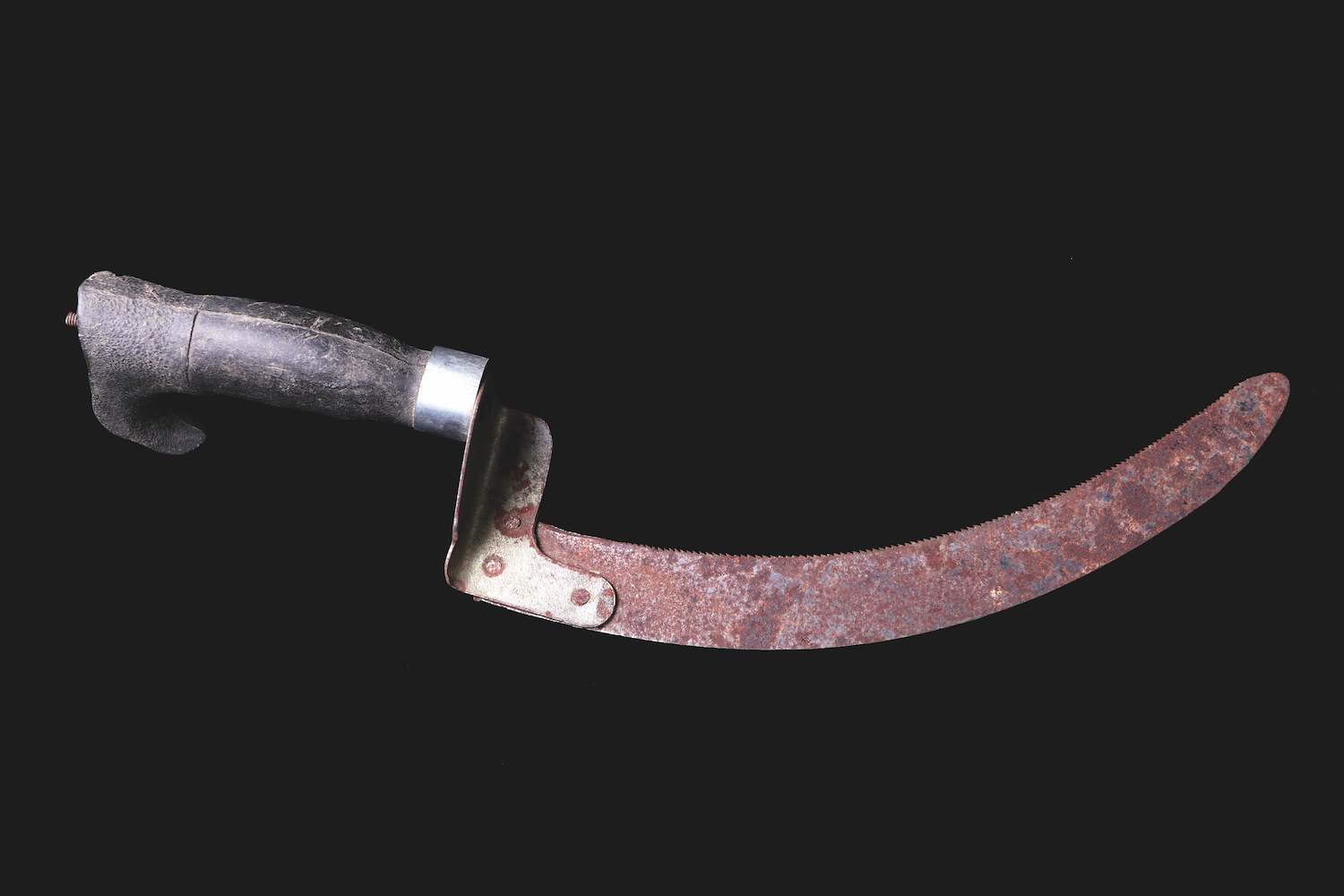
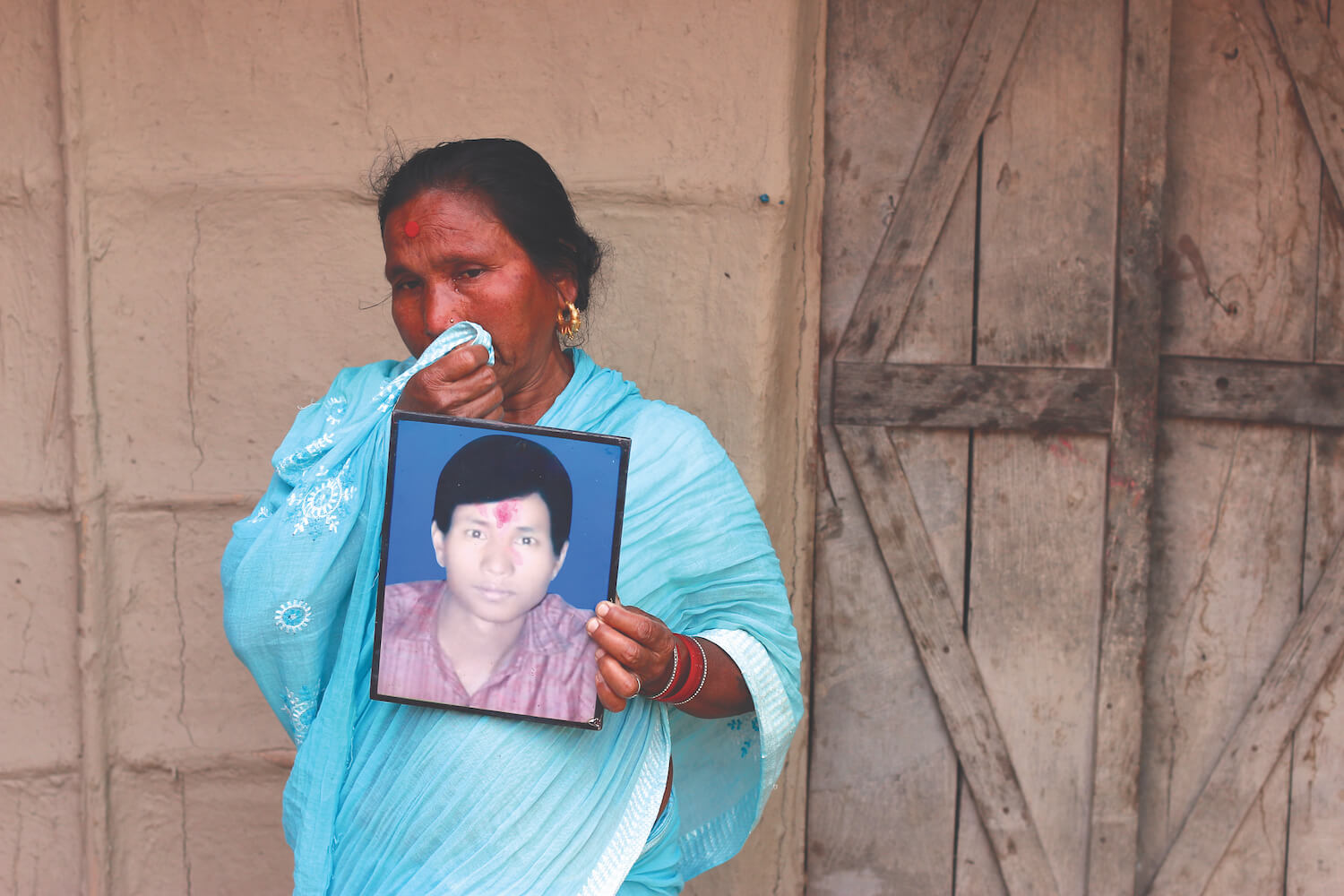
My husband used to carry this sickle all the time in the rice field. It has been lying here ever since he was disappeared, and it is rusted. I have been keeping it safely as his last memento.
Ramkali Devi Tharu
Wife of Guru Prasad Kathariya
Rajapur, Bardia
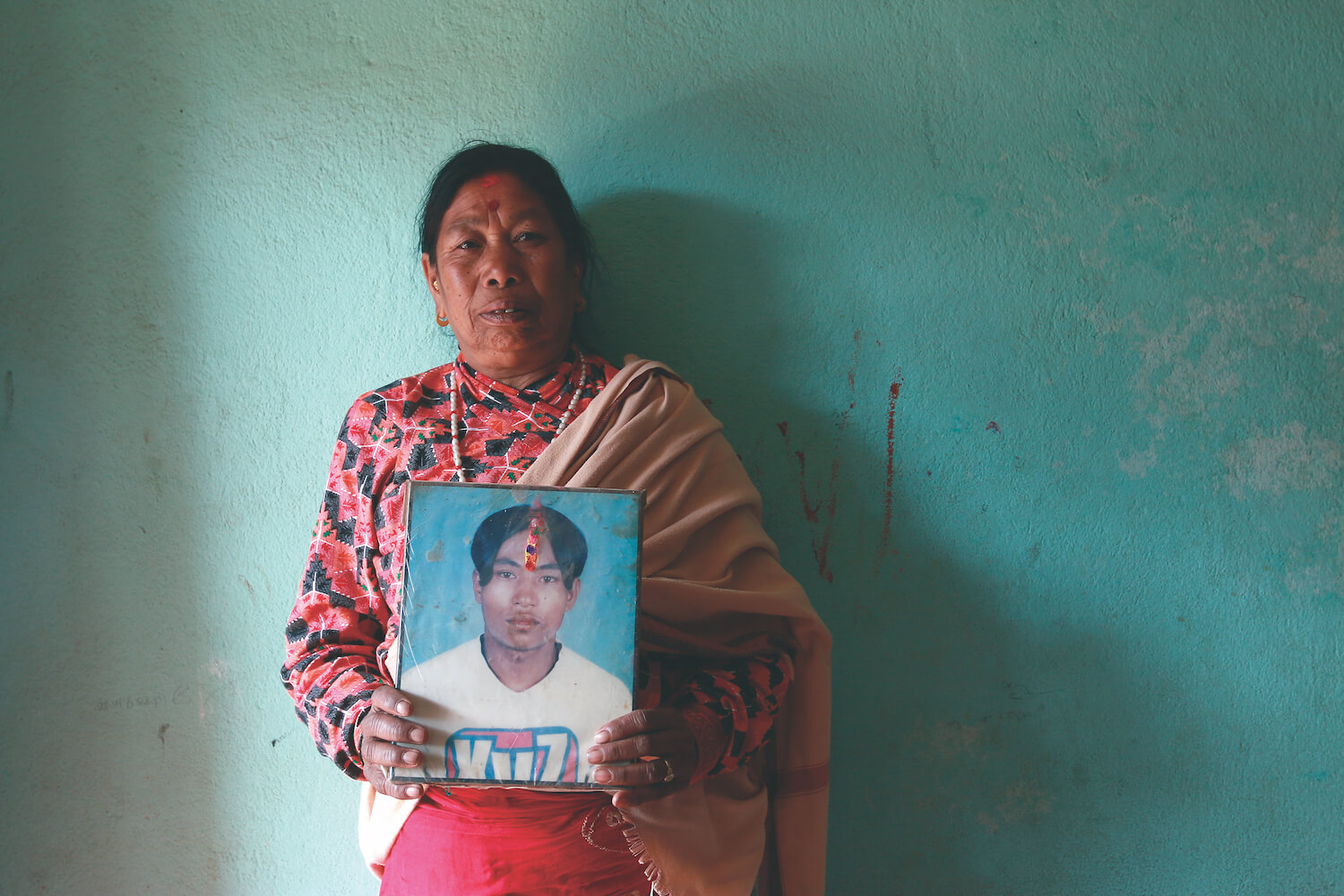
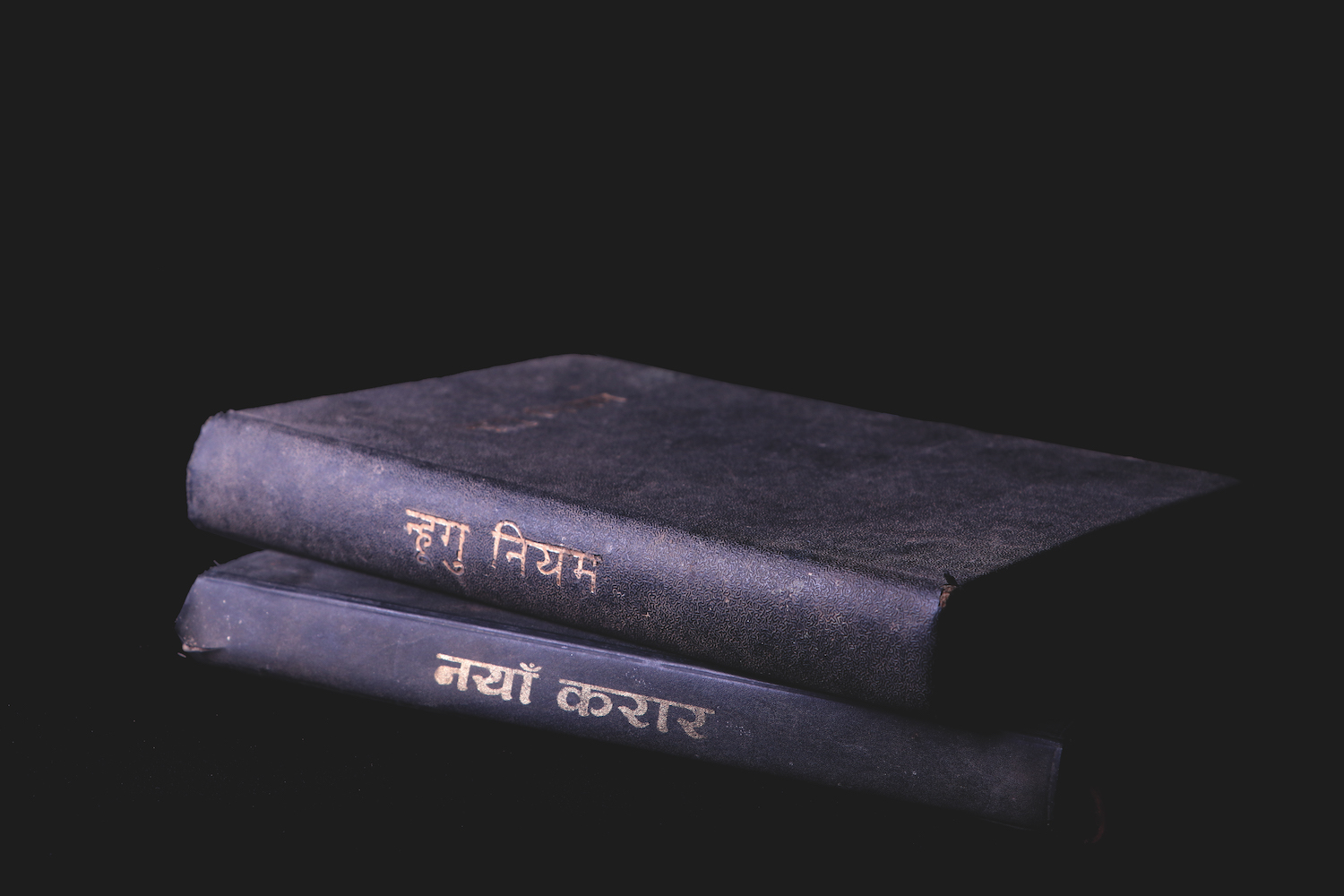
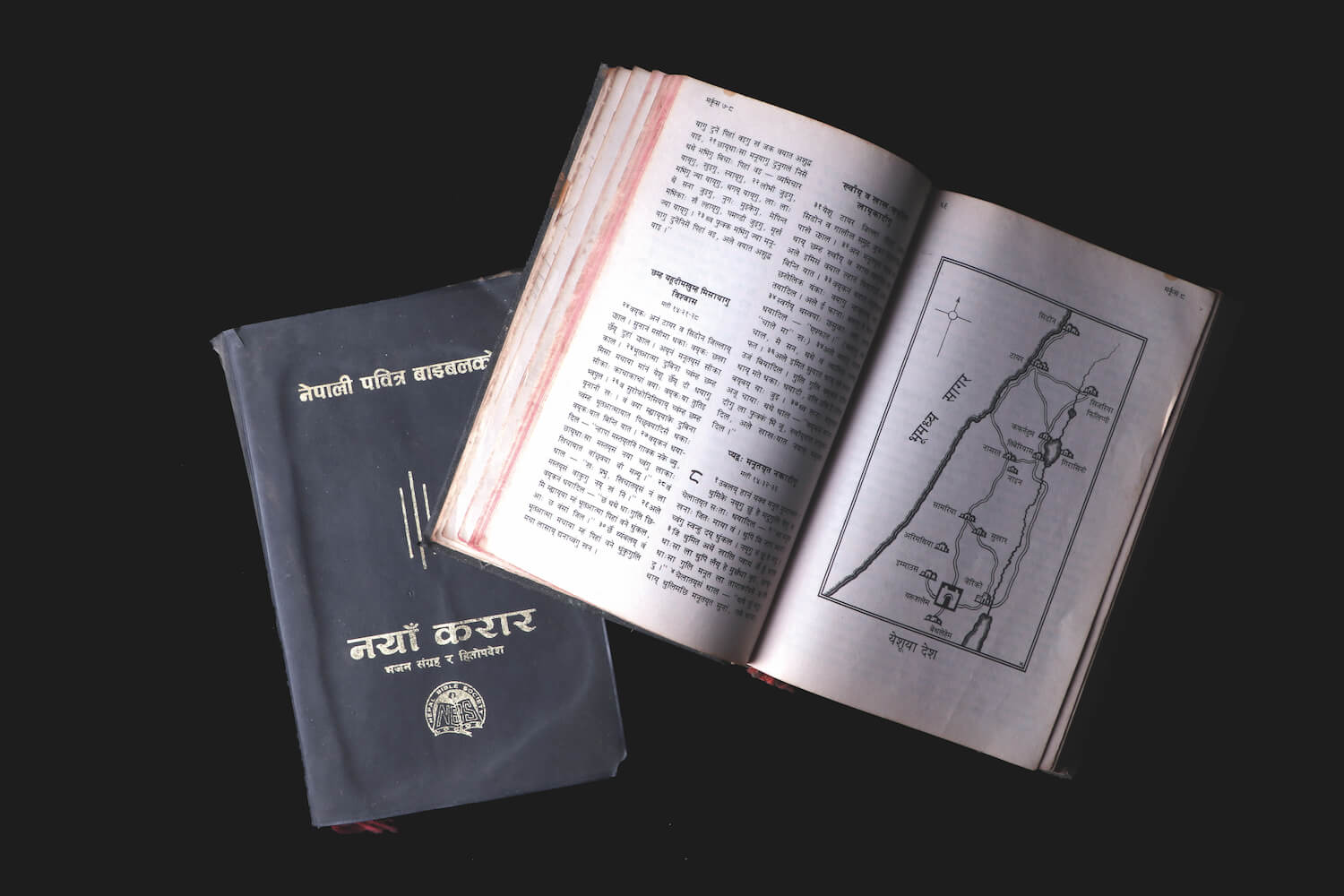
My son used to recite from this Bible at church where we went together. I have kept this Bible thinking he will return some day. When that happens I will hand it over to him.
Ratna Kumari Mali
Mother of Baburaja Mali
Godavari, Lalitpur.
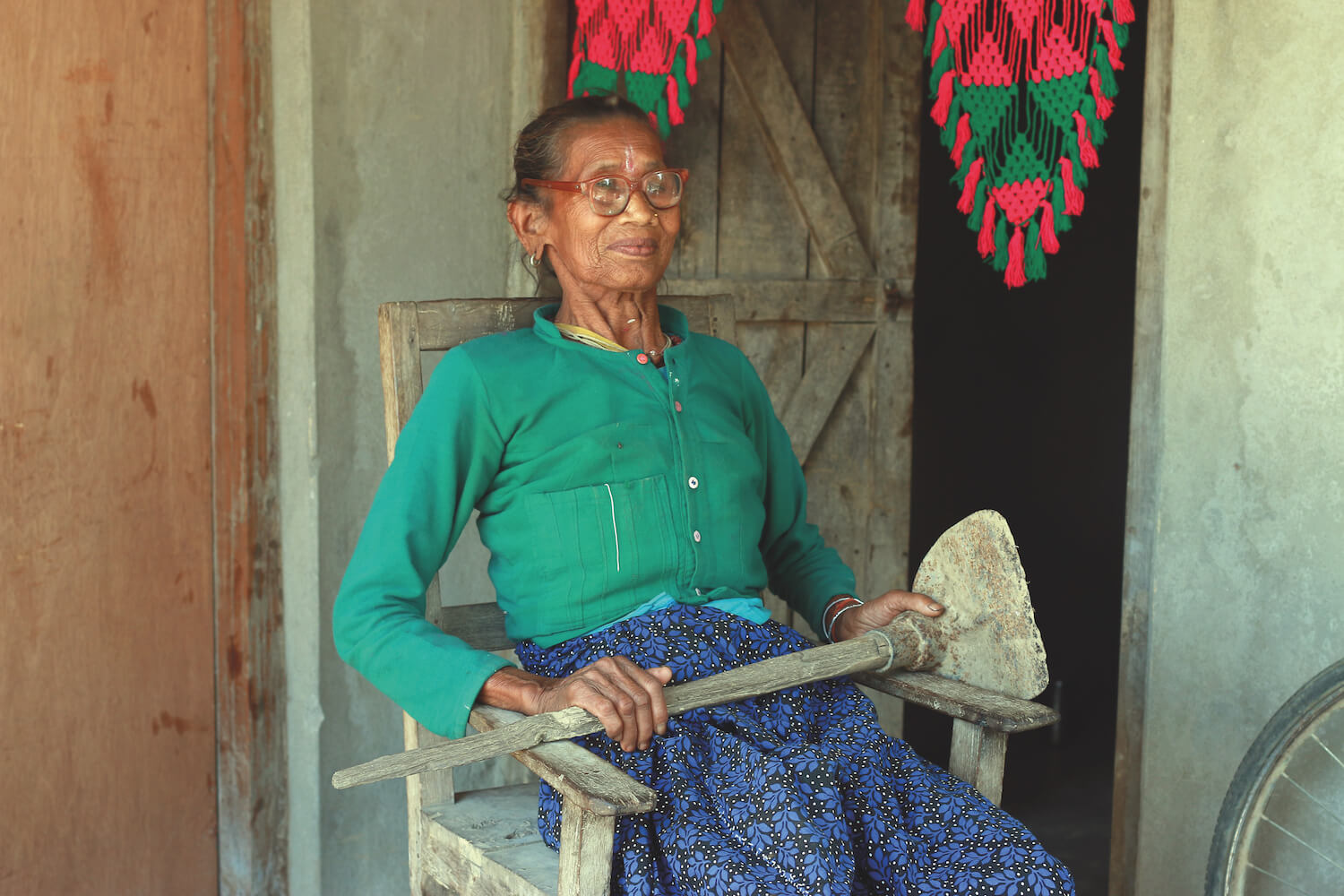
My son used the this plough whenever we went to the fields together. Today, we only have the plough. I cannot use it, and my son cannot use it.
Surjan Tharu
Bardia
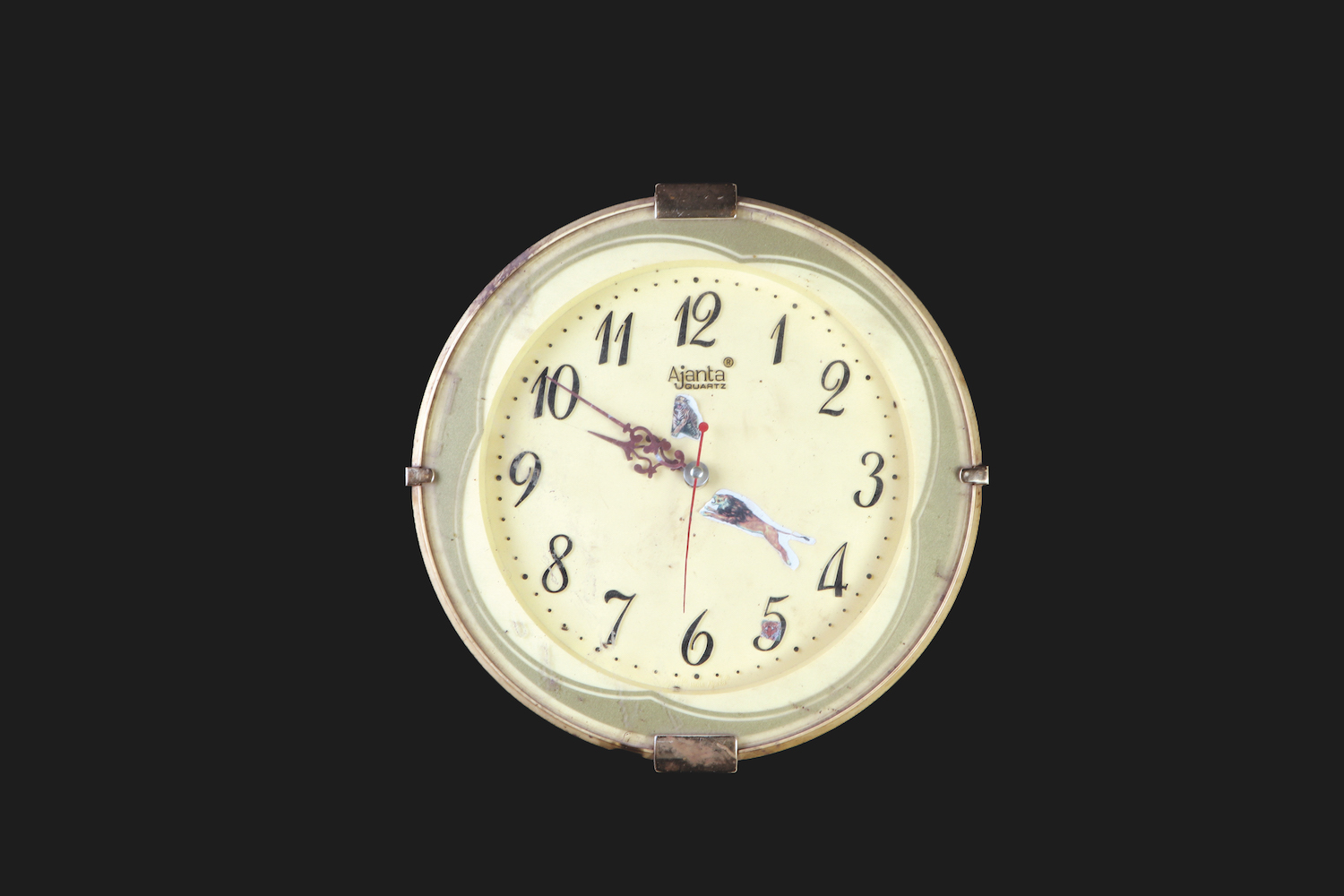
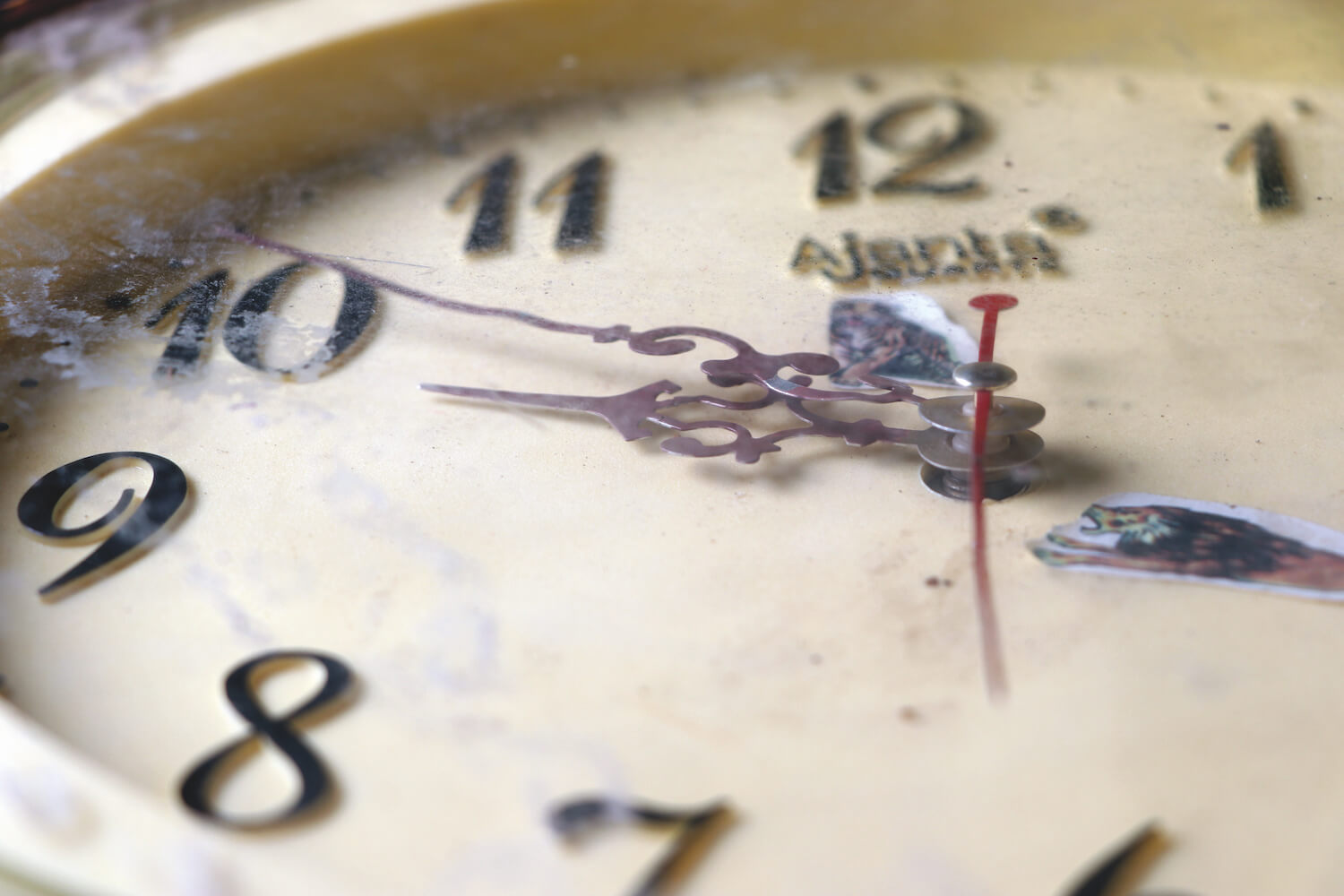
He started to work for a pharmacy to manage the household expenses after his father died. This wall clock is the first thing he bought from his salary.
I keep looking at it to pass the time till my son returns home.
Mohan Maya Mali
Mother of Rajendra Mali
Godavari, Lalitpur.
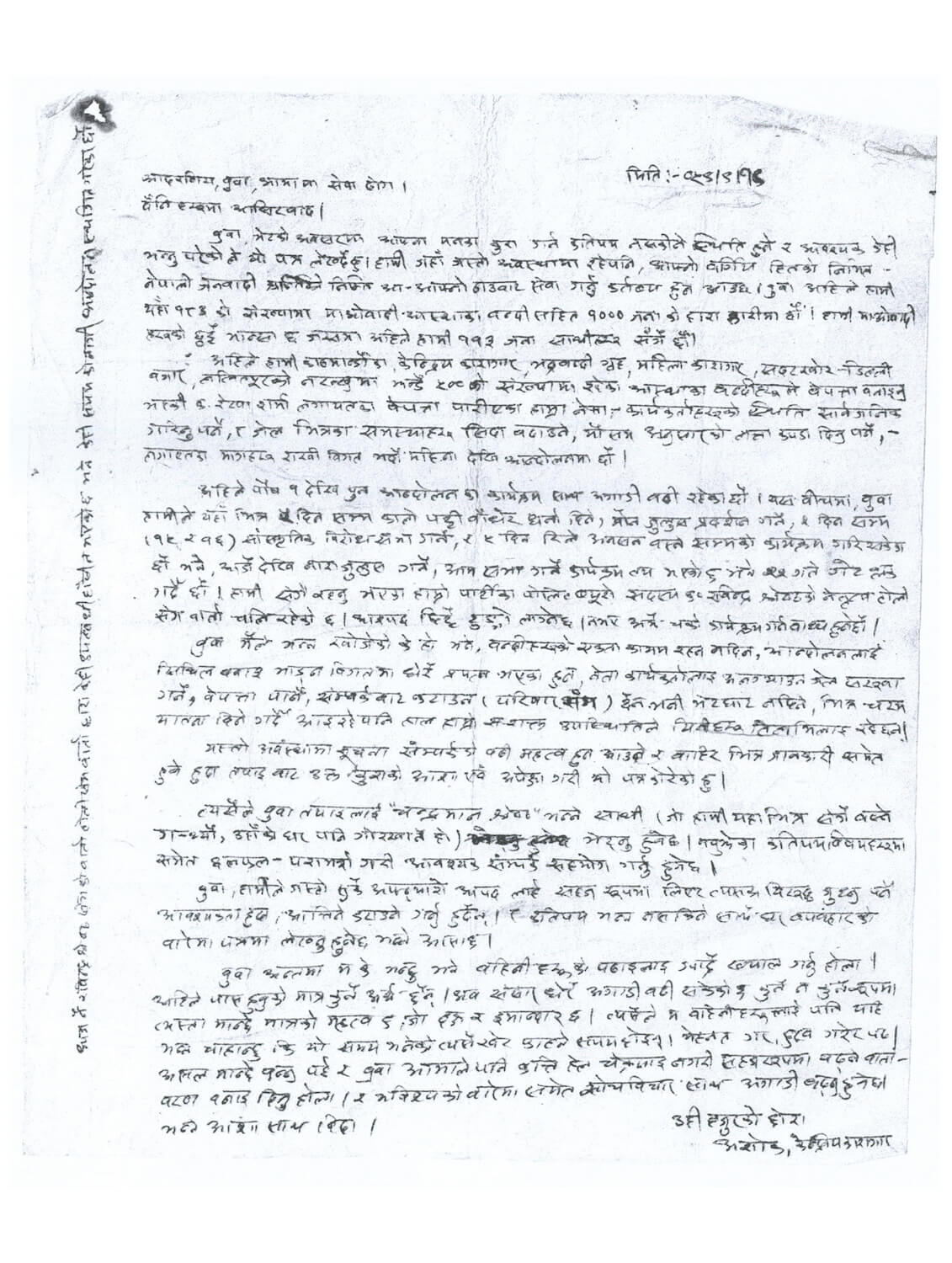
During his 14-month-long jail time, my brother used to send us letters by hiding them inside biscuits and noodle packets. That's how we received this letter too. Butter Cracker and Wai Wai noodles still remind me of him. Even today, whenever I see biscuit and noodles, I anxiously think there might be a letter in it from him.
He was in touch with our family until 22 November, 2003. The last letter that we received was written from Sundhara Central Jail.
Sapana Suwarnakar
Sister of the disappeared Ashok Akela
Borlang-5, Gorkha
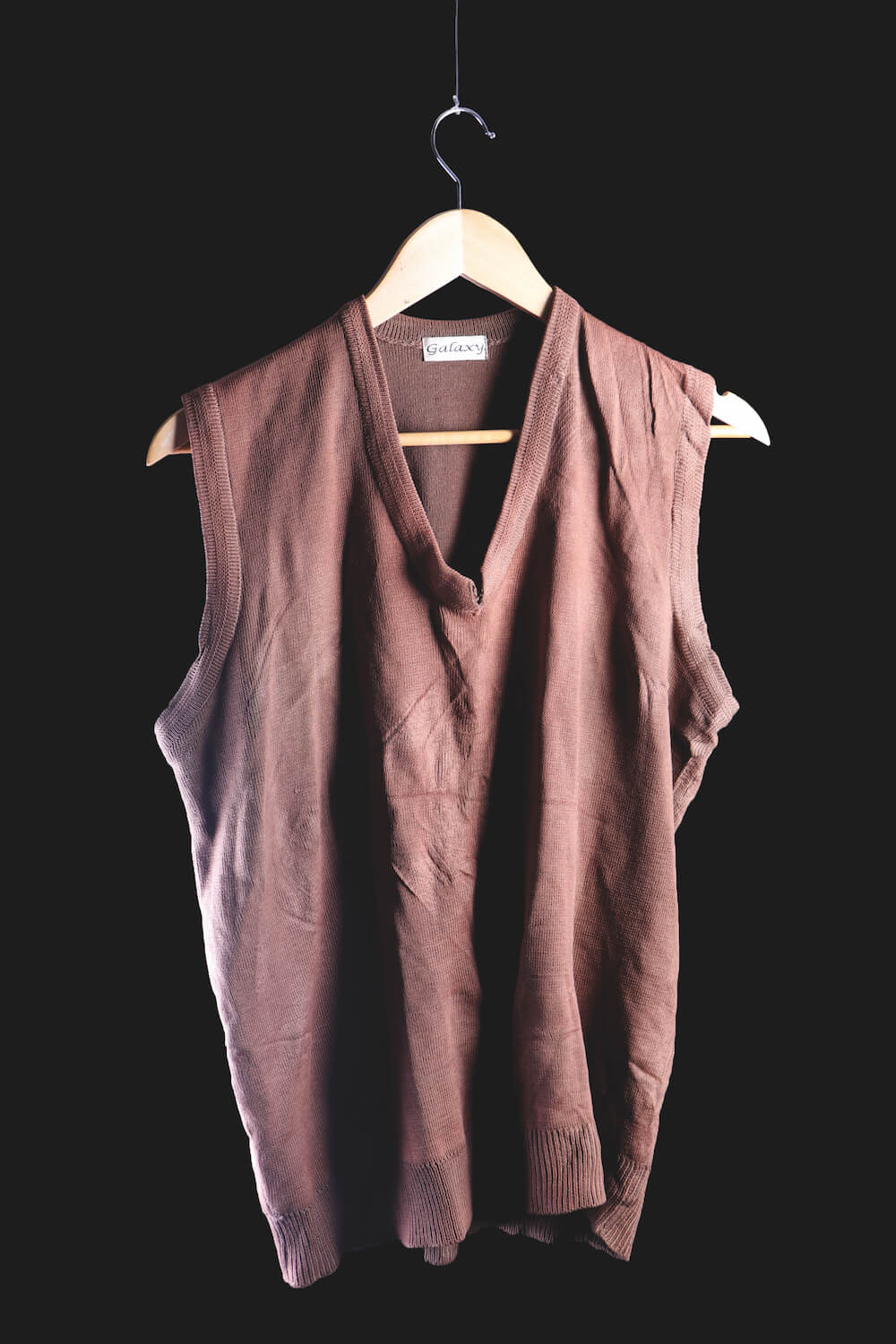
I was taken to Bhairabnath Batallion on 12 December, 2004. I was wearing this sweater when the army freed me and dropped me off at Banasthali Chok on February 17, 2005. Swatantra Chaulagain of Bhote Chaur, Sindhupalchok, had given me this sweater while we were in the army camp together. “Please register my name at Amnesty. Don’t quit the party if you return safely,” he had told me.
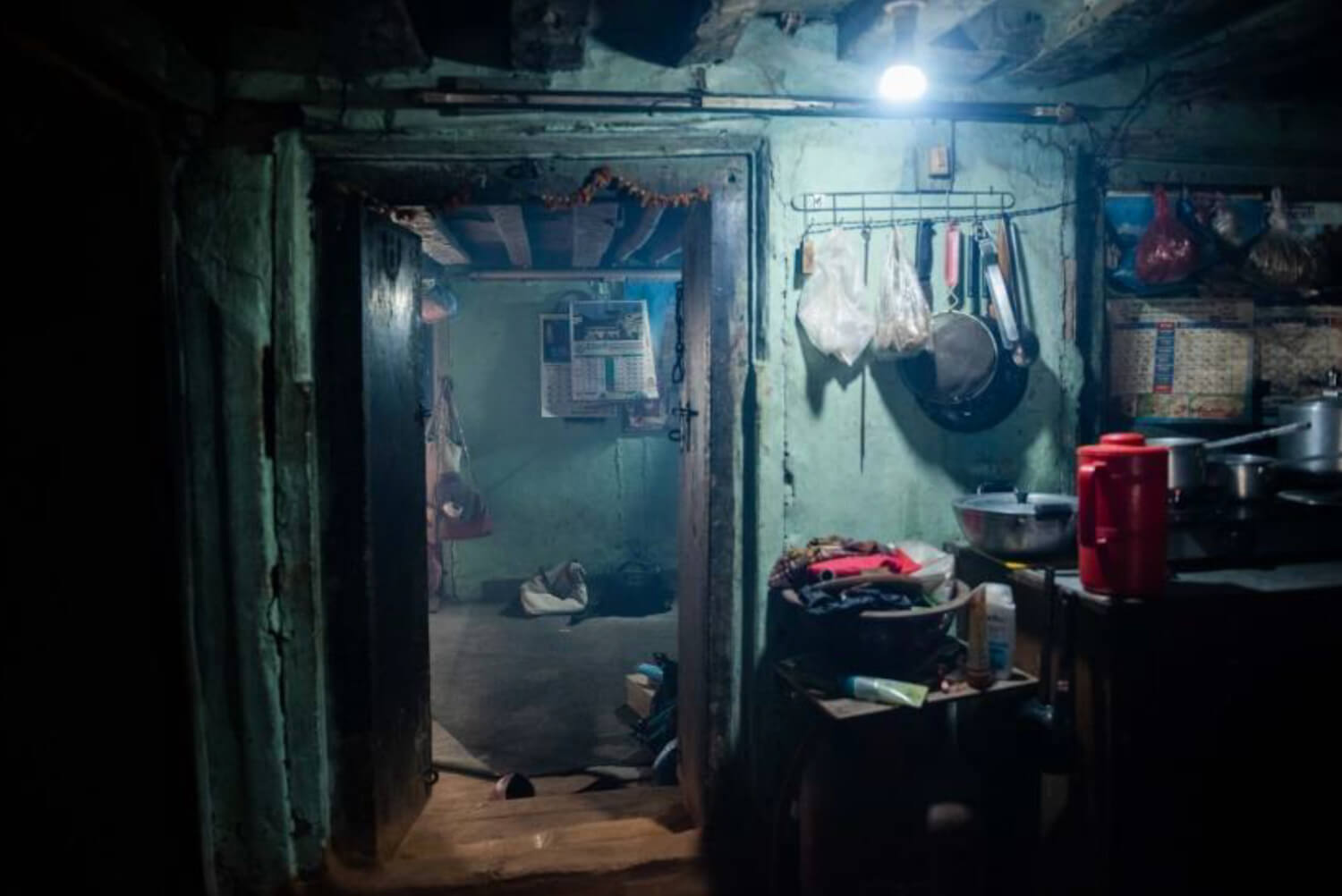
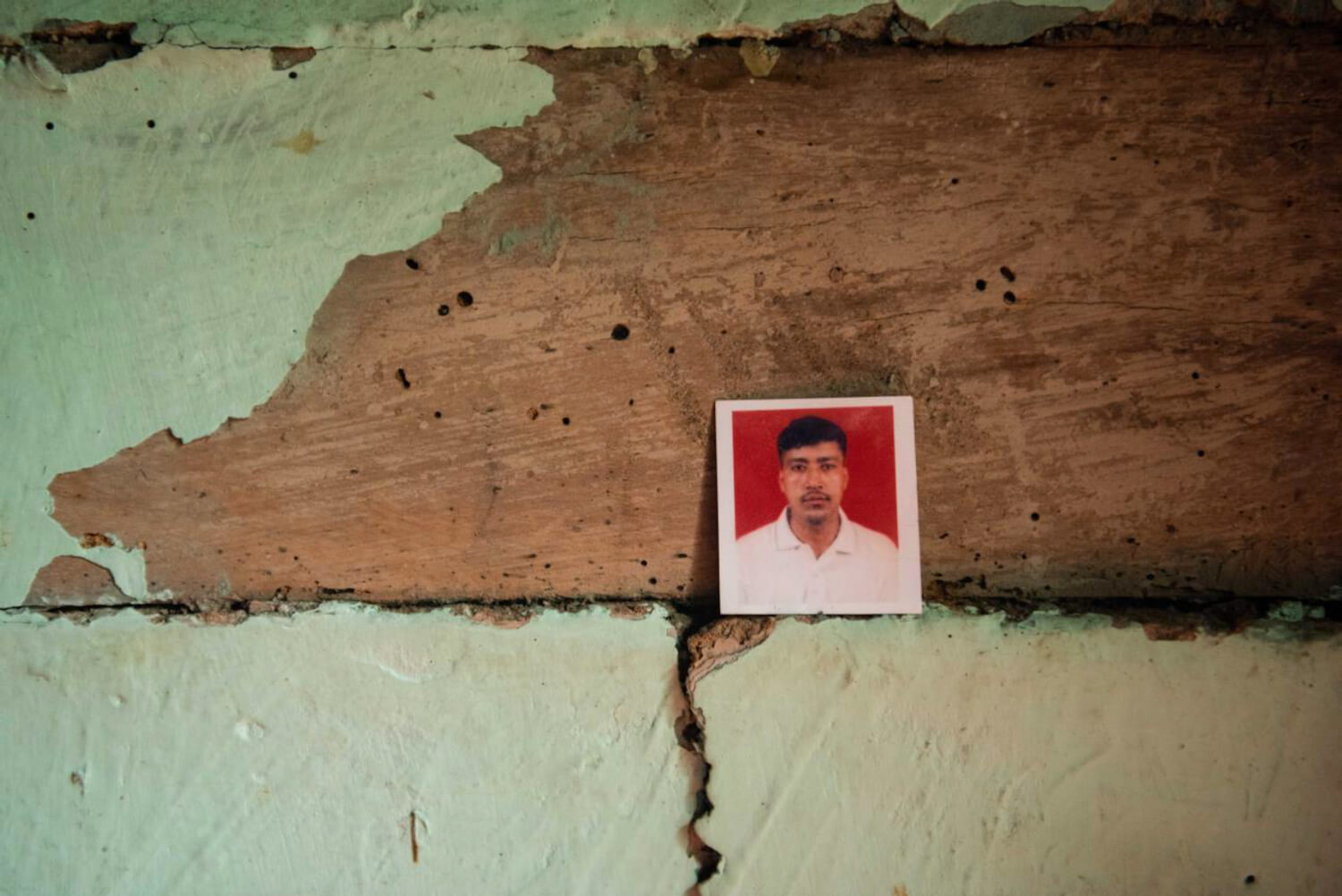
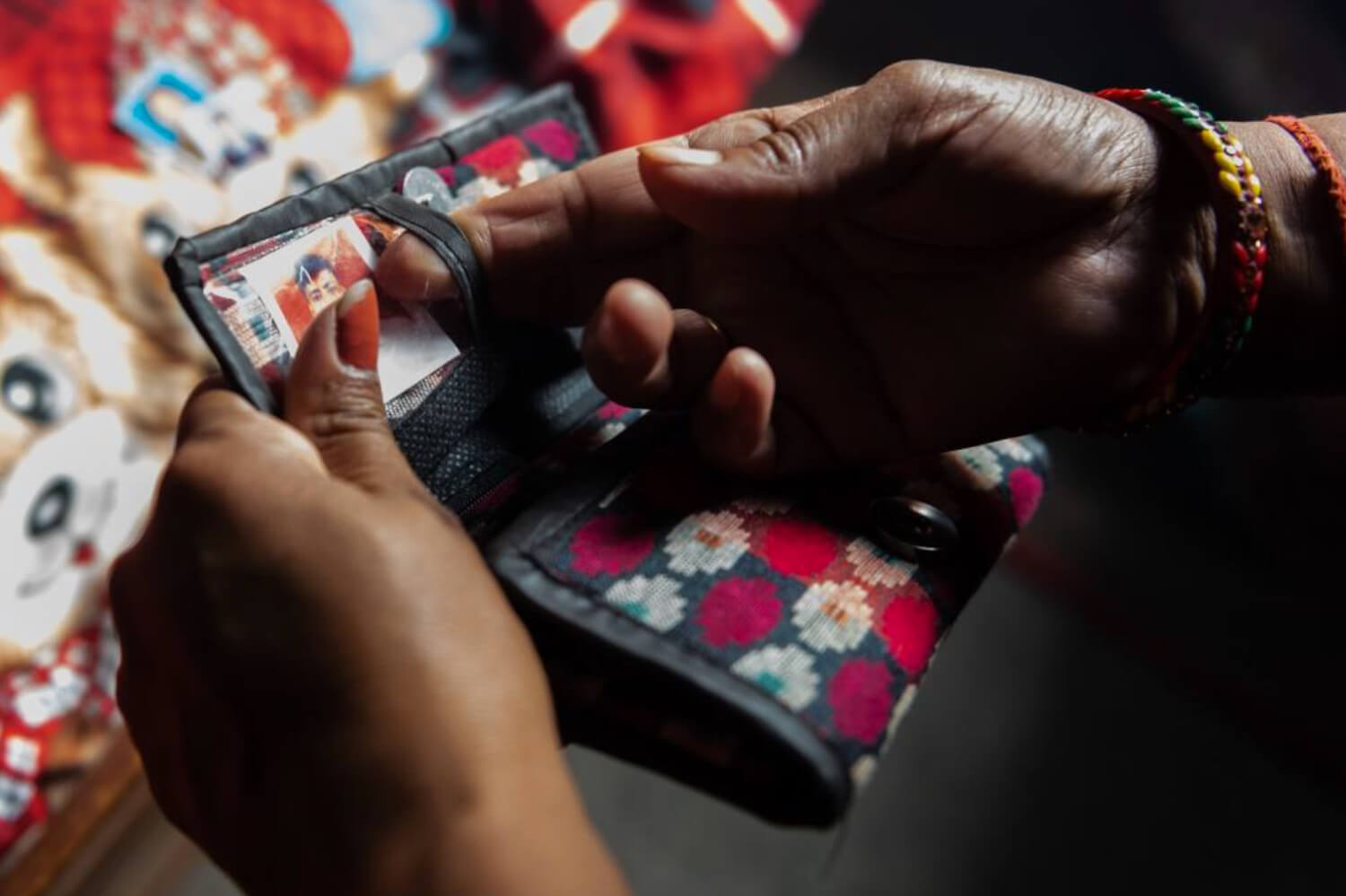 Ram Maya retrieving her husband’s picture from her purse.
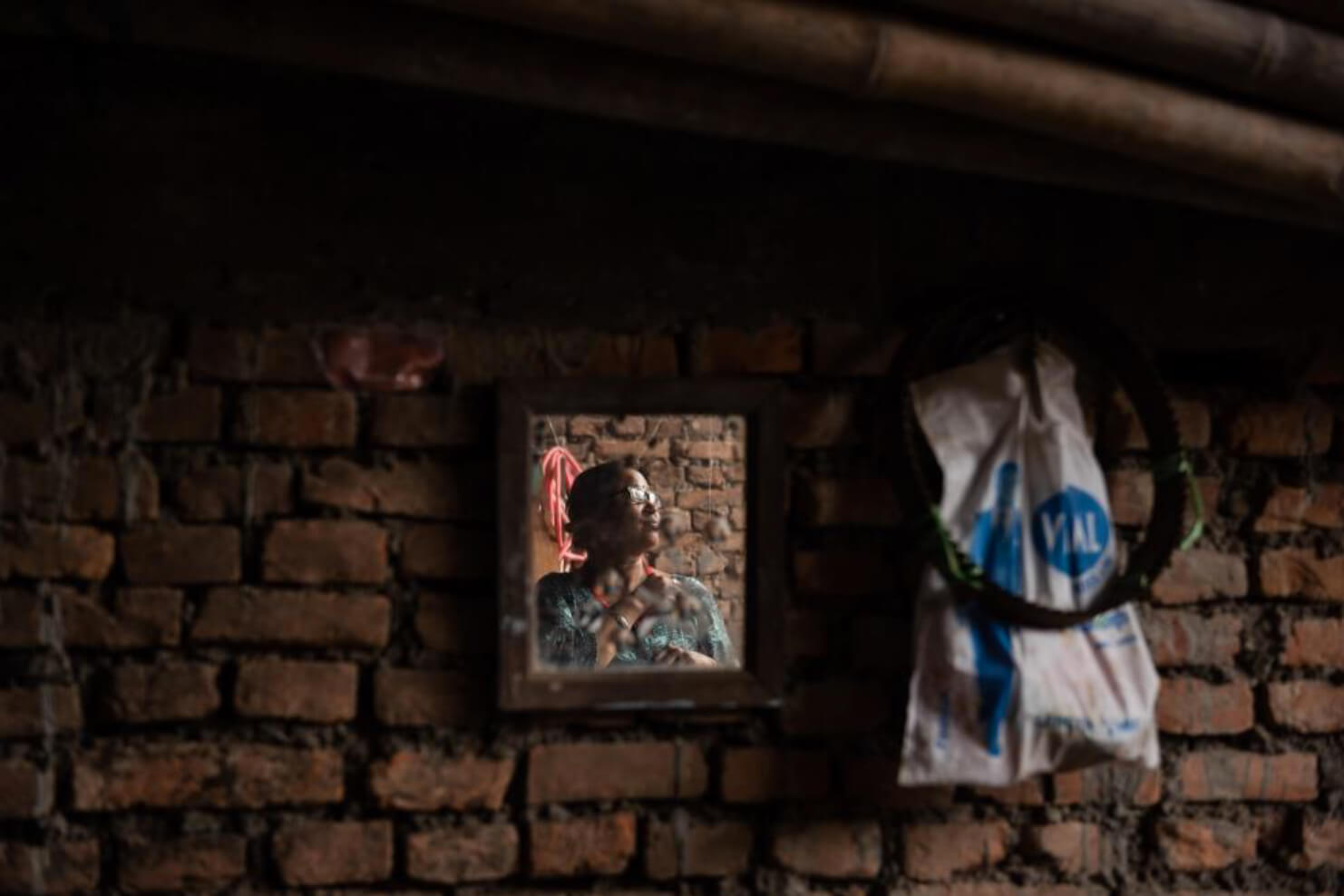 Ram Maya’s reflection caught in the mirror.