The Covid-19 pandemic has already claimed the lives of 3.5 million people, worldwide, according to the World Health Organisation (WHO), although Institute for Health Metrics and Evaluation (IHME) puts the figure at an horrific 7.5 million -- projecting 9 million global deaths by September 2021.
Waves of Covid-19 infections across the world have severely challenged health systems in the richest countries, but have been catastrophic for nations with more limited health infrastructure. It is predominantly older adults and those with other health conditions who are most seriously affected by the virus, but the impact on health services indirectly affects those seeking help for other health problems, and the pandemic has further affected economic resilience of nations and families. Quite simply, we are all affected by the pandemic.
Against this backdrop, the wave of infections across South Asia this month is a cause for huge concern, with the reality of the pandemic being felt today so acutely by the people of Nepal. It is a pain I have shared, having worked very closely for the past 16 years with a talented team of doctors and researchers at Patan Hospital, Lalitpur, (led by Dr Shrijana Shrestha and Dr Buddha Basnyat) researching infectious diseases and vaccines in children.
Today, I feel so far away, more than 4,500 miles from Kathmandu, and rather helpless as the media vividly brings the news of Nepali political debates, lockdowns, individual suffering, oxygen shortages and the selfless dedication of the hospital staff into my living room.
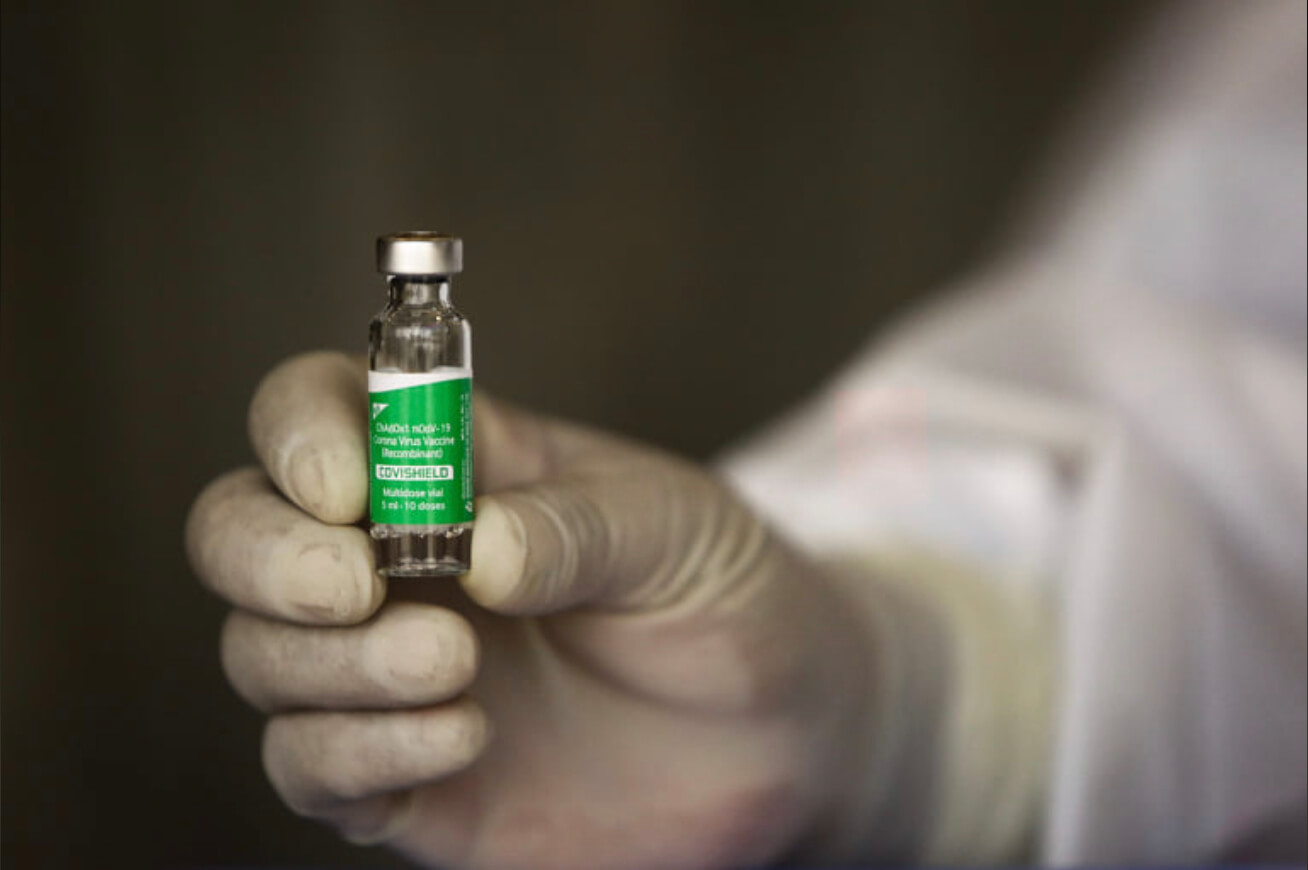
In early 2020, I started work with other academics in Oxford on the development of the Oxford-AstraZeneca/Covishield vaccine. My role was leading clinical trials of the vaccine, starting on 23 April 2020, and eventually enrolling 24,000 volunteers in the UK, Brazil and South Africa during the course of the year.
In the trials, half of the volunteers were given the Oxford vaccine and the other half received a ‘control’ vaccination which wasn’t designed to protect against coronavirus. We then compared the number of people who developed infection in the two groups and found that disease was reduced by around 70% in those who received the vaccine.
Importantly, the vaccine prevented all hospitalisations and deaths. These amazing findings were recently confirmed in a trial of the vaccine in the United States. Our vaccine is remarkably effective. The trials also taught us that the vaccine had the potential to reduce the risk of transmission of the coronavirus by blocking infection and reducing the amount of virus in the throat of those who did catch it.
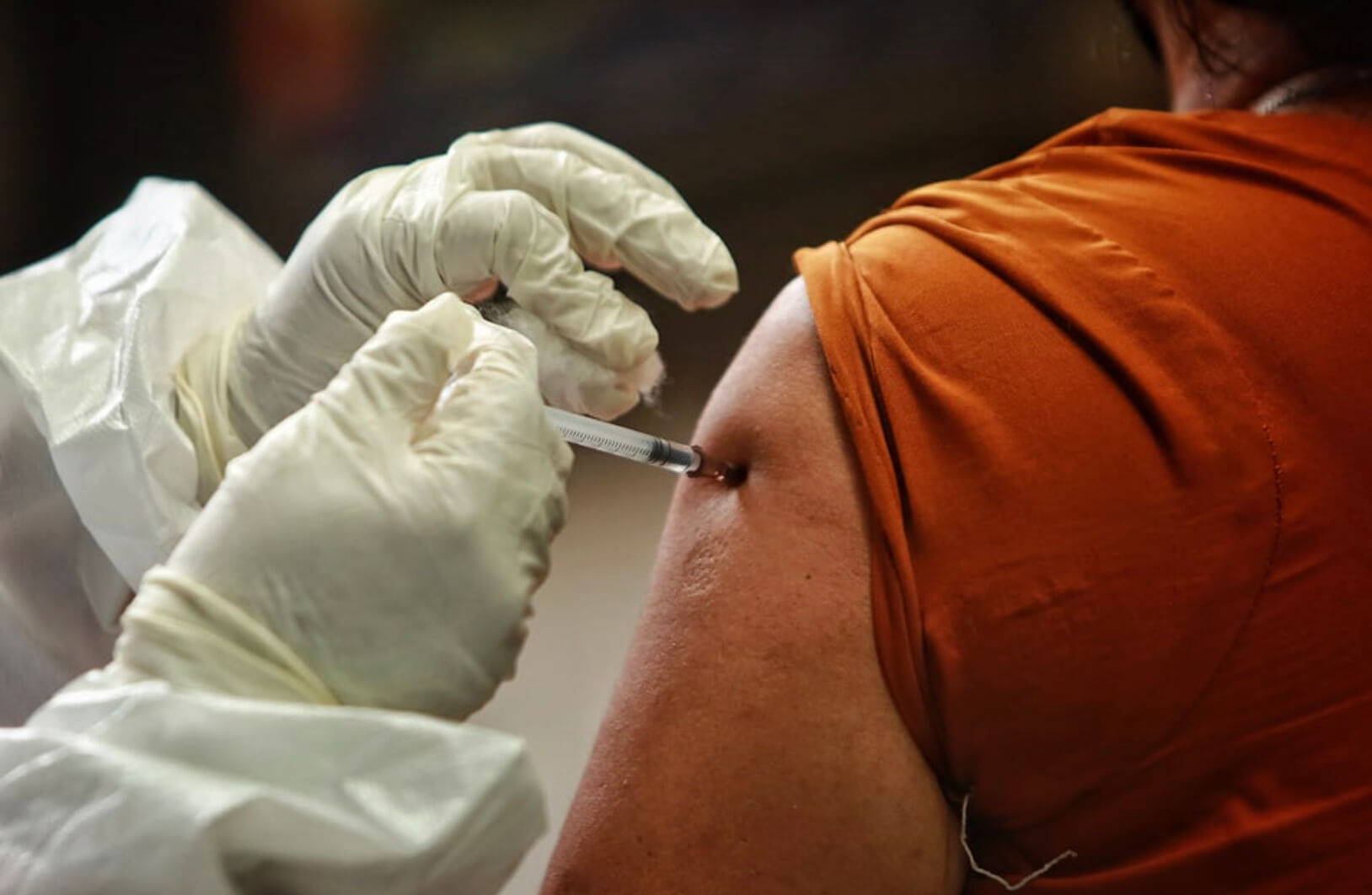
Since 4 January 2021, the Oxford vaccine has been used in the UK, and the national rollout has shown how powerfully effective vaccines are in ‘real world’ use, with a recent analysis by Public Health England indicating that around 12,000 deaths, and 33,000 hospital admissions from Covid-19 have been averted by the vaccines in just a few months here in the UK.
Our aim at Oxford University was to develop a vaccine that could be distributed equitably, and we hoped to achieve that through our partnership with AstraZeneca, who stepped up to help and have supported more than 20 vaccine manufacturing sites around the world (including Serum Institute of India, who make Covishield).
They are working flat out to scale up manufacturing even more, and it is through their efforts that over 450 million doses have already been produced this year, and how the vaccine is being distributed to over 160 countries. This incredible progress in such a short period of time will save hundreds of thousands of lives. But making vaccines is hard, takes time, and there are still not enough doses for the world, even with many other developers producing vaccines too.