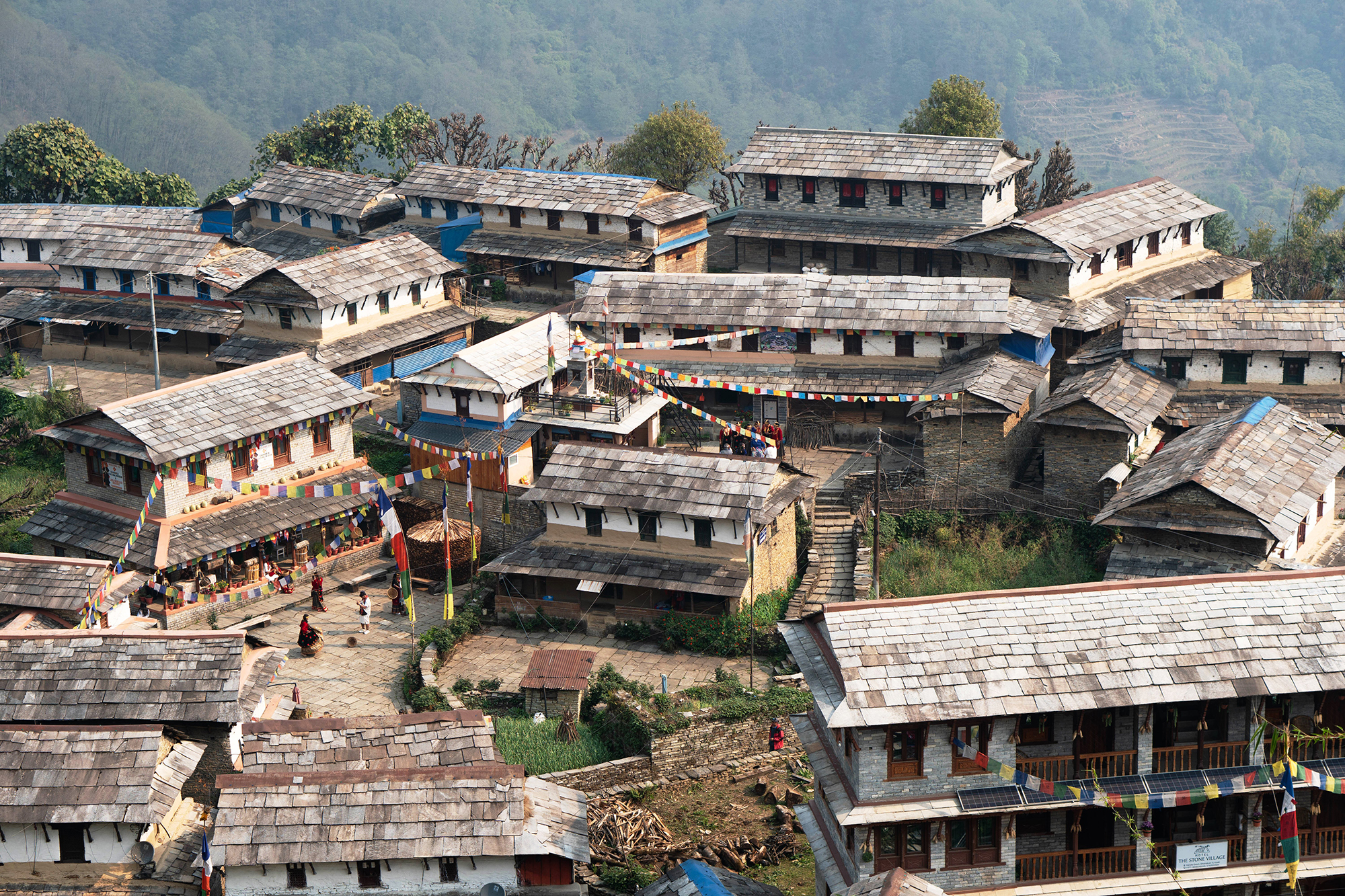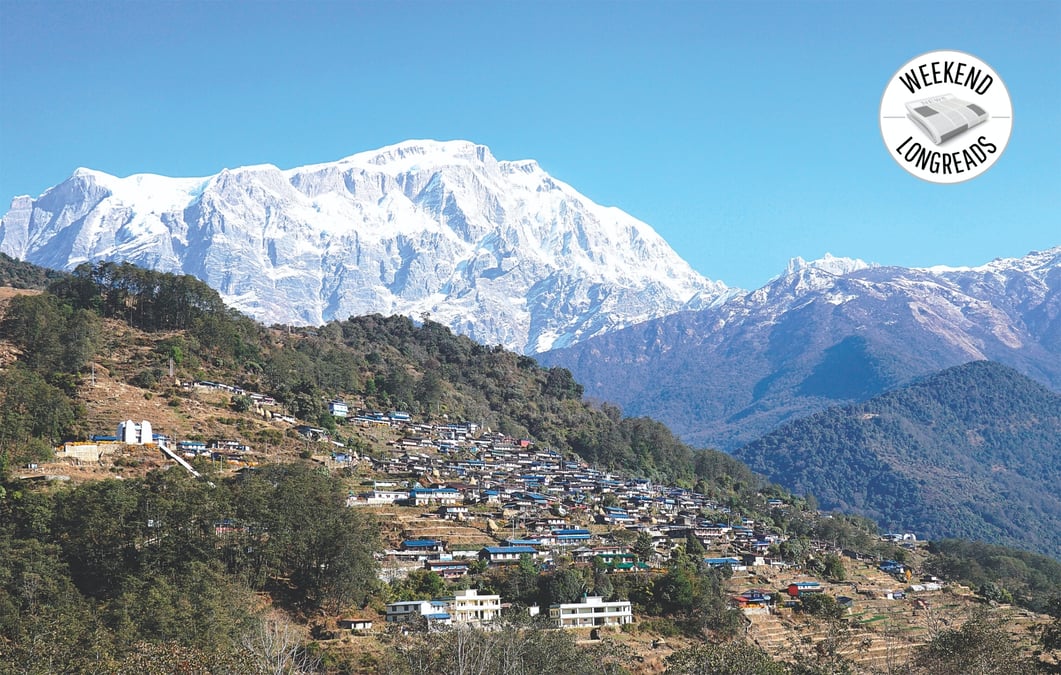
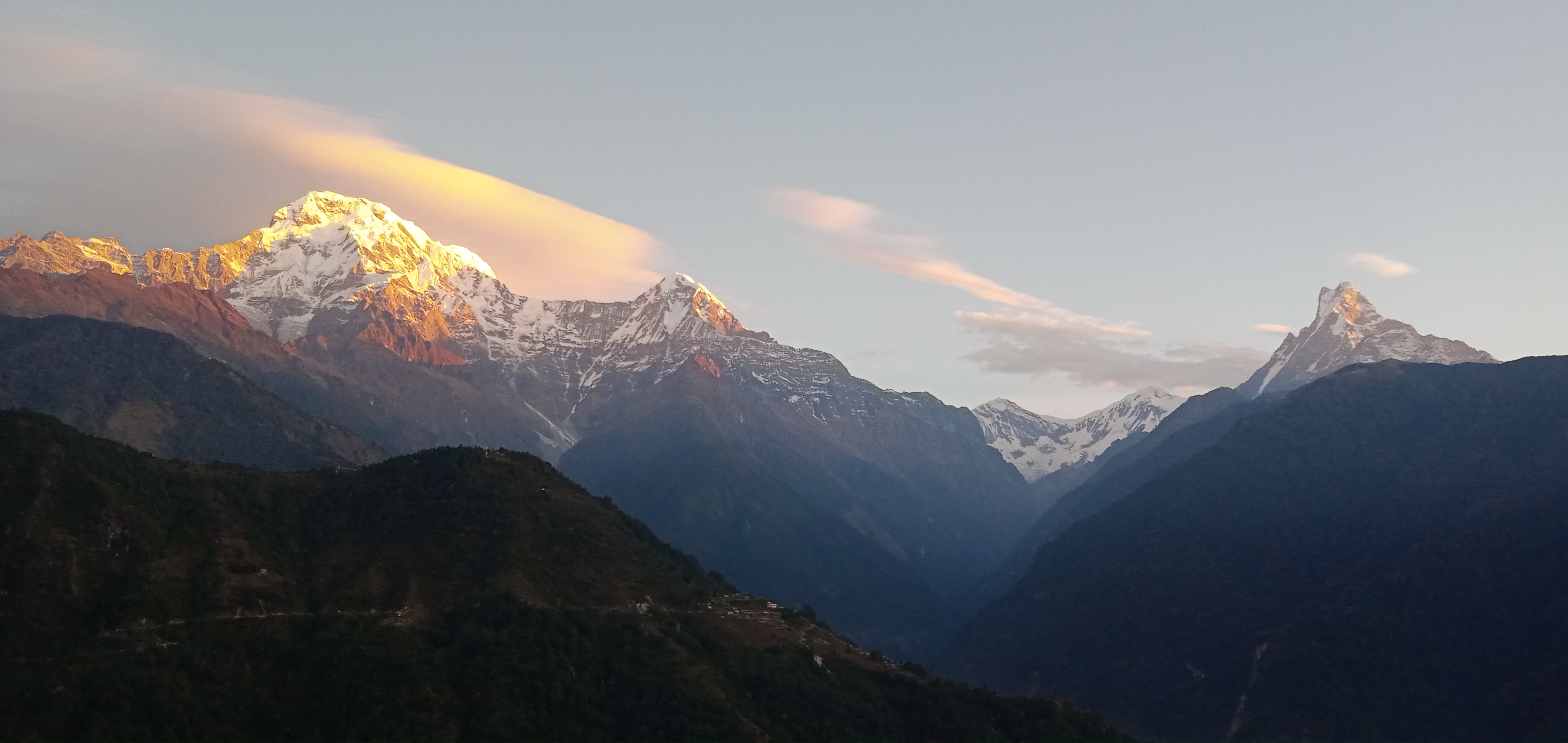
Basking in a golden sunset reflected off Machapuchre, guests gather in the courtyard of Hita Sharma’s house in Ghandruk for a party.
In the kitchen, Sharma is sorting through a nanglo filled with freshly picked niguro fern as strips of mutton sizzle away in a pan. Cucumber, radish, and greens from her vegetable garden have been chopped neatly, and laid out.
Sharma lost her husband when she was 23, and overnight became a single mother raising two children and an elderly father-in-law. All she knew was how to farm the terraces on the steep slopes nearby.
Her family has lived here in the Gurung village on the Annapurna trekking trail for generations, she speaks the local language and is familiar with the community’s customs. But unlike her Gurung neighbours, she was not involved in the tourism industry in a town that gets 175,000 Nepali and foreign trekkers every year.
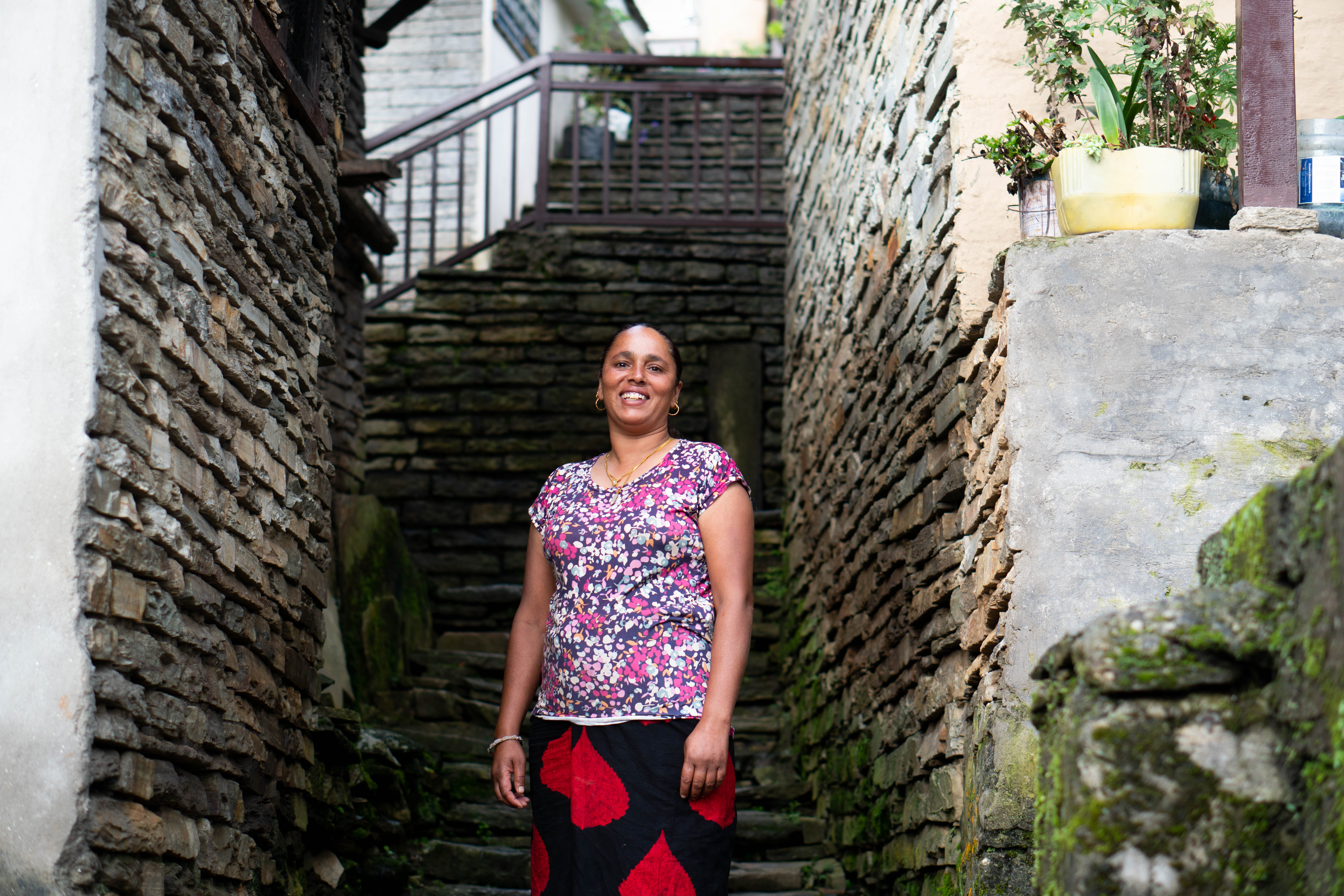
“Everyone ran hotels, homestays or businesses, while I was alone with two young children,” says Sharma, who was also convinced by her neighbour Harimaya Gurung to start a homestay. Ghandruk had just been connected to Pokhara by road in 2016, and the flow of tourists was increasing.
A decade later, Sharma’s homestay is a thriving. The loans are paid off, her son is a chartered accountant in Pokhara, and her lab technician daughter is settled in Japan.
“They have made me forget all the hardships I faced to get here,” beams Hita Sharma.
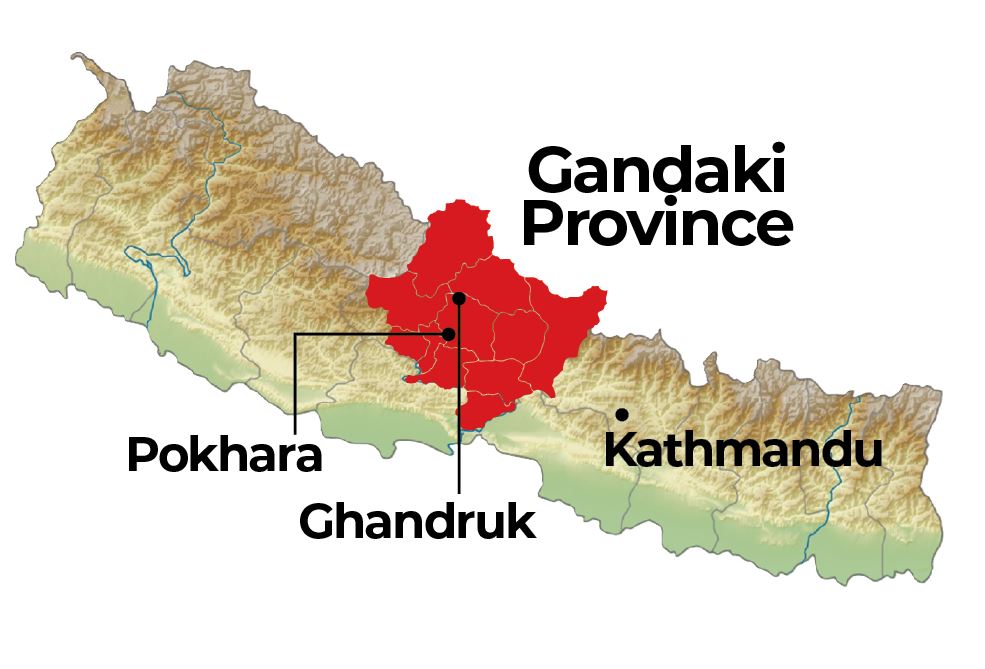
Gandaki is number one among Nepal’s seven provinces in the Human Development Index, even higher than Bagmati, where Kathmandu is located. But even more surprising is that rural parts of the province, like here in Ghandruk, are even more prosperous than towns like Pokhara.
Only 12% of the population of Gandaki is below the poverty line, much lower than the national average of 21%. In total, Gandaki has only 5% of Nepal's poor, lowest among the seven provinces.
Just a decade ago, the story was different. In 2011, the poverty rate in Gandaki was higher than the national average at 28%.
“We recalculated the results of the survey to see if there was a mistake, but the data was sound,” says Hem Raj Regmi of the National Statistics Office. “The rural areas of Gandaki province have leapt ahead in prosperity.”
TOURISM
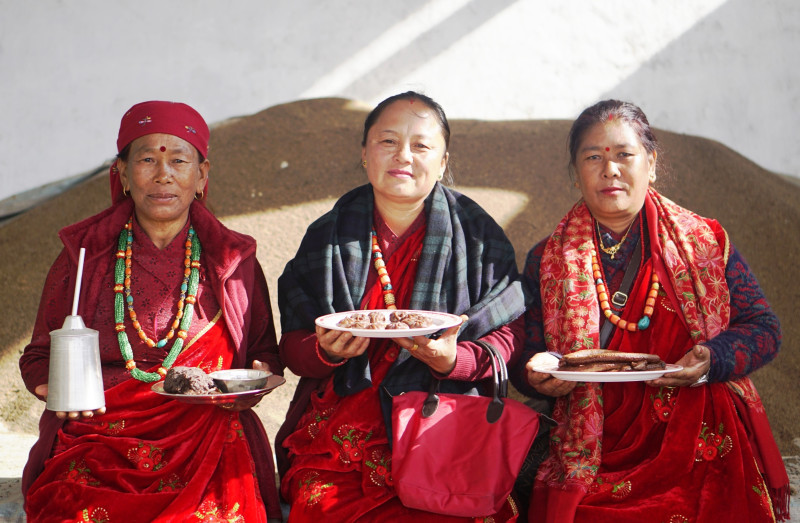
Tourism and remittances from those abroad are the main factors. The incoming cash has had a multiplier effect on downstream sectors like vegetable and poultry farming, manufacturing and schools.
“The villages of Gandaki have always been more prosperous than elsewhere,” notes Nepal’s former finance secretary Rameshore Khanal. “But tourism definitely played a prominent part.”
Apart from 656 hotels in cities like Pokhara, there are 342 rural homestays across Gandaki, and the provincial government provides Rs1 million subsidy to open new homestays benefiting many families who have rooms empty because so many members are abroad.
More than half of Gandaki’s tourism-centered businesses are in rural areas like Ghandruk, Ghorepani and other villages along the trekking trails. Nearly three-fourths are female-owned.
“The villages of Gandaki are famous tourist destinations, and domestic visitors kept most homestays in business when foreign arrivals fell during and after Covid. This has maintained employment and income levels,” says Krishna Chandra Devkota of the Gandaki Province Policy and Planning Commission.
Although tourism has now become the main source of income, the backbone of Gandaki’s rural economy has always been farming.
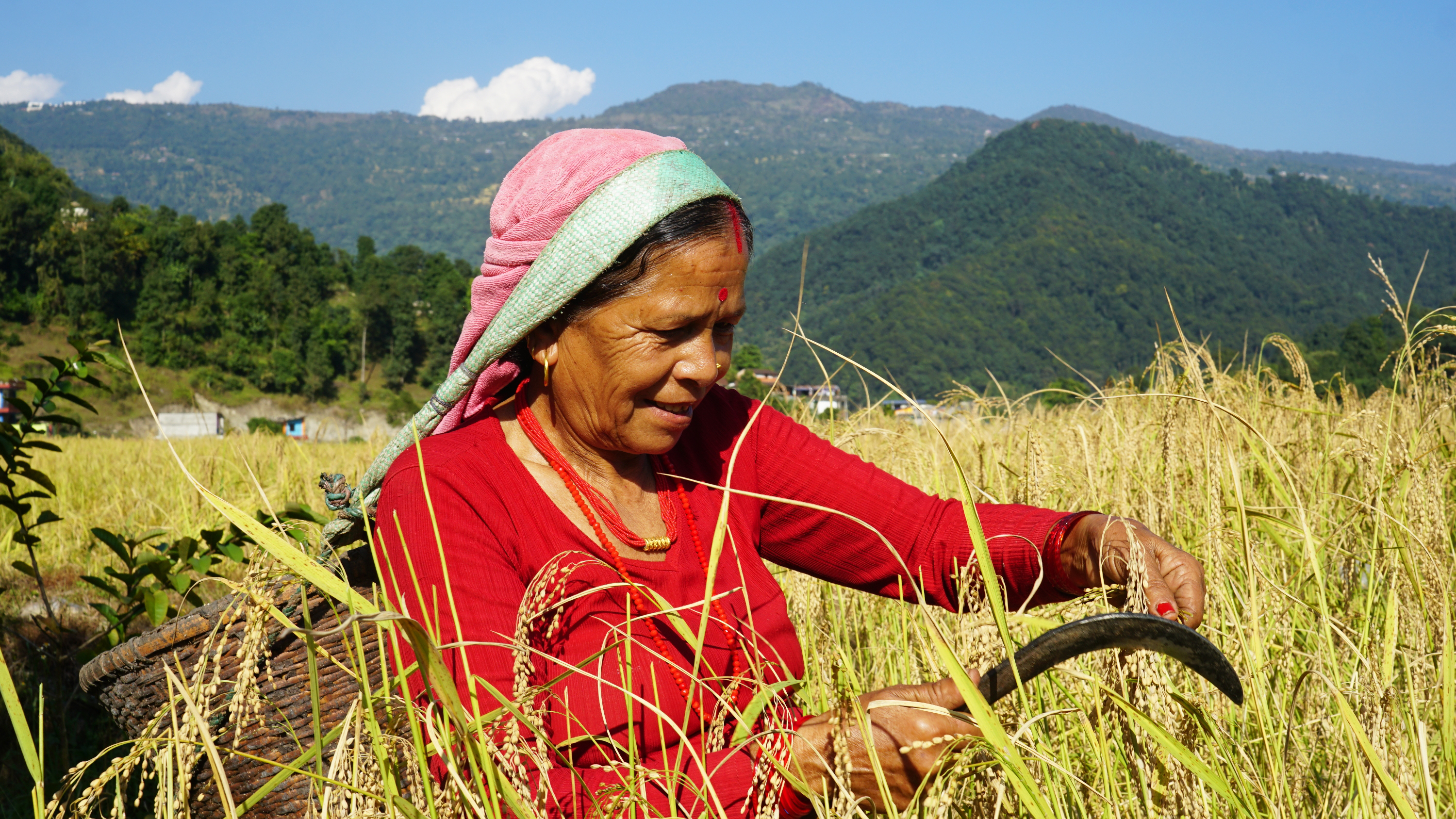
“Agricultural prospects were always good in Lamjung, Tanahun, Kaski and Syangja districts because of community irrigation systems,” explains Khanal.
Indeed, while a little over 60% of Nepali households are engaged in agriculture, in Gandaki it is 64%.
A robust irrigation system means that Gandaki’s farms are insulated from droughts and the impact of climate breakdown. Unlike other provinces Gandaki produces enough rice, maize, and wheat to wholly meet its own demand.
REMITTANCE
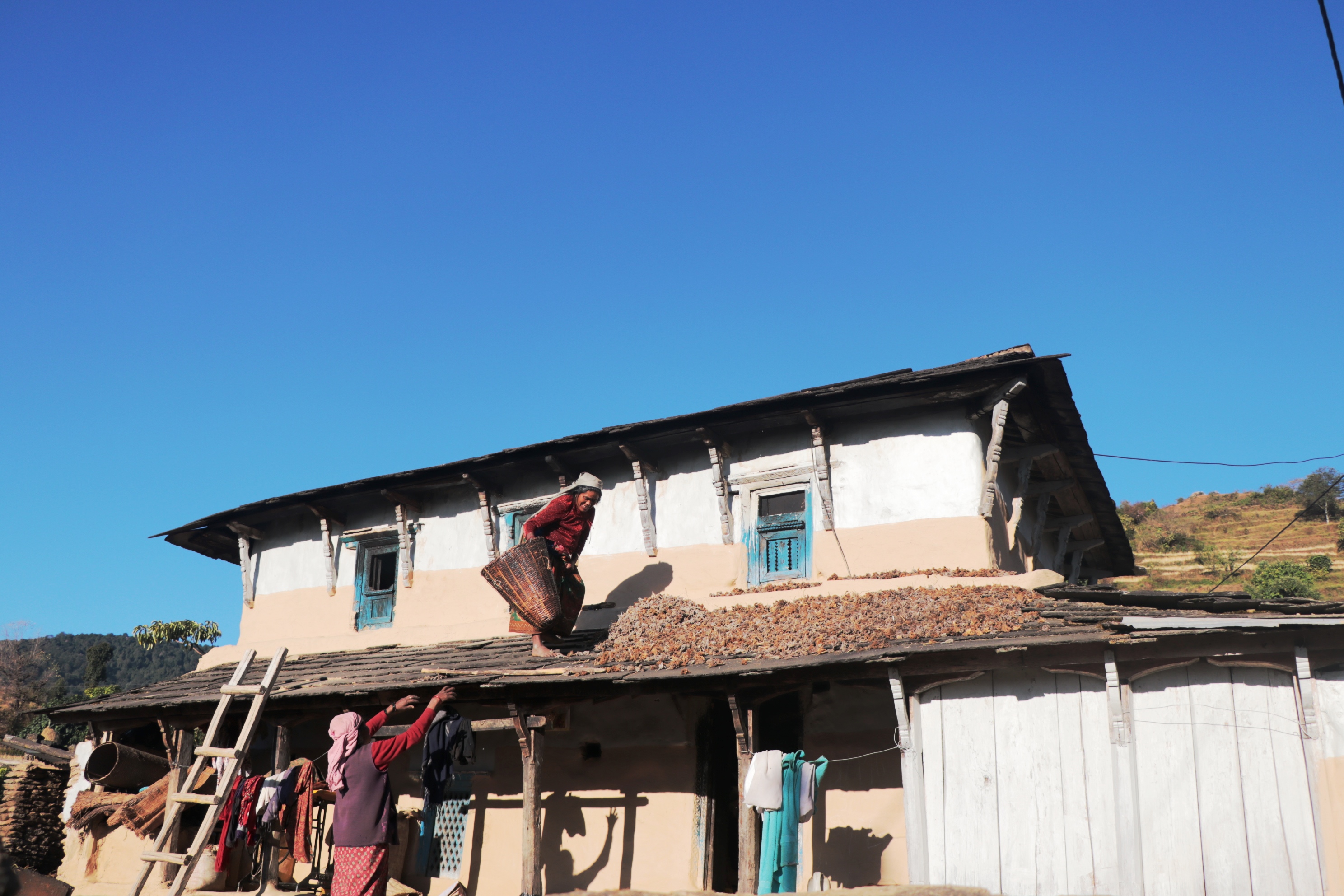
Gandaki’s literacy rate is 83.4% (nationally it is 77%) and has always been historically higher than elsewhere in Nepal, except Bagmati. Better education has increased employment prospects both domestically and abroad, and higher earnings means greater inflow of remittances.