
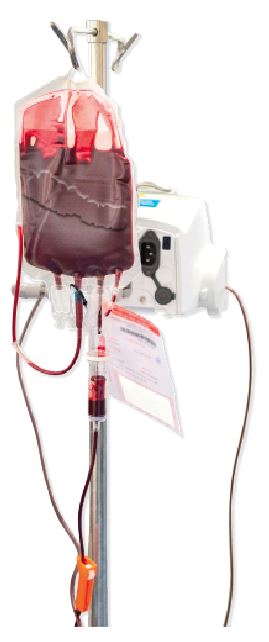
- Belamati Nepali of West Rukum was diagnosed with intestinal cancer and underwent surgery in Lalitpur. Her husband Khadke sold the family livestock to pay for his wife’s chemotherapy. He mortgaged his house to a local lender for Rs500,000, which he will lose if he doesn’t pay it back by October. But the money has run out. He says, "I am worried about losing my home, but I am now even more afraid of losing my wife.”
- Aman Dhamala’s 23-year-old son was seriously injured in a landslide last year in Kalikot. A local hospital could not treat him, and he borrowed Rs250,000 to hire a helicopter which came seven hours later. His son died in the helicopter before reaching Kathmandu. "If we had a better equipped hospital in Kalikot, my son would be alive today. Now I am left with nothing but a huge debt.”
- Suman Lamichhane broke his right leg in a fall 12 years ago in Gorkha, but because of improper treatment there, the National Trauma Centre in Kathmandu had to amputate it. Suman does not have a family. He had to sell everything he owned for treatment, but could not save his leg.
- Punsiram Tharu’s son was diagnosed with retinoblastoma at Kanti Children’s Hospital this month. Treatment would have cost Rs300,000, and there was a 95% chance of recovery. But the Rs100,000 the government provides for cancer treatment was not enough, Punisram does not own any property, and no one back home will lend him money. The daily wage earner cannot afford his son’s treatment.
- Six-year-old Roshan Tamang was taken home to Kavre by his parents midway through his cancer treatment in February because they could no longer afford his treatment. “I had to sell all my property for my son’s chemotherapy, but we were not sure he would get better, and we ran out of money. It broke my heart to take him back home,” Roshan’s father said. Roshan died at home three months ago.
Read more: In a healthy state, Editorial
Nepalis are losing their lives and homes paying for expensive medical care. Others are living with life-long disabilities because they cannot afford treatment.
Every year, the WHO estimates that 500,000 people across the country are pushed below the poverty line, and another three million face financial burden because of expensive medical care, and lack of insurance. That is over 10% of Nepal’s entire population.
The cities have modern private hospitals which have made it possible for many Nepalis not to have to go abroad anymore for treatment. But these hospitals are out of reach of most Nepalis. The WHO recommends more than 10% of a nation’s total budget to be invested in health. This year’s budget allocates only 6.87%, which is even lower than other developing nations.
Most of that money is allocated for construction and unnecessary equipment, there is not enough to train new doctors and nurses or retain them in rural hospitals.
There was some hope with the introduction of the national health insurance policy, but the benefit amount of Rs100,000 per household is not enough for critical care.
Instead of streamlining a national insurance scheme so healthcare is more equitable, the finance minister announced plans in his budget speech last month to privatise it.
Read also: Taking wealth out of health, Anita Bhetwal
Fix what is broken in Nepal's health system
Decentralised healthcare and a national insurance program can achieve equitable medical treatment for all Nepalis
Ujjwal Thapa, the founding chair of Bibeksheel Sajha Party, died on 1 June last year due to complications from Covid-19.
Thapa’s treatment, which cost Rs2.5 million, was crowdsourced after he was unable to put together enough money to pay mounting hospital bills. His family raised Rs6.8 million for the treatment of a young politician known for his integrity and vision for the country.
Thapa needed financial support despite belonging to an upper middle class family with a house and business in Kathmandu.
Covid-19 exposed the pre-existing failure of Nepal’s public health system and high cost of treatment at private facilities have forced many families into a vicious cycle of poverty, as well as countless preventable and premature deaths.
Nepal’s healthcare mechanism is at odds with the constitutionally guaranteed fundamental rights of Nepalis, and needs a complete overhaul. Government hospitals cost less, but treatment is sub-standard and private care is too expensive.
Read also: Dangers of privatising health insurance in Nepal, Gaj B Gurung and Sushil Koirala
Nepalis have had to sell property and livestock to pay hospital bills, and fall prey to loan sharks. Others have had to abandon treatment midway or entirely knowing that doing so would mean certain death.
The government subsidises treatment for diseases including cancer, Alzheimer's and kidney failure, as well as for families of those who were killed or injured during the conflict. However, the amount does not even cover transportation for treatment in most cases. Bureaucratic red tape means not all patients receive the benefits.