Trekking guide Sangbu Lama was on his way to Kathmandu to take his children back to boarding school in the city. He was on the road when the earth started shaking.
First information was that Kathmandu had been destroyed, but as the hours went by Sangbu found out that it was his own hometown of Langtang that had been wiped off the map.
Thamel gets back to business, Nischhal Pradhan, Raila Rai, Prasong Rupacha
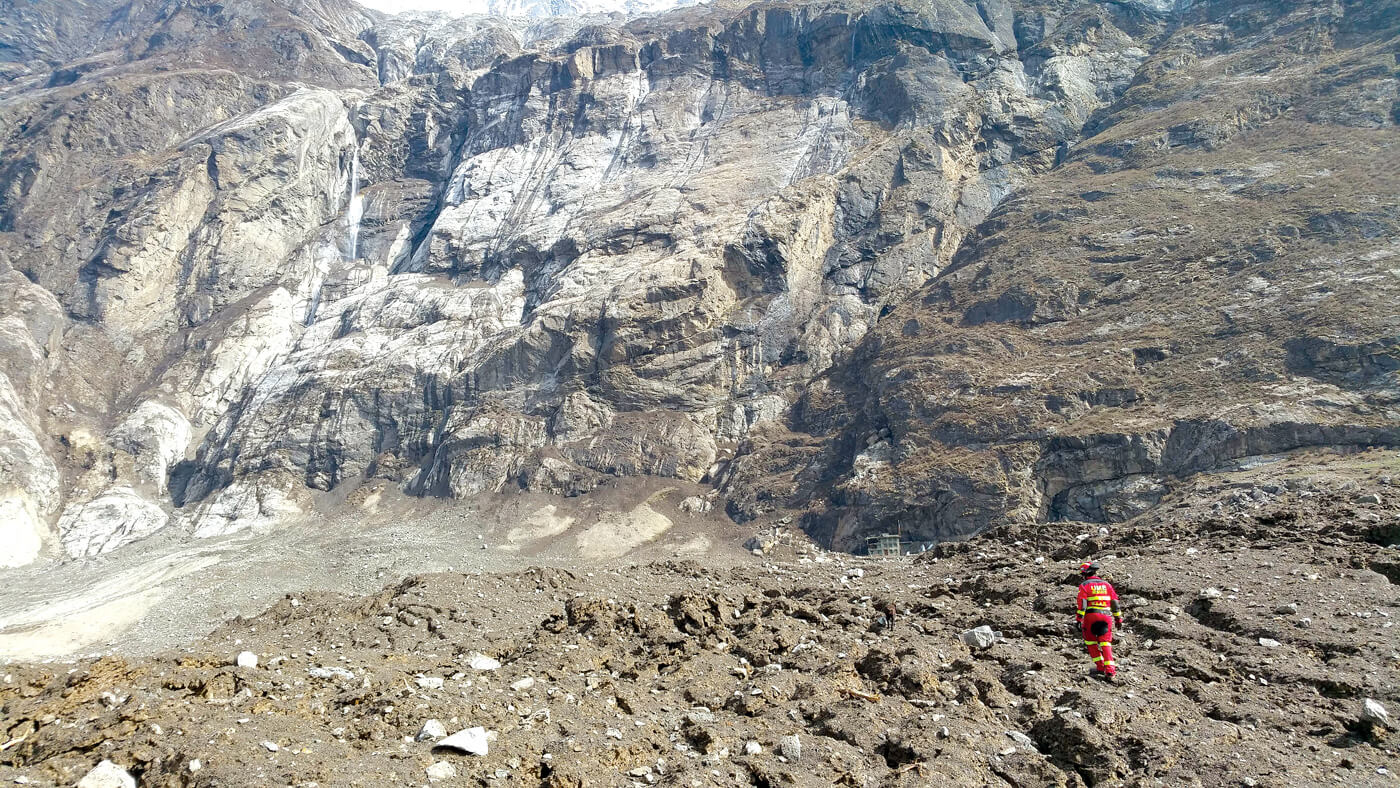
More than 200 people including villagers and trekkers were killed within seconds at almost exactly noon on 25 April 2015. The quake had triggered a massive avalanche that swept the Langtang Glacier onto the village below. Most people, their homes and livestock were blown away to the other side of the valley by the shock wave that preceded the falling ice and rocks.
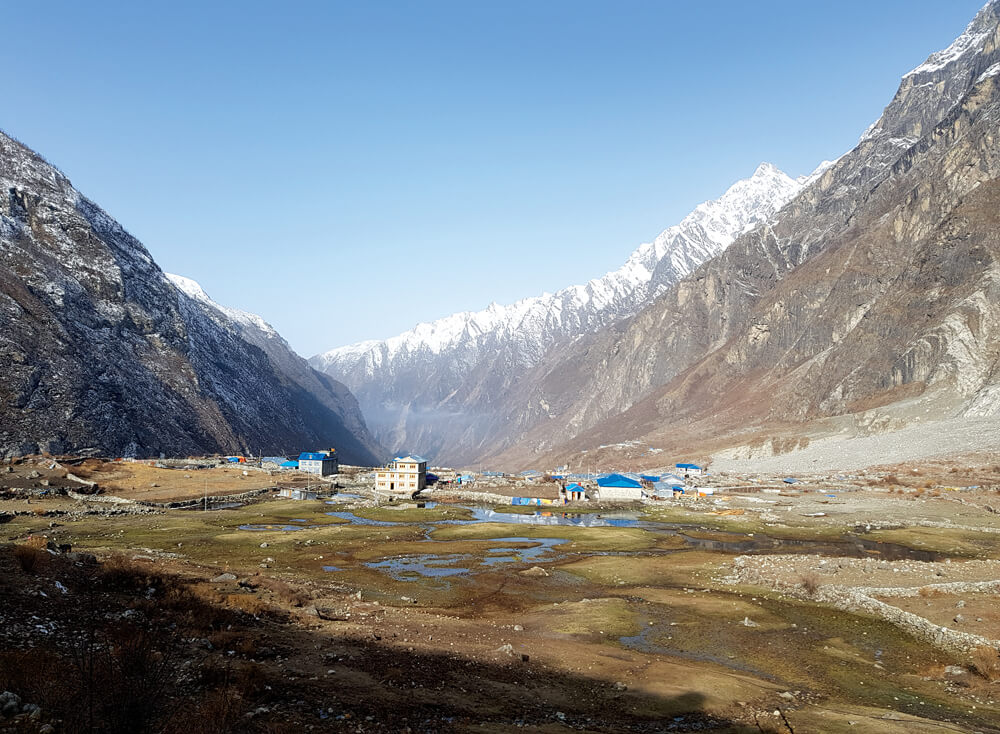
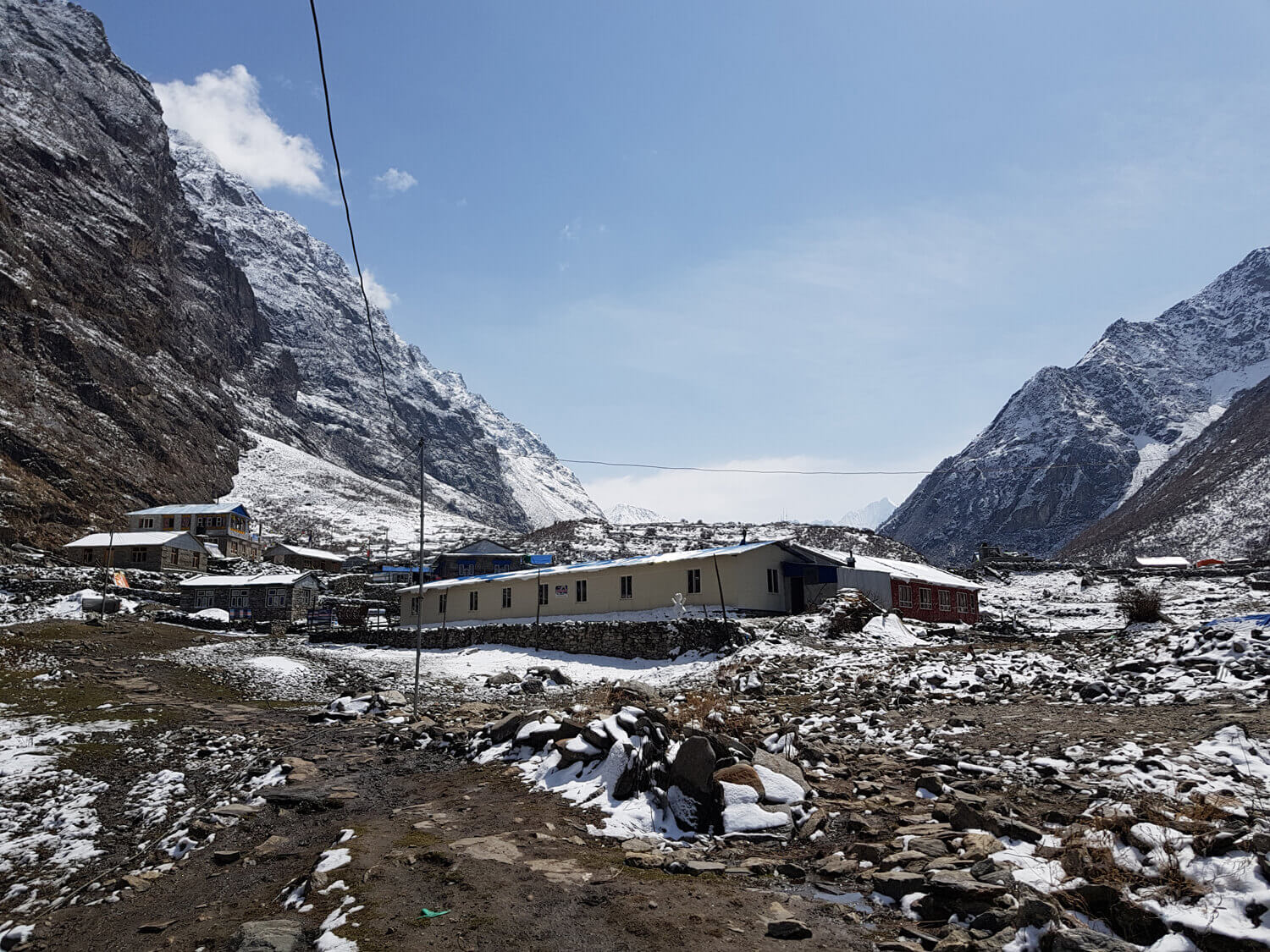
The village today lies buried under 100m of debris.
“I am certain that if I had been home, my family and I would not have survived,” says Sangbu in a subdued voice, “I don’t know if you can call it luck. I lost cousins and friends. But me and my children are still alive.”

Read Also: Past disasters foretold, Om Astha Rai
Three years later, there are signs that the people of Langtang are picking up the pieces and looking to the future once again. Many think they have been punished by the gods for being too materialistic, forgetting their dharma. The ghosts of those who perished seem to whisper in the afternoon wind sighing through the junipers, and among the fluttering prayer flags.
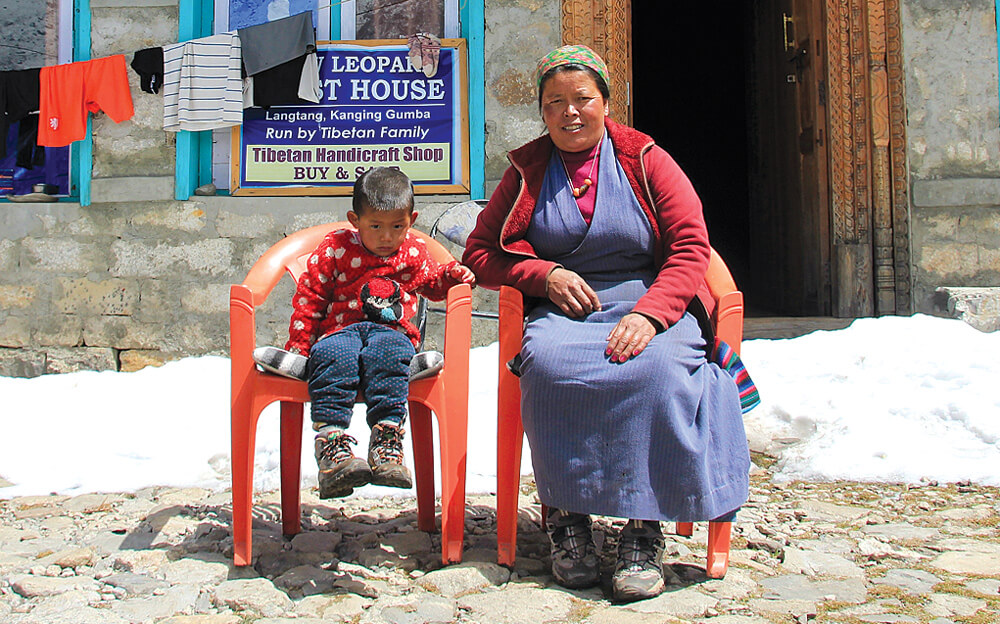
Like Sangbu, all survivors have stories of close calls. Some had gone up the valley to herd their yaks, others were visiting relatives in Kyanjin or Kathmandu. A few were miraculously spared when they ducked behind rocks just before the air blast blew away everything else. Everyone here has lost someone.
Read Also: Reconstruction and resilience, Guest Editorial
Last month, for the first time since 2015, the people of Langtang marked their new year. They seem to be ready to move on and build a new future in their beyul, holy valley.
Sangbu says: “This year we will try to forget the past and focus on our own lives. This new year is going to be a fresh start for us.”
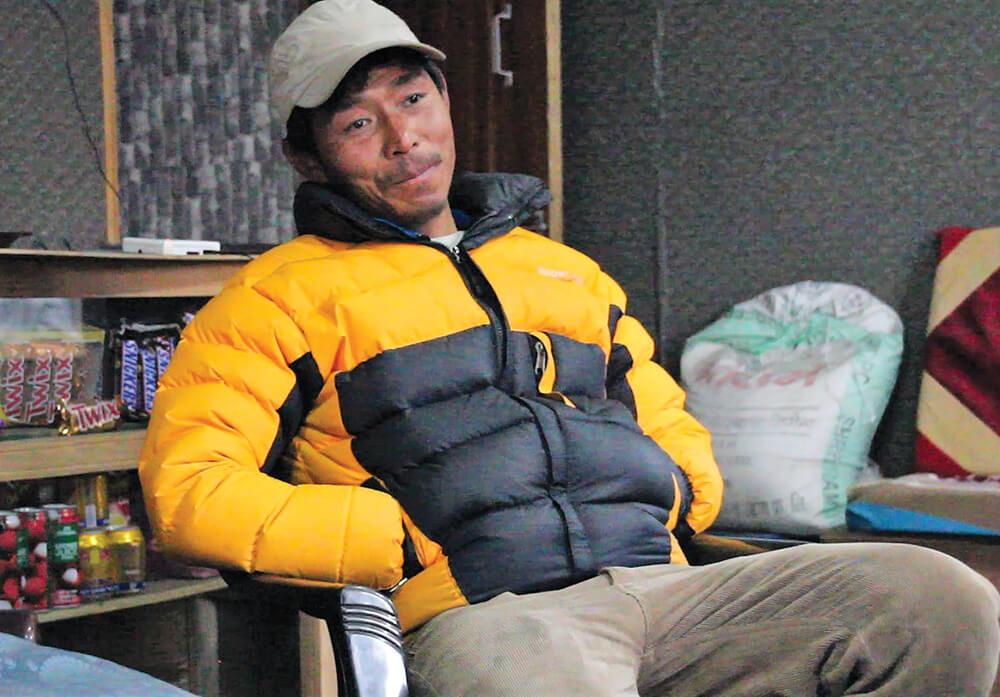
However, tourism hasn’t really picked up in the Langtang National Park after the earthquake despite an international plea to help Nepal recover by visiting the country. The trail has now been repaired, the tea houses along the trail are up and running, yet there are only about 30 trekkers per day this season, down from about 130 daily before the quake.
After the earthquake, many Langtang survivors were evacuated by helicopter to a monastery in Kathmandu. The families were trained in baking and hotel management so they could make a living from tourism when they got back. Many invested in rebuilding their lodges.
“I am too old to get new job training. I will have to keep working in the tourism business,” says Sangbu. Other families cannot even grow crops because their land was buried by the avalanche. Today, they are completely dependent on expensive supplies from outside.
Read Also: 1/3 empty or 2/3 full?, Nigel Fisher
Up the trail from Langtang is Kyanjin, which was not as badly affected, but even here everyone has a family member who was killed. Members of the Tamang family were hurt and brought to a hospital in Kathmandu, but today Karsom Tamang has recovered. Her two daughters are in school in Kathmandu and her son Thindup, who had broken both legs, is living in Kyanjin with her mother and aunt.