
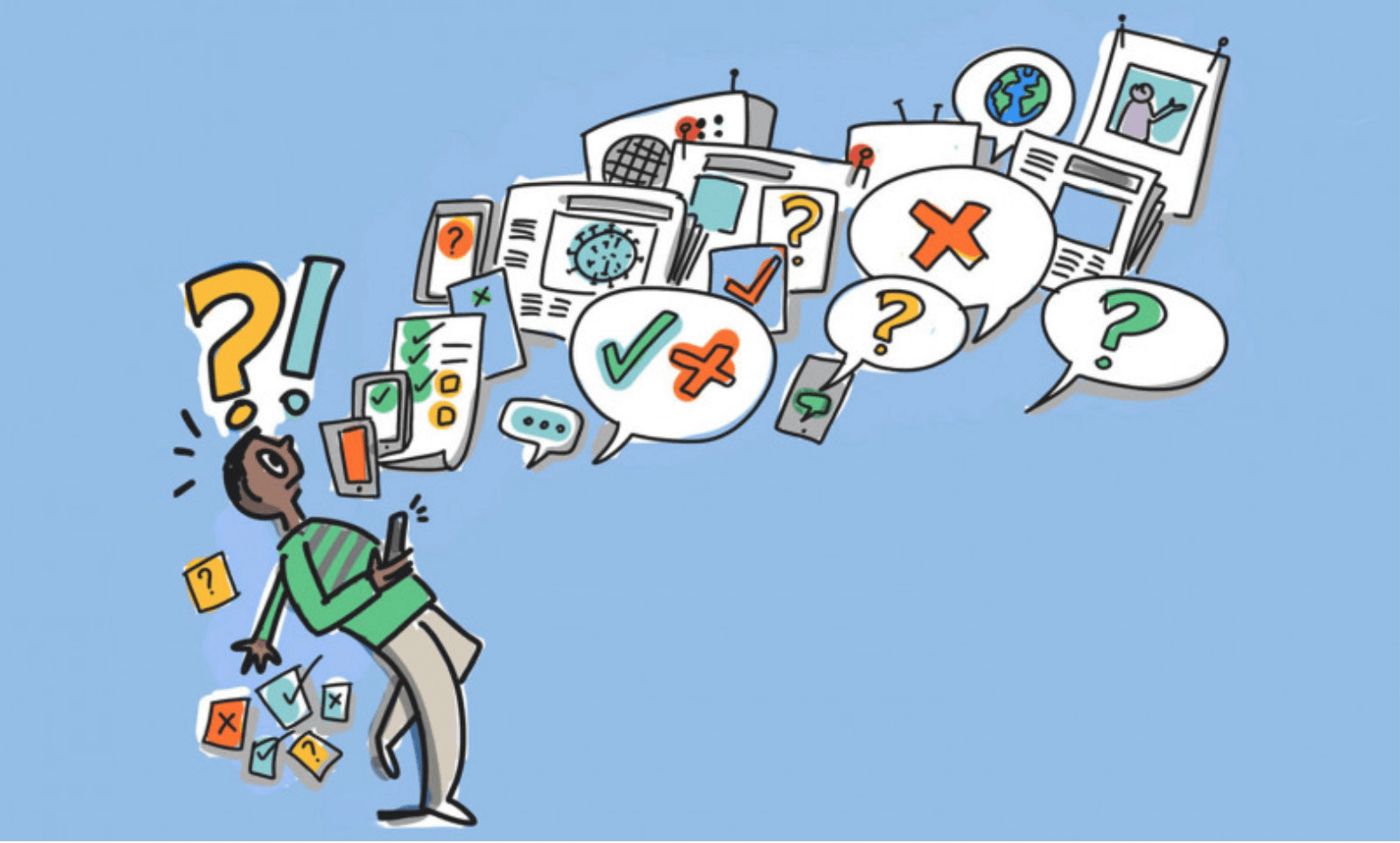
Bhabindra Ghimire was admitted to Teku Hospital when his oxygen levels dropped after testing positive for Covid-19 in April. With nothing to do in isolation, Ghimire took to Facebook to pass the time.
But his social media feed was inundated with news of people dying from the virus, photos of bodies being cremated, and posts paying tributes to loved ones lost to the contagion. Ghimire’s anxiety level rose, and his recovery suffered.
“The death notices pouring in on social media and the terrifying pictures of cremations were making me really anxious,” says Ghimire. “I tried and failed to stop myself from looking at my phone, and there were no friends or relatives allowed to visit. I started getting a panic attack, and was certain my days were also numbered.”
Ghimire did finally recover, but he has a word of advice to others who have tested positive, are in isolation at home or hospital: “I wished I had come across more stories about how patients were spending their time in isolation, and how people had overcome the disease. But such stories are few and far between.”
Till 17 May, Nepal had recorded 464,218 confirmed cases of Covid-19 from 2.7 million PCR tests, and 345,523 have recovered from the virus. With the number of dead crossing 5,000, the fatality rate among infected people is a little above 1.3%.
Of the active cases, 94% are in home isolation. And with almost all of Nepal under full or partial lockdown, social media has become a way to spend their time for not just people who are infected, but for most Nepalis as they stay indoors.
Recent surveys have shown that up to 96% have mobile phones, of which more than 60% are smartphones, and a quarter of all Nepalis say they use the Internet every day. Of those with smartphones, nearly 90% are on Facebook, and the number of Nepalis with Facebook accounts is now about 9 million.
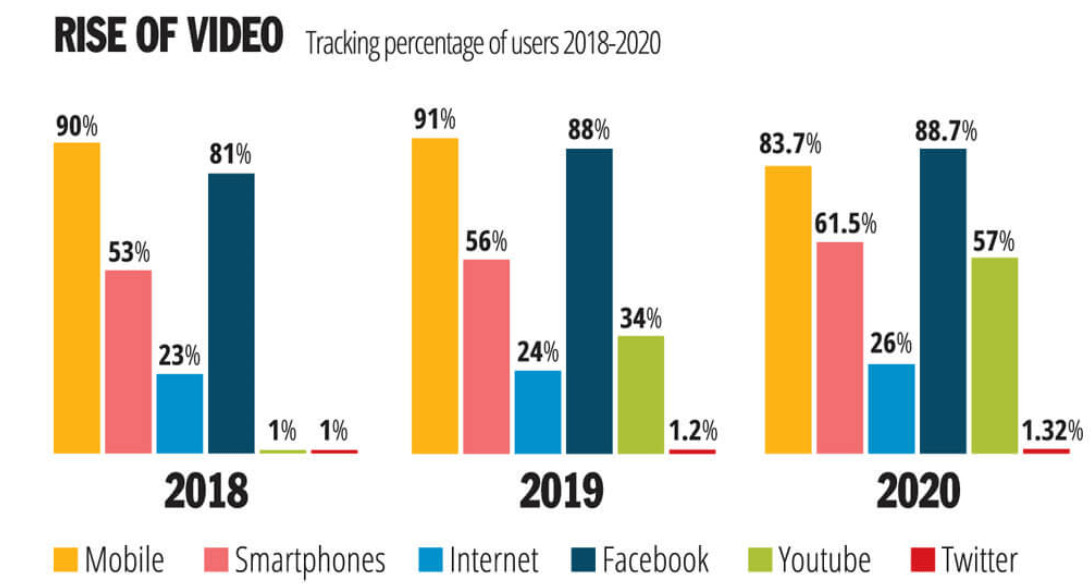
Mobile Nepal is hooked on YouTube, Kunda Dixit
Many Covid-19 patients interviewed for this report say that they have been adversely impacted by the overwhelmingly negative Covid-related content on mainstream and social media.
Indeed, psychologists and physicians have said that keeping a positive mental attitude is important in recovery, and they prescribe lowering the diet of media consumption. Covid-related content on social media is harmful not only to those infected but also to families, loved ones, and caretakers.
A woman taking care of her father and grandmother in Kathmandu who were hospitalised with Covid-19 used social media to occupy her time in hospital. However, the Covid-related posts shared on her timeline made her anxious and fearful.
“It is in our nature to be more drawn to negative news,” she says, “but when you find yourself in the middle of the very crisis everyone is talking about, you realise how harrowing it really is.”
Ramu Ghimire of Butwal has not been on social media since he tested positive for the virus, and has been seeking out positive content available on the internet. “Your first priority has to be your own recovery. Why pay attention to what is happening in the rest of the world?”