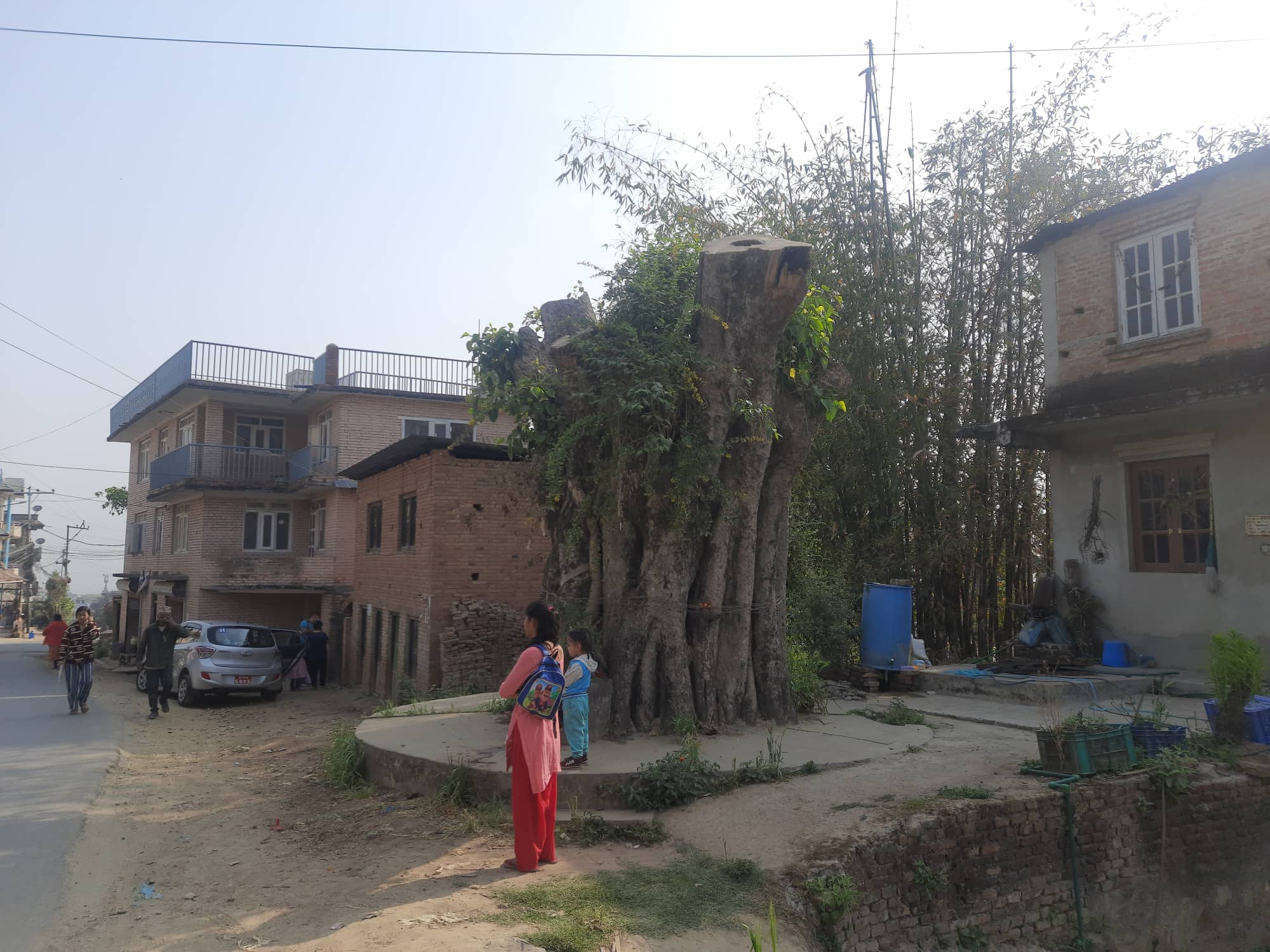
Konjyosom Rural Municpality is just 30km south of the Ring Road, but it might as well be the remotest village in the mountains of far-western Nepal.
Schools are dilapidated, the health post has no staff. Despite its proximity to the capital, Southern Lalitpur’s development indicators are much lower than the national average.
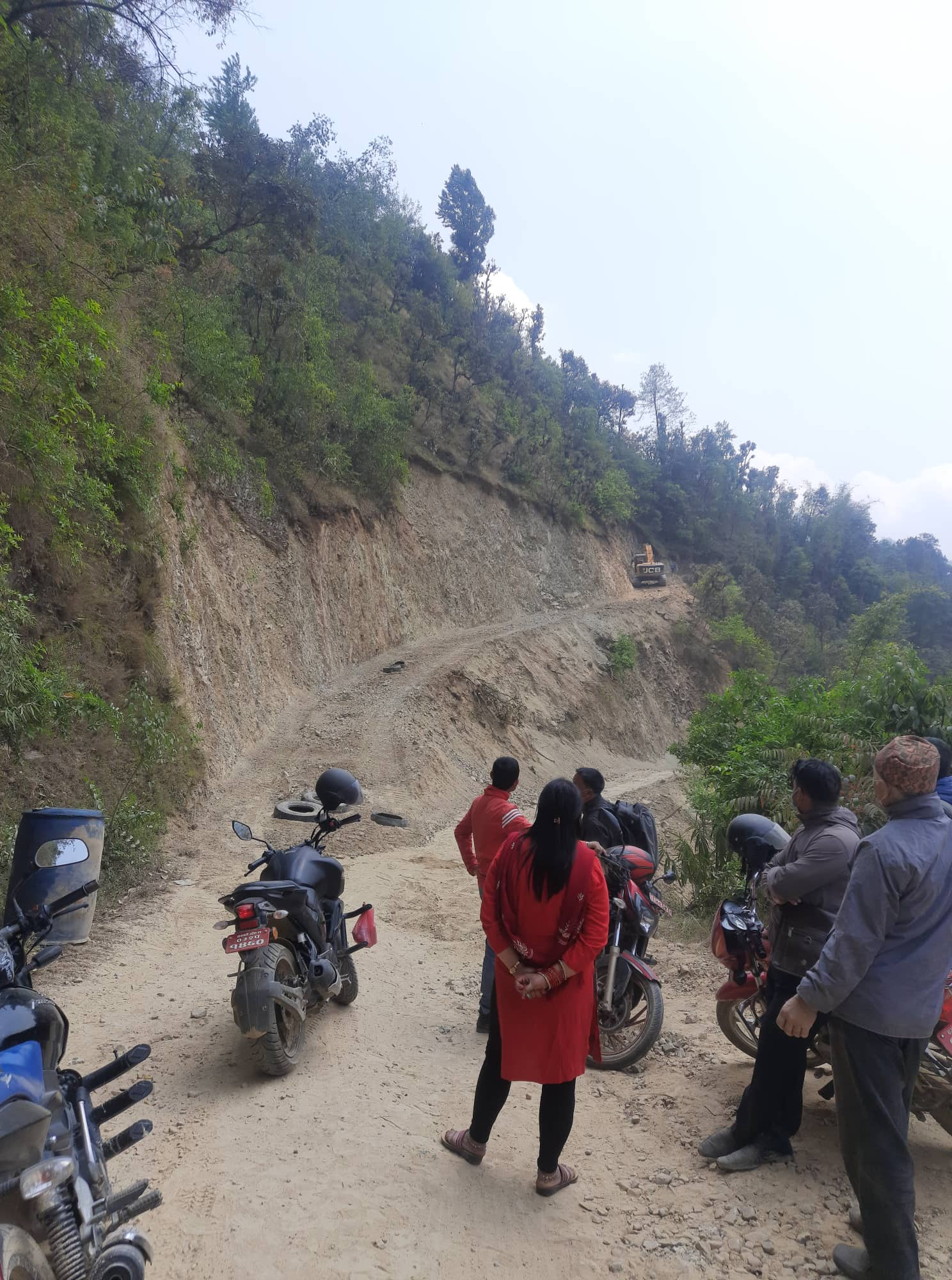
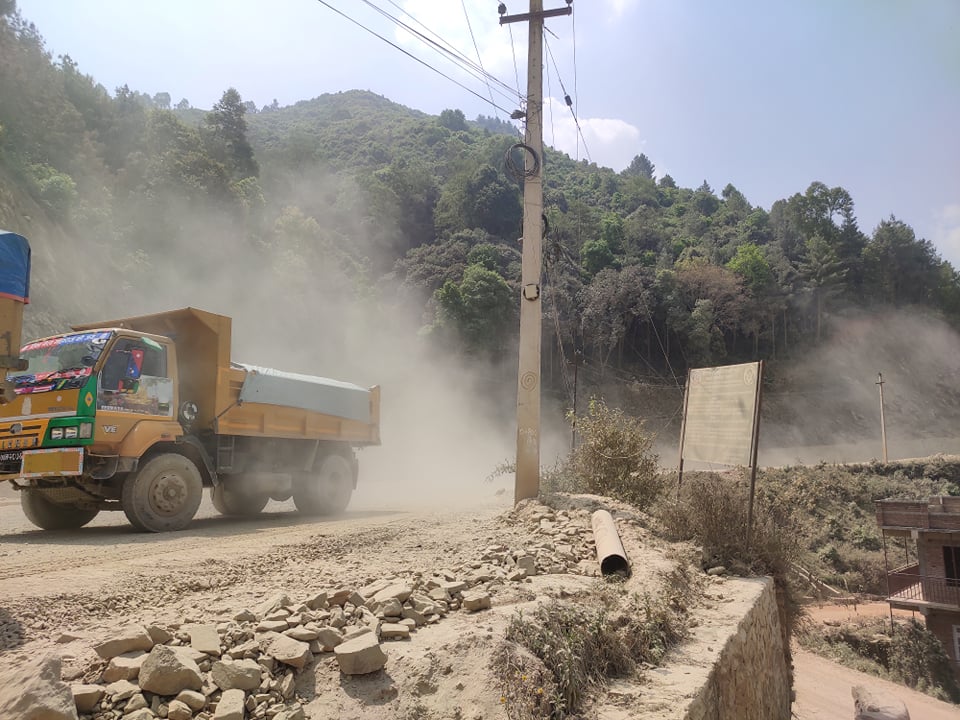
Jets fly overhead one after another on their final approach into Kathmandu airport, but here on the ground the road disappears in a pall of dust. In the rainy season the road is so muddy it is safer just to walk.
“We have a choice of breathing dust or being knee-deep in mud, it takes nearly four hours to reach the city,” says resident Pitambar Humagain, pointing out into the haze in the general direction of Kathmandu.
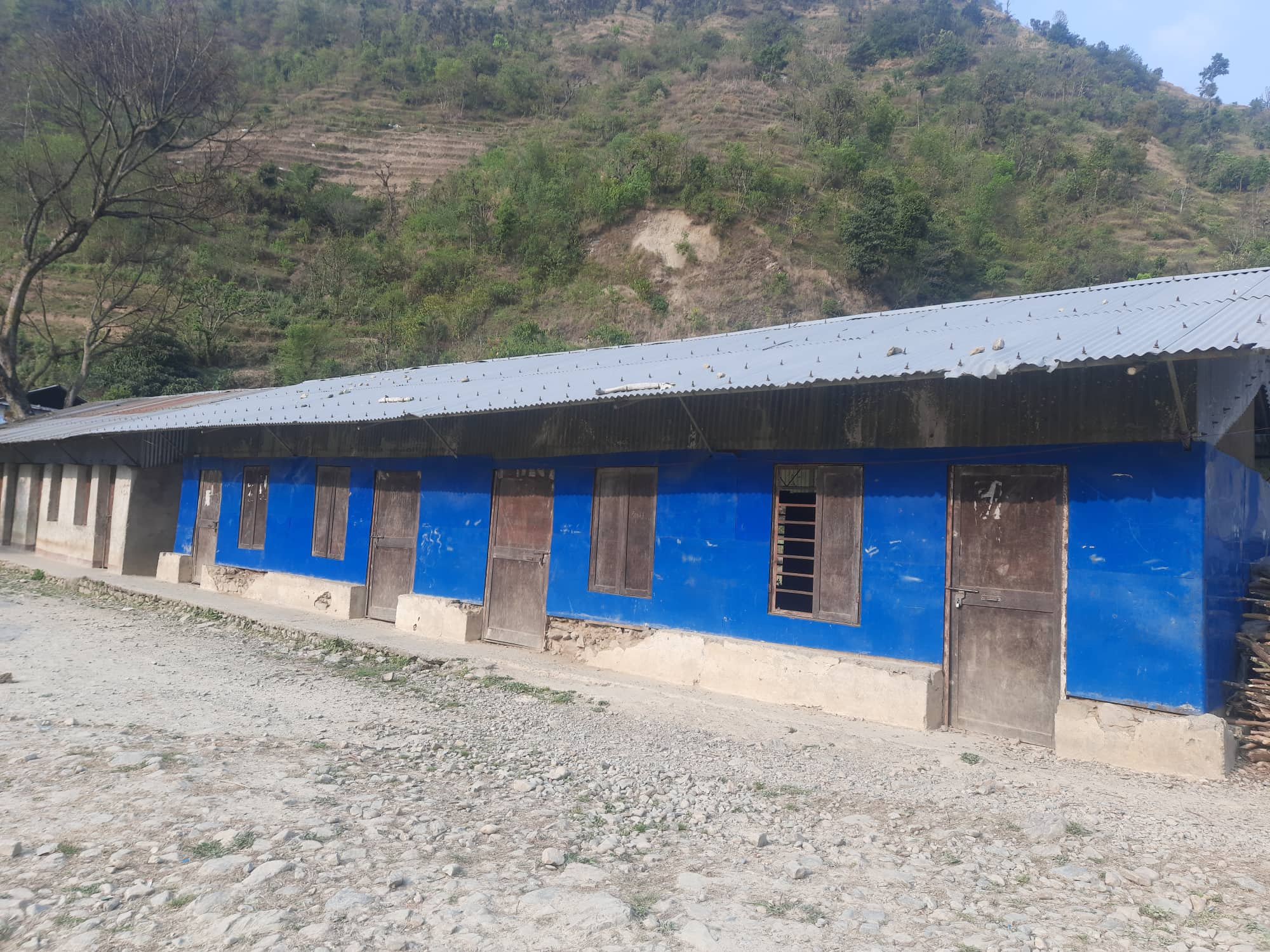
There is just one health post, but it has no doctor and no equipment. It has no patients either — they have to be carried to Patan Hospital for even minor ailments. Schools are in such a poor state that parents have migrated to the city so their children get a proper education.
The villages are emptying, more than 150 families from just Sankhu village have moved out in recent years, leaving locked up houses and fallow terrace fields.
“Life is so difficult, there are no jobs and we are not educated, so families are migrating out because they do not want their children to suffer the same fate,” says Manju Ghimire, weeding her maize patch.
Fifteen years ago, the only school in the village of Silinge had 65 students in a primary class. Now, there are barely 30 elementary school students and only two teachers.
Read also: Periphery within the periphery in Nepal, Kunda Dixit
“There is no future for the children here,” adds Silinge local Suresh Tamang “Elected officials have not shown any interest in the past five years to improve education and health facilities.”
Indeed, despite local elections being less than a month away, Konjyosom’s villagers do not have much hope that it will change anything. In fact the candidates for mayor and chairs are in the city, and are not even campaigning in their constituencies.
Since the 2017 election, the municipal council has built just one trail bridge, and the budget allocated to blacktop 14 km from Ikudol to Dahchok has vanished without trace.
Guruprasad Gautam of Bhatte Danda shakes his head in disgust: “Candidates buy their election tickets from the party leadership, and when elected they bulldoze the whole village to the ground.”
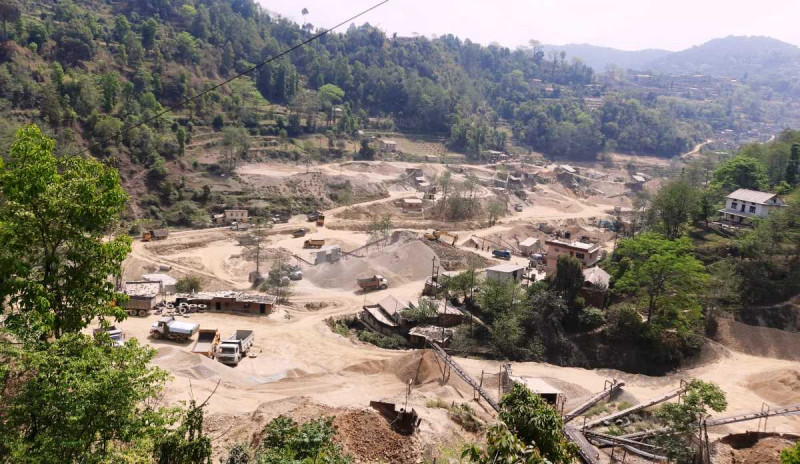
Indeed, the rural municipalities of southern Lalitpur have become notorious for elected businessmen who have awarded themselves quarry and sand-mining contracts, allowed mountains to be carved for housing colonies and built random roads that have scarred the slopes.
Rampant ‘plotting’ has destroyed the landscape of scenic Lele Valley and Godavari. Community forests have been privatised under the guise of ‘road expansion’. All this has disturbed drainage on the slopes, and springs have gone dry.
Read also: Nepal struggles to balance nature and industry, Ramesh Kumar
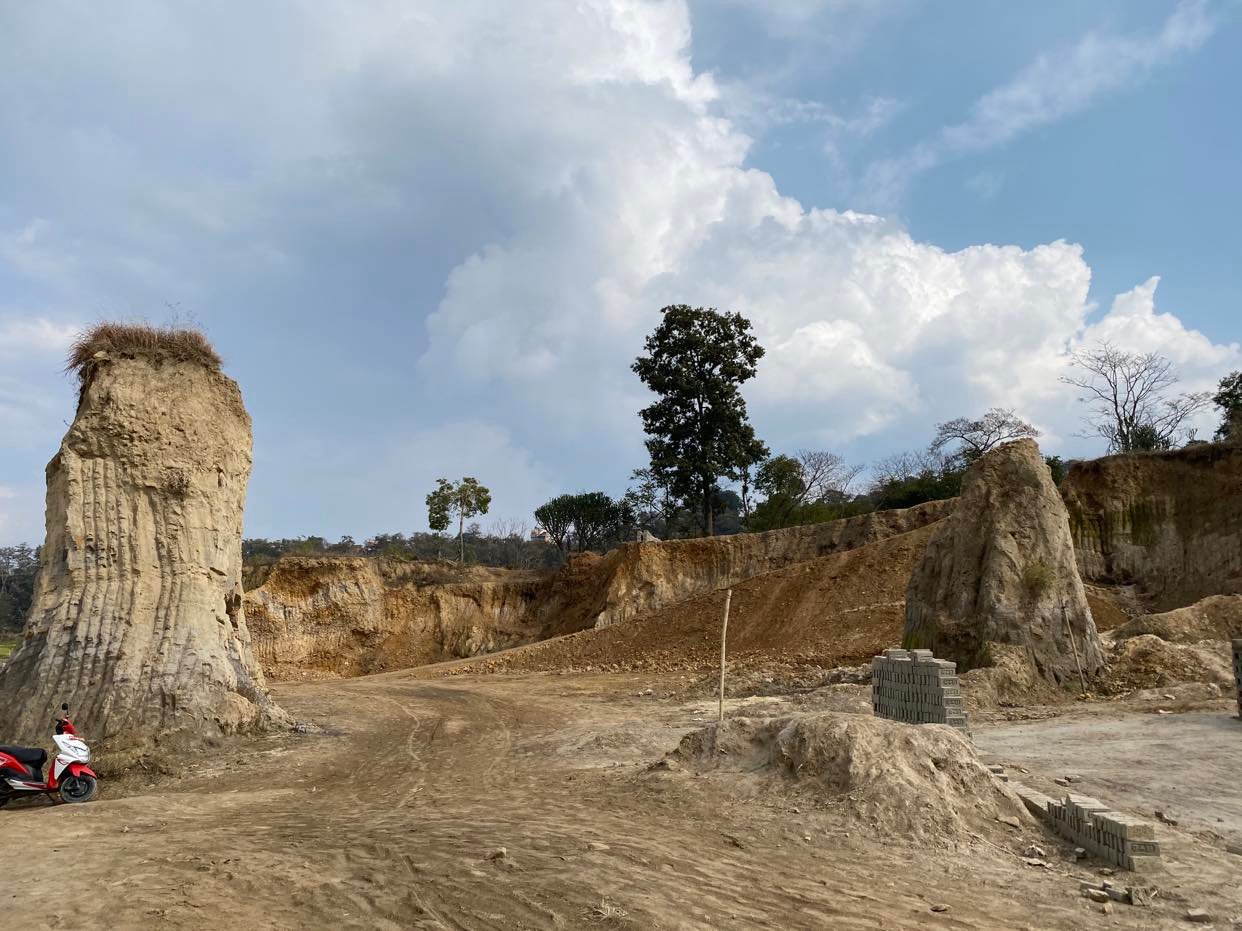
Illegal quarries in Godavari have increased the danger of landslides and worsened air quality. Locals whisper about the ‘sand mafia’ working in collusion with local officials.
“Local dons have so much influence they now have got permission to mine river boulders and their crushers have made our community unliveable,” complains Subhash Bista, holding a cloth to his face. “At this rate, southern Lalitpur will be buried in landslides.”
It is not just the rural outskirts of Lalitpur that have suffered in the past five years. The historic city of Patan itself is over-run with unplanned construction.
Read also: Nepal’s local election gives power back to people, Rabin Giri
Gone are the charms of the quaint alleys, and multi-story concrete buildings now block the sky. Some of Patan’s ancient stone spouts and monuments destroyed in the earthquake have been restored, but many ponds have been built over.
“There are no public parks for children, no open spaces and greenery at all,” says Kupondole resident Pradip Baidya. “There is only dust and traffic.”