Families enable ex-Gurkhas to continue global private security work
The martial history and reputation of Gurkhas is well known in Britain and Nepal. The public is aware of their unacknowledged contributions to local communities in Nepal, the broader political views of Gurkhas, and inter-generational dynamics that motivate young men to become Gurkhas.
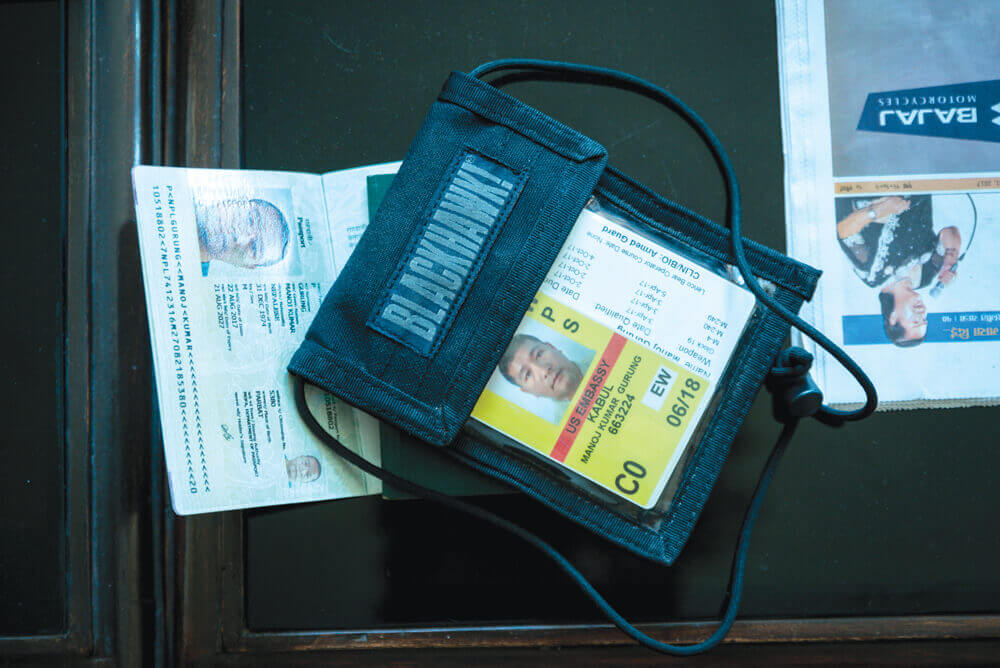
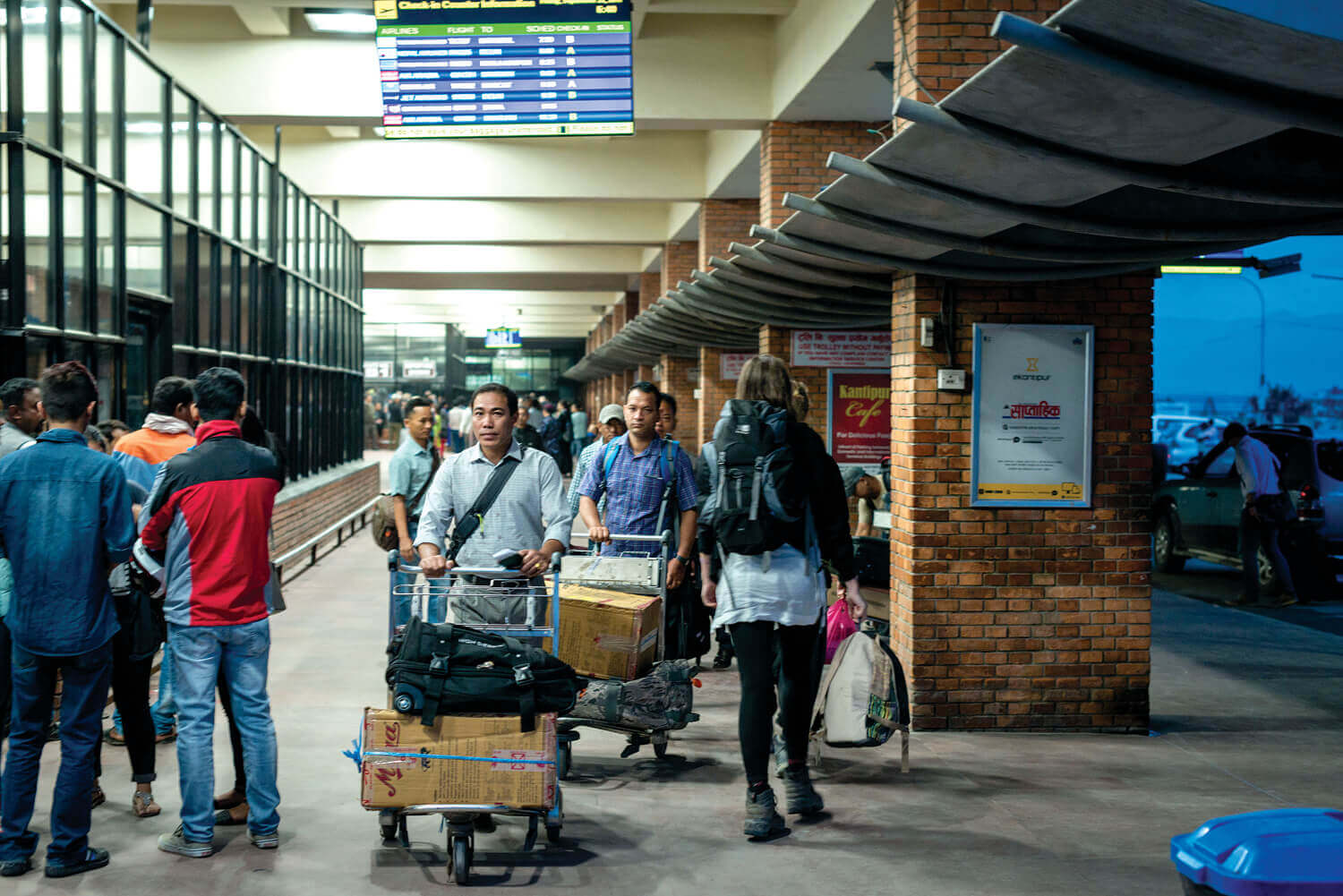
It is these very aspects of Gurkhas that make them so desirable for the global private security industry. Recently, with the British Gurkhas’ right to remain in the UK, Nepalis retired from the Indian Army have been moving from the military to private security contractors in Afghanistan and elsewhere.
Read also: Rebirth, Upasana Khadka
Yet, it is more than just the martial reputations that enables such a migration desirable and possible. To understand this type of migration, we need to also take into account the Gurkha household. Military scholars focusing on the US, Canadian and UK militaries have shown how families are called upon to support and sustain broader military objectives.
Gurkha families also take on the same necessary household work that enable broader global security deployments to take place. These include the necessary life sustaining work of cooking, cleaning and caring for both children and elderly parents and grandparents, but also the emotional and intellectual labour that reproduces security work as desirable, if not necessary.
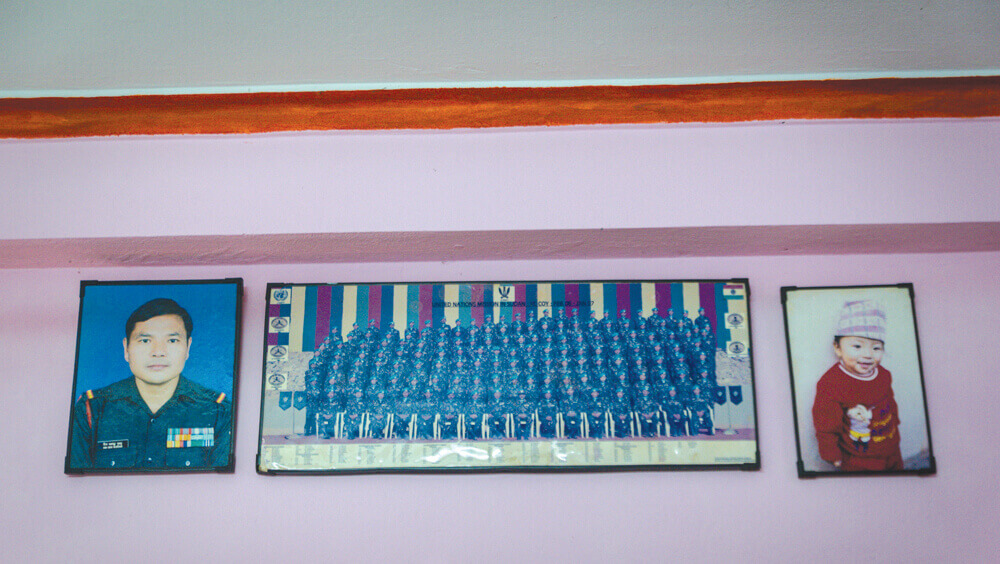
Gurkha households have for well over 200 years provided the necessary, yet largely unacknowledged, work of caring for the family and offering an emotional lifeline to Gurkhas when they are working abroad.
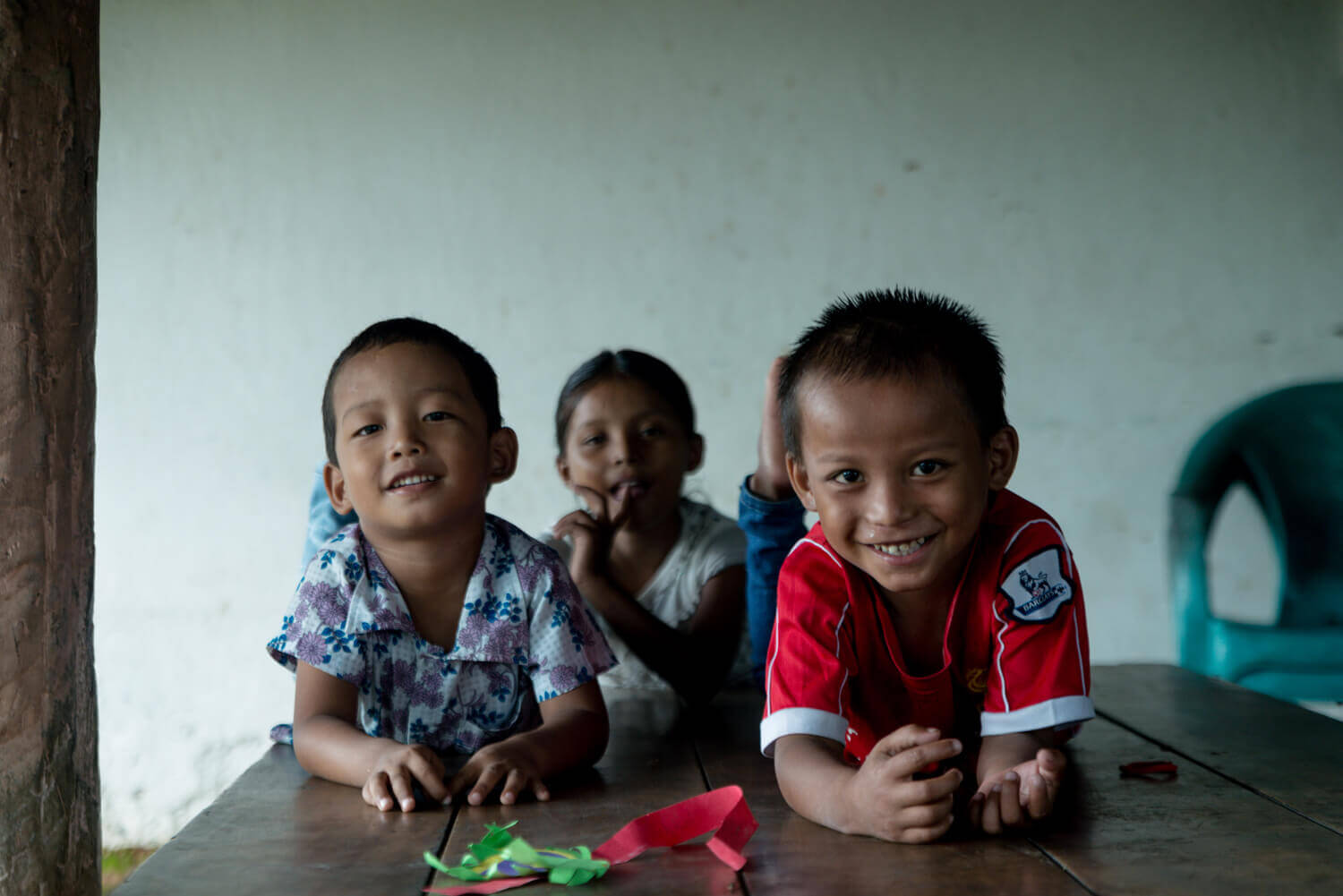
Taking care of the family back home is a fundamental part of what allows the security industry to function and sustain recruitment, even if the industry does not recognise this. The household enables security work to be desirable in the first place. Just as young boys are raised to believe that being a Gurkha is honourable and important, especially if you do not excel at formal education, young girls are raised to believe that being a wife of a Gurkha is a good life — and a good decision to make.
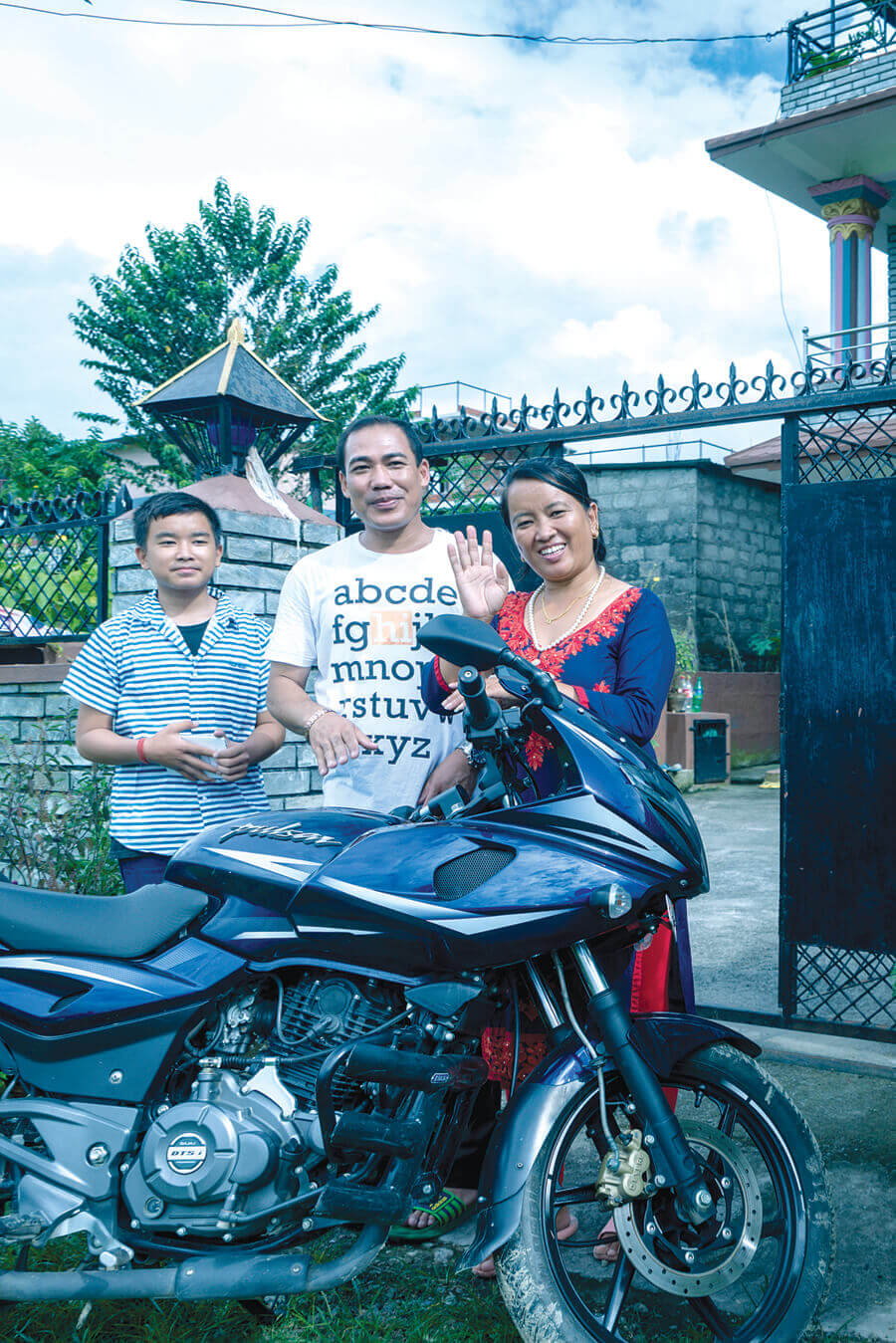
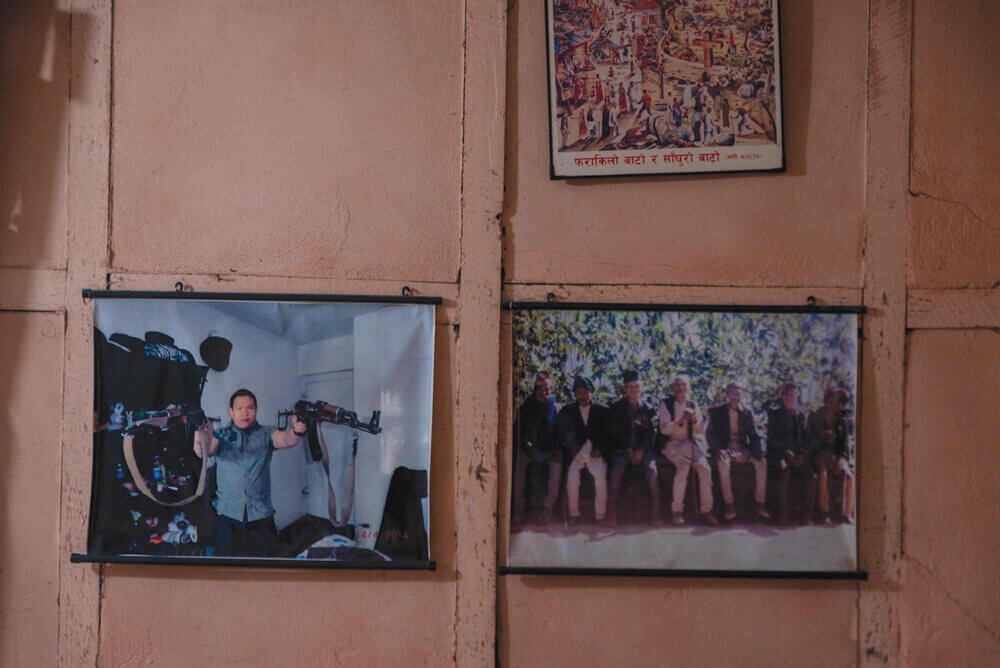
Young boys turn into young men who, with the encouragement of their families, invest emotionally, financially and physically into the dream of becoming a Gurkha. Young girls turn into young women who make career choices based on the ability to have flexible employment that might take them to the UK or enable them to be ‘good wives’ in Nepal. The social fabric of these communities is centred around foreign security work. The household is the physical space where youth who desire to be Gurkhas materialise.
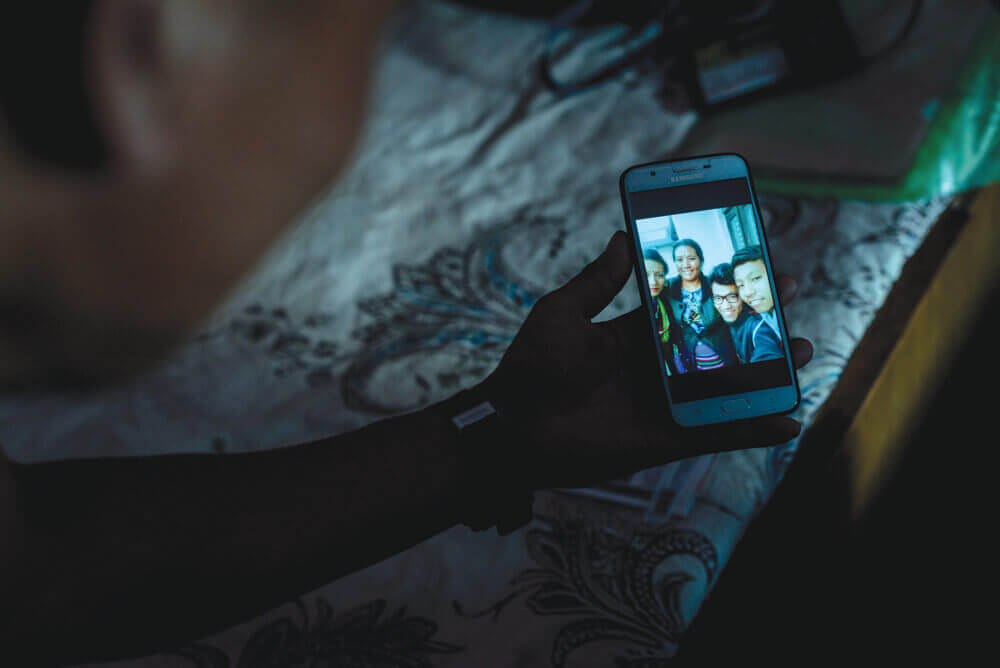
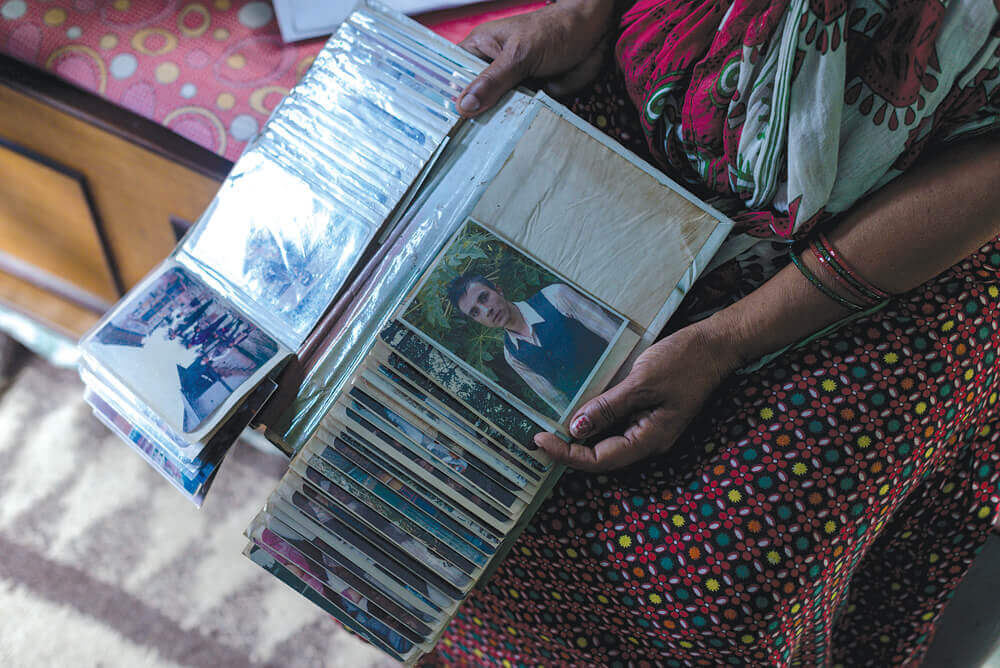
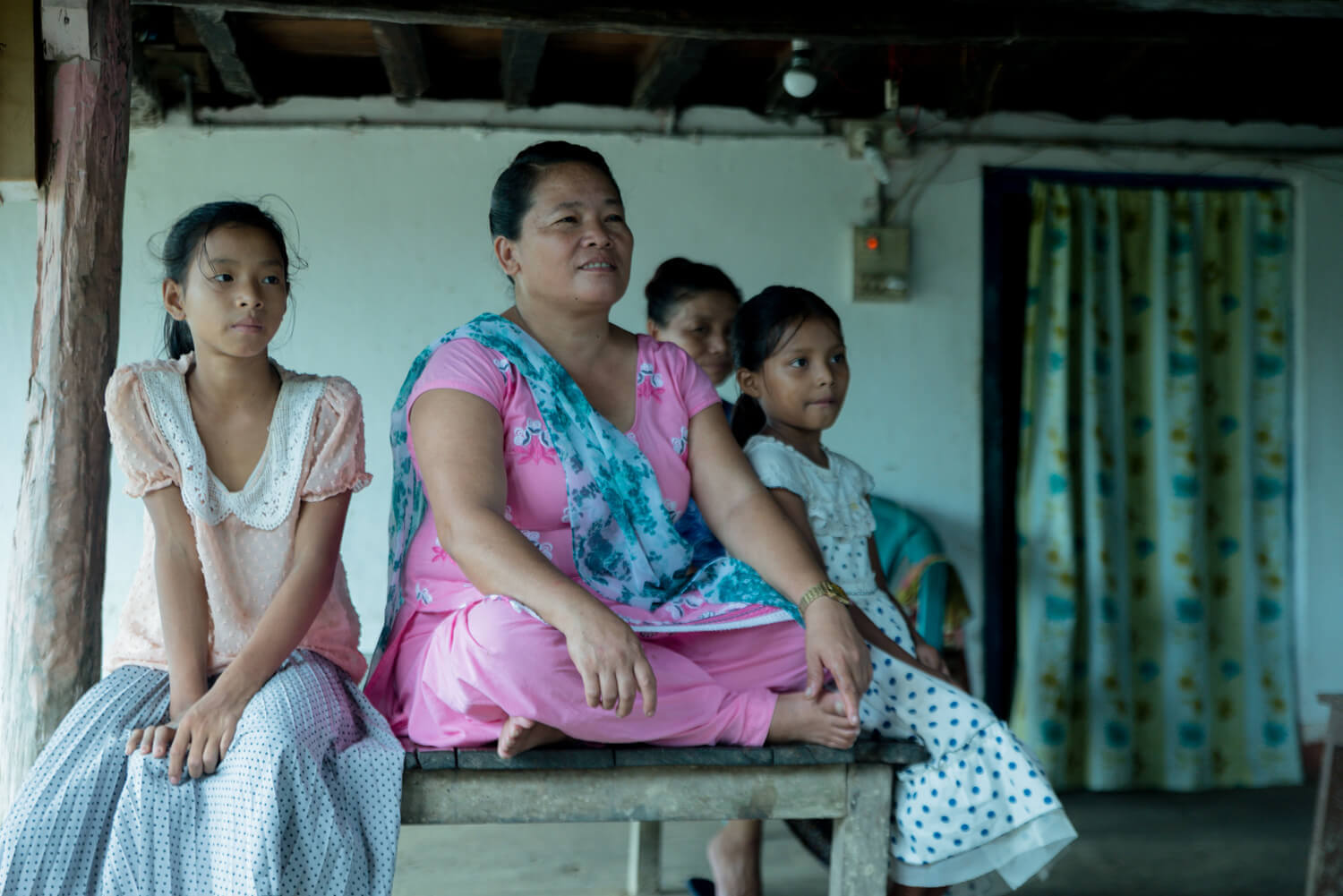
The household is also where the life sustaining labour that keeps families alive exists, providing recruits with important emotional wellbeing. This labour is largely performed by the wives, mothers and daughters in the Gurkha family. This involves ensuring basic needs are met but also that children learn to know and to love their absent Gurkha fathers. They learn that the work their father does, despite him not being physically present, is for their future. They ensure that the Gurkha father is included in the everyday of family life through social media, and encourage the children to maintain relations. Without this household labour, Gurkhas could not be away on foreign security employment for 12-24 months at a time and still maintain vital family obligations back home.