
If it was clear that the UML convention last month was actually the party’s first election rally, it is even more evident during this week’s Nepali Congress (NC) jamboree in Kathmandu.
In his opening remarks to the NC’s 14th general convention, party leader and Prime Minister Sher Bahadur Deuba had urged delegates to bury differences and focus on the 2023 elections.
His predecessor K P Oli had said the same thing two weeks ago in Chitwan, directing UML cadre to mobilise for a majority in local and federal polls.
At its own convention last week, the Rastriya Prajatantra Party (RPP) positioned itself by pushing an anti-secular, monarchist electoral platform, and overhauled its leadership by electing Rajendra Lingden.
Pushpa Kamal Dahal’s CPN (Maoist Center), the third-largest party in Parliament and NC’s coalition partner, is set to hold its own national conference next month with full focus on elections.
All four parties are using publicity surrounding their conventions to jump-start their party machinery for 2023. It is as if they have suddenly woken up from slumber, and party infighting that had sapped morale.
For the past three years, the UML and Maoist Centre were too preoccupied with their internal power struggles to pay attention to what voters might think. The NC was not even playing opposition politics. And the Covid crisis gave everyone the excuse to do nothing.
That is why the conventions have been a way to energise the parties, galvanise voters, make up for lost time so parties can throw campaigning into high gear during 2022.
“The conventions were mini elections,” admits the UML’s Krishna Pokhrel. “They were rehearsals for the real thing, and allowed the parties to streamline themselves for the election.”
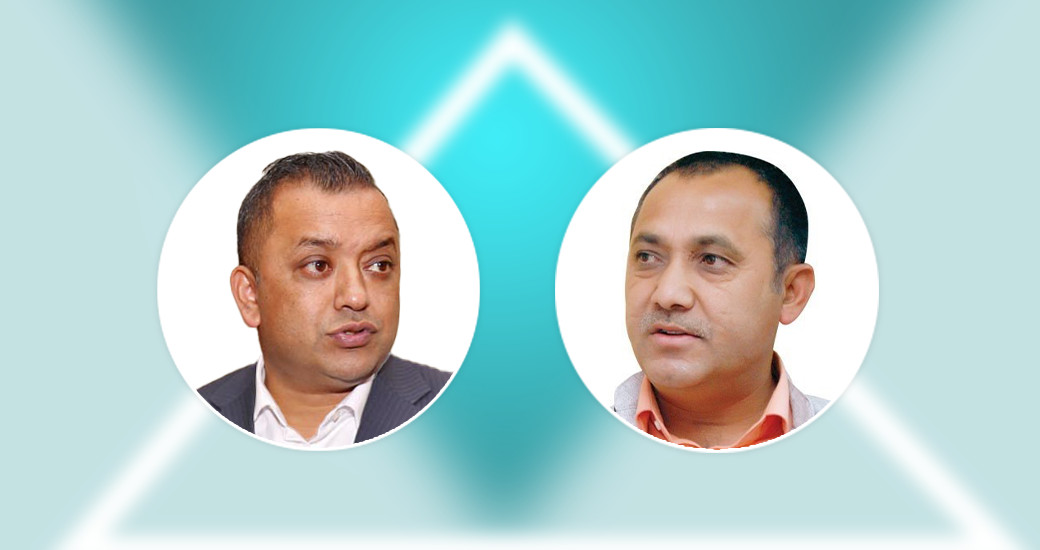
On Thursday, Gagan Thapa and Bishwa Prakash Sharma were elected general secretaries of Nepali Congress. This is proof that younger leaders at climbing up the party ladder. Neither are from Deuba’s camp in the party elections.