Travel restrictions and the economic fallout of the global pandemic in countries that employ migrant workers have hit labour recruiters in Nepal hard.
Although the plight of migrant workers gets a lot of media attention and recruitment agencies get blamed much of the time, the truth remains: Nepal’s labour migration industry rests on the shoulders of these very recruiters.
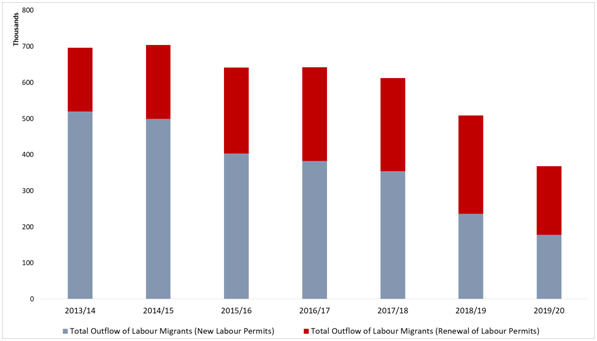
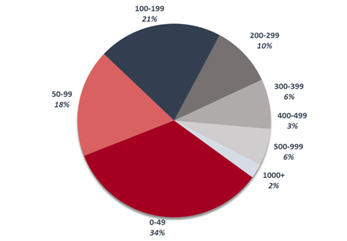
Labour recruiters have been responsible for 88-92% of Nepali workers mobilised annually since 2015. With their business plummeting because of the COVID-19 (see chart), they have been putting pressure on the government to scrap rules that regulate the industry.
Last week, the Cabinet waived the legal requirement for recruiters to have mobilised at least 100 workers annually in the last two years to be eligible for license renewal. While this number does not seem high, the placement patterns suggest otherwise.
In 2018/19, over half the recruiters deployed less than 100 workers, and the numbers are even lower this year with the pandemic. According to Kumar Dahal, Director of Department of Foreign Employment, the licenses of 536 of the 854 registered recruiters would have been scrapped had the waiver not been given.
Recruitment agencies have other demands, including use of escrow deposits of a minimum of Rs5 million in cash and Rs15 million in bank guarantees for companies mobilising up to 3,000 workers. The government dips into this deposit in case workers need compensation, either because of the fraudulent activities that recruiters themselves or the foreign employers engage in.
“They should at least let us use the cash deposit temporarily,” says Saroj Pokhrel, a labour recruiter. “The government would still have our bank guarantee to rely on in case of fraudulent activities.”
Recruiters also want the free-visa-free-ticket policy scrapped, arguing that it affects their competitiveness in the international market. Instead, they want to be allowed to be charged a month’s salary as fee.
Pokhrel says that being allowed to charge a month’s salary like the Philippines will give firms an incentive to look for higher paying jobs, and the government can increase its tax revenue. However, both the free-visa-free-ticket policy or a cap on a month’s wage are moot because the actual cost paid by workers is significantly higher, the consequences of which is being borne by thousands of workers now.
There is a need to go beyond principle-based discussions on zero-cost recruitment. The experience of Ethics Practitioners Association of Nepal (EPAN), an umbrella organisation of recruiters determined to carry out ethical recruitment that includes zero costs to workers, is telling. In the last few years, the organisation has mobilised zero workers.
Rajendra Khadka of EPAN explains: “We have not been able to attract a single ethical employer. We are gaining recognition internationally, but it is still difficult to earn the trust of employers engaged in ethical recruitment which are generally multinational companies and brands. Even workers themselves do not trust us, as they associate recruitment costs to the quality of jobs.”
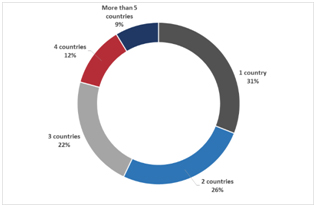
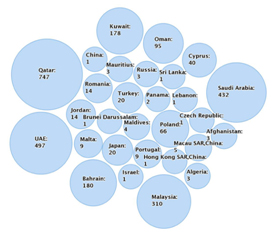
Recruiters are embroiled in fierce, unhealthy competition among themselves as they vie for the limited jobs in common destinations, with majority focusing on just a few countries. Even though they are legally allowed to supply workers to 110 countries, Nepali recruiters sent workers to just 28 countries last year, with the majority to just one or two countries (See Chart).
For example, over 747 recruiters deployed workers to Qatar in 2018/19 and very few outside the Gulf and Malaysia. (See chart) This over-concentration in a few countries intensifies competition as recruiters tend to outbid one another while fetching job offers, and many even pay employers or foreign recruiters for job offers. Desperate Nepalis are willing to pay exorbitant fees, and this distorted arrangement works well for recruiters.