

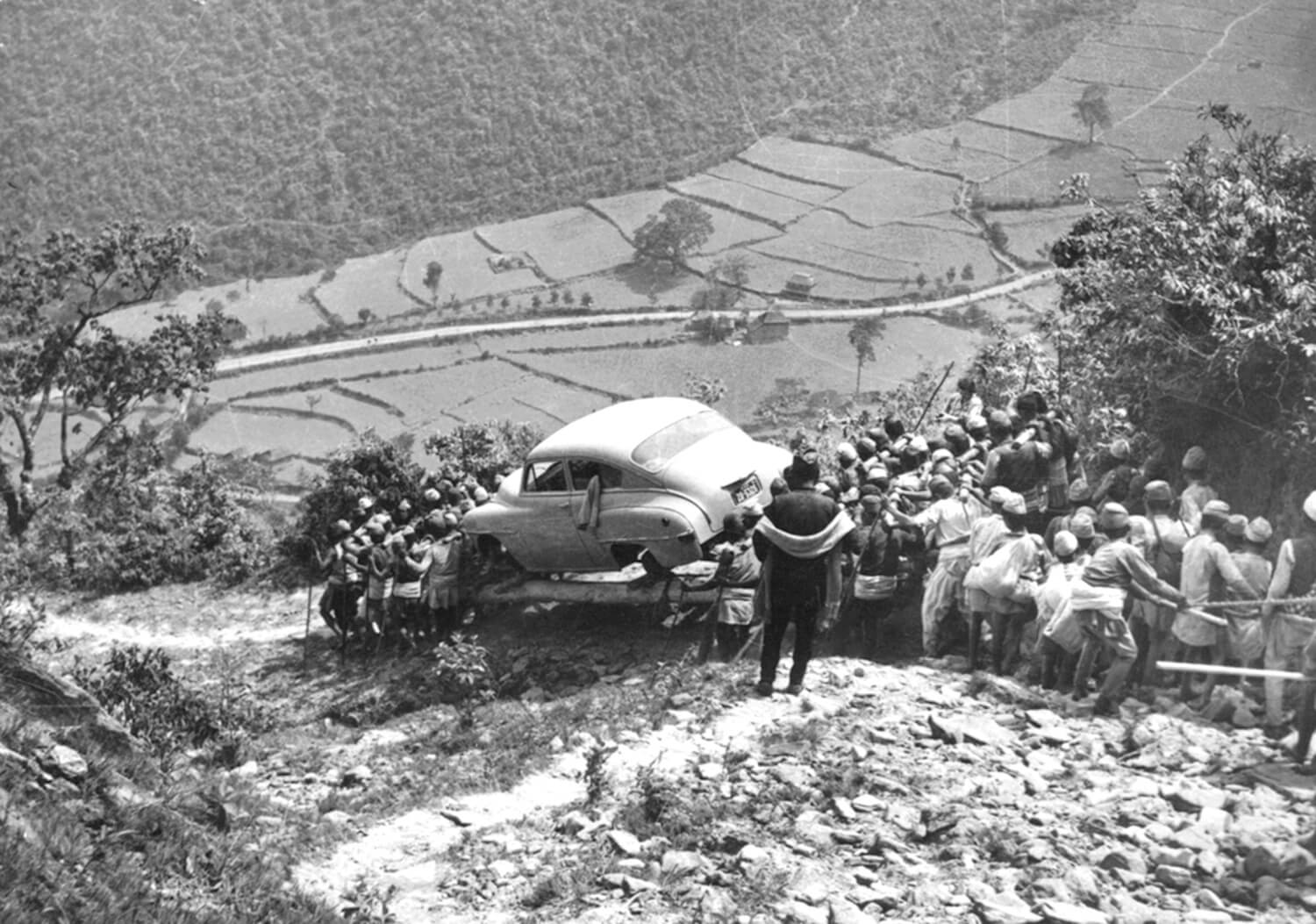
Nepal’s development dilemma has always been that we have got things backwards. Cars were carried over the mountain passes on porter back to Kathmandu before it even had roads.
The people of Pokhara saw aircrafts before they saw automobiles. We set up a university before we built a network of schools. We make plans to distribute wealth before we have found ways to create wealth.
That is perhaps why Nepal’s rulers and politicians are great with populist slogans, but not so great on delivering them. And the media reports unquestioningly on these grandiose plans. King Birendra’s Panchayat Era goal was for Nepal to reach the ‘Asian Standards’ by 2000. We boasted of Nepal’s 83,000 MW hydropower potential over candles and kerosene lamps.
Read also: Can Nepal be the powerhouse of Asia?, Anil Chitrakar
There was nothing wrong with the slogans, what was missing was the homework, the technical expertise, managerial skills and a real understanding of the market. Today Nepal has many of these ingredients for success in place.
The recent financial closure of the Upper Trishuli Hydroelectric Project hopefully sends out the message that it takes nine domestic and international agencies to work together to build a 200+ MW hydropower plant. Unless we show real growth in the domestic and regional markets, no one will invest, and if no one invests, we cannot open up new energy markets. Both have to be managed like two side of the same coin.
The energy sector is highly compartmentalized -- there are too many agencies that take too long to analyse projects and provide necessary approvals. Nepal’s energy system from idea to market is in the hands of too many people. We need to complete each part of the process, but much more efficiently.
We require a level playing field to scale up the production of affordable and clean hydropower, and the Nepali state needs to step up to use our tax money to absorb many of the costs that have been unfairly piled up on every unit of power generated.
Access roads to potential sites, the evacuation of the generated power and distribution to demand centres are the obvious costs. There are the unjustified costs of building schools, health post, mitigating environmental impacts as well as ‘donations’ to all the ‘gold earring wearing’ political cadre in the locality.