It was 8 December 2002, and my documentary जोगीमाराका ज्युँदाहरु (The Living of Jogimara) was being screened at the Kathmandu International Mountain Film Festival (KIMFF 2002).
The hall at the Russian Cultural Centre in Kathmandu was packed, and the audience had overflowed into the aisles. As director, I should have been sitting on the front row. But I had another job that day: to stand next to the projectionist and at exactly 10 minutes 47 seconds, mute the film for 20 seconds.
As directed by the military censors, this was to prevent the audience from hearing the narration: ‘A few days after the Mangalsen attack, the army arrived at the airfield and opened fire. Thirty-five people were shot dead. Among them were two children, labourers from other parts of Nepal, including 17 young men from Jogimara.’
As a film-maker I had never been trained to mute the sound track during a public screening. My eyes were glued not on the screen but on the digital time counter on the VHS player.
A year earlier, the Maoists had broken off peace talks and conducted simultaneous raids on army bases across the country. The government declared an emergency, and for the first time mobilised the Royal Nepal Army against the Maoists. Till then it was the police that was fighting the rebels.
Today, we know from many countries that crackdowns on the free press in elected democracies can be more draconian than in authoritarian regimes. Twenty years ago, I faced proof of it in that dark auditorium.
I was then with the Centre for Investigative Journalism Nepal (CIJ). Freed from day-to-day journalism, the job allowed me to look at the conflict in perspective, put the daily death tolls into context, and examine the human side of the war, and its impact on ordinary people.
I was following the Kotbada massacre in Kalikot. News reports were sketchy and contradictory. State media said ‘many terrorists’ had been killed at the under-construction airfield. Another news item buried in the inside pages said that among the ‘terrorists’ were 17 men from Jogimara in Dhading district. An RSS report quoted MPs Prem Bahadur Singh from Kalikot and Rajendra Pandey from Dhading as informing the house that the dead were labourers constructing the airfield.
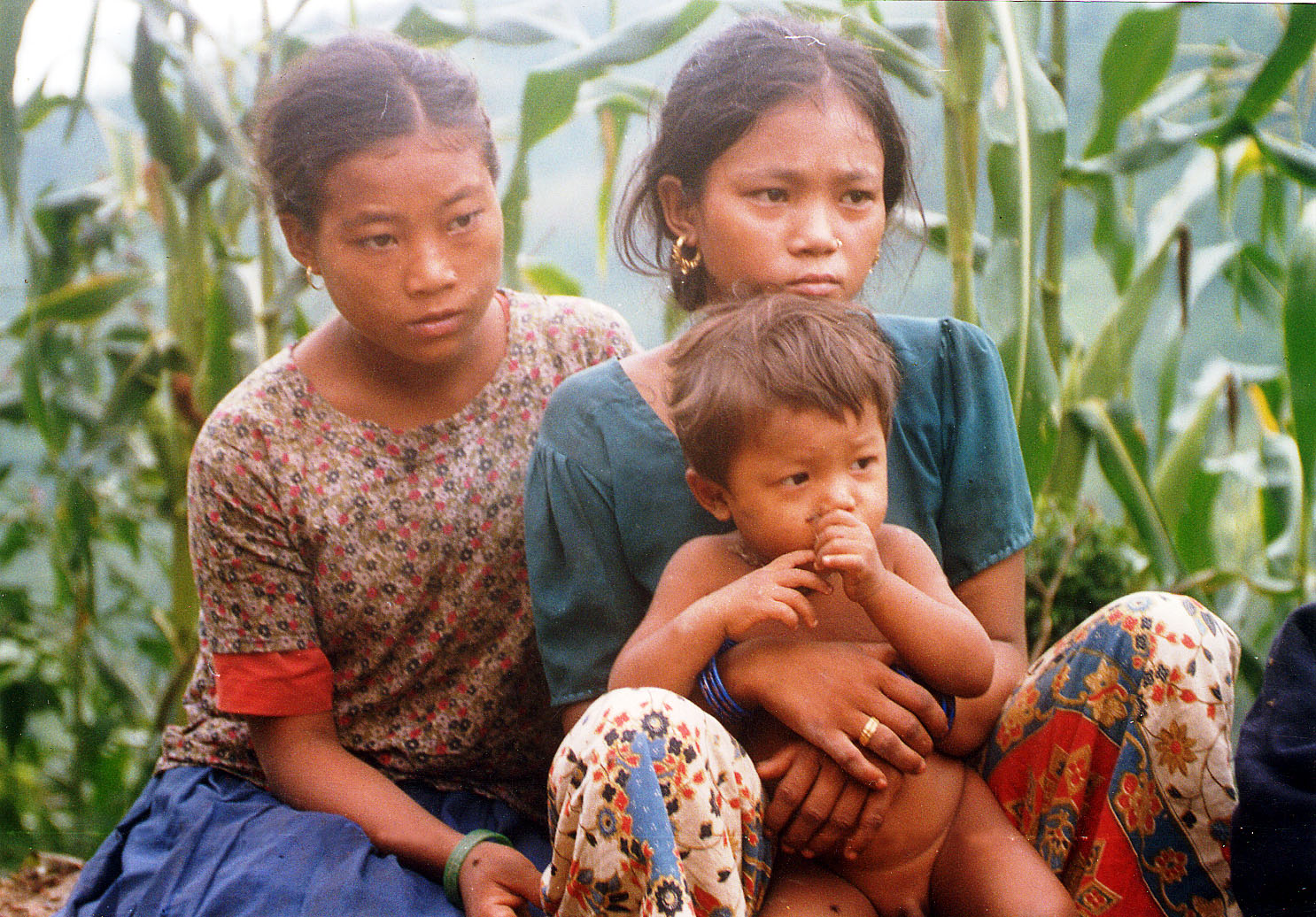
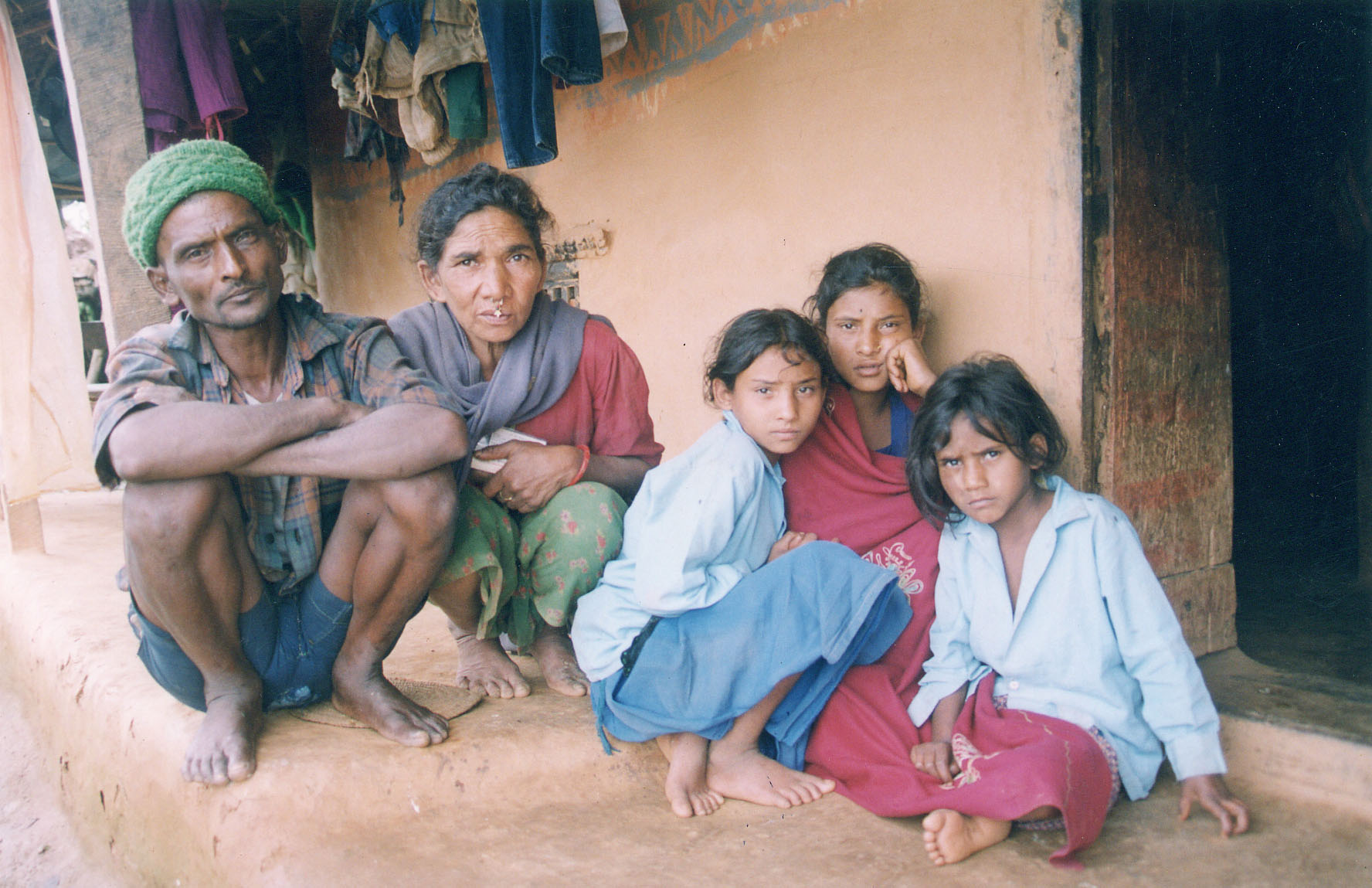
My journalist antennae perked up. I heard from reporter Bhupraj Khadka that a family in Jogimara had conducted a funeral of one of the dead even though it had not received his body from the Army.
As a film-maker, I felt this could be a way to portray the cruelty and senselessness of war. But there was an insurgency going on, and filming would be difficult and costly. I approached renowned documentary maker Dhruba Basnet, who had made the film रक्ताम्मे गराहरू (Blood-soaked Terraces) and we had worked together in many parts of Nepal.
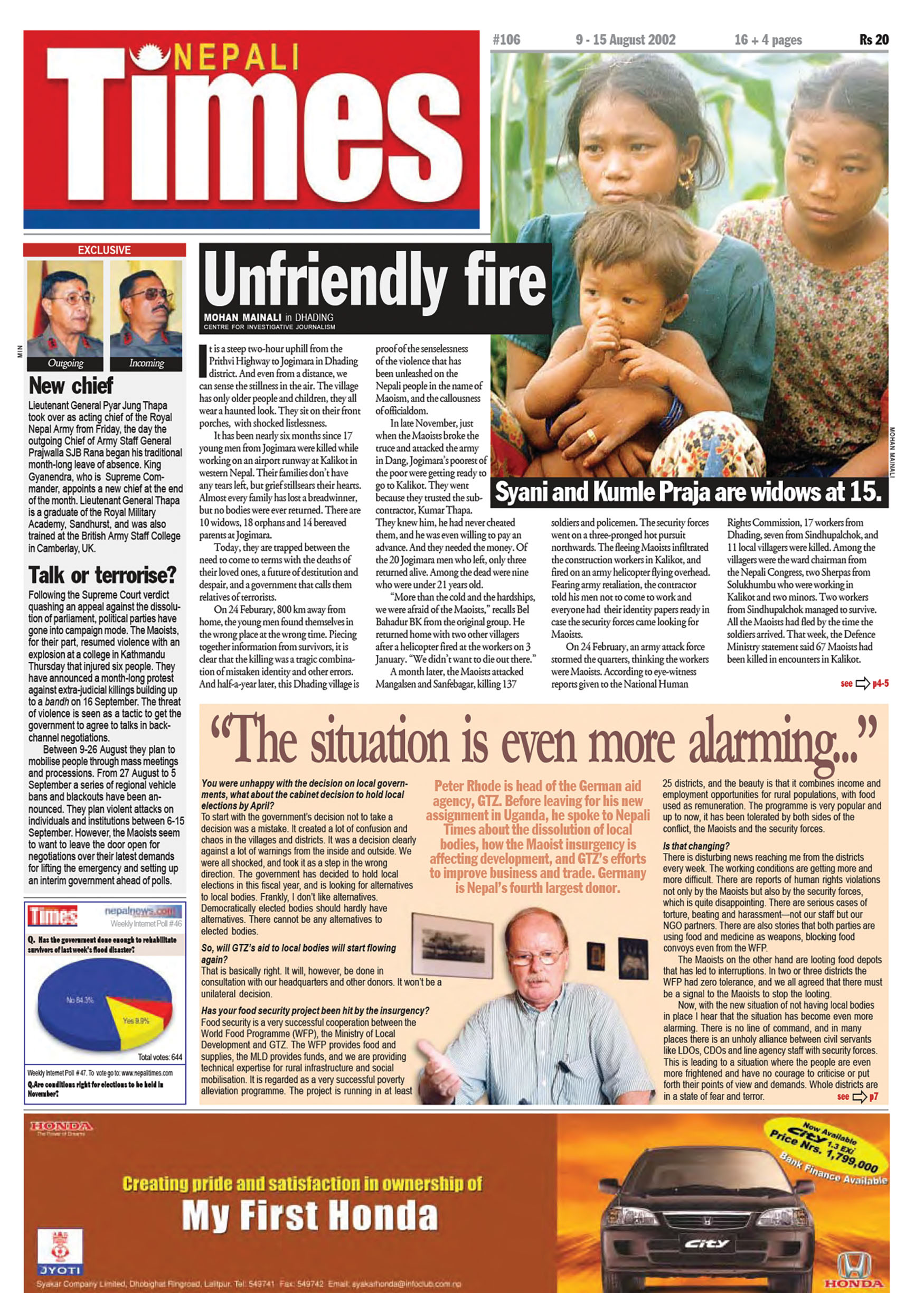
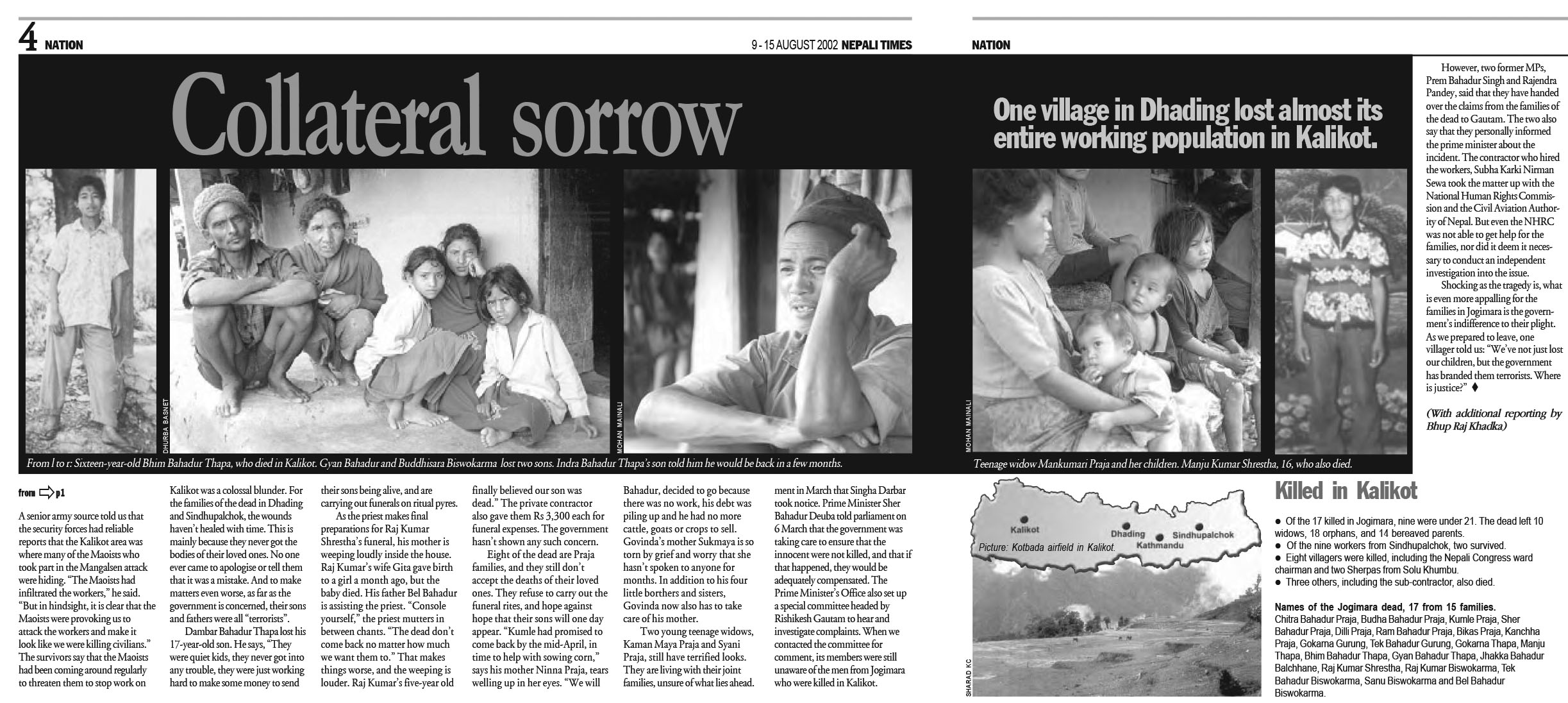
Rajendra Dahal, editor at Himal Khabarpatrika, offered to publish the story. In Jogimara, I met 15 of the 17 families who had lost their men in a massacre 500km at the other end of Nepal in Kotbada. The story came out in Himal, and Nepali Times translated it in the issue #106 of 9-15 August 2002 (screenshots, below). This was a rare exposé of a conflict-era crime.