
The first person infected with SARS-CoV-2 was in Wuhan as far back as December 2019, but it was not until late January that there was international concern, and it was finally declared a pandemic in February. In the thick of it was Nepali journalist Bibek Bhandari, working at Shanghai-based Sixth Tone as news editor.
“My last day in the office was on 23 January before the weeklong Lunar New Year holiday,” Bhandari recalls. “It was cold and drizzling when I left work that evening. We had already been writing extensively about the novel coronavirus, and the holidays were grim.”
Shanghai was not just deserted, but there was an air of despair and fear hanging over the city. Bhandari and his colleagues covering the holiday shift were told to work from home.
“We were all living in the unknown, trying to figure out what the news the next day would bring,” says Bhandari, who flew to Nepal in February and was supposed to go back on 31 March. By then, Nepal was in lockdown and all flights halted. He was stuck in Kathmandu till September.
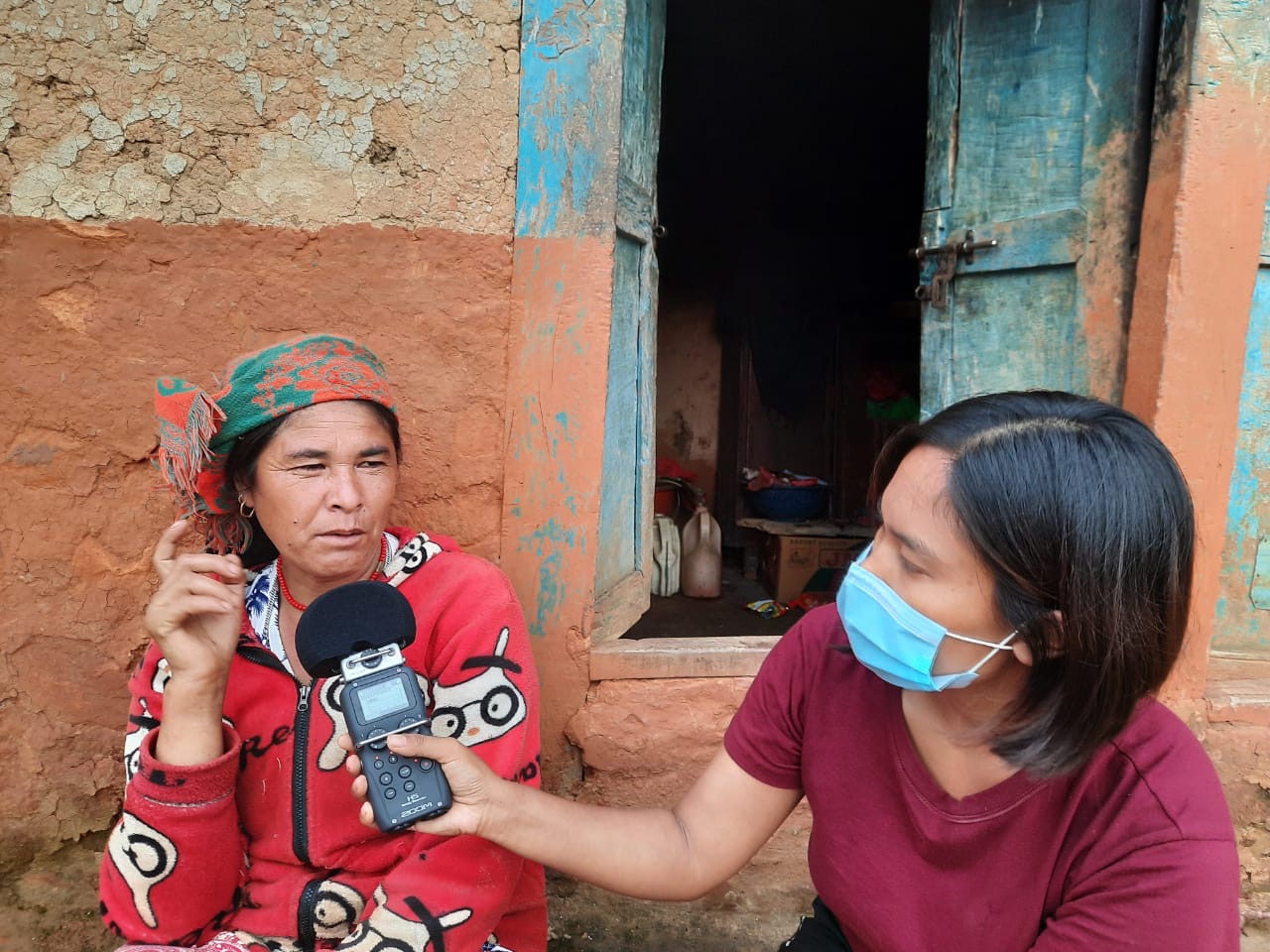
In Nepal itself, journalists were also forced to adapt. Bhawana Gurung and Asha Thapa decided to use the lockdown period to start a podcast from their home to disseminate health information.
“As soon as we heard about Covid-19, we felt there was a gap in lifesaving information. We thought a podcast would be an effective medium,” says Gurung who runs Sankatma Sathi with Thapa, about safety during the pandemic.
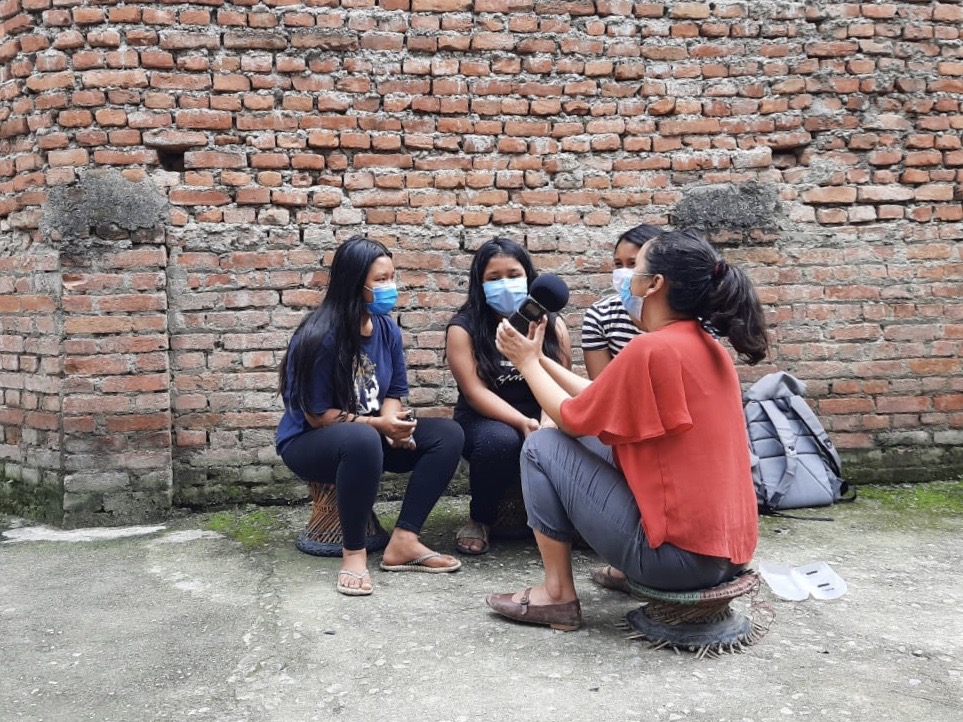
“We recorded our first episode in bed, on the phone,” laughs Thapa, who spent the first five months of the lockdown at her home in Matatirtha, producing stories from her neighbourhood. The podcast, targeted at a rural Nepali audience, was soon hooked up by 20 community radio stations.
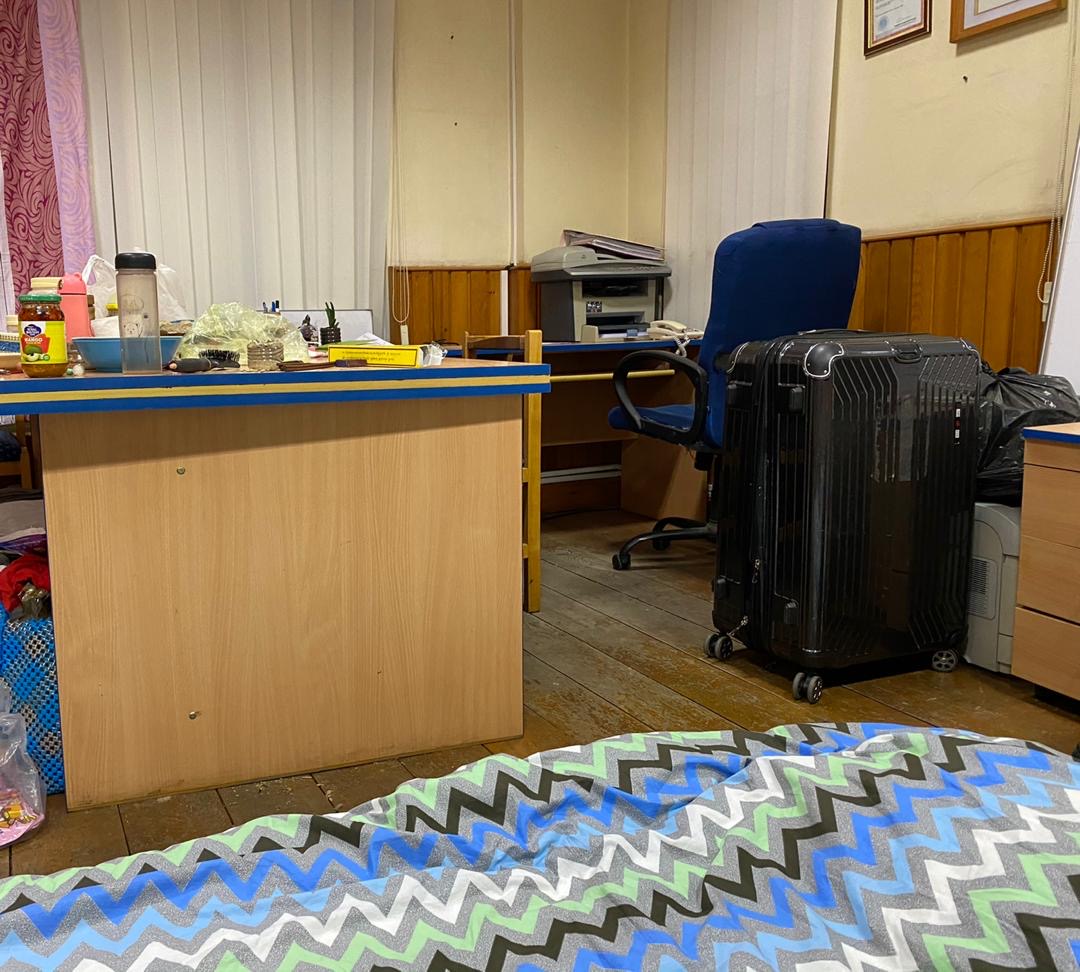
But working from home comes with its own challenges. “In the beginning it was fun because I could work from bed, but eventually, you’re always staring at your four walls, especially if you live alone,” says Gurung.
In India, however, the opposite was true for Hashim (who goes by his first name), a journalist with Data Leads in New Delhi. He says, “Everyone is not privileged. If you’re living in a one-BHK (one bedroom, hall and kitchen) apartment in Noida with six family members, it can be challenging.”
Hashim was also filming tutorials for journalists on reporting from home, which required him to turn his home into a makeshift studio. “You’re constantly asking everyone to quiet down during recordings and online meetings. It can take a toll on your family,” he says. “And if you’re freelancing, it is hard to sell a story without the Covid angle.”
In India, 44 journalists died due to the virus, which made Hashim himself aware of his own mortality. He has not left his Delhi neighbourhood for six months as he continues to mine data for journalistic videos from home, while skipping to stay fit. “I’m exercising for the first time in my life,” he says on WhatsApp.
Locked away in his apartment in Kuala Lumpur for four months, Bhutanese journalist Jigmey Thinley was running up and down the stairs of his condo as the gym was closed. He was working for the Asia-Pacific Institute for Broadcasting Development in Malaysia when the pandemic hit, and decided it was time to head home.
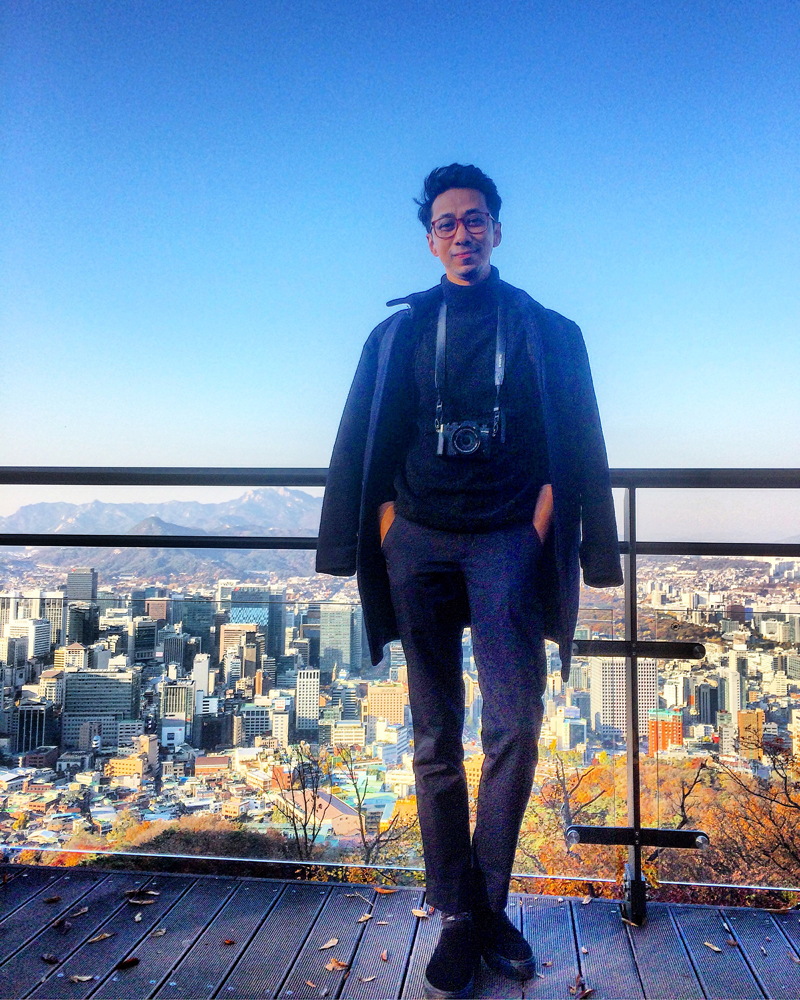 Shanghai-based journalist Bibek Bhandari.