
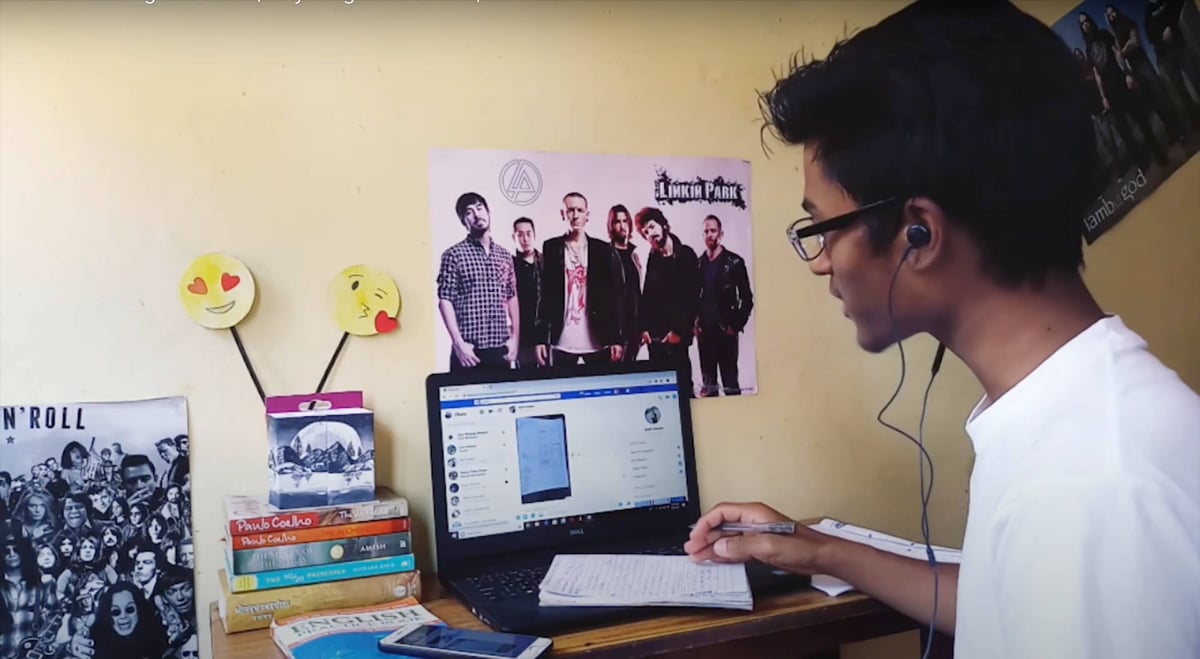
(This article is based on a research project by Boyd Hayes, Nabila Farid, Riya Sirkhell, who are graduate students at the University of British Columbia, and Ujjwal Neupane, Research Assistant at UBC.)
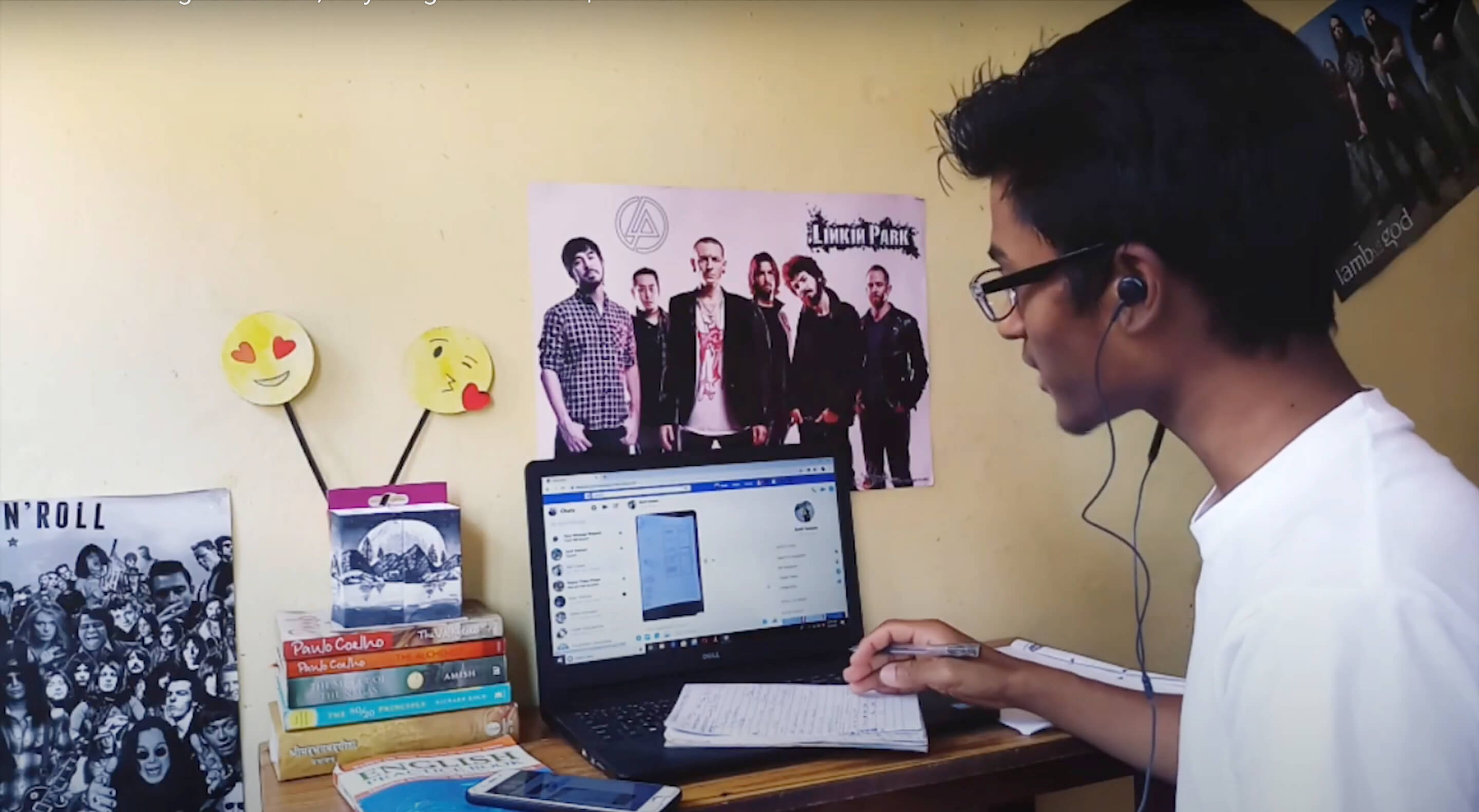
It is 9AM on a Tuesday, and Bijay is running late for work. No time for breakfast: he will have to grab something from a vendor on the way. He has spent the past 10 minutes looking for his purse to pay the bus fare, and is in a hurry. As he grabs his facemask and opens the door, his 6-year-old son calls for him.
“Where do we go for school again? I forgot.”
He rushes back into the other room where his son sits with his uncle’s laptop. It is old and some of the keys have fallen off, but it will have to do for now, as long as the children are kept home from school. This pandemic has forced everyone to adapt.
Bijay digs through the drawer in the cabinet to find the piece of paper containing instructions for accessing the online courses for his son. He fumbles with the unfamiliar and clunky keyboard to type in the address, username and password.
“What module are you doing today,” Bijay asks his son. Yesterday he says they were working on English letters, but that doesn’t help him figure out which lesson is happening today.
Face-to-face classes online, Dinesh Paudel
Finally, Bijay notices the dates listed next to the modules, and clicks on the one for Tuesday. The page opens, and he turns to run out. He is quite late now, and his employer will scold him and cut his pay, regardless of the circumstances. His wife, Reema also has to work to make ends meet. Their 16-year-old daughter, also enrolled in school, will need to cook while they are gone.
When they finally come back home in the evening, the lights in the house flicker and go off: the electricity is out. They go to check on their son, who is now playing with a toy on the floor. School will have to wait until the power comes back.
Parenting young students during the Covid-19 pandemic in Nepal presents struggles like this on a daily basis. How do you support your children to continue their education when there are so many factors working against you?
Parents of pupils interviewed for this research paints a picture of disconnect and disparity. After reopening physical classed in late February, The three districts of Kathmandu Valley and six others went into full or partial lockdown again in response to a deadly Covid-19 second wave.
As has been reported before, online classes during the lockdown have pointed to broader gaps in education delivery and governance in Nepal. Students, parents, teachers and civil society are struggling to transition to a new normal.
Digital divide exposes class divide in Nepal schools, Nunuta Rai
“The government directives have been confusing and contradictory across levels, with almost no support to parents like us, who are struggling with challenges of work and continued learning of children from home,” said a father of two children in Lalitpur.