
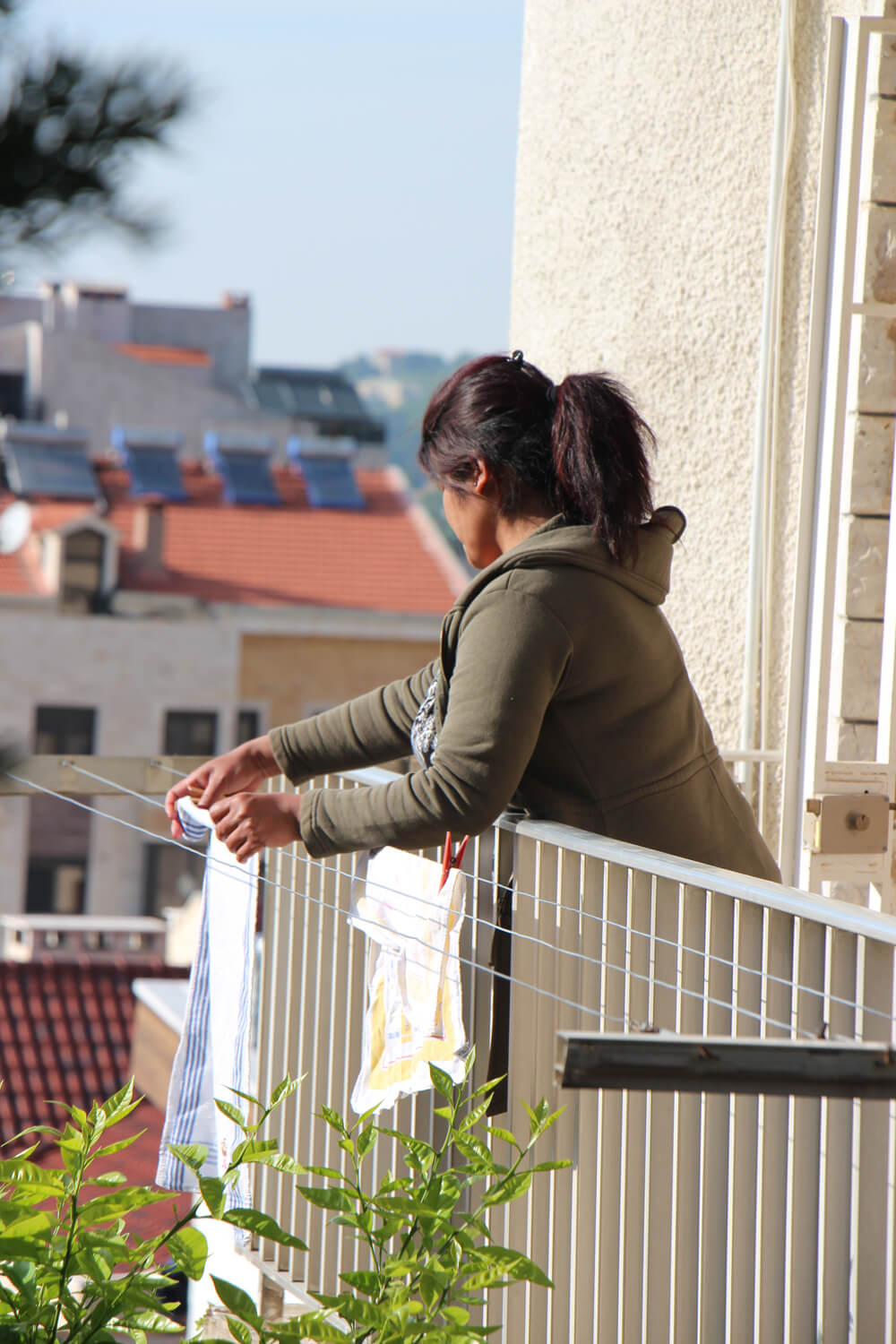
Shama had a job waiting for her as a domestic worker in Kuwait. But given Nepal’s ban on such work, she travelled overland through India and finally left Delhi airport. However, she could not make it past immigration in the UAE, and was sent back to Kathmandu the same day – the very airport that she had initially avoided due to the ban.
The Parliamentary Committee on Industry, Commerce, Labour and Consumer Interest will be visiting the Gulf this month to review the situation of Nepali domestic workers. This visit will determine the fate of tens of thousands of Nepalis like Shama impacted by the ban on domestic workers that came into effect in 2017 after a similar visit by a Parliamentary Committee.
Read also: Migrating for domestic work, Upasana Khadka
That visit was considered not thorough enough because Committee Members, instead of making the effort to reach out to domestic workers outside the Embassy, were reported to be more interested to meet politically connected businessmen and NRNA leaders. Their interactions with domestic workers were limited to abused migrant workers at embassy shelters.
With insufficient protection, domestic work is one of the most exploited sectors, but extending the ban took the focus away from the core issues, including more bilateral efforts, diplomatic pressure, strengthening of embassies, better training, and new ways to maintain regular contact with domestic workers and stronger monitoring of both employers and recruiters.
Instead, the ban superseded any policy to correct weaknesses in the domestic work sector, making them even more invisible as they are neither in the government's records, nor eligible for safe migration initiatives. This has made holding recruiters or employers accountable for abuse even more challenging.
Read also:
Ban the ban, Upasana Khadka
Homes away from home, Upasana Khadka
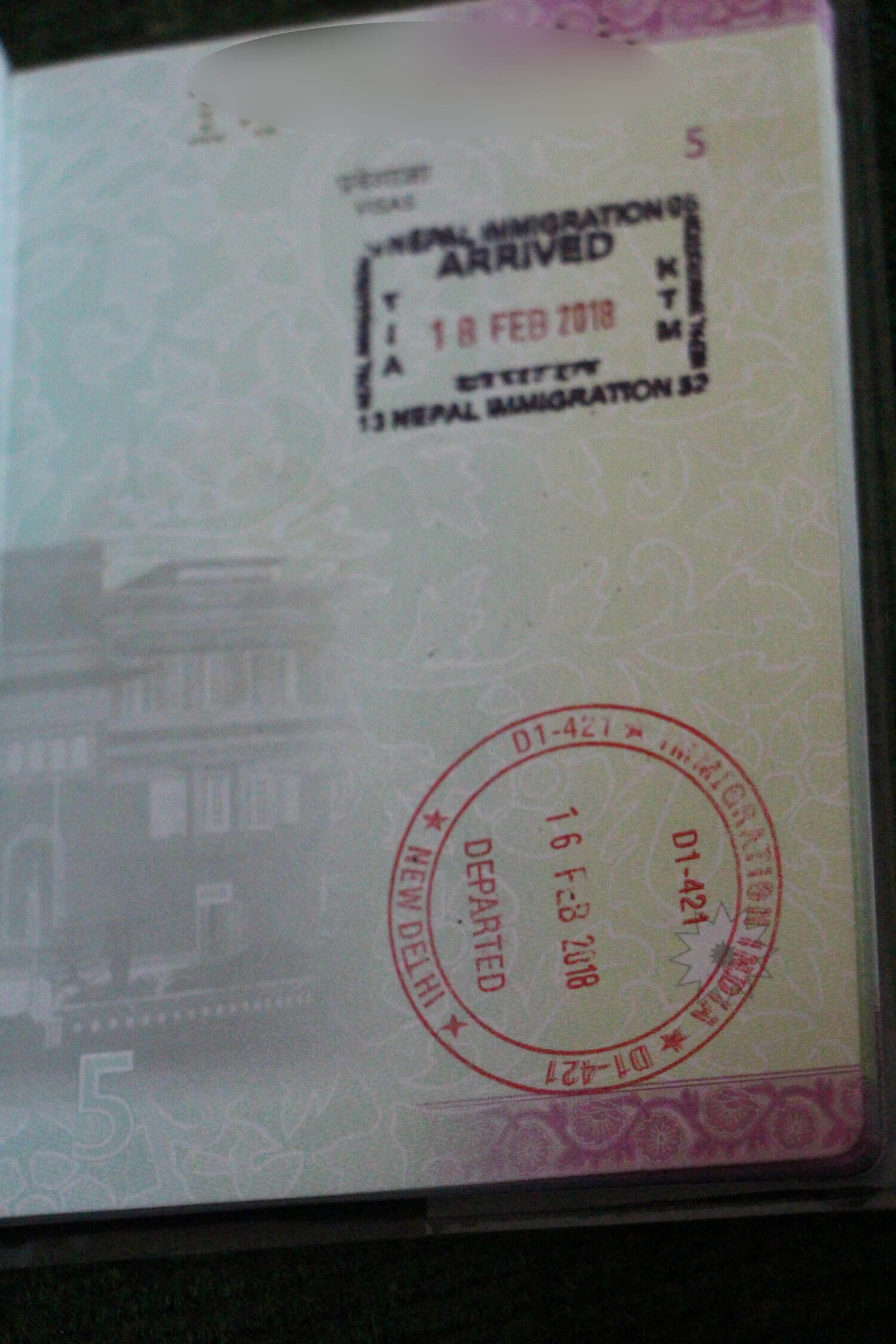
Shama flew out through India but could not get past immigration in Dubai.
As a blanket policy, the ban also does not distinguish among destination countries or domestic work categories. Not all countries where Nepalis are in domestic work are equally vulnerable. The UAE, for example, has made visible efforts on domestic worker safety. It has adopted a domestic worker specific law, and has set up Government-approved Tadbeer Centers that provide all services related to domestic workers. Similarly, not all domestic workers are equally vulnerable. A domestic worker is not just a housemaid, but they also work as guards, gardeners, personal cooks and drivers.