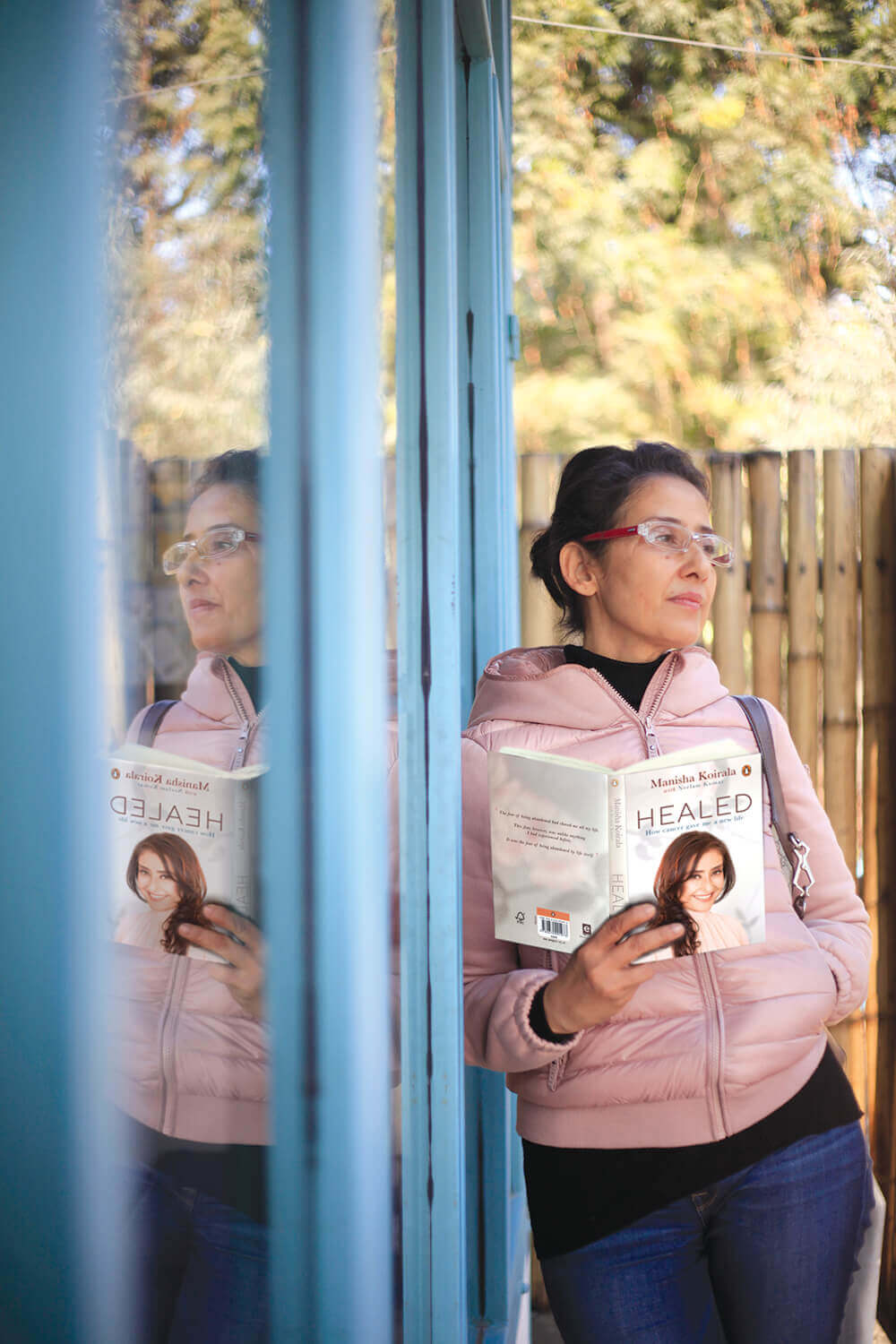
She was just 19 when she starred in her first movie in Bollywood. As a fresh face from the mountains and with her enormous talent, Manisha Koirala shone in the Indian film industry in the 1990s, winning many prestigious awards.
At one point in her busy career, she was doing a dozen movies a year, working exhausting 18-hour days. Fast forward to 2012 through a string of unsuccessful romances and films, a failed marriage, and alcoholism, Manisha came face to face with death.
In 2012, she was diagnosed with last-stage ovarian cancer. How she dealt with the crisis and how she came out a survivor, extricating herself not just out of the clutches of the disease, but also the rut that her life had fallen into, is the dominant theme in her new book Healed.
Always a headstrong girl with a passion for details and love of nature, Manisha was raised under the loving care of her grandmother Sushila Ama, B P Koirala’s wife.
Growing up with the egalitarian outlook of the Koirala household moulded her.

Reaching out to those in need was instilled into her young mind, and it has stayed with her: lending a helping hand, including for cancer patients, or rooting for women’s health and wellbeing as goodwill ambassador for the UN Population Fund.
And now, with Healed, she decided to open up her life and its learnings to benefit the public at large. “Now that I am healed, I wish to help others,” Manisha Koirala told Nepali Times in an interview this week ahead of the Nepal Literature Festival in Pokhara, where her parents will unveil the book on 22 December.
Read also: Think Pink, Sonia Awale
Manisha was among the lucky quintile of women who have been diagnosed with stage four ovarian cancer but beaten the disease. She has now been cancer free for six years, and now follows a ‘reformed” regimen of meditation, prayer, yoga, pranayama and vegetarian diet, with a huge dollop of mindfulness. She went back to Bollywood after a five year break, and is now focused on taking on fewer, yet more meaningful films.
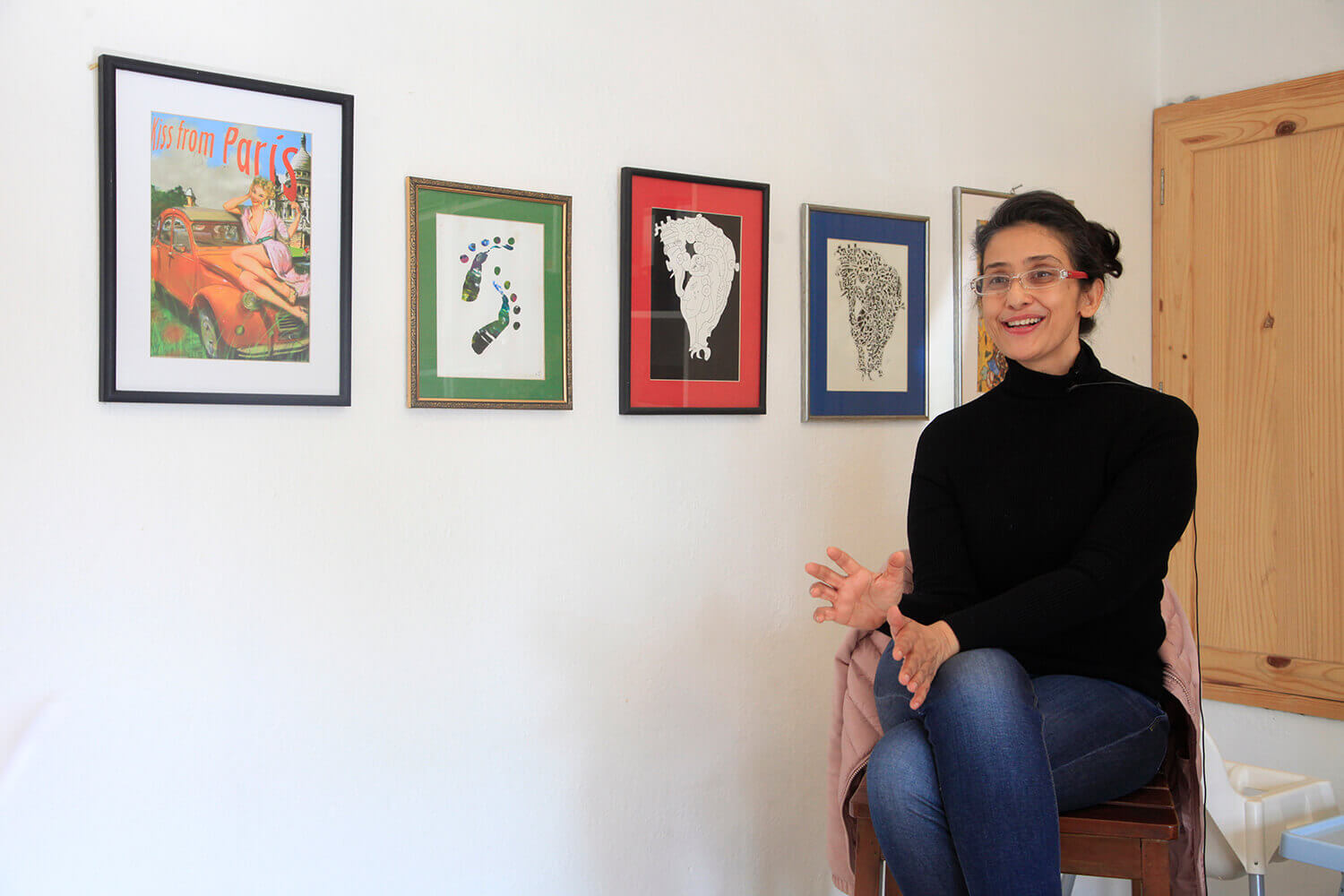
Manisha considers herself lucky for the unflinching support of her family (especially her parents and brother) and friends, as well as the resources and connections to battle cancer. Cancer treatment is expensive, she says, and wants the Nepal Government to do more on prevention by checking toxic contamination of air, water and food, promote healthier lifestyles, and to provide world class affordable cancer treatment for the needy. And the rest is up to individuals.
“Cancer is not a death sentence, so one should not lose hope,” she says.
Read also: Cancer refuge
Healed is co-authored with Neelam Kumar, also a cancer survivor, in which we join Manisha in a roller-coaster ride as she struggles against the disease. Through the highs and lows of her emotions as she learns about the diagnosis in Kathmandu, the confirmation in Mumbai, the final verdict and treatment in New York, and then her slow and bumpy recovery towards being cancer free.