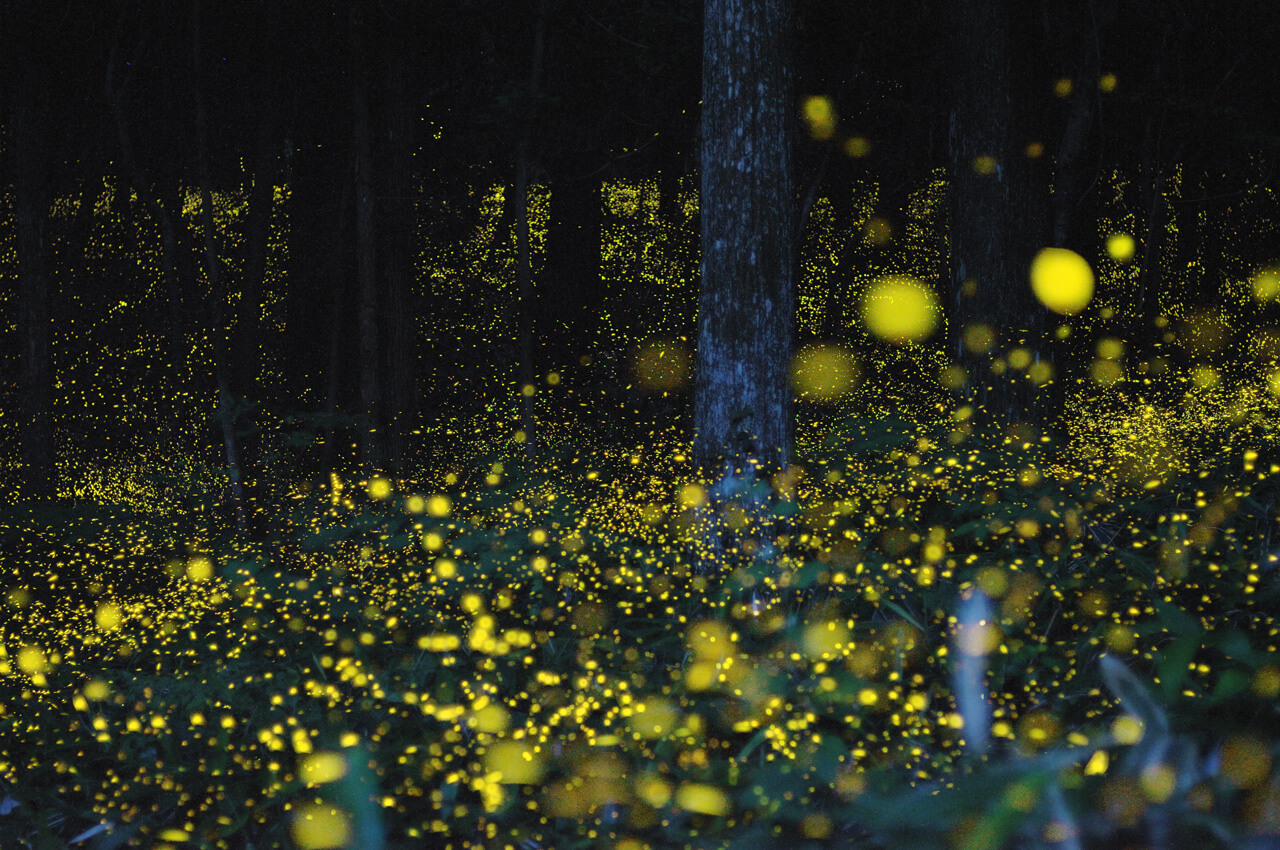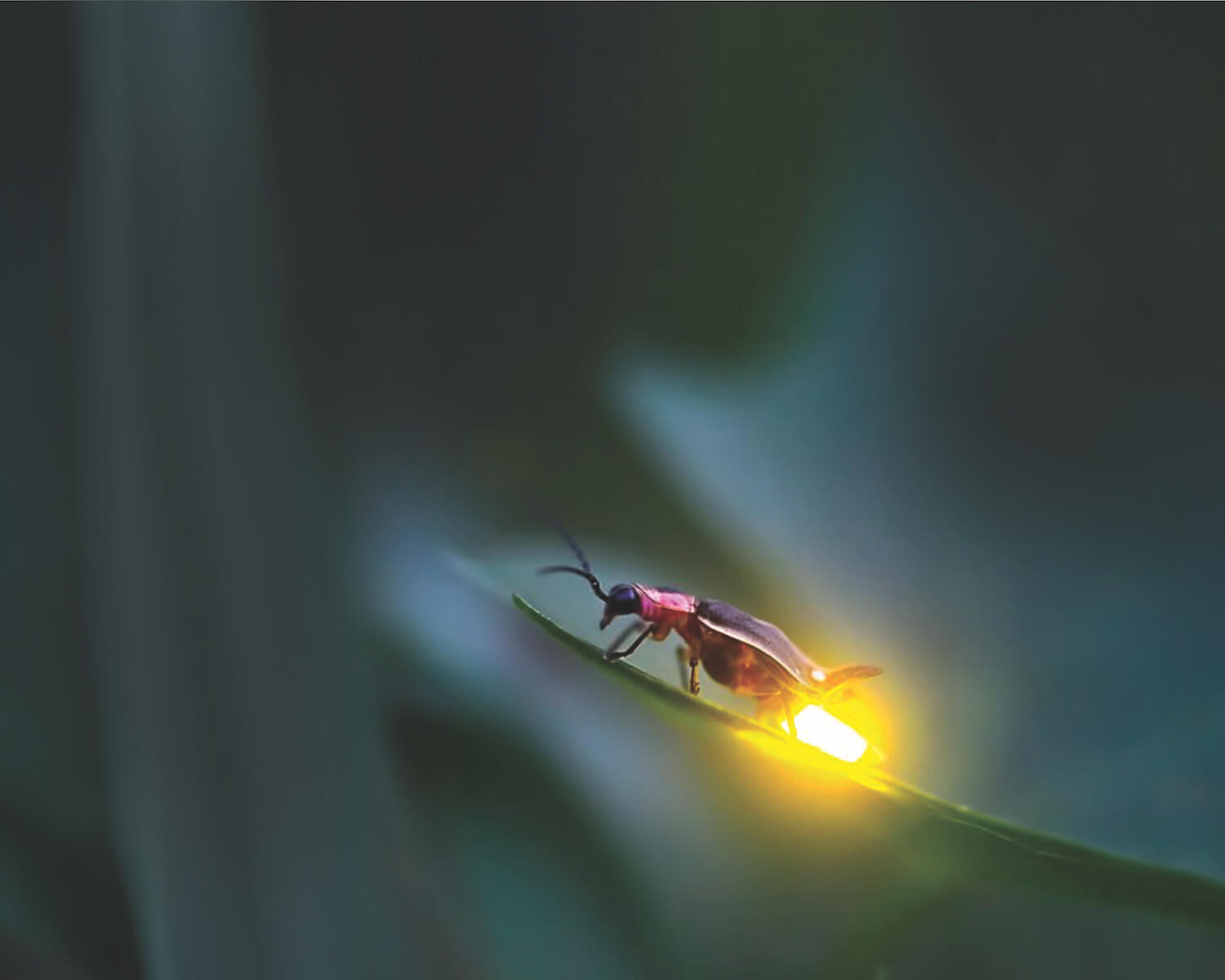
Many of us have fond childhood memories of the जुनकिरी (firefly), chasing the fascinating lightning bugs through fields and forests. Across the world and in Nepal, poets and singers have waxed eloquent about the blinking light of the nocturnal insects.
But for a creature so admired, there has not been much of an effort to study and protect them. As elsewhere in the world, firefly numbers have declined sharply, even prompting the International Union for the Conservation of Nature (IUCN) to set up a Firefly Specialist Group in 2018.
“We grew up playing with fireflies, chasing them around Tundikhel, but those days are long gone,” laments Tirtha Bahadur Shrestha, a noted Nepali naturalist. “Fireflies need a pristine environment, and their very presence signifies undisturbed nature.”
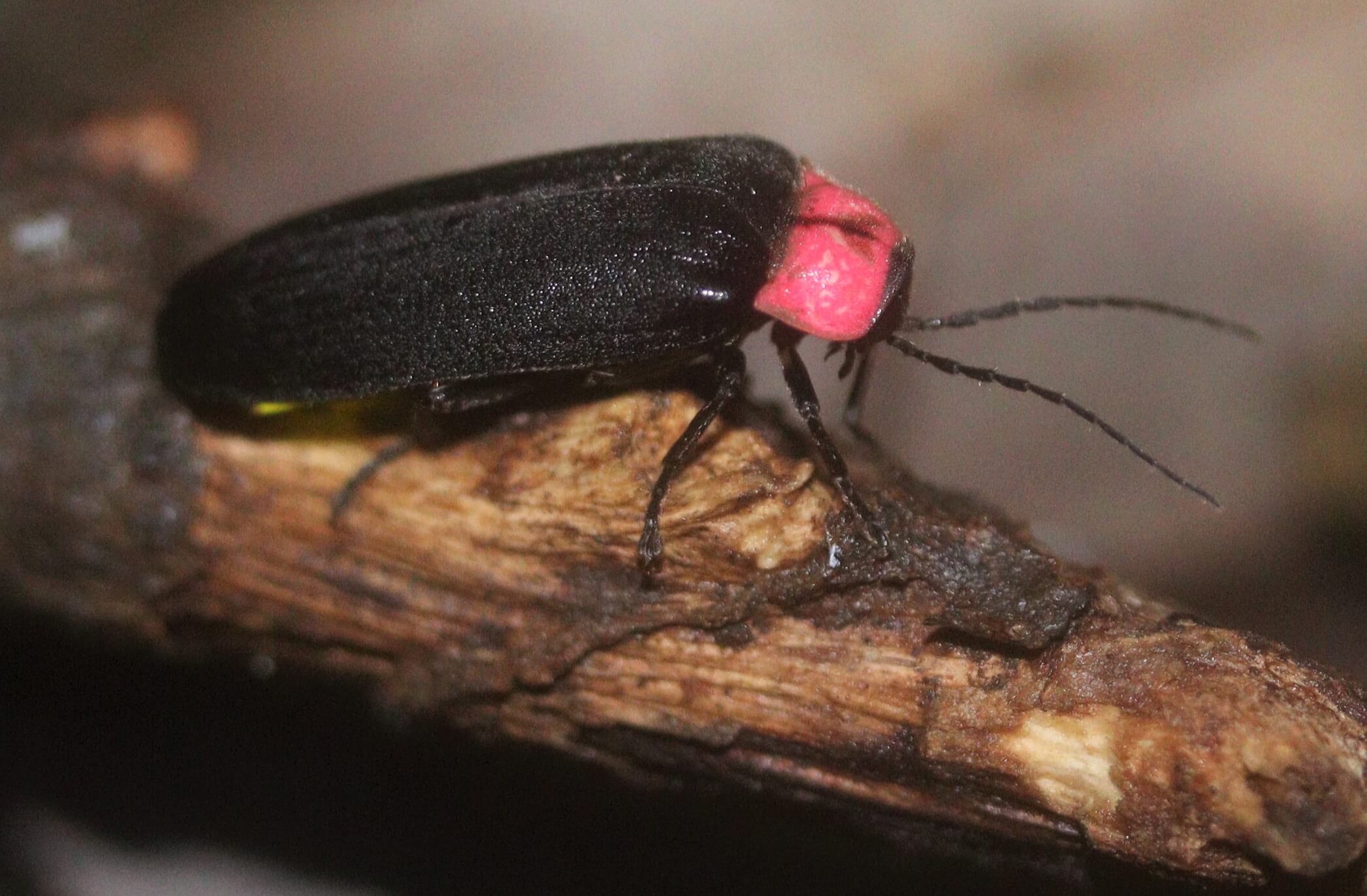
Fireflies belong to a family of beetles called Lampyridae and evolved alongside dinosaurs 100 million years ago. But habitat destruction, rampant pesticide use, light pollution and climate change now threaten to put the lights out on all 2,200 species of fireflies so far identified.
Read also: Between existence and extinction in Nepal, Sonia Awale
The decline of fireflies indicates a degradation of the ecosystem, especially of wetlands. Yet, there has been no systematic study of the status, scope and habitat of these glow worms in Nepal.
“The number and diversity of firefly species are unknown in Nepal and researchers have not given priority to these insects,” says Hum Gurung of Singapore-based Birdlife International Asia, who is promoting firefly tourism in Malaysia, and developing a participatory citizen scientist group to study fireflies in Nepal.
Gurung says firefly conservation must begin with first researching them and planning a sustainable eco-tourism model based on firefly viewing, just like the cherry blossom season in Japan or fall colours in New England.
“Their commercial value will add to the efforts to protect them,” he adds.
But in Nepal, these lightning bugs that were once ubiquitous in gardens, jungles, riverbanks, and even streets and playgrounds in the towns have all but disappeared. Where did they all go?
In Pokhara, butterfly researcher Surendra Pariyar says: “I have nostalgic memories of fireflies from my childhood, but as the city’s concrete jungle spreads I hardly see even one firefly these days.”
Read also: What's the buzz?, Sonia Awale
Elsewhere in Japan, Southeast Asia and South America, the charismatic beetles with their bioluminescent courtship displays have turned into a major attraction for nature and wildlife tourists.
Extra income from the firefly boat tours was crucial in curbing overfishing in Malaysia’s Kuala Selangor. Fireflies can promote unique, insect-based night tourism with indigenous communities in Bardia and Chitwan in Nepal.
Says butterfly expert Bhaiya Khanal, previously with the Natural History Museum: “Firefly tourism opens up a lot of opportunities including the possibility of finding more species. This, in turn, will promote their conservation.”
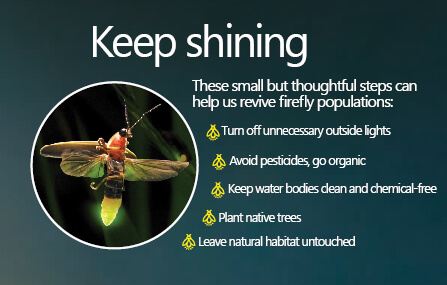
Artificial light however is the biggest threat to fireflies as it reduces the beetle’s breeding success. Bright lights from buildings, vehicles, flashlights, and even cell phones can disrupt firefly mating.
Nurturing and protecting the habitat is equally important, especially as the bugs spend most of their life cycle in a larval stage and require several months or even up to three years, to develop into adults.