
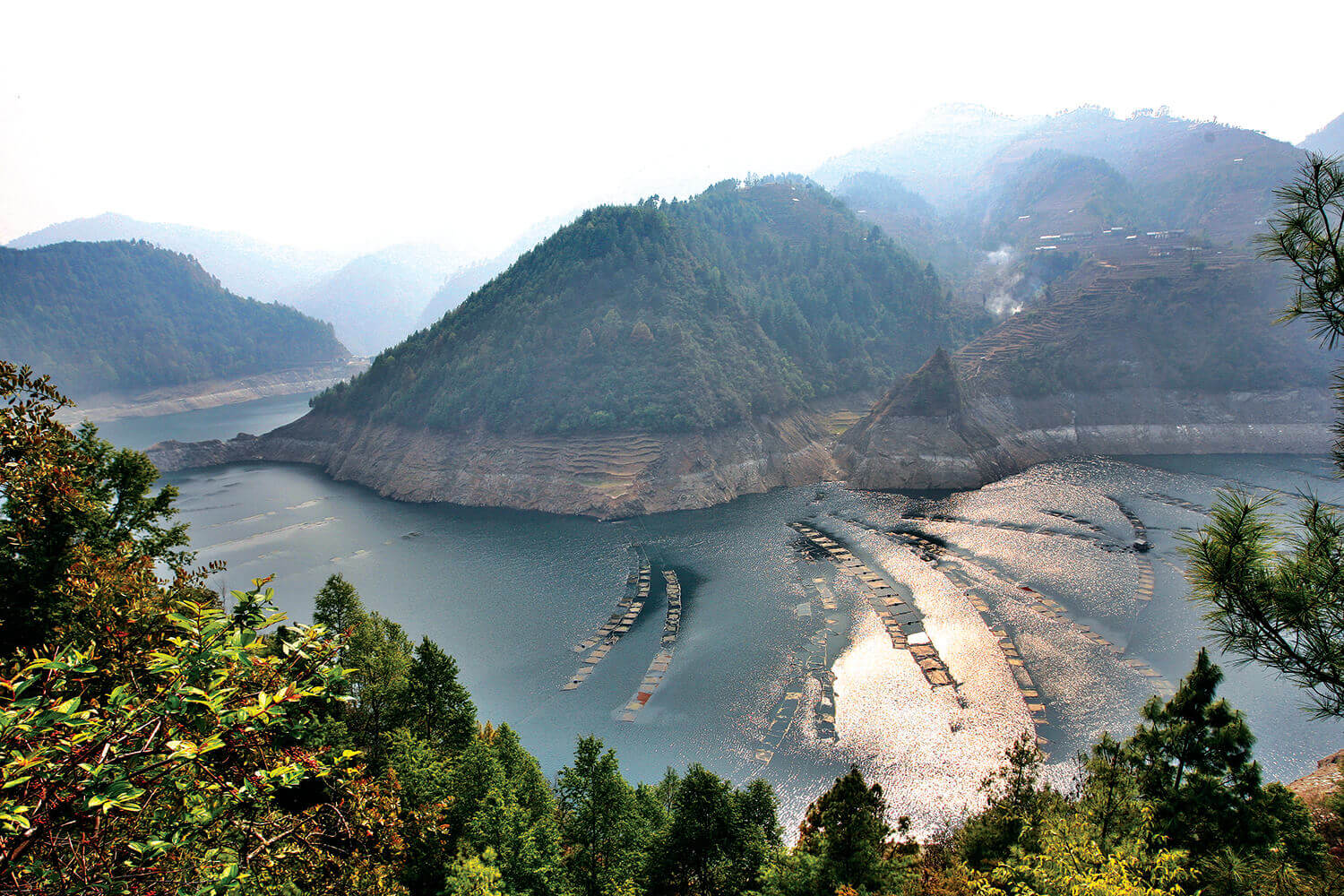
Nepal has the fifth highest hydropower potential in the world. Besides electricity, which can be used for peak energy supply, hydropower reservoirs can also play a role in regulating water in rivers, flood control and irrigation.
With federalism, Nepal has the potential to decentralise hydropower along with political power. All seven provinces, except Province 2 in the Tarai, have enormous capacity to develop hydropower to generate downstream benefits, such as increasing agriculture output, boosting tourism and generating employment.
The government’s current budget includes a provision to develop one large hydropower project in each province. Prioritising water value first and peak energy second, Nepal can double its megawatt potential by maximising storage and daily peaking of run-of-river projects, while regulating river flow.
Read also: Making Nepal powerful, Editorial
All this would allow 5.4 million households across Nepal to gradually replace imported cooking gas and traditional firewood with cheaper electricity, reducing Nepal’s trade deficit and improving health by eliminating indoor pollution from open kitchen fires.
If each family consumes 1KW of energy and if 3 million families switch from cooking gas and firewood, we will need 3,000MW in the morning and evening peak hours, which can be provided by new mega-projects designed to generate 15,000GWh. Of course, the distribution system would need to be improved and demand side reforms have to be in place.
The market value of the electricity generated could reach Rs180 billion, which would replace the import of Rs100 billion worth of cooking gas, Rs20 billion in transportation and petroleum products, and Rs50 billion worth of electricity for industries. With millions of people using electricity in the kitchen, indoor air would be healthier.
Read also: An energy windfall for Nepal?, Kushal Gurung
The main problem for the provinces today is that they do not have this supply, which is impeding industrial development and job creation. Developing hydropower will replace high-value raw materials and energy imports, and allow gross value addition compared to investment in other sectors.