

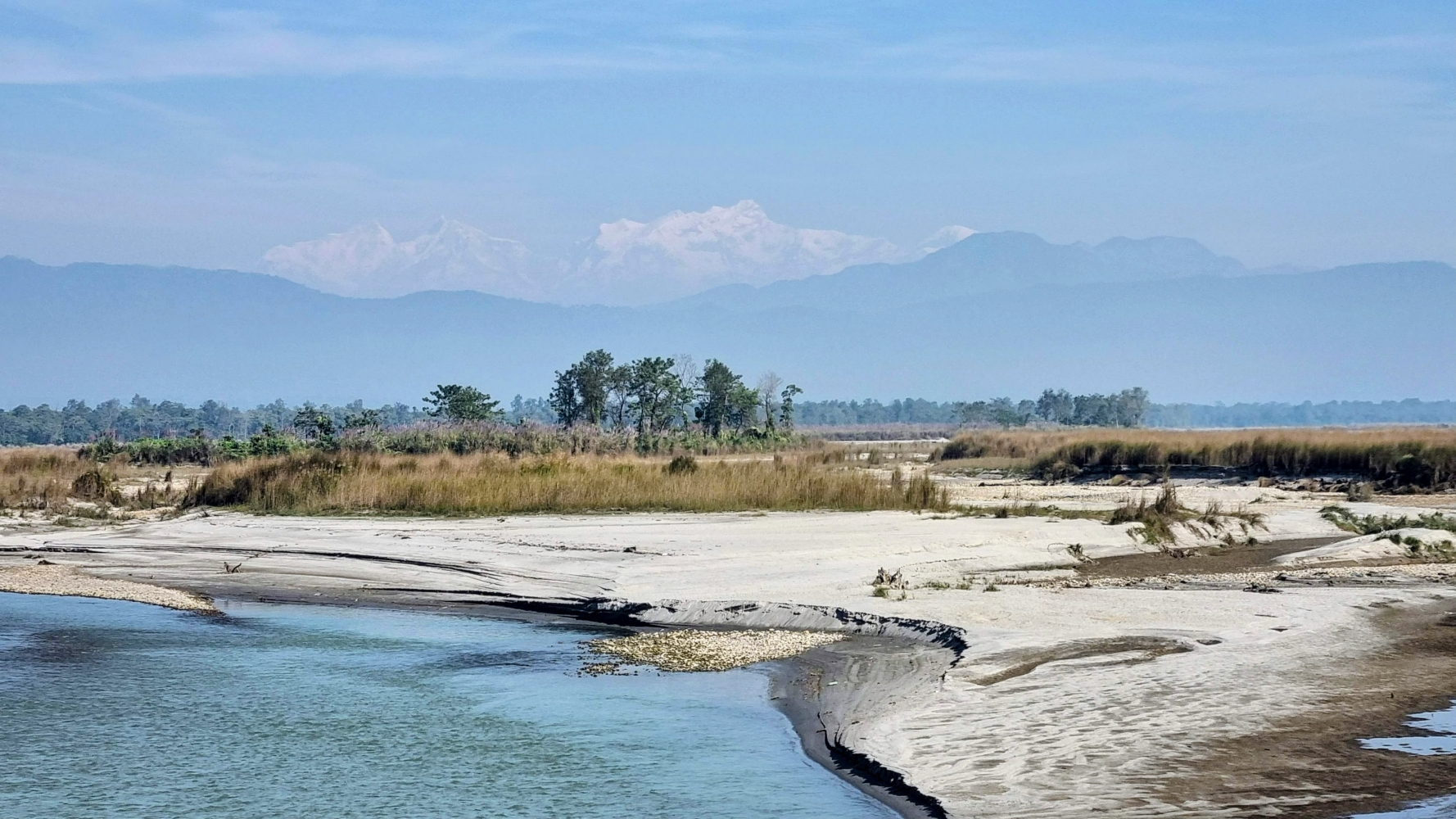
The Narayani River is one of the most important biodiverse hotspots among Nepal’s three major river systems. It is inhabited by critically endangered gharial crocodiles, gangetic dolphins, Bengal tigers and the great one horned rhinos.
The river drains the watershed of central Nepal and is fed by glaciers from the Annapurnas to the mountains in Tibet. Nepal is among the 30 countries on the route of the Central Asian Flyway, making the river a significant site for the world Wildlife Fund (WWF) Wetlands for Asian Flyways.
Migratory birds from the north cross the Himalaya along the tributatries of the Narayani in winter as the river and surrounding areas provide safe resting and feeding habitat for the fowls when the river enters the plains. The post monsoon receding rivers, oxbow lakes, and marshes supply food to the migratory birds and other wildlife.
In the 1960s, entire villages from Nepal’s mountains were translocated to the Tarai once malaria was eradicated. Vast stretches of forests and grassland were cleared for farming for the settlers in areas like Chitwan. The indigenous Tharu, Bote, Danuwar, Mushahar communities along the Narayani floodplain became a minority.
The influx of population continues due to accessibility, infrastructure, facilities and livelihood opportunities in the Tarai. Chitwan’s population has increased by 37% since the 1981 census. Human settlements are now getting ever closer to the river boundaries of the Chitwan National Park.
Chitwan has changed dramatically from the time I first visited in 1967 and when I started my career as a naturalist in 1984. The once laid-back and sleepy town was surrounded by large expanses of farms and forests stretching to the horizon, with the Narayani flowing nearby. Farmlands on the Narayani floodplains were inaccessible till 2000.
People primarily grew single paddy crops annually, and much of the post-harvest paddy field was left fallow. These moist fallow fields with marshes were prime feeding habitat for geese, ducks, cranes, storks, Ibis and many waders. Today, Chitwan is one sprawling metropolis.
The construction of dykes, spurs and high embankment to avert floods now prevent the farms from getting replenished with alluvial deposits. The deepening river channels have also deprived uplands of groundwater and farms of moisture .
In 1973 Chitwan National Park was established as Nepal's first protected area, and in 1996, the government introduced the Buffer Zone Management Rule under the National Parks and Wildlife Conservation Act to manage forests surrounding protected areas, and ensure local participation in parks management.
Human persecution of wildlife decreased significantly after buffer zone regulations were enacted, and benefited local people via tourism and revenue from the national parks. Conservation partners worked closely with communities and contributed to an increase in the numbers of many iconic endangered species such as tigers, rhinos, wild elephants as well as migratory birds.
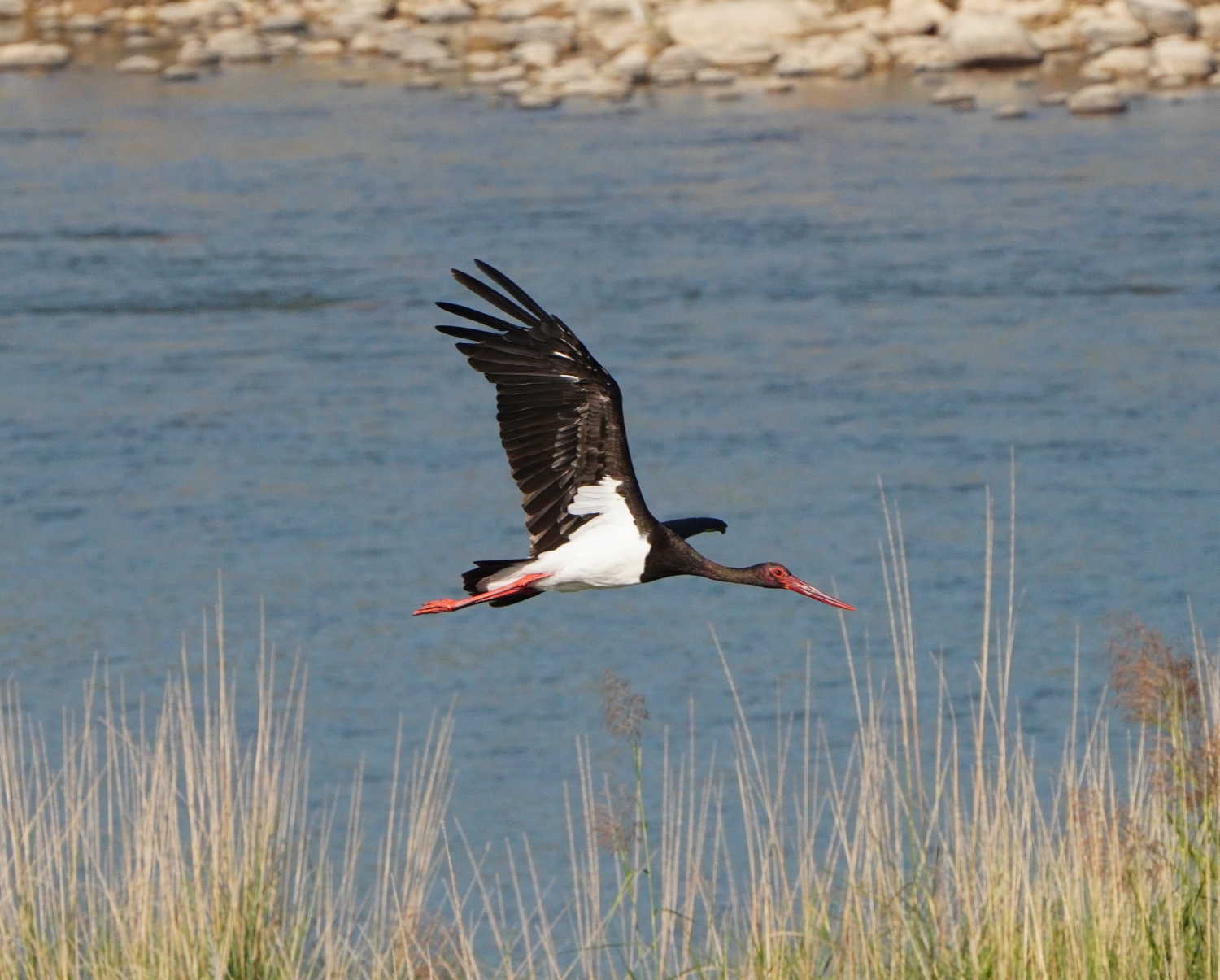
Behaviour Change Champions’ bi-annual bird monitoring in the Narayani floodplain recorded 145 bird species in February 2025, and 148 bird species in December. Of the species documented, rare migratory birds included a single Sarus Crane, one Spot-billed Pelican, and about 20 Greater White Fronted Geese.
In January 2005, two Bar-Headed Geese were fitted with satellite radio telemetry. Both the birds flew northeast to Dingmo Co lake, about 500km north of Mt Everest. Their return destination was far away in the wetlands of Bihar and Uttar Pradesh states of India.
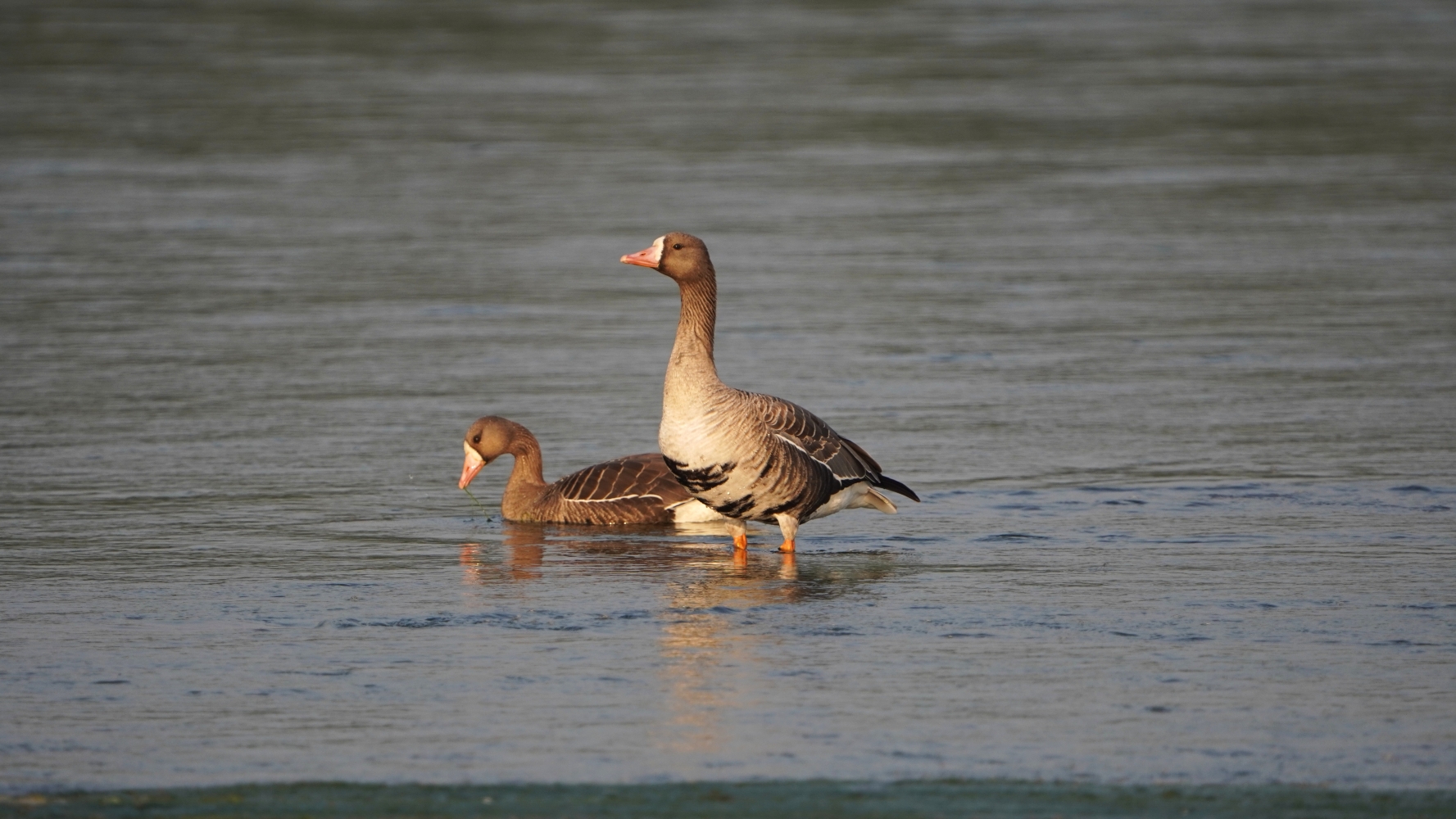
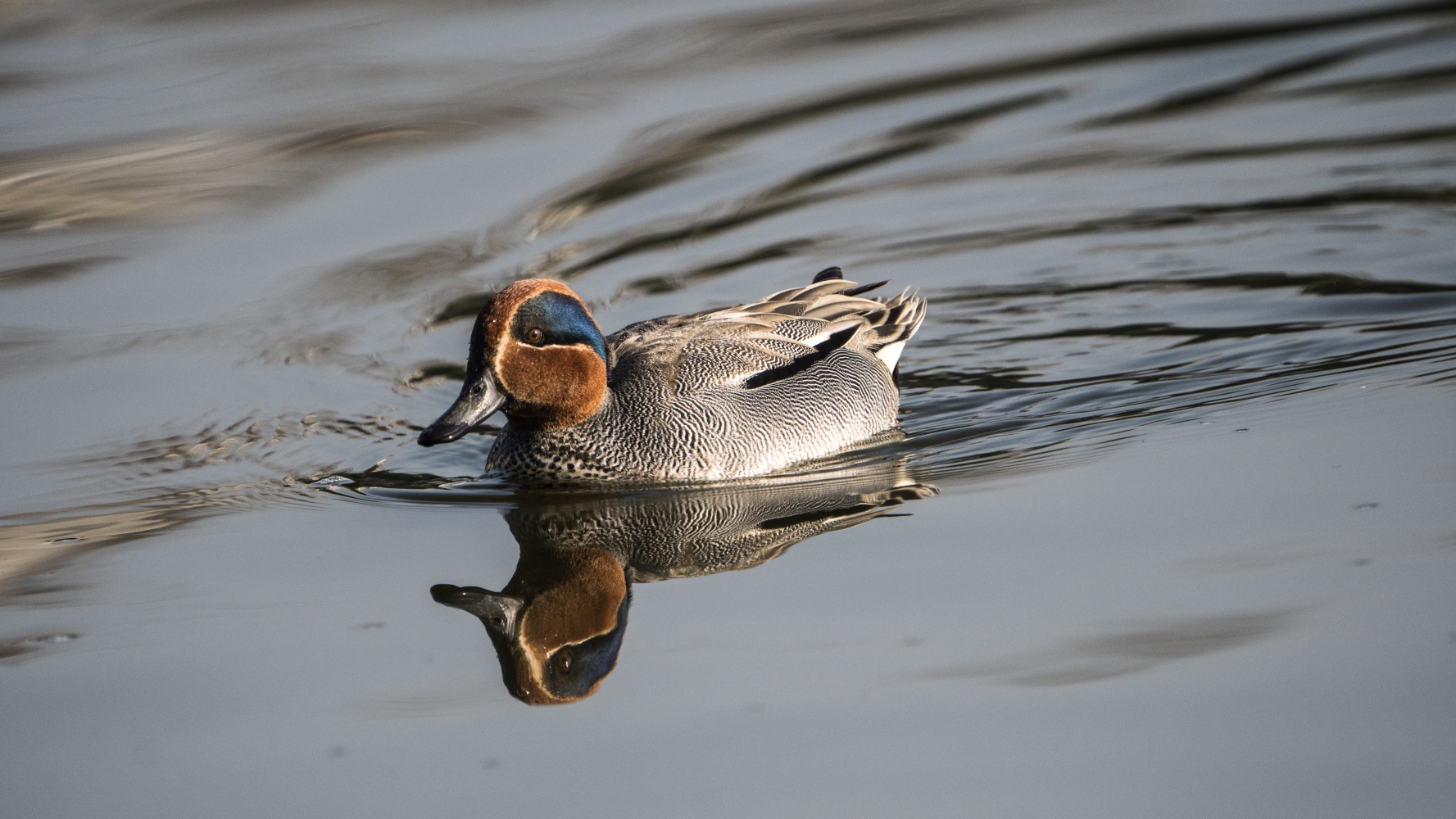
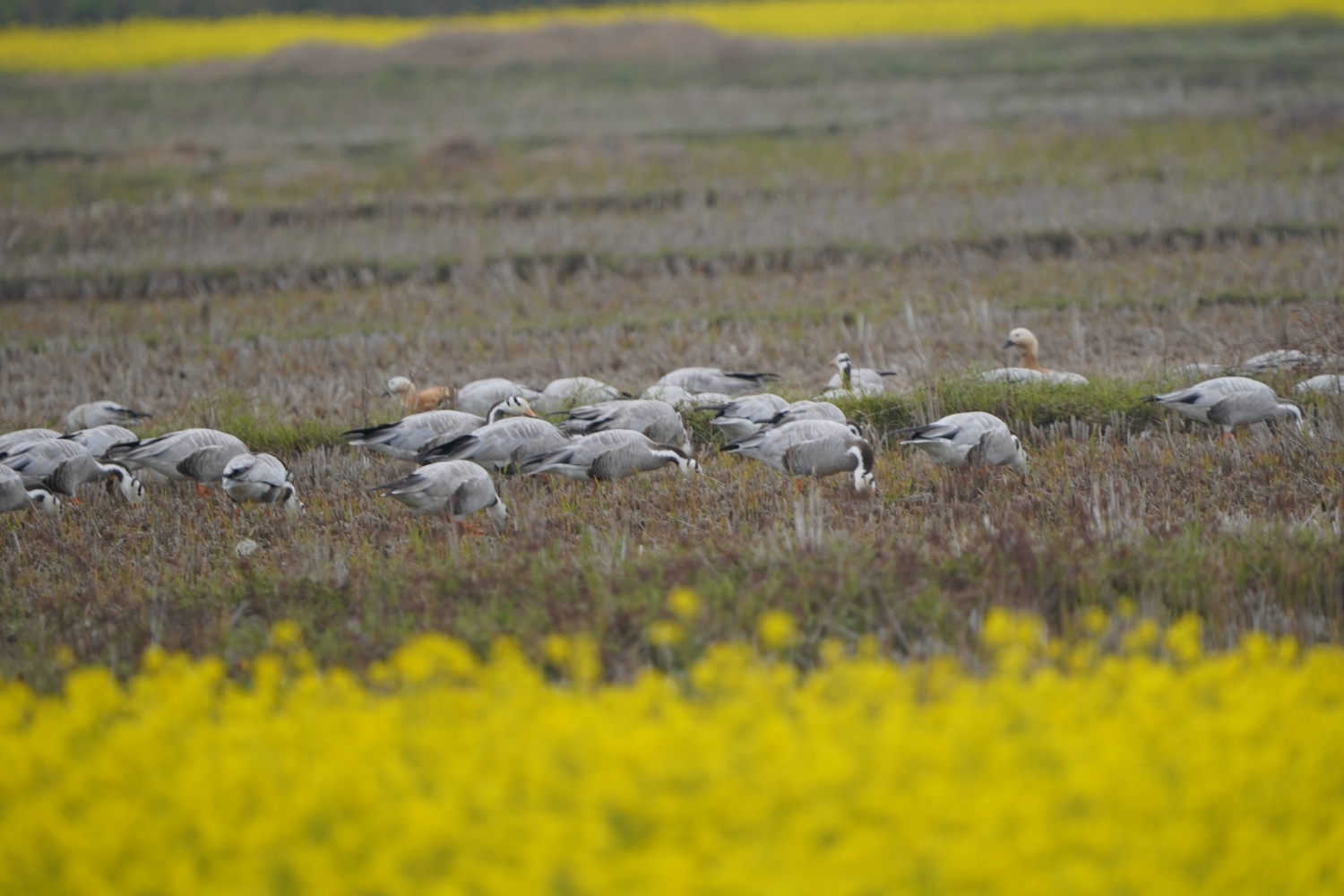
According to field ornithologists DB Chaudhary, the number of bar-headed geese increased over 60% from 576 in 2024 and to 946 in 2026. Similarly, the number of Ruddy Shelducks also increased by nearly 60%, from 5,091 in 2024 to 8,523 in 2026.
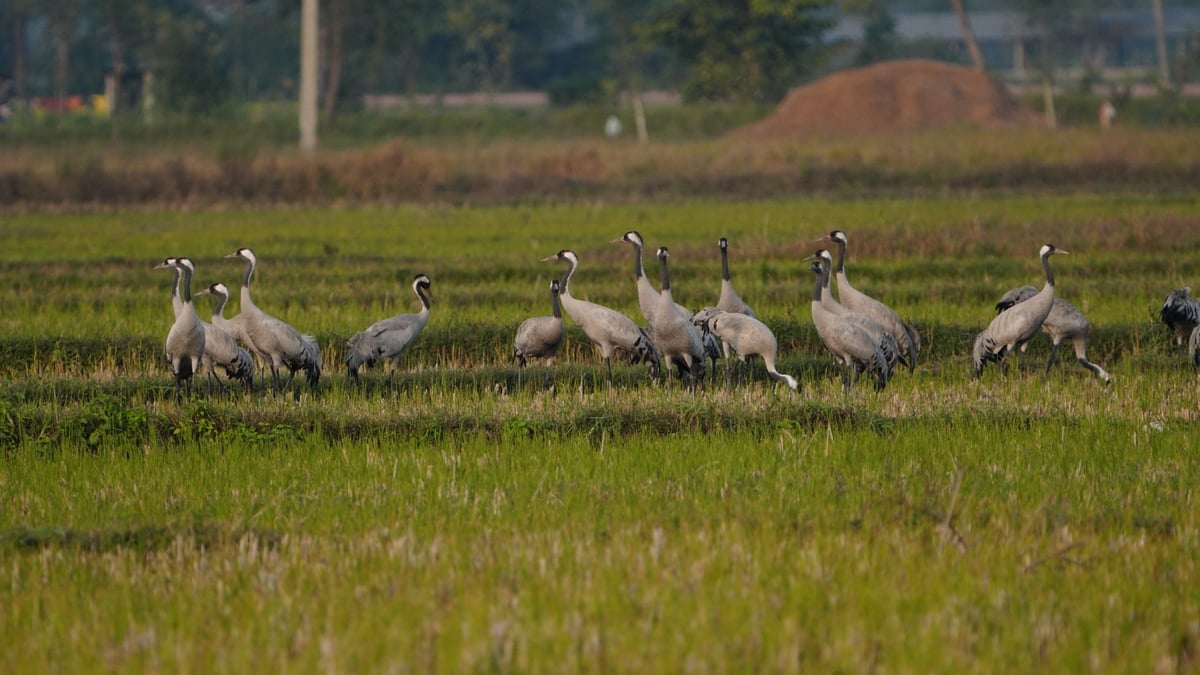
In contrast, common cranes saw a gradual decline in the early 2020s and their numbers have just begun to rise once again. Field ornithologist Hathan Chaudhary observed only 17 sharp common cranes in the Dibyanagar farms 2024, compared to 242 in 2020. In 2026, their number stands at 43 individuals.
The fallow farms, the feeding habitats of birds like the Bar-headed Geese, Ruddy Shelducks, Common Cranes are shrinking rapidly from intensive farming and spread of human dwelling and industries. Farmers now grow mustard, buck wheat, lentils and corn during the dry season, and the use of pesticides and fungicides in standing crops is a threat for migratory birds that feed upon the crops. Meanwhile, the increase in the network of power cables pose threats of collision to migratory birds.
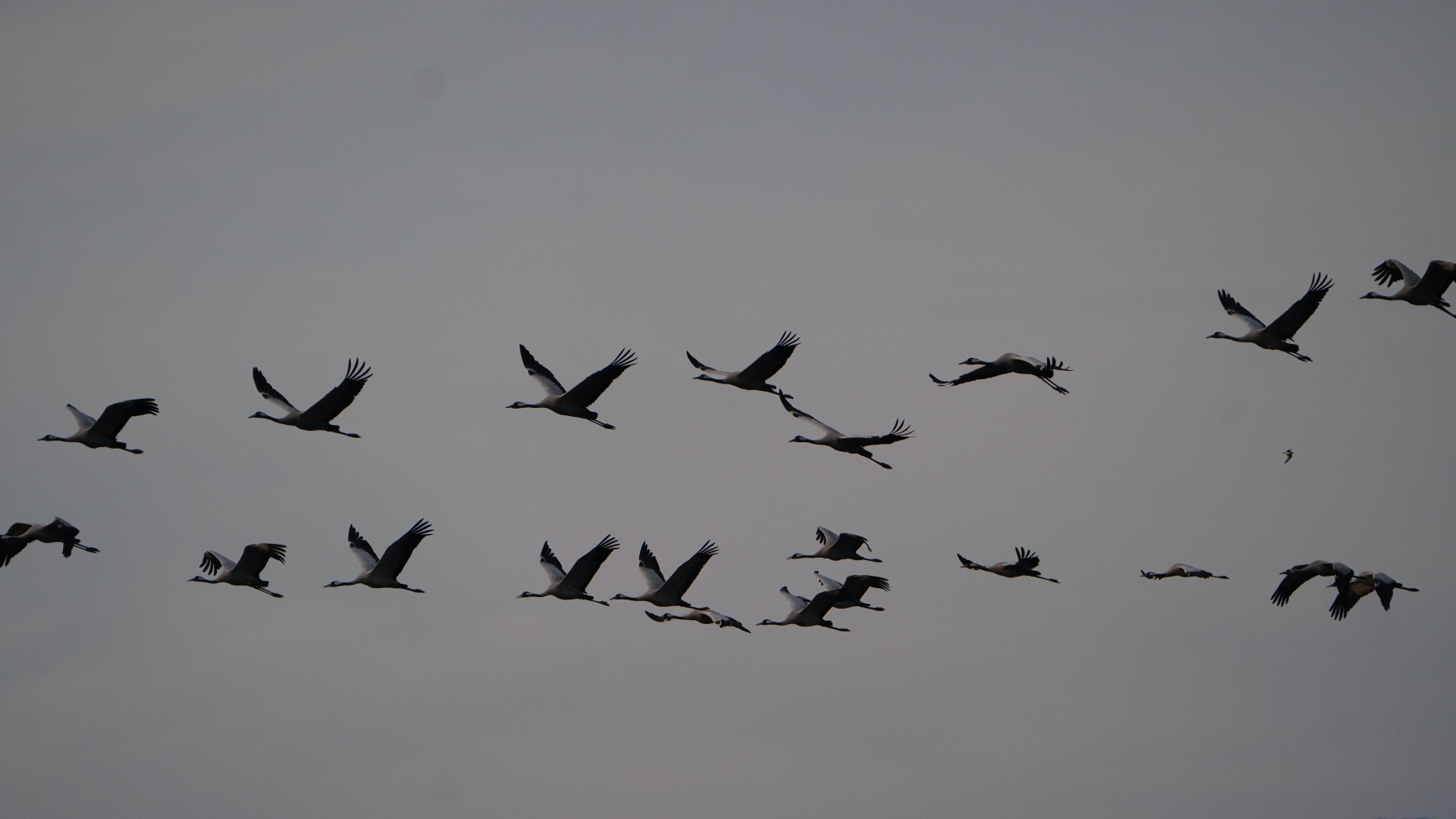
Other threats to wildlife have yet to be addressed. Growing population along the Narayani floodplain upstream continues to pollute the river with garbge. Fallow farms, which are feeding habitats of geese, ducks, and cranes, are shrinking rapidly from extensive farming, expansion of settlements, and industrialisation.
FOWL-FRIENDLY
Protecting our migratory birds requires safe feeding areas with vast expanses of open marshes and meadows inside the Chitwan National Park and the buffer zone to mitigate the loss of their feeding habitat. Divisional Forest Offices and Bharatpur Municipality could set aside large open marshes and wetlands as a sanctuary for migratory birds.
Similarly, reduced availability of water will be a limiting factor for the conservation of wetland birds in the near future. Harvesting and working on groundwater recharge will ensure food security, habitat for migratory birds and other wildlife, and will help local communities combat the impacts of the climate crisis.
Seasonal wetlands are particularly important for birds, with their receding water, they provide succulent grass and roots for dabbling ducks and for grazers and filter feeders such as geese, shelduck, pintails, mallards and gadwalls. Eleocharis, Scirpus and other wetlands plant species that grow tubers serve as food for birds once they are exposed to aerobic conditions.
Enhanced shallow wetlands and surrogate feeding habitats with low angles of approach thus enable birds and mammals to feed. Once these wetlands dry, they expose worms, freshwater shrimps, mollusks, fishes, frogs, roots and tubers, making it easier for birds and other wildlife like rhinos, hog deers, fishing cats, otters, and tigers to forage.
As it stands, the two-year WWF-led community-led conservation of wetlands and migratory birds in Narayani’ project aims to reduce the threats to the migratory birds by enhancing wetlands, capacitating local youth through Behavior Change Champions, and expanding surrogate feeding wetland habitats.
The program is working to sensitise and enable indigenous and local communities towards migratory bird conservation, and hone the skills and knowledge of local bird tour guides, particularly women, in identifying and monitoring the birds habit and their response and adaptation to habitat change. The Behavior Change Champions are trained to rescue injured birds, and interact with local communities to reduce direct human persecution and harming of wildlife.
WWF Nepal is supporting this project through the Terai Arc Landscape Conservation Program. The theme of the World Wetlands Day on 2 February 2026 is Wetlands and Traditional Knowledge: Celebrating Culture Heritage. We must honour this theme and actively contribute to the conservation of the migratory birds, which are our natural heritage, and in the process preserve their connection with local communities, farmlands, and nature.
Rajendra N Suwal is the Head of Partnerships Development at WWF Nepal.