


Regenerative conservation from zoologists in Nepal
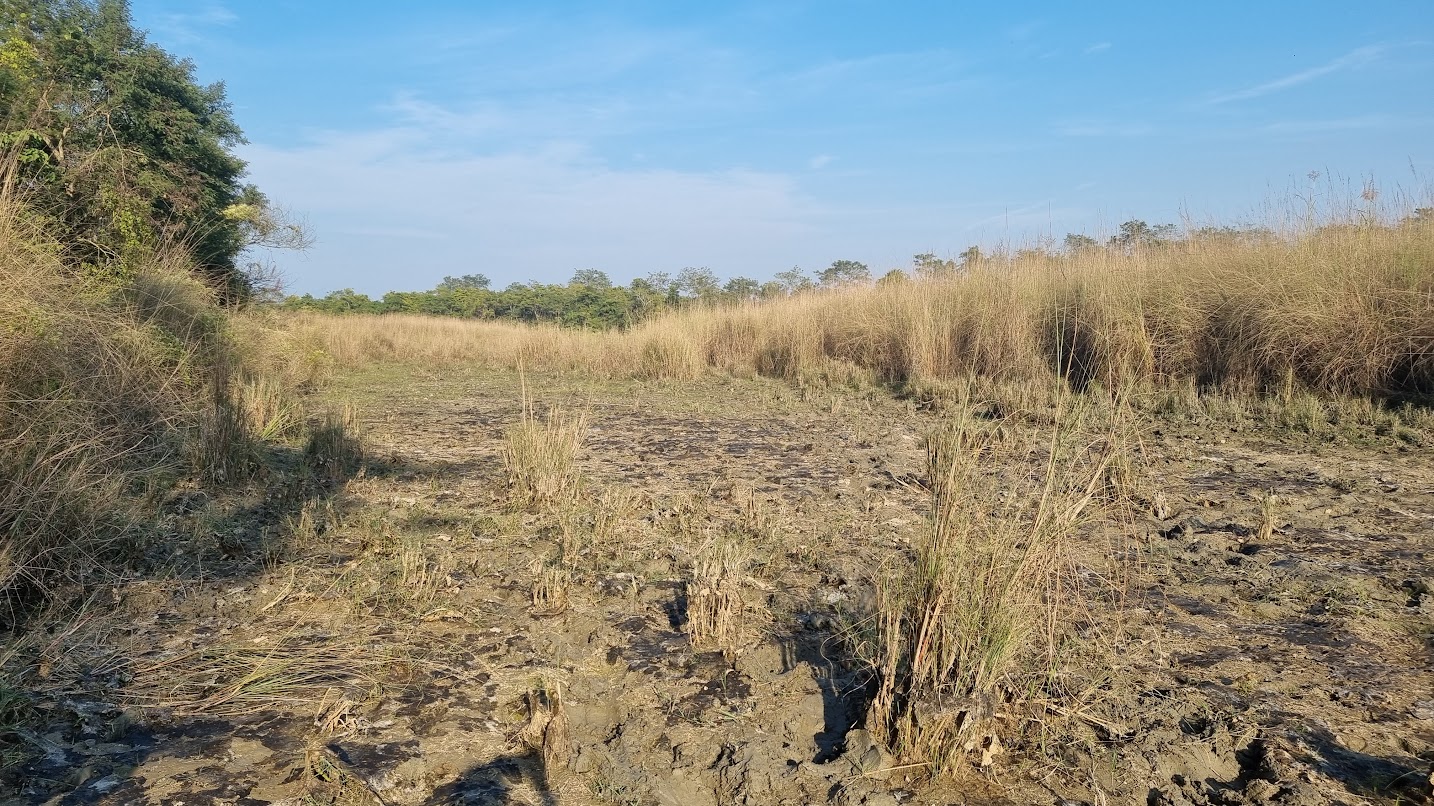
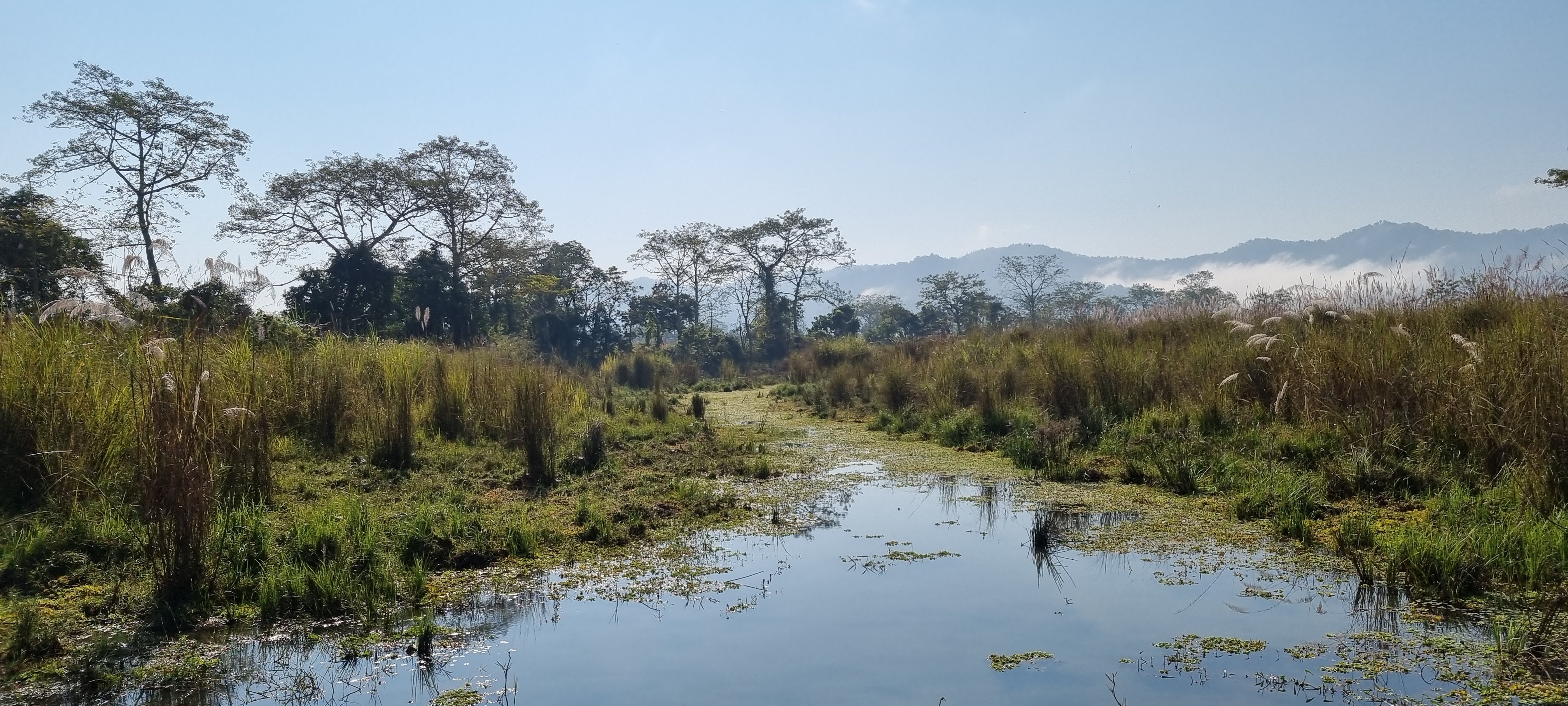
If nature is left entirely unmanaged, ecological succession will proceed in ways that may undermine conservation objectivesIf nature is left entirely unmanaged, ecological succession will proceed in ways that may undermine conservation objectives. For example, grasslands and wetlands in the lowland protected areas of Nepal have increasingly been overtaken by excessive vegetation growth.
Without intervention, grasslands become taller, denser, and coarser, eventually becoming unpalatable to herbivores. Over time, such areas provide shelter and cover but are gradually succeeded by forest. Similarly, wetlands become silted, and open water surfaces are covered by native and invasive plant species.
While this may provide cover, it reduces accessibility for several species to graze or browse and limits hunting opportunities for predators. These habitats effectively become ecological ‘blankets’, unfavorable to both prey and predators. Therefore, large herbivores in protected areas are forced to move beyond protected areas in search of succulent forage during lean seasons.
Stalking the prey, predators come closer to human settlement. Farmers in Nepal’s mountains are leaving agriculture due to crop depredation by monkeys, porcupine and wild boars. Trees are taking over the terraces providing habitat for wildlife.
Restriction and absence of youth in villages for fuelwood collection, fodder harvesting, grazing, and timber extraction in forests have contributed to accumulation of combustible forest litter. Higher up, the absence of grazers leads to the disappearance of forb, dominance of grasses, leading to wildfires.
Nepal has over 300 days of sunshine, and this dries our vegetation faster. Combined with global warming and strong wind in spring, this has sparked widespread and uncontrolled forest fires in recent decades, destroying biodiversity.
Low-intensity surface fires in late winter can control invasive species and stimulating new plant growth, providing forage for herbivores during lean periods. In contrast, crown fires occurring from March onwards when temperature and wind speed are higher, cause severe damage to wildlife, decimating nesting birds, insects, reptiles, mammals, as well as human life and property.
Successful conservation therefore requires strategies to accommodate increasing wildlife populations by ensuring adequate food, water, and shelter within the protected areas and buffer zones. Without such measures, the increased populations spillover into surrounding habitats, corridors, and farmlands and inevitably damage standing crops, human injury or death, and may result retaliatory killings.
Efforts are under way for optimising grassland and wetlands. However, more need to be done to upscale harvest to rain water for food security, biodiversity conservation, to fight climate change and to recharge ground water.
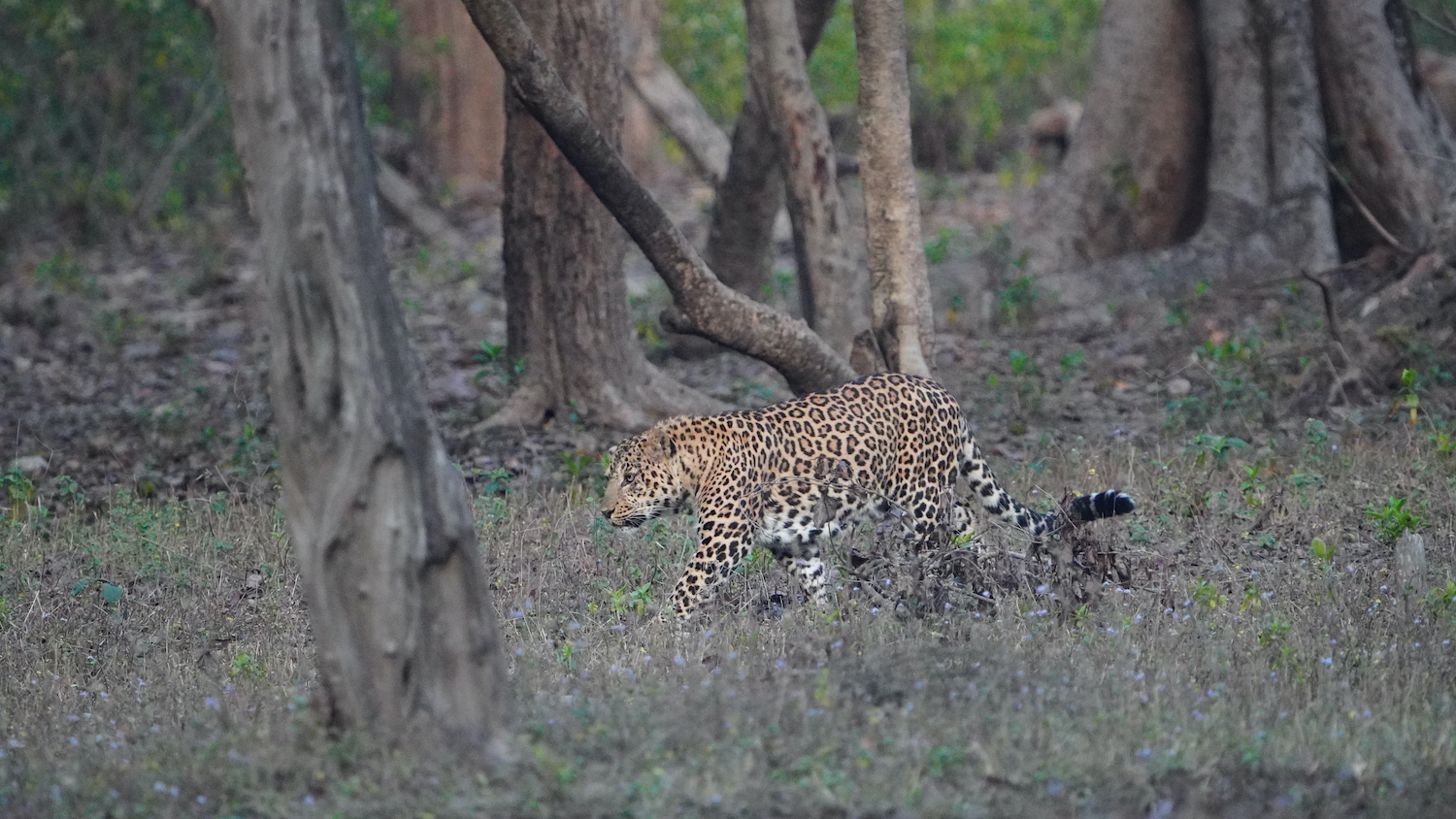
Retaliatory poisoning or electrocution become more frequently reported. Tiger, leopard and wild elephants are primary cause of human fatalities in buffer zones. Recently Himalayan black bears destroyed standing crops and attacked people. Growing tiger population tends to disperse and establish new territories beyond their natal area, bringing them closer to human activity or vice versa.
Human life must remain paramount in conservation, and addressing human concerns is essential for sustainable and long-term conservation outcomes. Limited areas could support only certain number animals of certain megafauna, one must determine the numeric as an indicator for management, minimum viable population, and the limit of carrying capacity.
It is hard to revive an endangered population, but what goes up must come down, and in the meantime, there should be a strategy to retain, relocate, deter, contain, or control the population, to safeguard human and crops for food security.
Despite Nepal’s rich biodiversity and ecosystem services, the country generates limited revenue from biodiversity conservation. Although forest cover exceeds 45%, timber imports remain high, reflecting a negative economic growth. If mature timber is not harvested it become susceptible to fire hazard, emitting carbon.
More than 23% of Nepal’s land area lies within protected areas, yet only a few derive enough ecotourism revenue. Other protected areas receive very few visitors. Limited entrance access to the protected areas also deprives many outlying communities of tourism economy. It is limiting benefits to local communities despite provisions allowing up to 50% of revenue to be allocated to buffer zone communities.
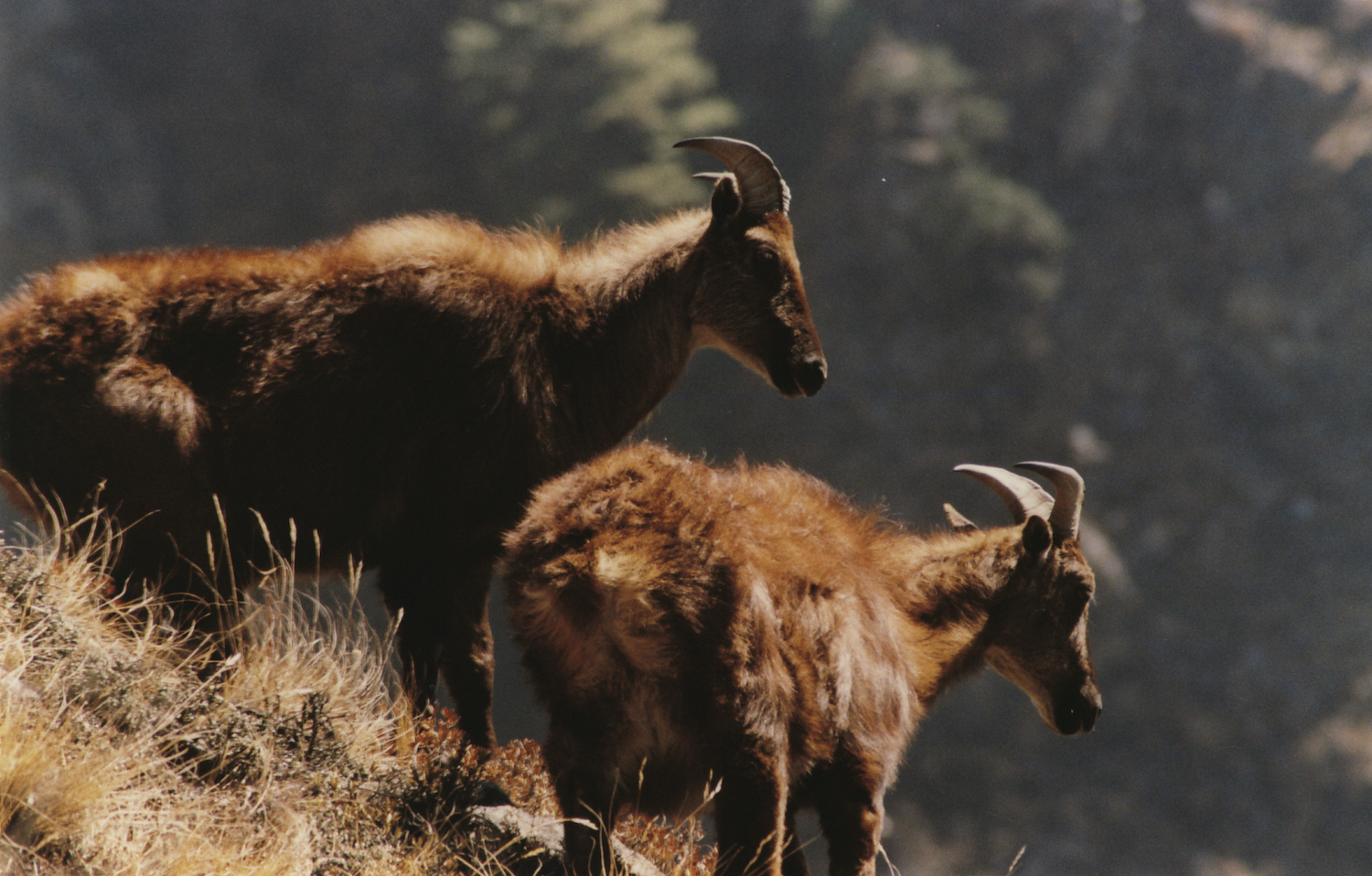
Dhorpatan Hunting Reserve stands out as a successful revenue model, generating high income from low number of visitors through high-value hunting tourism. Hunting permits are auctioned annually, with fees of approximately $6,000 for Himalayan tahr and $5,000 for blue sheep.
There are no plans to establish new hunting reserves like Dhorpatan despite the growing demand for high-value tourism products. International examples, such as Pakistan’s Astore Markhor, which has fetched bids exceeding $370,000, per animal demonstrates the economic potential of regulated trophy hunting.
In Africa, surplus megafauna is hunted to control the population, thereby contributing to national economy and safeguarding ecology, and reducing human wildlife conflict. While US is heavily reliable in hunting, fishing and outdoor activities. They determine annual quota for various wildlife and birds.
Conservation priorities should emphasise safeguarding ecologically important species, including predators, scavengers, rodent controllers, insectivores, pollinators, seed dispersers, and aerial feeders that regulate growing populations. Economically important wild fish, reptiles, game birds, game mammals, and edible mollusks should be studied for science-based, seasonal, and quota-regulated harvesting from designated areas. High-value species should be identified, protected, and sustainably harvested to generate revenue through premium tourism.
The introduction of Russian wild boar in 1976 in Nagarjun and Shivpuri has led to range expansion and significant crop damage has been reported across the central Mahabharat region. Similarly, rhesus monkey populations cause substantial agricultural losses in many hill villages.
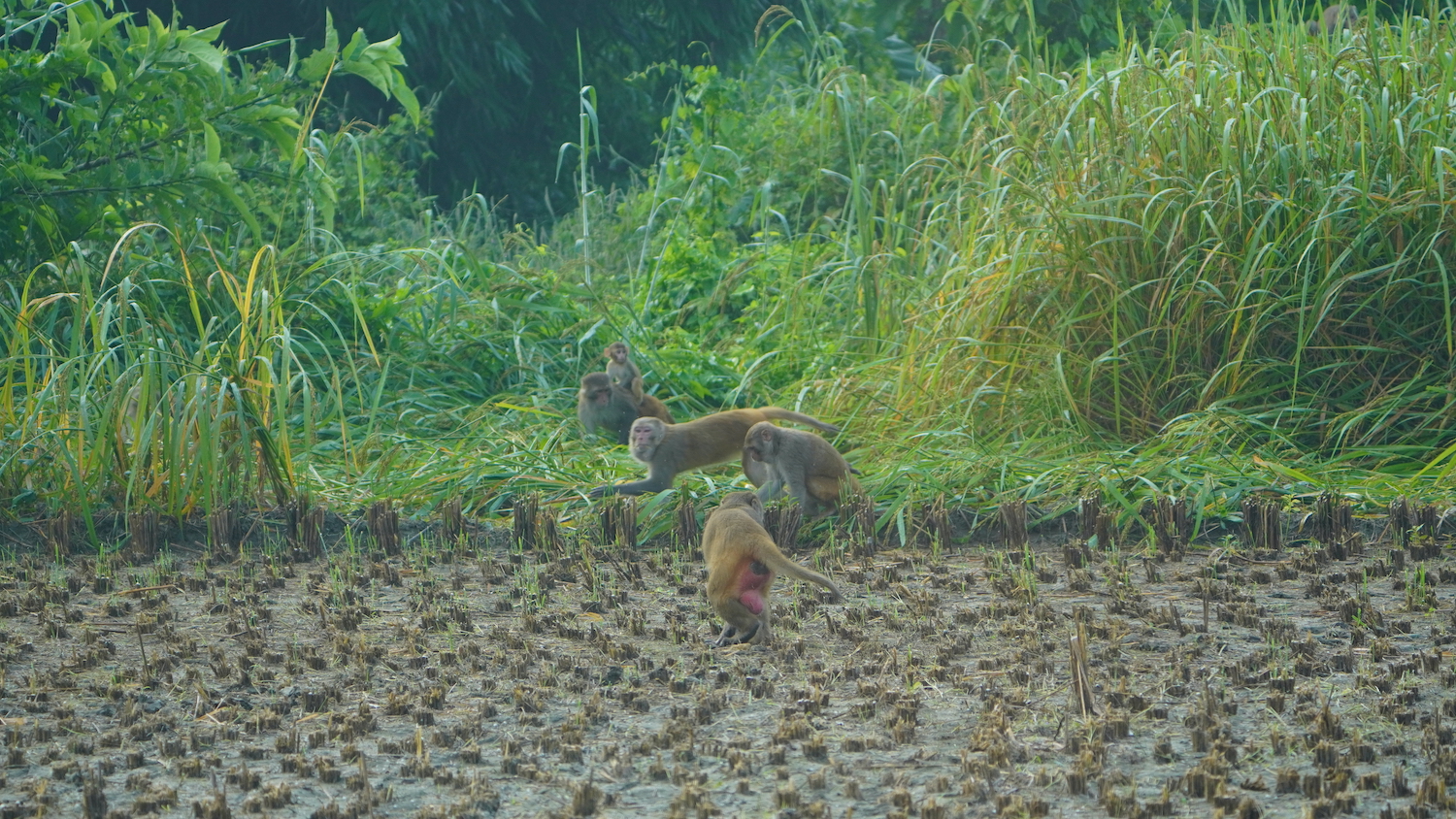
Although the government has declared both as pest species, ambiguous regulations have hindered effective population control. Allowing licensed harvesting of invasive Russian wild boar, for example, could create opportunities for farm-based tourism, enhance food security, and generate revenue and reverse the migration of people to rural areas.
The sarus crane is an aesthetically iconic species, with lifelong pair bonding, and cultural significance. In many agricultural landscapes, particularly in South Asia, the sarus crane is informally protected by farmers who recognise its ecological and cultural value. Farmers often tolerate crop damage, and refrain from harming nesting pairs, and in some cases actively safeguard nests and chicks. Such community-led stewardship reflects a harmonious coexistence between agriculture and biodiversity conservation. This may not be a case for other species.
Science-based research is urgently needed to assess the impacts of pest species on agriculture, apiculture, fisheries, poultry, and livestock, and to develop effective control strategies that also support income generation. Even charismatic and iconic species may require management interventions once populations exceed ecological or social thresholds and begin causing human losses.
Various stringent regulations are in place for culprits, however, there should be legal provision for economic incentive to support livelihood from the common, or pest species for the indigenous and people living in remote areas.

Lessons from African models, where problem animals are auctioned and their revenues support conservation and community compensation, could offer viable solutions. The National Parks and Wildlife Conservation Act of 1973 provide legal provisions for hunting game mammals, game birds, pest species, and problem animals. And for wildlife farming, but it must be complimented by qualified Zoologists. Problem species are defined as individual or a population of animals posing direct threats to human life and food security within specific areas.
Nepal could categorise wild animals for management and conservation and regulations. For instance, IUCN and globally and NPWC Act protected species, nationally endangered and ecologically important animals and trophy hunting species could be regulated under DNPWC and federal government.
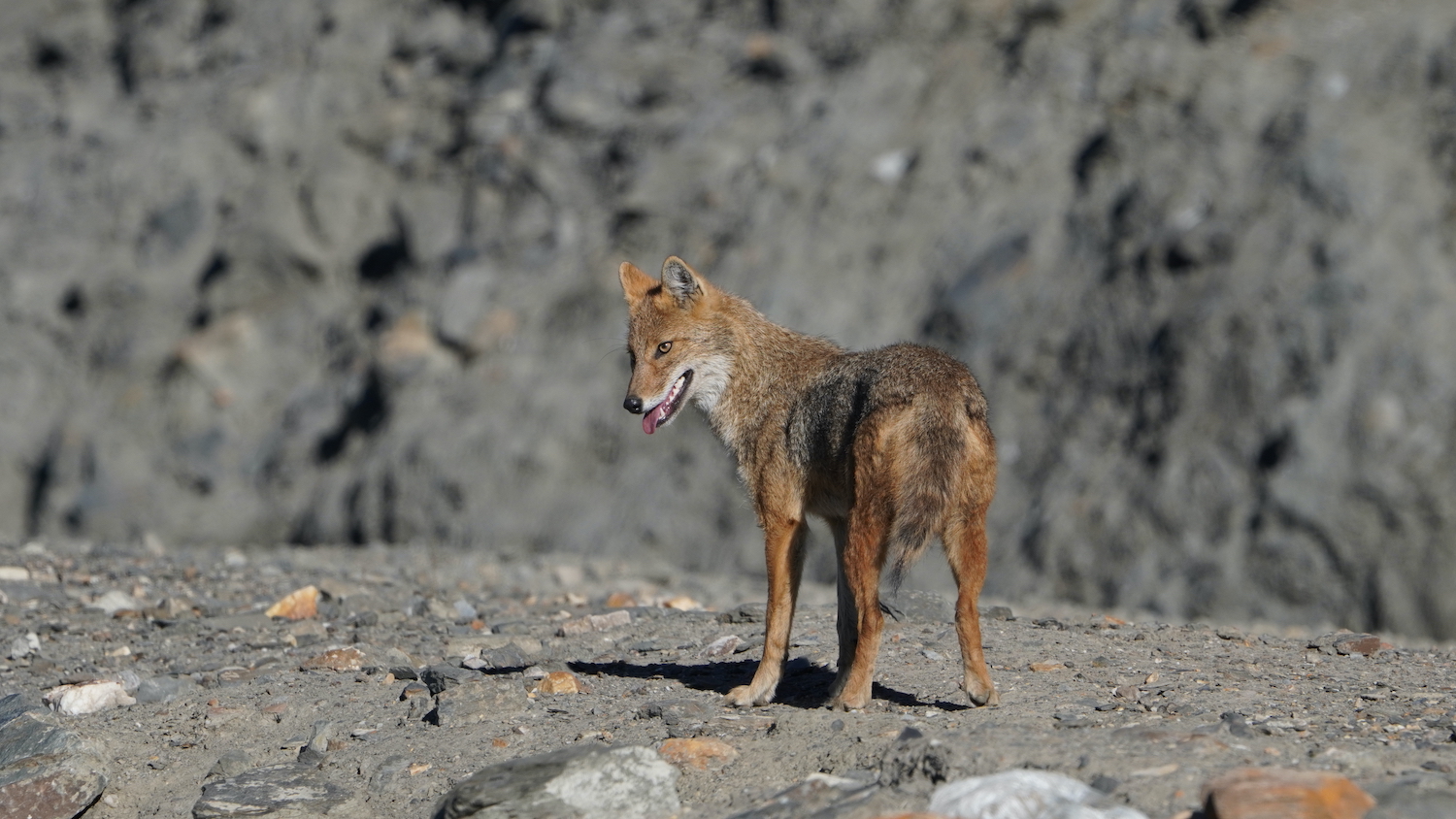
Provincial governments could take the responsibility of conservation, do inventory and monitor and regulate the harvest of peripheral game species, pest/vermin species and control of problems and harmful to human and crops and health related species. Small predators such as marten, civets, jungle cats and jackals are a nuisance to poultry farmers and goat farmers.
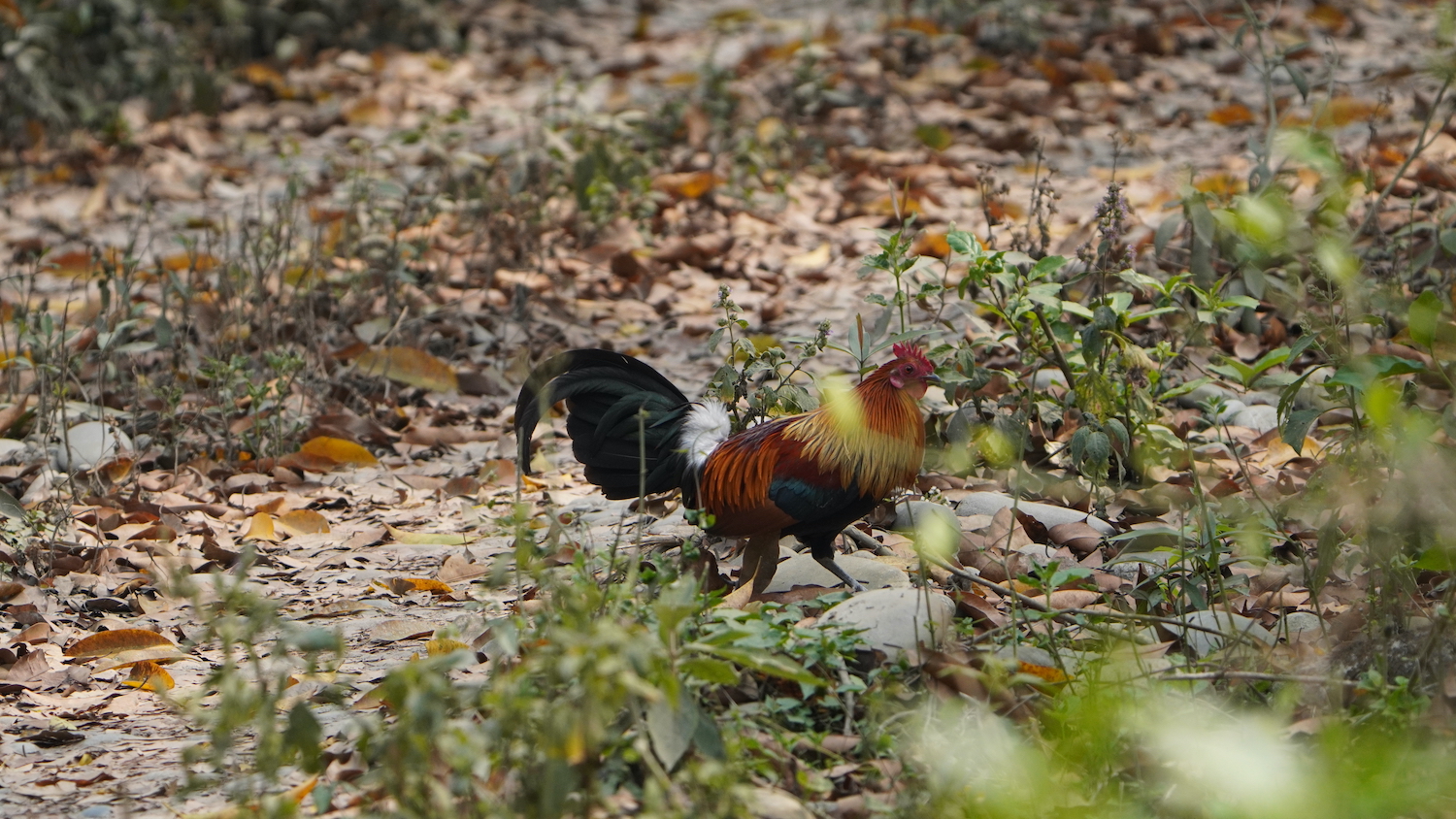
A nationwide zoological survey could classify species based on abundance, rarity, economic value, pest status, and conservation priority. There should be an opportunity to include hybridisation with wild stocks to improve domestic breeds, such as wild arna with domestic water buffalo, bison with cattle, and red jungle fowl with domestic chickens.
Monitoring the zoonotic diseases is another field of importance, including Covid-19, Nipah virus, avian influenza, avian cholera, foot-and-mouth disease, swine fever, parvovirus, canine distemper and rabies—to reduce risks to public health and protect the national economy.
Producing forensic Zoologists is increasingly important for identifying illegally traded species to determine the species and produce evidence to sentence the culprits.
Monitoring bird diversity and fauna in airports is an important task for zoologists to reduce, deter or prevent birds and wildlife hazards in the airport, aircraft and passengers’ safety. International Civil Aviation Organization (ICAO) provides guidelines to induct ornithologists to keep the records to bird strike in the planes and deter birds and wildlife in the airports.
If Nepal effectively utilises the expertise of zoologists in all tiers of government in species research, population dynamics, and ecotourism planning, it could strengthen biodiversity conservation while generating revenue and supporting economic development.
Over the past five decades, the Central Department of Zoology at Tribhuvan University has produced more than 2,000 MSc graduates. However, very few have been absorbed into government, with most employed in education, pursuing alternative careers, or emigrating.
In contrast, graduates in forestry, botany, microbiology, and environmental sciences have secured greater representation in government roles. The Department of Zoology must evolve to meet modern demands with applied research, wildlife management, and revenue-oriented conservation strategies aligned with the regenerative nature of fauna.
Rajendra N. Suwal is Vice President of Nepal Zoological Society in Kathmandu.