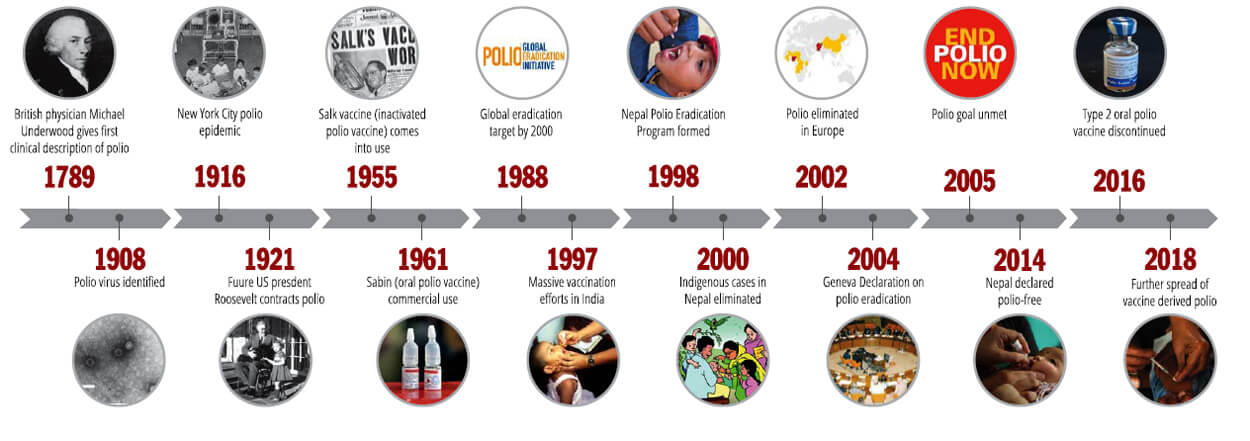
Polio eradication is one of the most ambitious public health initiatives undertaken in human history. Launched in 1988 by the World Health Organization (WHO) the campaign aimed to rid the world of the virus by 2000. But 30 years on and $15 billion later, even though polio cases worldwide have been reduced by 99%, there are still isolated pockets of the disease. And unless every last case is removed, there will always a chance that the infection will come back.
Encouraged by the eradication of small pox, WHO launched the campaign in 1988. The organisation debated the wisdom of spending so much time and money to exterminate a disease when there were many other more pressing health concerns like malaria, TB or diarrhoea that kill many more people.
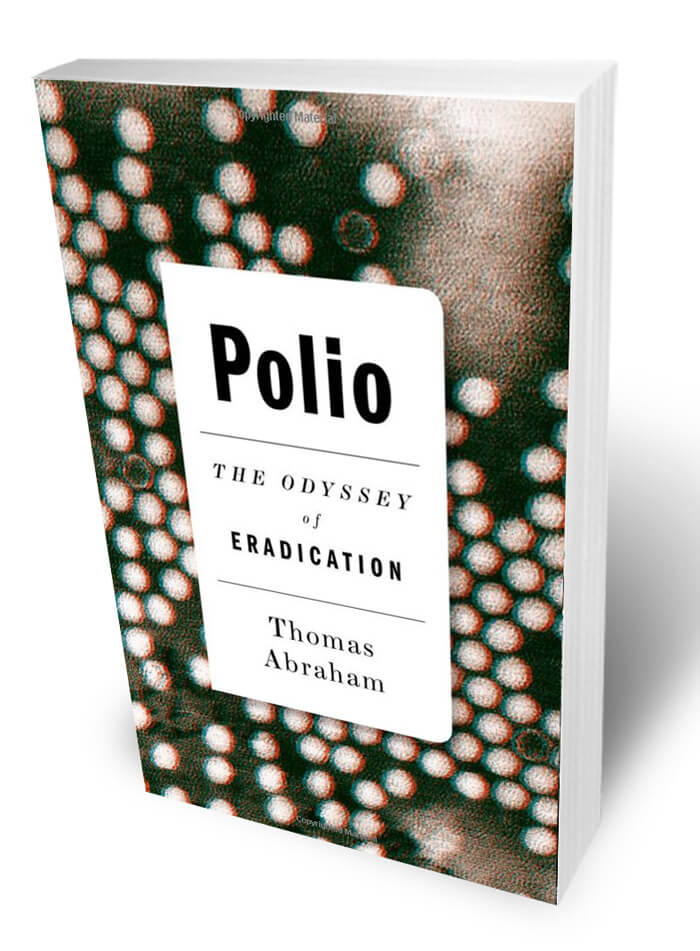
Thomas Abraham, a journalist who taught health reporting at the University of Hong Kong, has tried to answer this and other questions in his new book Polio: The Odyssey of Eradication. He says polio was held hostage by geopolitics, and traces the reason why countries opted for a weak vaccine against a strong virus. The author concludes that future global campaigns that zero in on just one disease must be weighed against the necessity of upgrading public health, especially in poorer countries.
In Nepal, indigenous polio was eliminated in 2000 after the country responded to WHO’s eradication goal by adding polio to its successful campaign of vaccination against other diseases. However, there were still polio cases in Nepal brought over the border from India. The last case of polio was detected in Rautahat district in 2010, and Nepal was finally declared polio free four years later.
In response to a query from Nepali Times this week, however, Abraham said Nepal is not out of the woods yet. “If polio re-emerges in India, particularly UP and Bihar, this would be a major challenge to Nepal,” he said. “Also, if levels of routine childhood immunisation fall in Nepal there is a danger of outbreaks of vaccine derived polio, as we are seeing in a number of countries.”
Even though polio has been largely removed, there are still cases in Pakistan, Afghanistan and Nigeria where vaccination campaigns have been thwarted by religious extremists. Ironically, enmity between India and Pakistan and the heavily guarded border between the two countries has minimised the risk of polio spreading via India to Nepal.
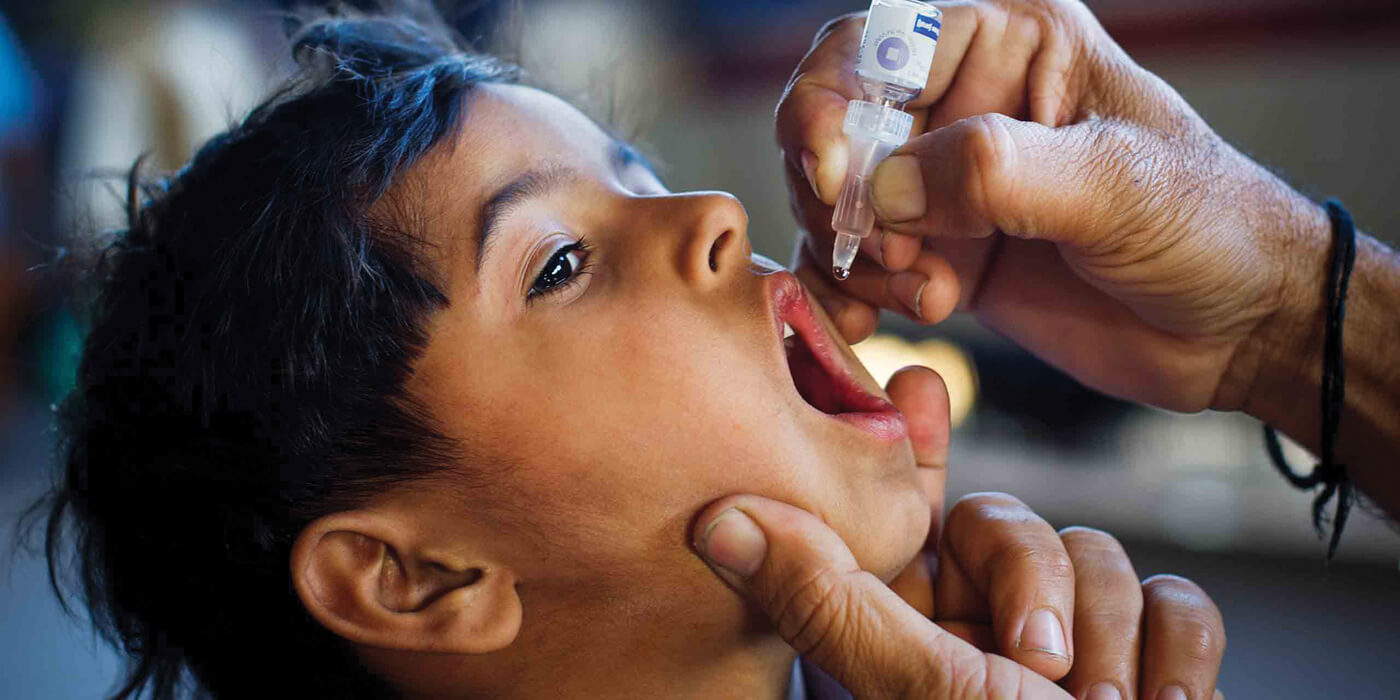
Polio derived from oral vaccines has emerged as a new threat to the eradication campaign. By 2016, WHO deployed a combination of Inactivated Polio Virus (Salk vaccine) and bivalent oral vaccine to prevent further outbreaks.