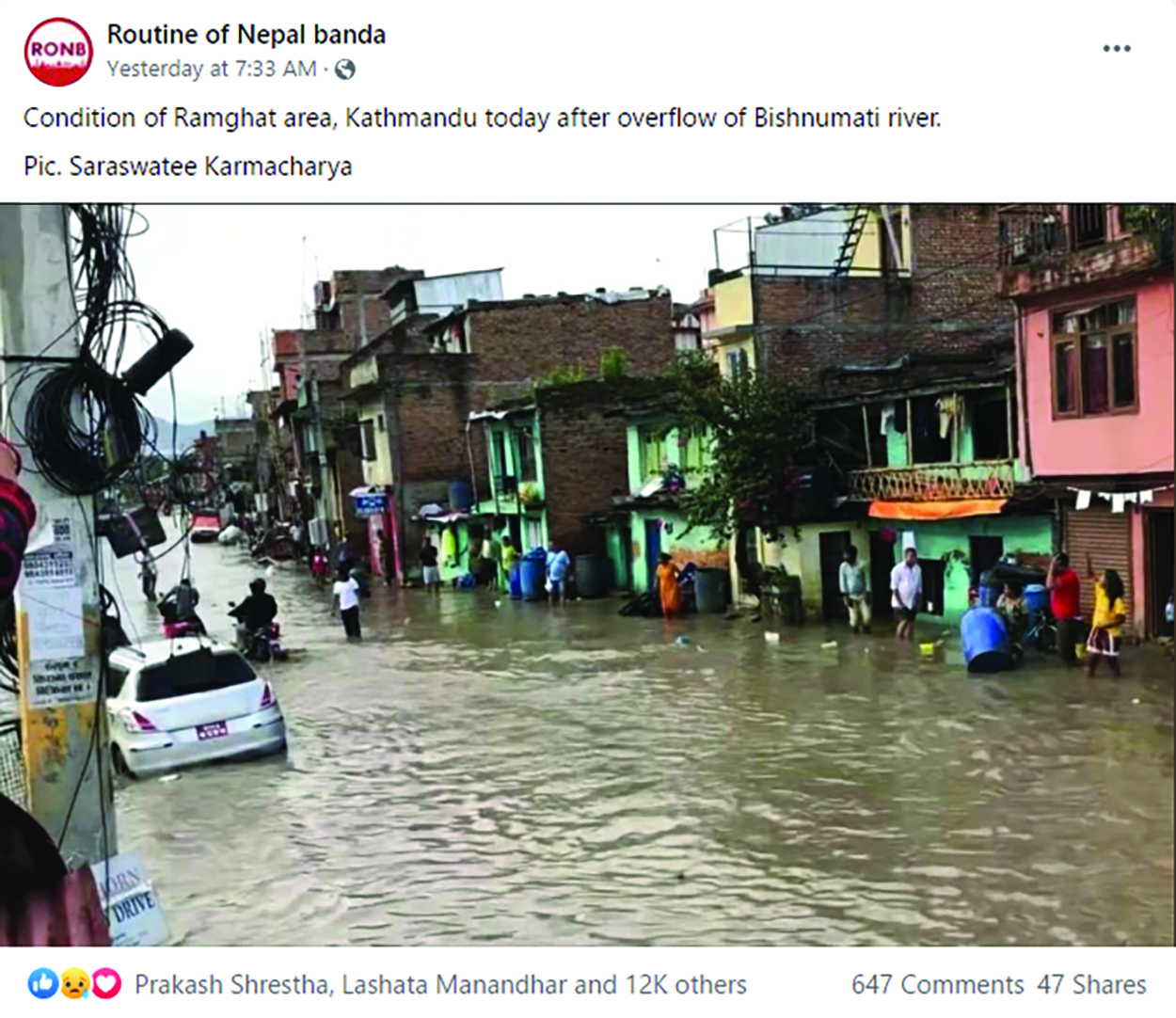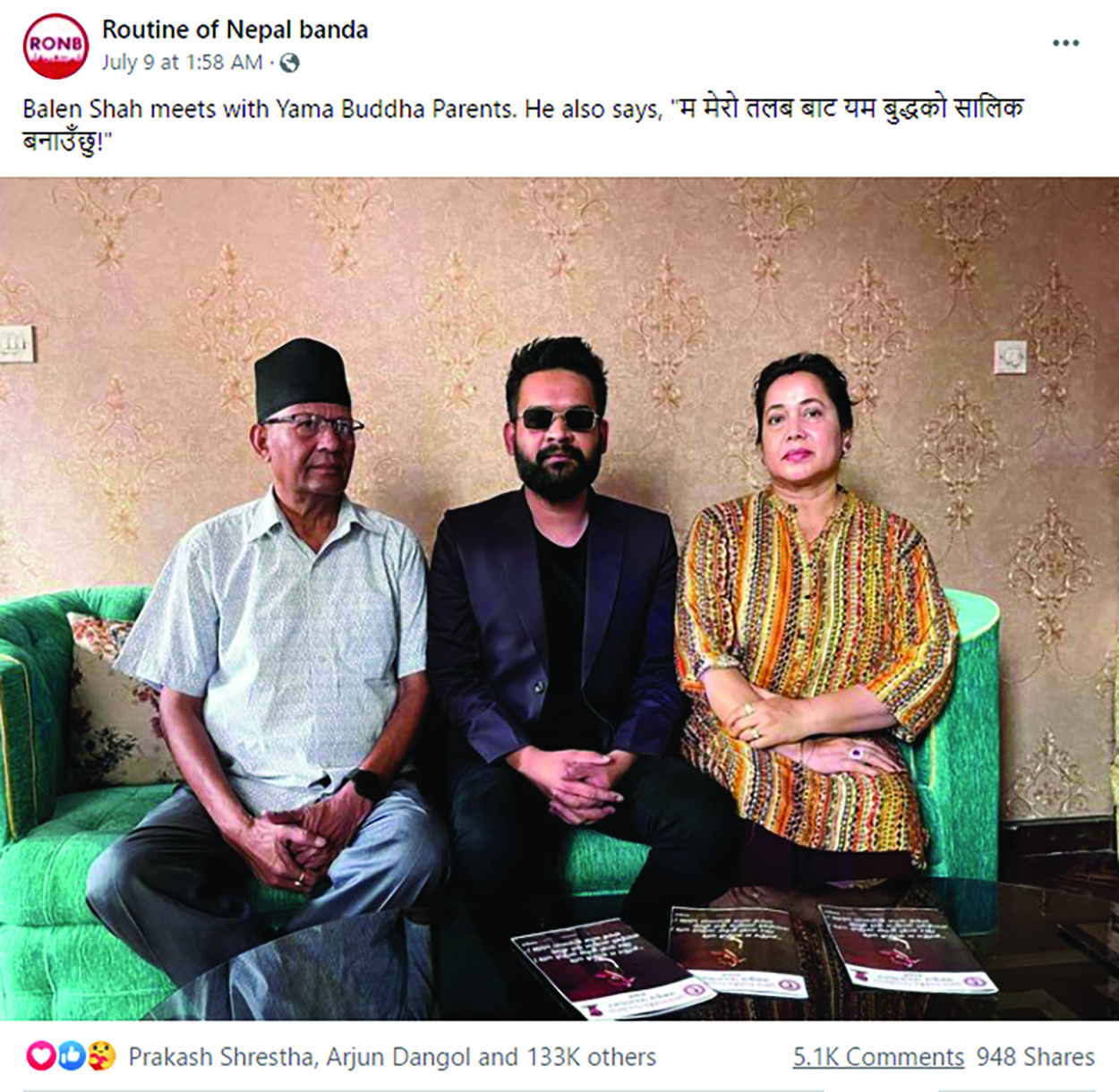
A Facebook page started by a student to inform citizens about power cuts and political shutdowns has in 11 short years grown into Nepal’s most popular media enterprise.
At a time when the mainstream press and digital portals struggle to survive, Routine of Nepal Banda (RONB) is not only a vital source of information for millions of Nepalis in the country and the diaspora but even makes money while doing so.
Victor Paudel had just finished his SLC exam in 2011 at a time of unstable coalition politics and when parties would routinely enforce nationwide shutdowns. So, he opened the RONB Facebook page to provide the public information about the strikes, and its effect on ordinary citizens.
It was an instant hit, and the bilingual page became a go-to source of information not just on shutdowns, but also loadshedding timetables, resource for patients seeking blood donors, and even an effective lost-and-found platform for missing passports and other valuables.
RONB’s followers grew exponentially in 2015 after the earthquake, when hundreds of thousands of families spent months in tents and found the Facebook site a prompt and credible resource readily available on their mobiles. It got another boost in the past two years of lockdowns, when home-bound Nepalis gravitated by the thousands to its Facebook page for the latest information on the pandemic.
Today, RONB has 3.4 million followers on Facebook, 1.1 million on Instagram, nearly 475k followers on Twitter, and his TikTok posts regularly get half a million views. It also has a YouTube channel and a homepage that looks more like a regular media portal. RONB is now registered as a private limited media company, and has spawned many imitators.
Read also: Paradigm shift in Nepali media, Shristi Karki

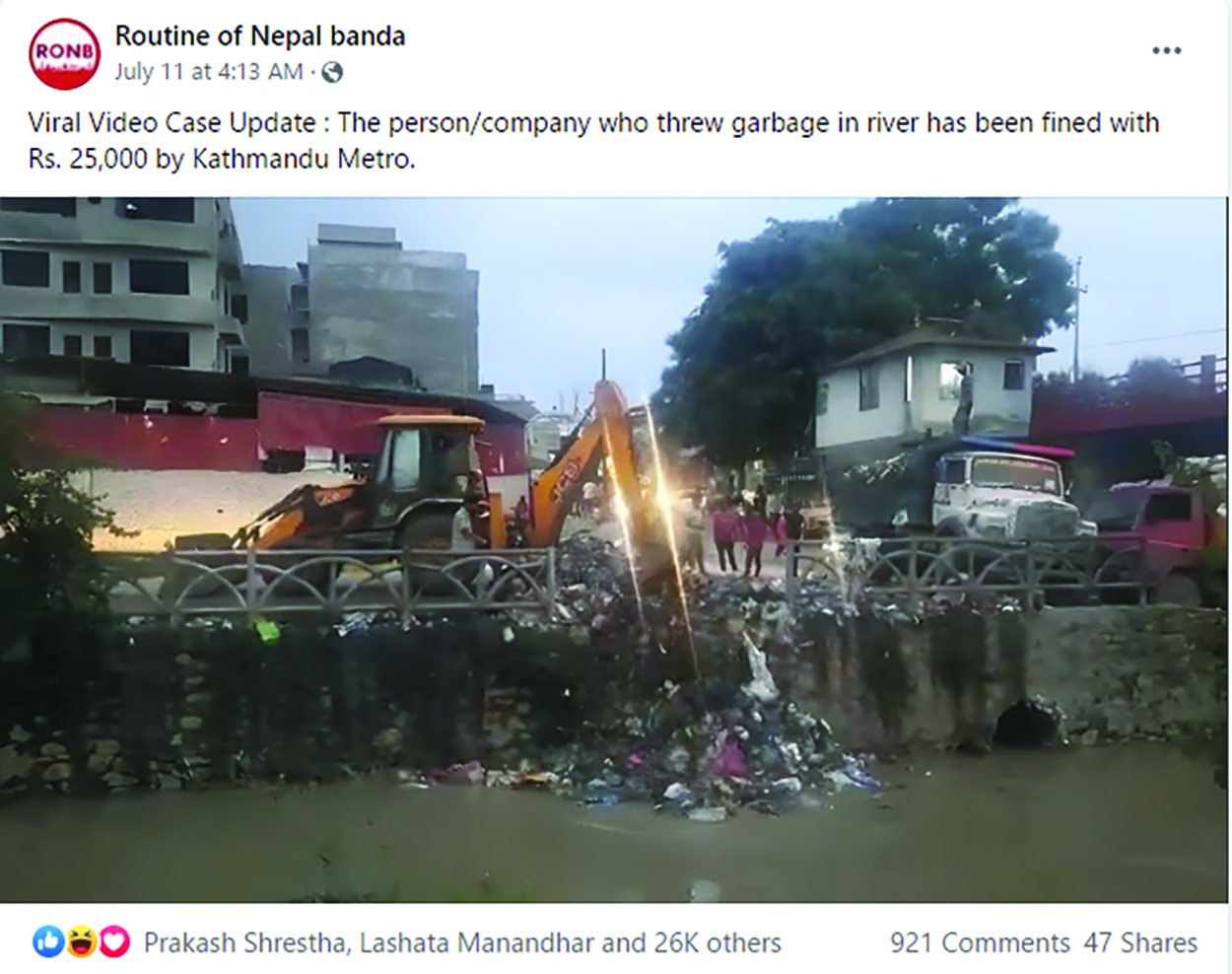
RONB perfected a formula of targeting Nepali youth with mostly user-generated content that is relevant and reliable, and complementing the reach of the mainstream press with photo, video and text submissions by thousands of citizen journalists all over the country.
The brand’s rapid rise was possible because of the spread of mobile data connectivity in Nepal. The number of Facebook users in Nepal has expanded from barely 1.2 million in 2011 to nearly 13 million today, although growth has slowed as users migrate to TikTok and YouTube. More than 90% of Nepalis today own mobiles, and 67% smartphones.
RONB was not an overnight phenomenon: it has taken a decade of curating the content for positivity, relevance and credibility. Users prefer its snapshots of Nepali life and its interactive nature. Most posts have thousands of comments, and the sites look like a constant conversation in the Nepali public sphere.
The RONB sites are especially popular among overseas Nepalis, who do not want to be overwhelmed with information overload, and prefer the news in easy-to-digest snippets. Feedback in the comments section often addresses Victor Paudel with the intimate “रुटिने दाइ”.
Read also: The message is the medium, Editorial
“For the past ten years, I have associated Routine of Nepal Banda with factual news,” says Avishek Bist, an engineering student in the UAE. “I know that this page takes its content seriously.”
Users also seem to like its positive take on happenings in Nepal, at a time when much of the mainstream press is filled with news of corruption in high places, political intrigue and cynical op-eds. While the legacy media’s social media posts with links to stories may get a few hundred likes if they are lucky, RONB’s uploads regularly hit tens of thousands of likes and shares.
RONB has seen a steady increase in its following ever since it started, and it does not show any signs of stopping, according to socialblade.com. After ignoring it for a decade, Nepal’s business community, advertisers and politicians finally appear to be taking notice of its reach. RONB is now monetising its content, and accepts product placements through native advertising, although Victor Paudel has said in interviews that he is selective about brands that he promotes to ensure quality and reliability. The language also avoids hard sell, and most paid posts are subtle and read like regular content.