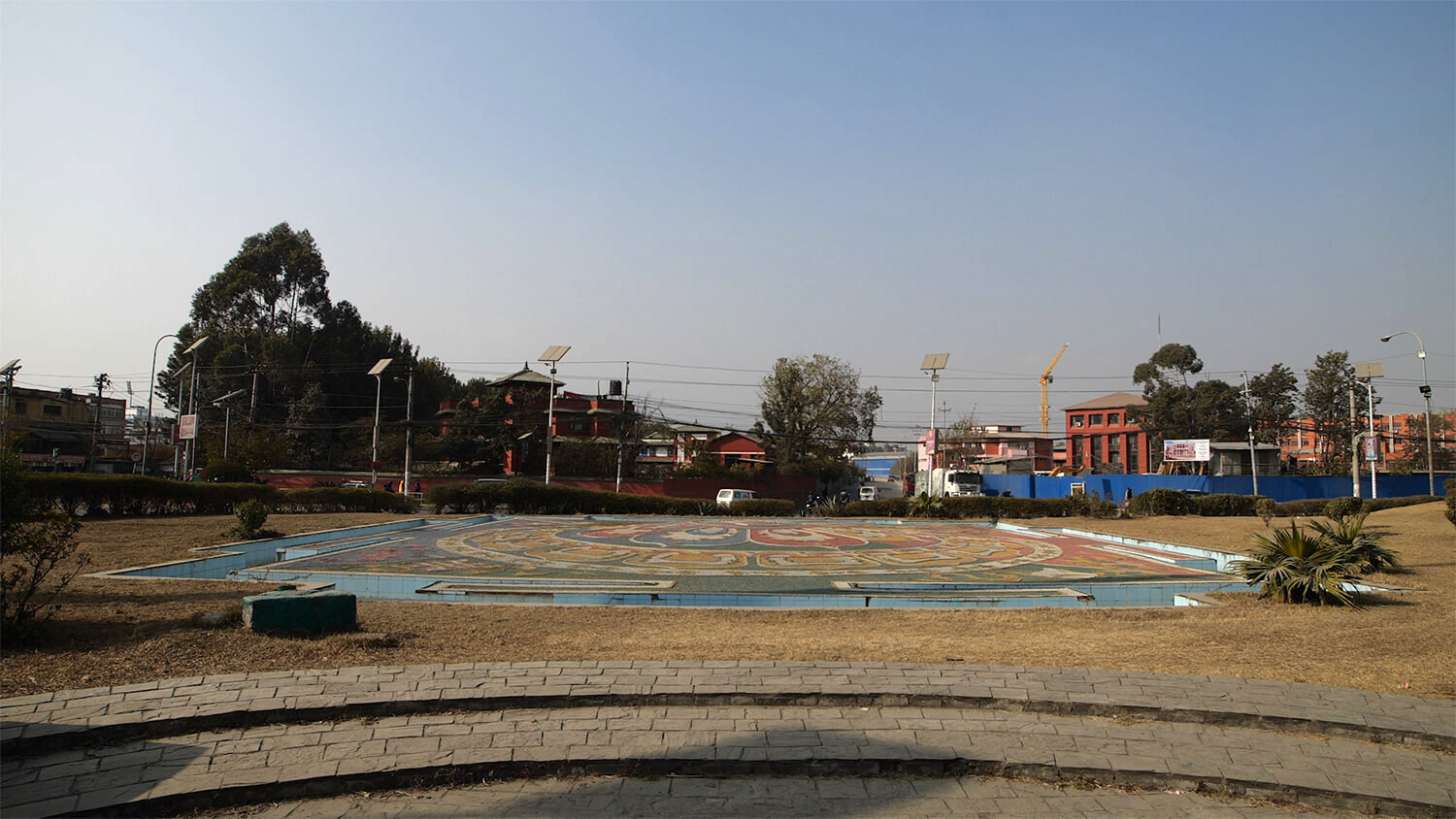
Many people do not know where Maitighar intersection got its name: there used to be the office of the Nepali movie माइतीघर in the 1960s with a sign board there. In 2002, Mayor Keshav Sthapit had the Mandala built for the SAARC Summit, and the area automatically got the name माइतीघर मण्डल. This later became the preferred site for civic protests.
In this week’s episode of Saglo Samaj, Kanak Mani Dixit speaks to Renchin Yonjan who oversaw the construction of the Mandala, the only artistic open space built in Kathmandu in the past four decades.
Kanak Mani Dixit: How did the idea of constructing this Mandala come about?
Renchin Yonjan: Originally, it was called ‘Garden of Hope’ to give Kathmandu residents a small oasis of beauty at a time when its heritage was disappearing. The mandala was added later. It was meant to be a symbol of impermanence and that if we do not protect it aesthetic beauty can be ephemeral.
And for the past 20 years, Kathmandu’s commuters have passed this site every day and experience that moment of peace. How does that make you feel?
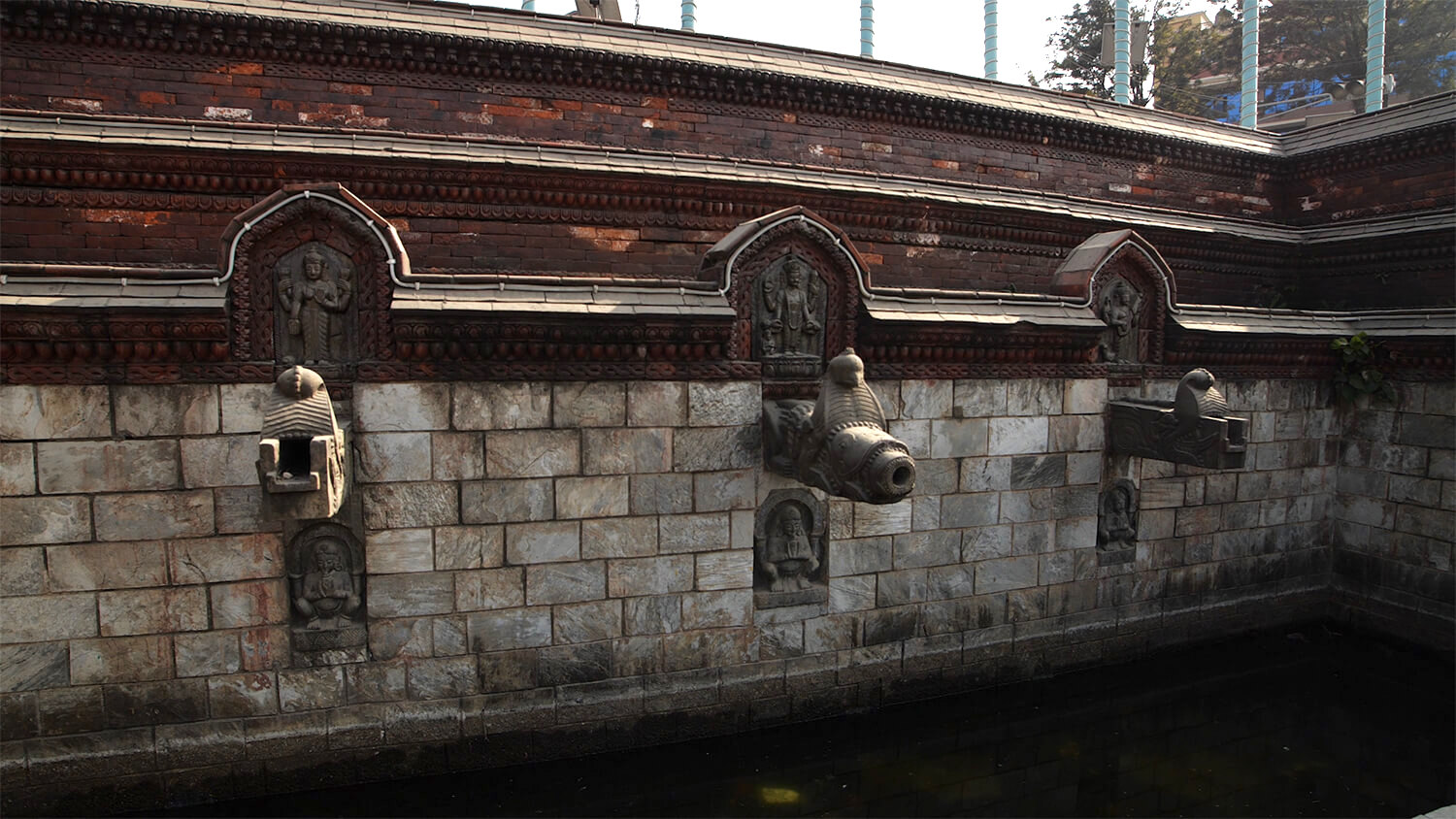
There is a sense of satisfaction, but also dissatisfaction. The upkeep is not as we had intended. There was supposed to be water here, the stone spouts are dry, the grass is supposed to be green. Still, I am glad that there is this sight for sore eyes amidst Kathmandu’s chaos and urbanisation.