Every new crisis heightens the importance of labour migration for Nepal’s economy. Remittance money has run this country for past centuries, right down to the present day.
A succession of rulers have not offered citizens even the bare minimum to survive, so Nepalis have voted with their feet – as workers or warriors overseas. Now, women have also started migrating, and about 10% of Nepali workers abroad are female.
Remittance accounts for more than a quarter of Nepal’s GDP, an ever-growing portion of which is from women workers abroad. Many are employed in India and in countries banned by the government, which means they are missing from official records.
The history of labour migration from Nepal has its roots in the Nepal-British India wars. Even before the formal defeat of the former Gurkhas were being recruited by Sikh king Maharaja Ranjit Singh in Lahore having seen their bravery at the battle of Kangra in 1815. The word Lahure, लाहुरे, denotes soldiers and men working abroad and is derived from the British cantonment in Lahore.
Migration of Nepali men for work and/or settlement is comparatively well documented, but women not so much. Even more neglected is the sacrifice and contribution of the women left behind in Nepal.
Read also: 'Lahureys’ prop Nepal’s economy, Rajendra Dahal
In his new book Lahure Women: Two Centuries of Struggle, Service and Silent Fortitude, Nepal scholar David Seddon looks at the role of the लाहुरे, the daughters, wives, mothers, sisters, aunts, grandmothers of Gurkhas and latter-day migrants in the Gulf, Malaysia and other countries.
This is an attempt to bring women to the fore, and shed light on their changing role in Nepali society. The book has a brief history of Gurkhas in wars of the last 200 years, and the role of Lahure women.
Labour migration was also the beginning of women empowerment in Nepal. Women left behind had to take care of families and farms after the men left. The difference today is that the women are also leaving in greater numbers – to work as caregivers in Israel and as household help in the Gulf countries.
This is the driving force behind the increasing purchasing power of Nepali families, the dramatic fall in the poverty rate, and the spurt in grassroots development. Families in villages can now afford more nutritious food, healthcare and ‘boarding’ school education for their children – paid for by remittance money sent home.
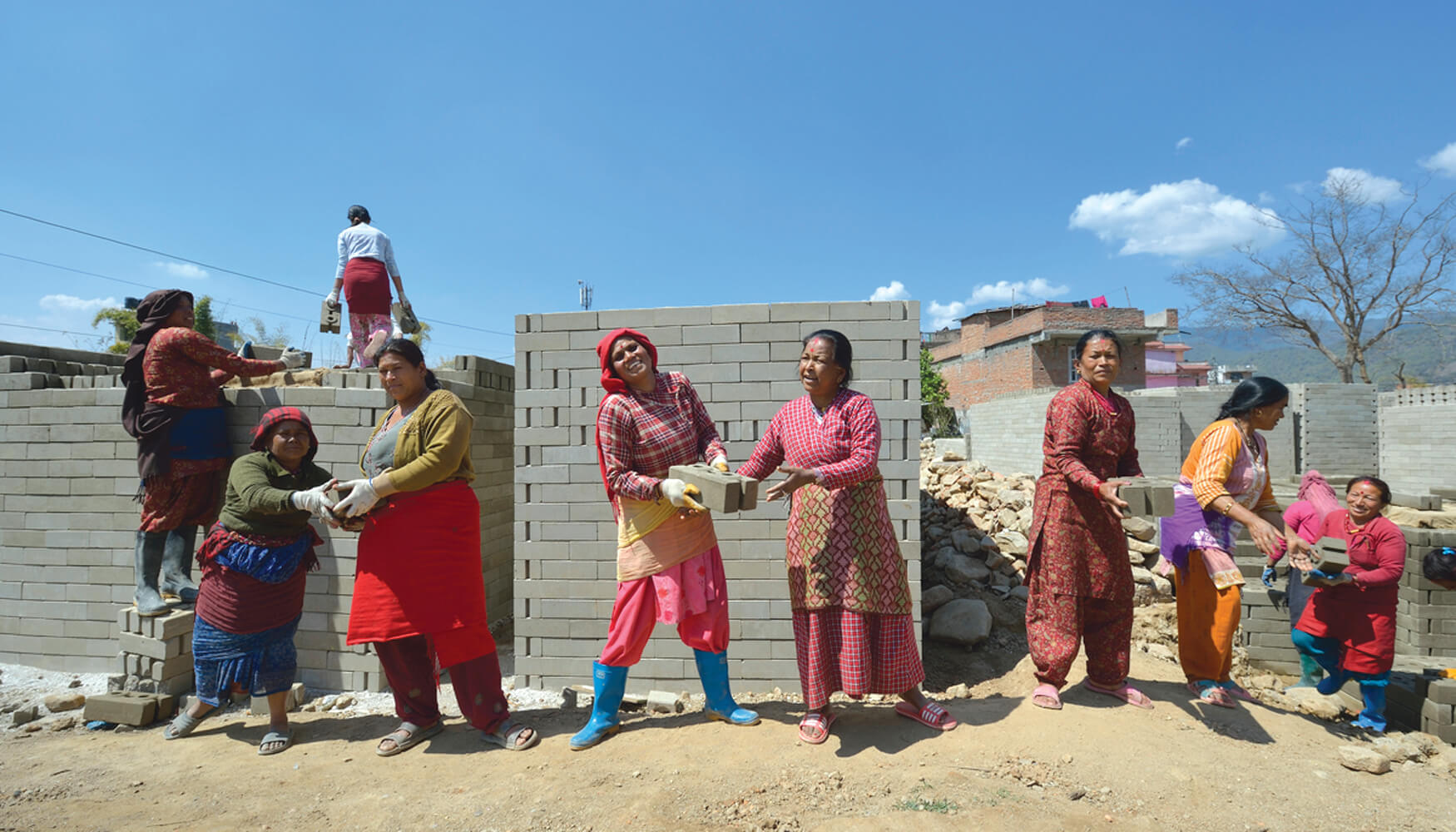
Many women who initially faced increased burden in absence of men are now leaders of their communities. They head forestry users groups, are in school management committees, volunteer as community health workers, implement drinking water projects, and are adapting to climate change.