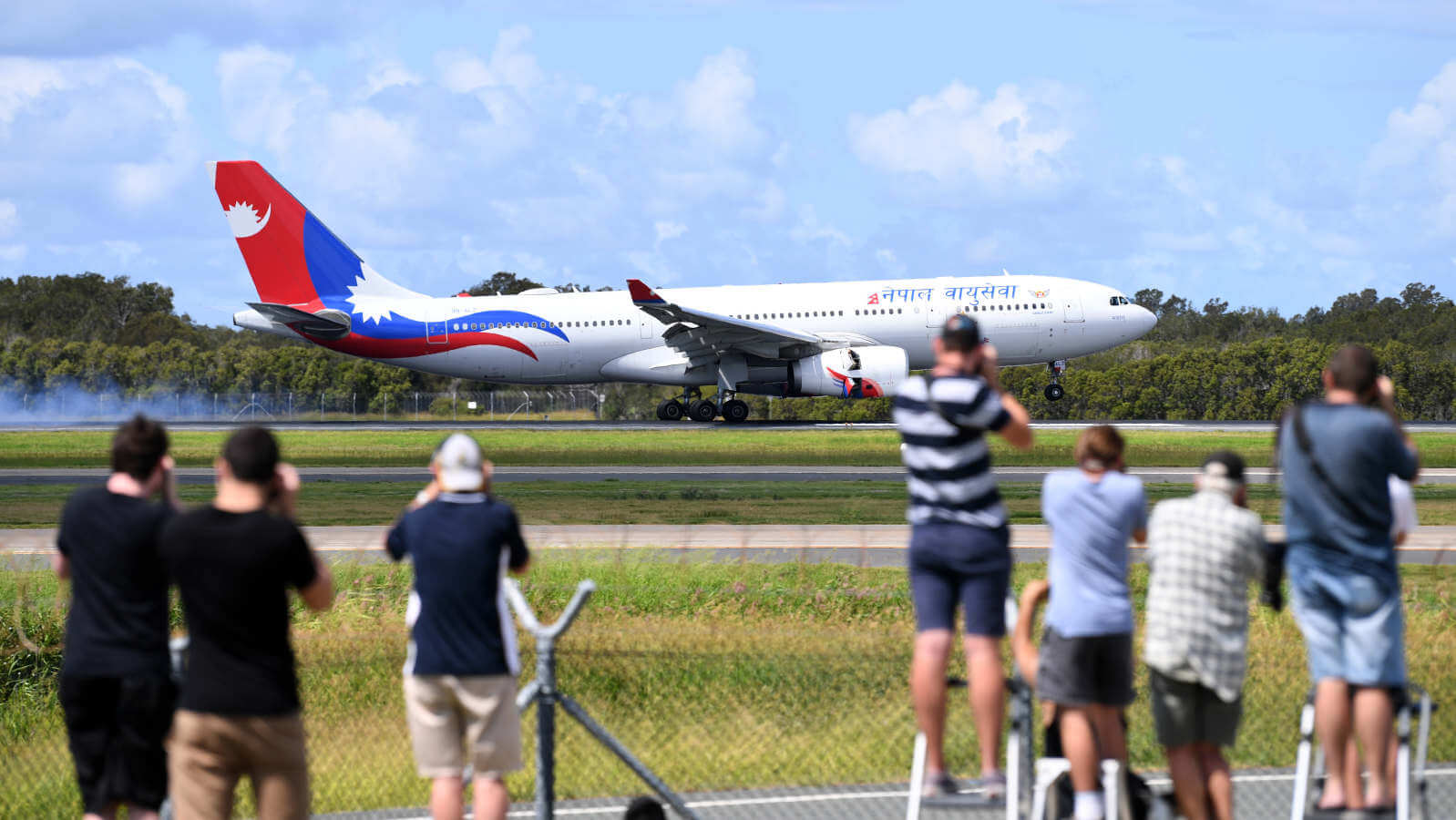
The plane flew in an elegant arc silhouetted against the sunset far above some lazily circling raptors, a victory lap around the purple hills of the Kathmandu Valley before heading southeast. Who would have thought a single Nepal Airlines wheels-up could be such a triumph, but in the empty skies over a locked down South Asia, this take-off was something truly exceptional.
After days of frenetic work and delicate negotiations, the Australian Embassy team in Kathmandu had achieved a commercial charter to repatriate stranded tourists back home. The infinitely complex exercise involved the governments of Nepal, Australia and New Zealand at a time when travel restrictions were becoming ever more stringent in an effort to halt the coronavirus’ gallop around the globe. Considering there was so little air traffic anywhere, it was all excessively complicated.
Summoned by government advisories, many Aussies and Kiwis returned home before the ban, but those remaining emerged from the mountains, meditation and yoga retreats, family visits, or simply had left it too late to leave. For the trapped tourists clinging to the Australian Embassy lifeline, hopes were raised then dashed.
Nepal Airlines to fly stranded Australian tourists to Sydney
Since the surprise suspension of international flights, angst-ridden rumours ricocheted around ‘Stranded-in-Nepal’ online chats and Facebook chronicled the roller-coaster dynamics. Qatar Airways morphed into Nepal Airlines as the carrier, and Brisbane replaced Sydney as the destination when it was deemed that quarantine facilities were already full.
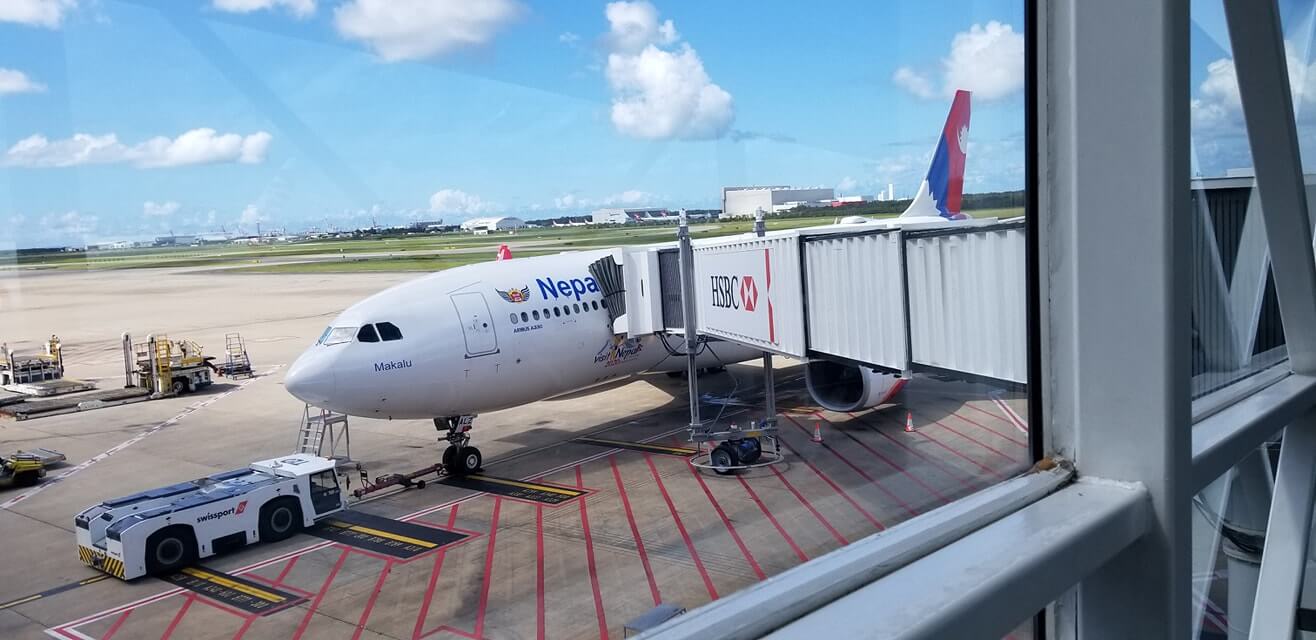
Never before has Nepal Airlines flown to Australia, so this was in effect its inaugural flight down under. Permissions had to be sought to overfly eight countries between Kathmandu and Brisbane, exemptions were required even to transit Australian airports, and connections had to be guaranteed with the ever dwindling trans-Tasman flight options – Air New Zealand obligingly adjusted their departure time by several hours to suit us.
Decisions, revisions, changes and adjustments became highly political under the escalating epidemic, allegedly needing sign off by cabinet members and prime ministers. Every passenger would be subject to 14 days isolation at their destination, to slow the spread and flatten the curve. Decision makers were jittery from failures in other cooperative evacuations: in Peru last week a bunch of aggressively disappointed New Zealanders had been off-loaded from an Australian flight.
Such were the ever-evolving uncertainties and behind-the-scenes diplomacies, that it was not until Monday that all the pieces were in place for the New Zealand government to announce that the Wednesday flight was viable with permissions and connections to get Kiwis back home to Auckland from Nepal. Final landing permission was only granted from Canberra on the morning of departure, which was just as well as by then 250 excited passengers had confirmed and paid, 27 of them New Zealanders.
Each person had a story. It had been a fraught week tracking tourists and trekkers, and reassuring frantic families, themselves in isolation at home. A crisis helpline in Wellington supported desperate travellers marooned around the world. I talked to one couple who even considered marriage to enable their evacuation, but border security solved their predicament by expediting the additional paperwork required by the COVID-19 crisis at exemplary speed.
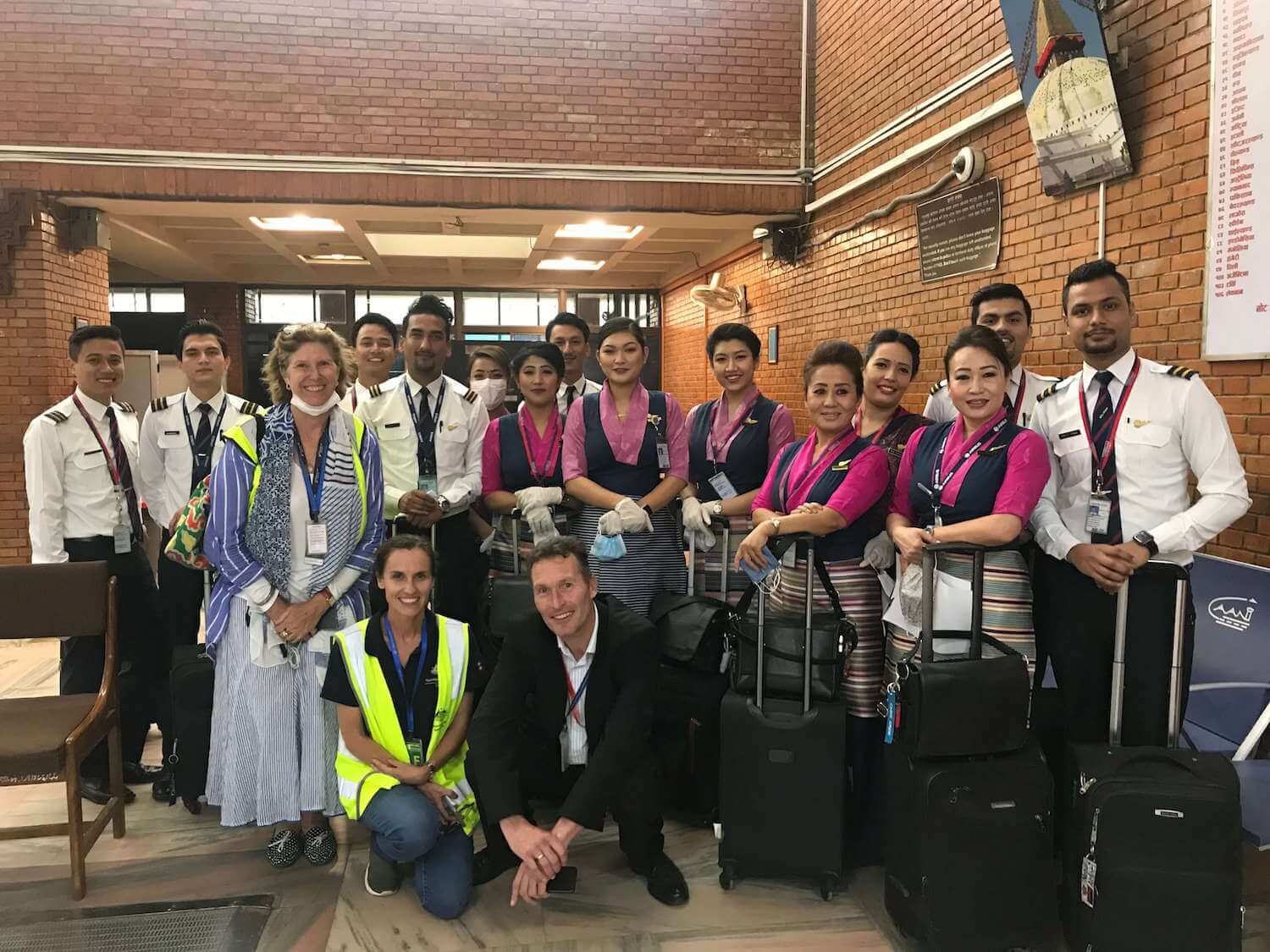
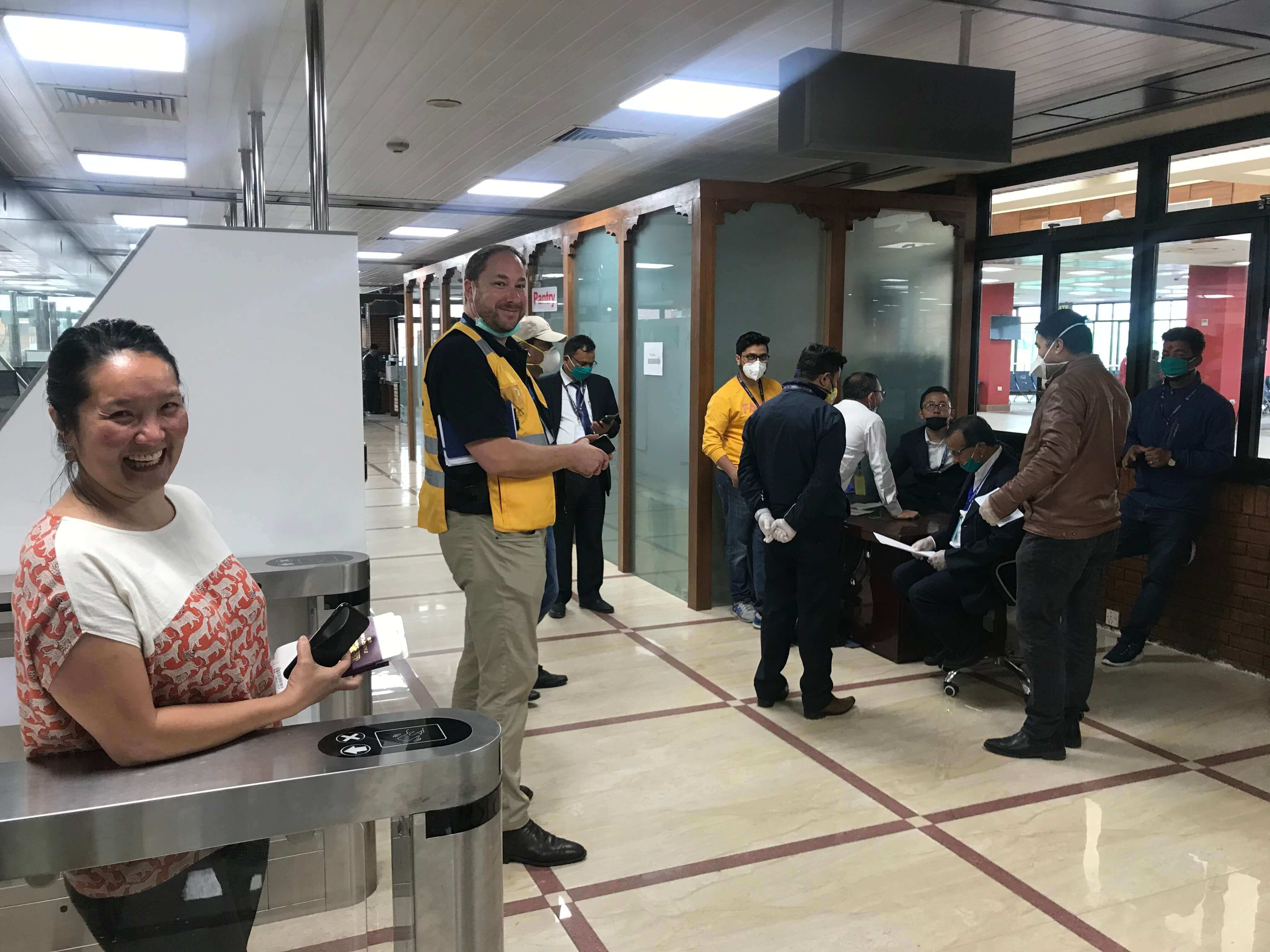
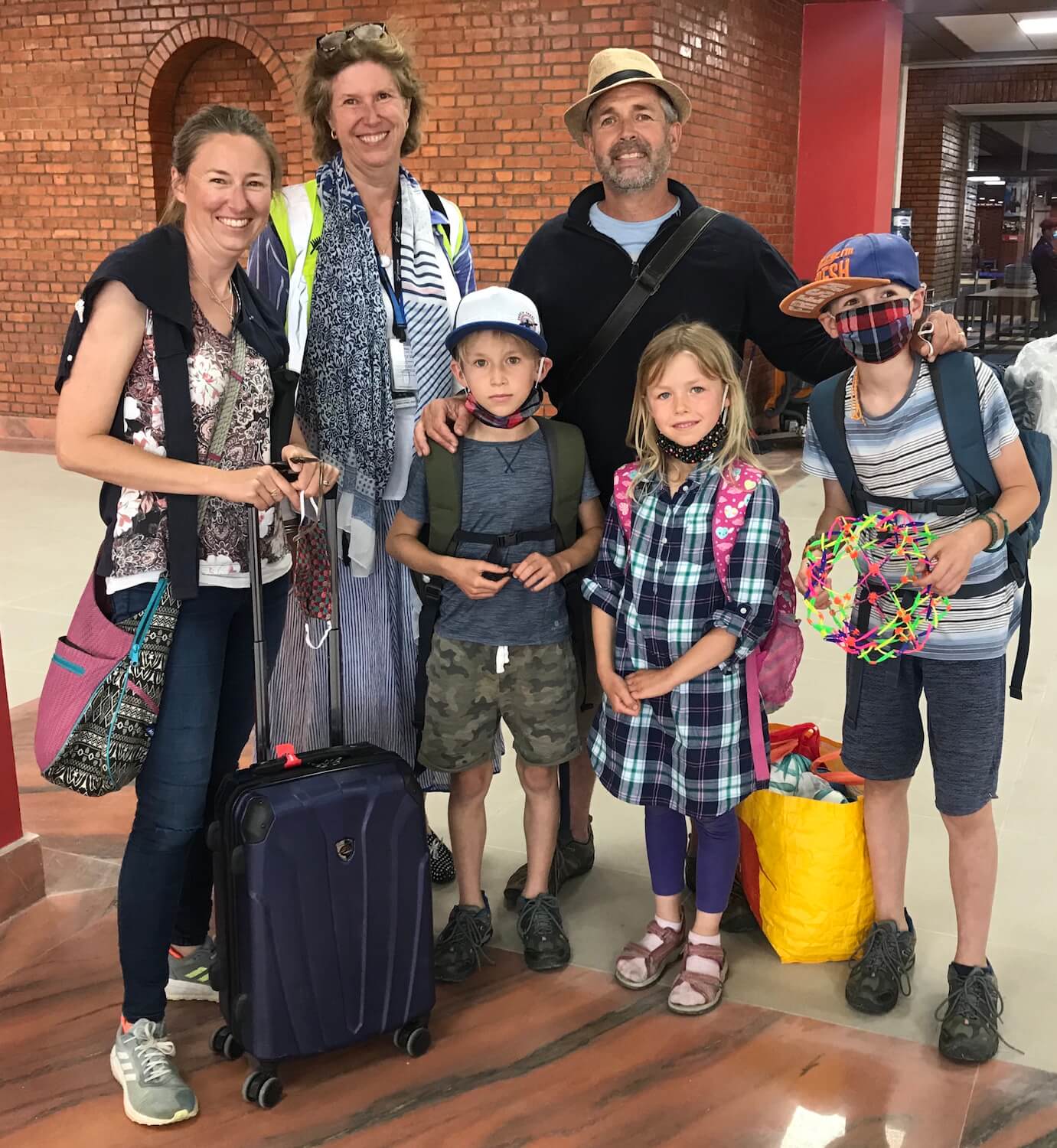
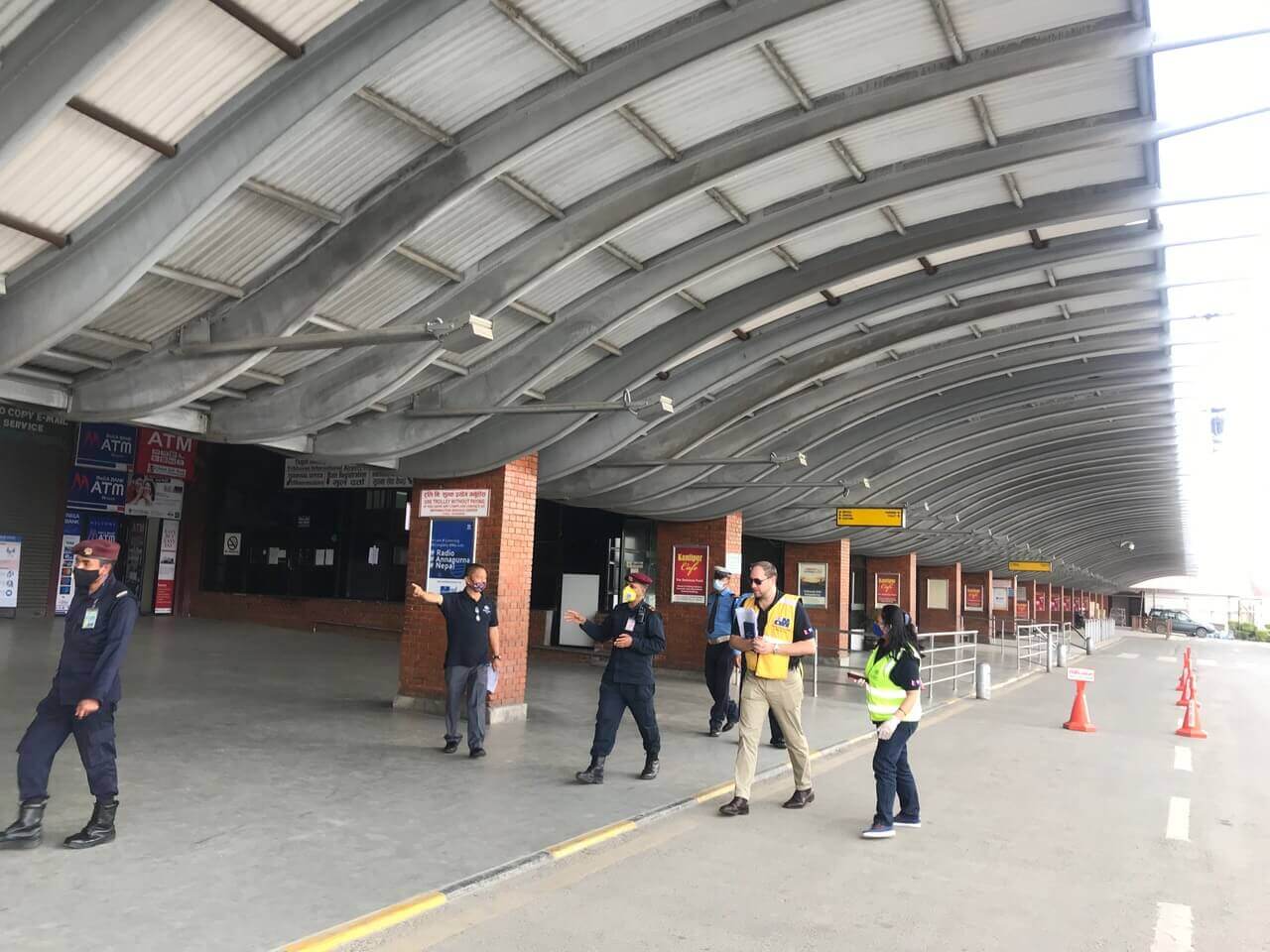
As the shuttle buses disgorged passengers loaded with backpacks and baggage, relief, stress and excitement reverberated around the deserted Kathmandu airport. Face masks were distributed, temperatures checked, and notices reminded us to remain one metre social distanced.