When Deepak Gautam’s wife was pregnant with their second child, his older daughter came to him with a worried look. “I want a sister, but someone told me to wish for a brother. Otherwise I will have no one to celebrate Bhai Tika with,” said the then 7-year old.
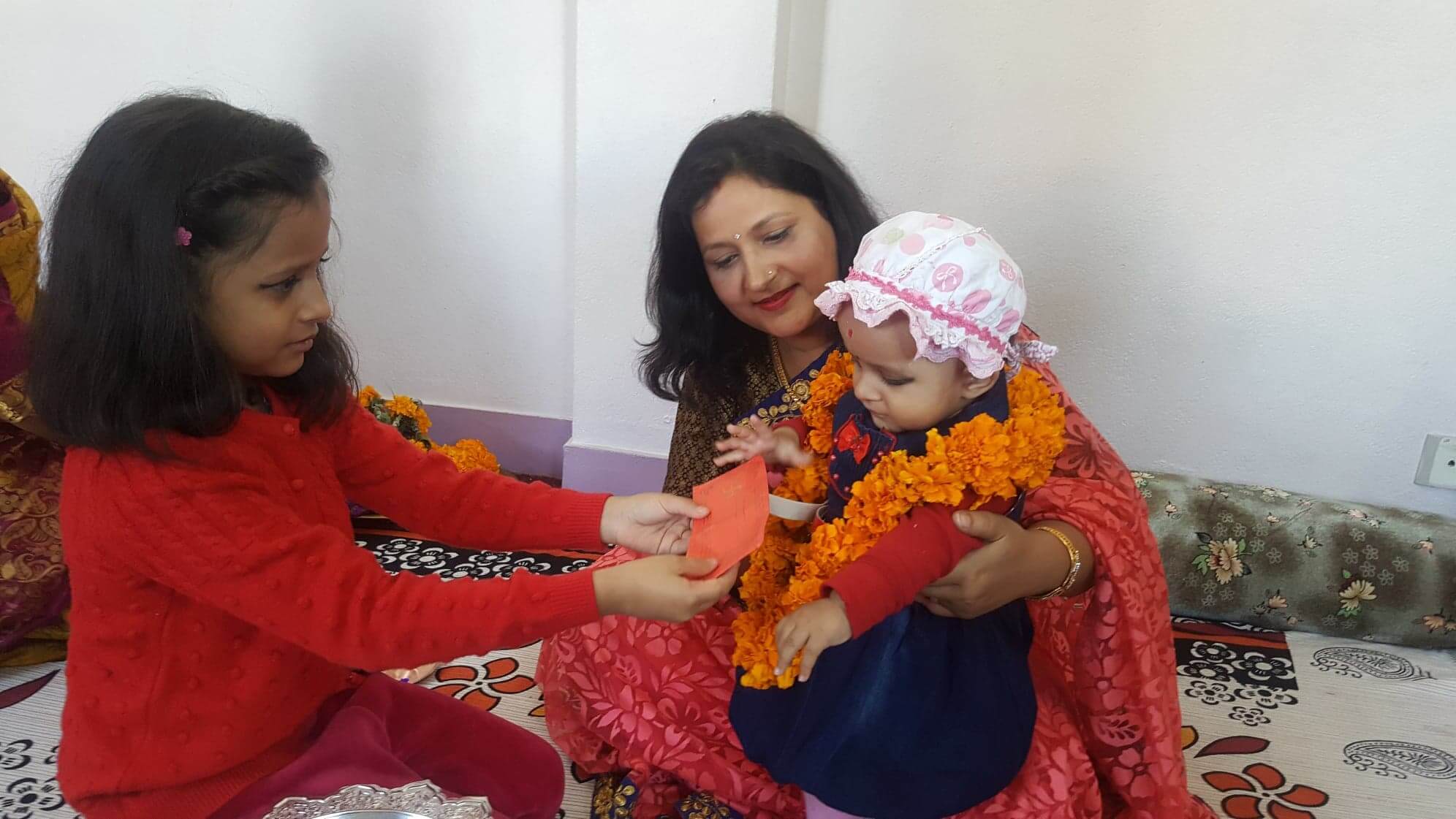
Bhai Tika is the last day of Tihar when sisters and brothers bless each other, and this year, it falls on 9 November. Gautam reassured his daughter she could celebrate the festival, no matter what. When his wife Usha gave birth to a second daughter, the family started a new tradition: their daughters, now 10 and 3, put tika on each other.
“Our daughters do not need to miss tika just because they do not have a brother,” says the couple, “they can give each other gifts, pray for each other’s happiness. We even decided to rename Bhai Tika as Tihar Tika.”
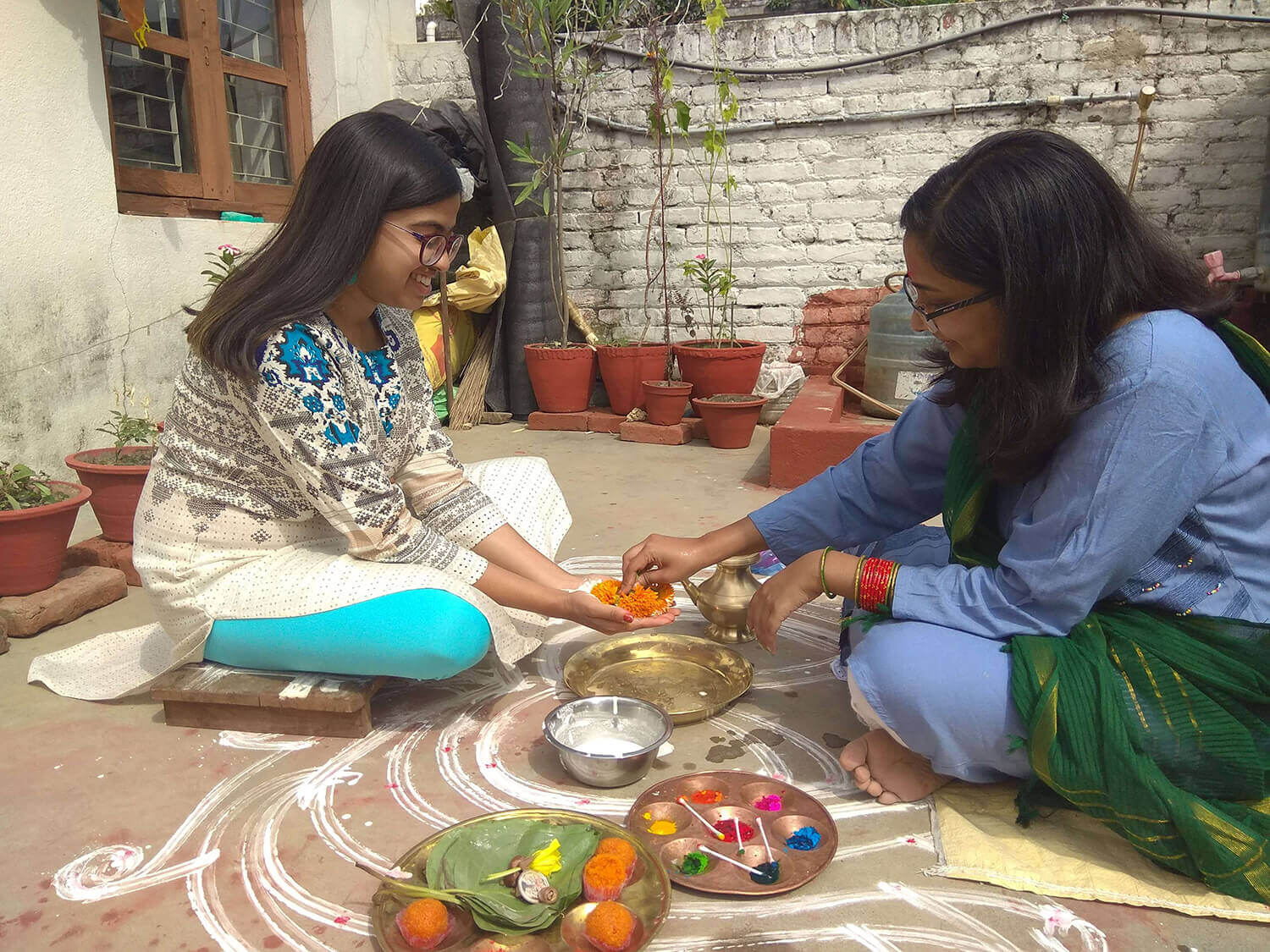
Bhai Tika is an opportunity for reunions and celebration of sibling affection. There is a growing sense that like other festivals, it prioritises men and the rituals entrench a gender hierarchy.
“Women pray for the longevity and prosperity of brothers, but brothers do not wish for the same for their sisters, so the sisters are given less importance,” explains the girls' mother Usha Acharya. The hierarchy is even more evident in the festival of raksha bandhan, marked in southern Nepal and India in spring. That festival also celebrates siblings, but places men in the role of protectors of their sisters.
“Seeing men as protectors and women as objects that need protection promotes aggressive masculinity in society,” says Pallavi Payal, 27, who has always celebrated raksha bandhan with her sister.
Read also:
Go easy on the booze this holiday season, Sonia Awale
Octoberfest, Editorial
In other festivals like jitiya celebrated in the Madhesi community, women fast for the longevity of their sons, but not daughters. Says Indian feminist scholar Kamala Bhasin: “Patriarchal traditions like these harm not just women but also men. Little six-year-old brothers are sent to guard their teenage sisters. It places burdens upon men that they cannot possibly carry. It is worse for women, of course, because it entrenches their secondary status in society.”
Women are barred from rituals if they are menstruating, which reinforces their ‘impure’ status. Many women then blame themselves for ‘spoiling the festival for everyone’.
Nirmala Bhetuwal, 40, of Jhapa checks the calendar before Dasain, wondering if she will have to spend it in a corner. She has been taking hormone pills to delay her periods during major festivals at great cost to her health. Her husband has no idea she has to put herself through this.
“Thank god these medicines exist, otherwise, the festivals would be soured for everyone,” says Bhetuwal.
Read also: