Nepal’s Supreme Court has been overturning Prime Minister K P Oli’s moves to remain in office one by one, even as it began crucial hearings on his second dissolution of the Lower House on 22 May.
Lawyers presenting their arguments at the Court’s Constitutional Bench on Wednesday and Thursday went beyond just questioning Oli’s moves, they blamed President Bidya Devi Bhandari for complicity.
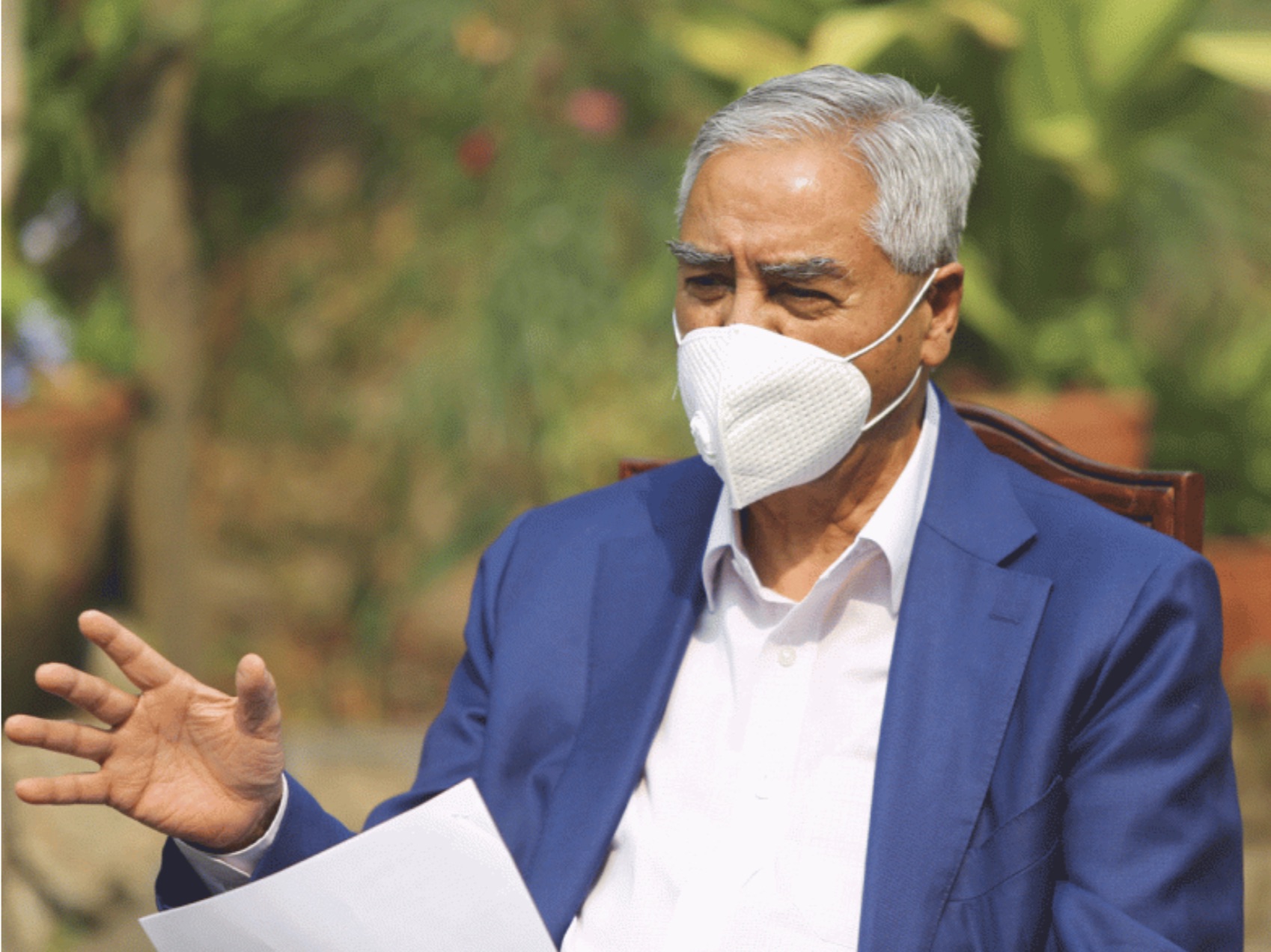
And beyond calling for a restoration of the House, they also demanded that Sher Bahadur Deuba of the Nepali Congress (NC) replace Oli, since he had amply demonstrated a majority in the House.
The final battle in the court is the culmination of a long-drawn power struggle between Oli and comrades within the UML and his former NCP, even while the country faces an emergency with the coronavirus pandemic.
President Bidya Devi Bhandari’s rejection of Deuba’s claim to lead the government two months ago had prompted 146 politicians from a five-party alliance to file writ petitions in the Supreme Court on 24 May.
Chief Justice Cholendra SJB Rana and Justices Deep Kumar Karki, Mira Khadka, Iswar Prasad Khatiwada and Ananda Mohan Bhattarai will give a final verdict after a stipulated 32 hours of hearings over the next two weeks.
That ruling will determine whether the House is reinstated and if Deuba becomes prime minister for the fifth time, or if Oli continues as prime minister to oversee early elections in November. If the House is reinstated, the five-party alliance could also choose some other prime minister.
Like Deuba, other leaders of the anti-Oli alliance have also been prime ministers before: Pushpa Kamal Dahal (twice), Madhav Kumar Nepal, Jhalnath Khanal and Baburam Bhattarai.
The signs do not look good for Oli whose latest setback was the Supreme Court’s decision on Tuesday reversing his appointment of 20 ministersearlier this month, saying it was unconstitutional for a caretaker prime minister to do so.
In fact, Water Supply Minister Anil Jha of the JSP was being welcomed in his constituency in Rautahat on Tuesday when word came from Kathmandu that the Court had directed all Cabinet ministers to stop working. And in a show of defiance, Oli told deposed ministers they didn’t need to vacate their official residence because “something will come up”.
In the midst of a pandemic, Nepal's governing Cabinet is now down to Oli and four ministers. The third health minister in a year was among the 20 who had to step down this week after just 19 days in office.
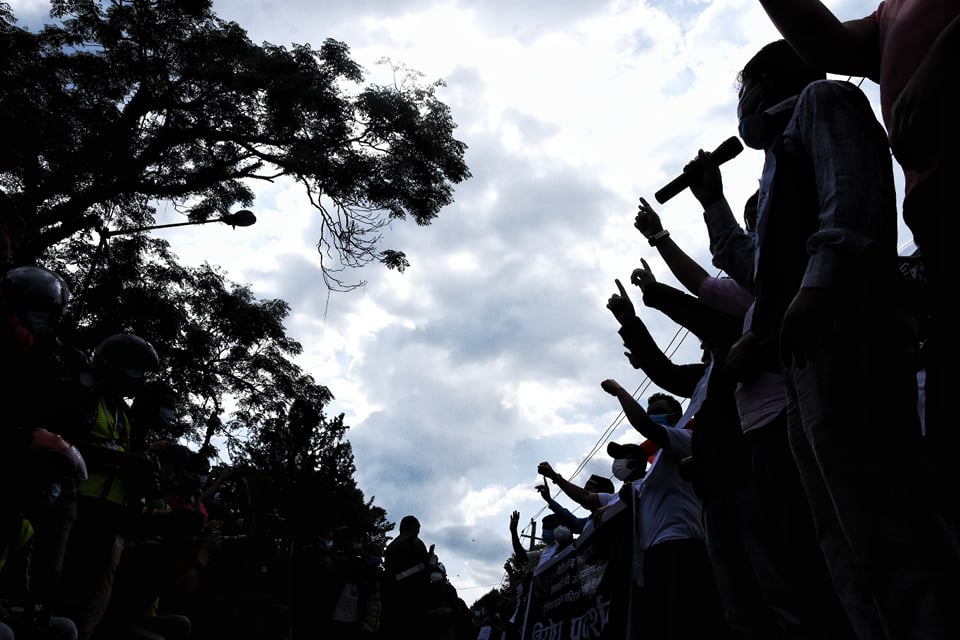
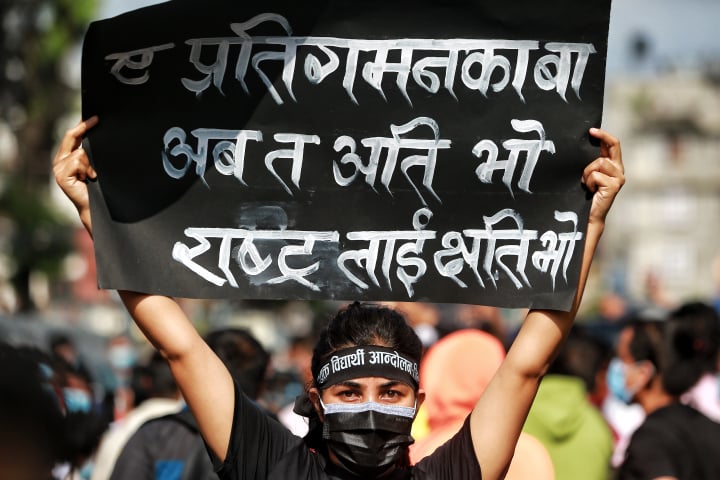
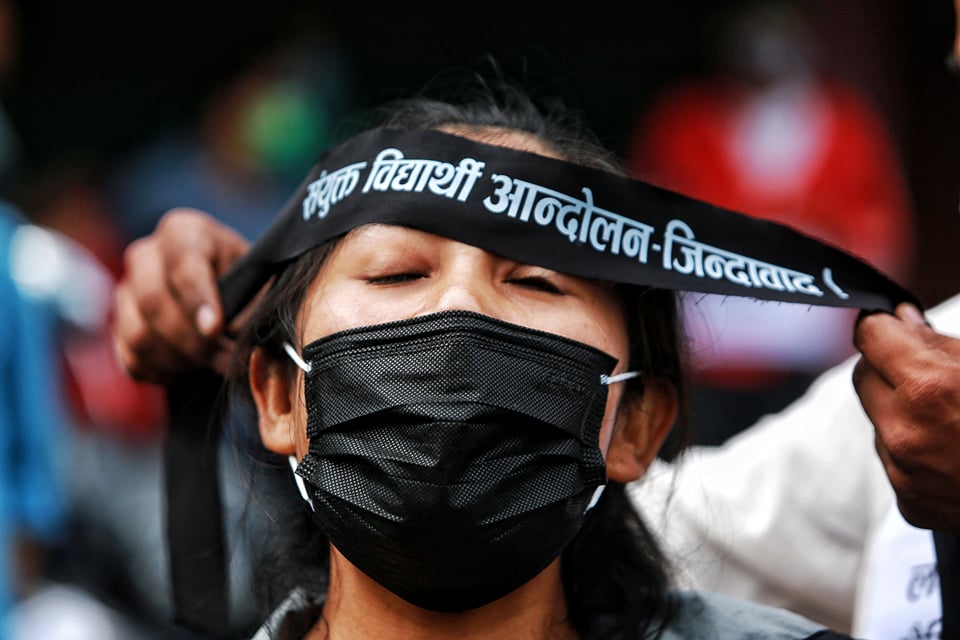
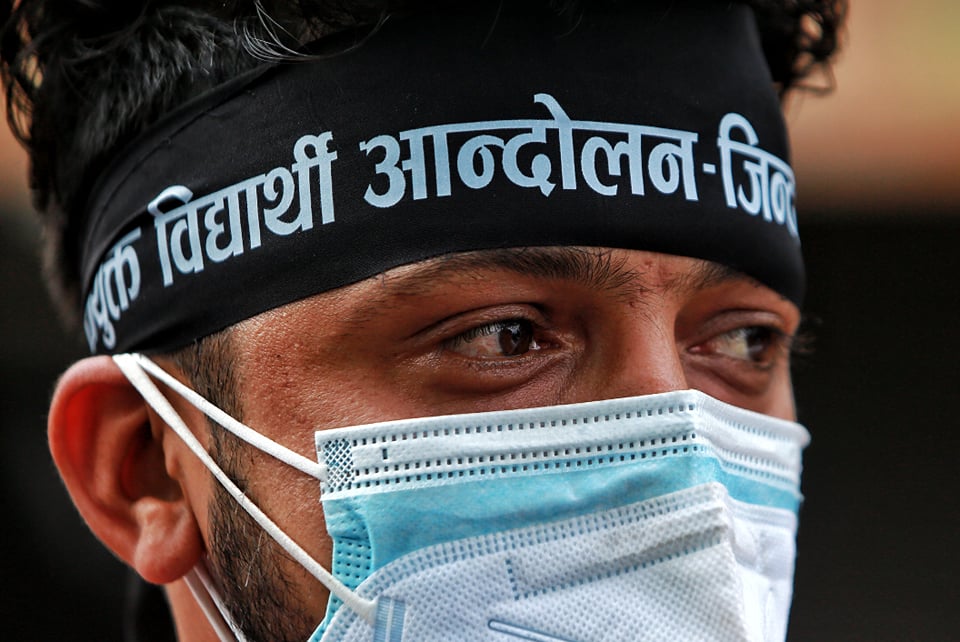
The five-party opposition alliance decided to put pressure on Oli by launching street protests starting on Thursday. Speaking to a gathering of editors on Thursday, the NC's Deuba said: "The prime minister and president colluded at midnight to dismantle democracy and the constitution, that is why we have formed this alliance. We will mobilise the public if needed, to fight against a return to authoritarianism."
Last week, the Supreme Court overturned a Cabinet decision to amend national park regulations so that Yeti Holdings got a license to build a hydroelectric plant in Langtang. The Court also over-ruled an attempt by Oli to allow ministers to automatically become ambassadors, without having to be graduates. Then, Oli’s loyalist chief minister in the UML was voted out of the Gandaki provincial government last week by a coalition of opposition parties.