

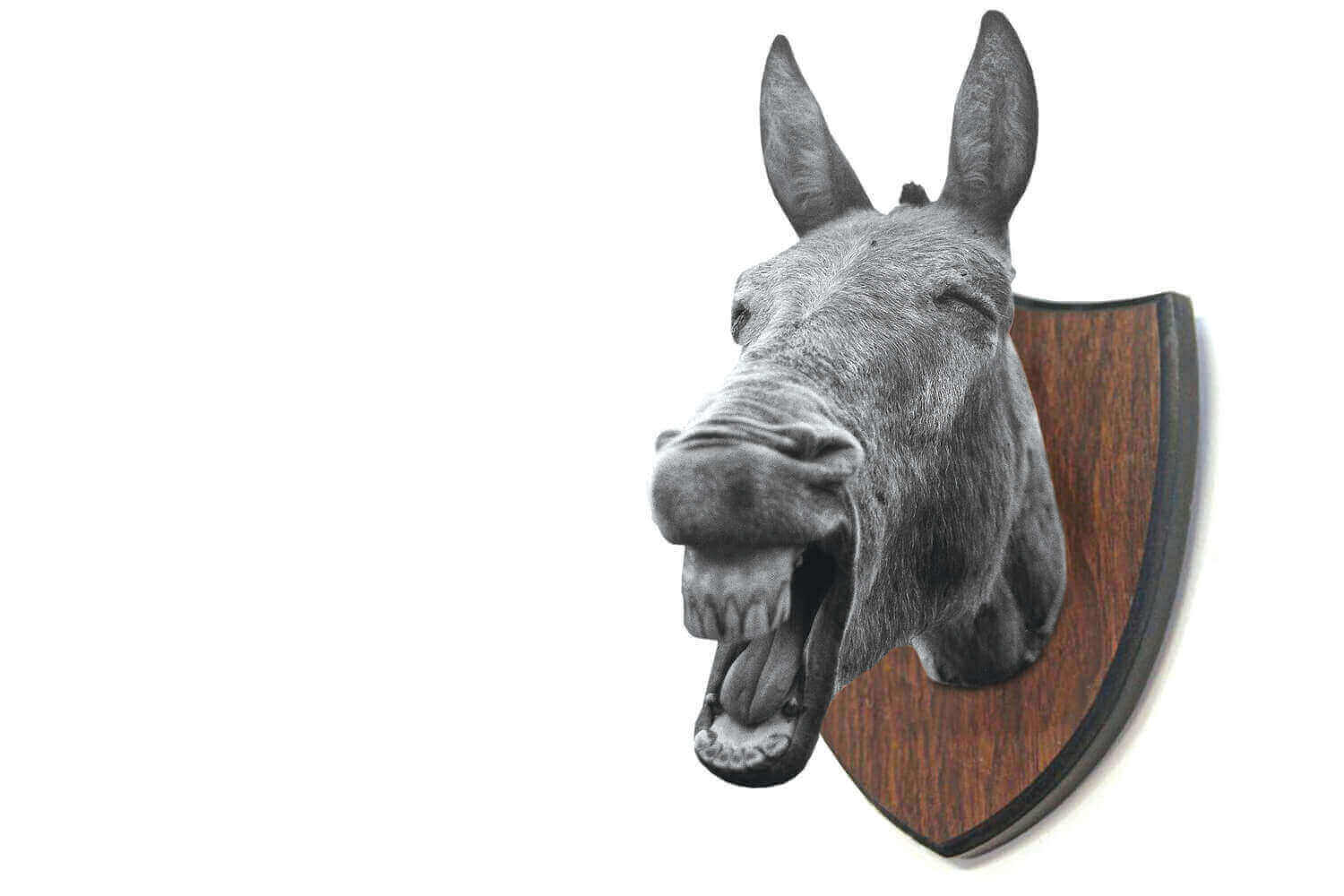
Coalition politics brings out the best in a democracy. The five-party anti-Oli alliance has been in grabberment for less than a month and it already has a three-member Cabinet. That is quite an achievement, and confirmation that Prime Minister Dubya adheres strongly to the Common Minimum Program by having the minimum number of ministers.
However, Parkinson’s Law will sooner or later manifest itself and the Cabinet’s workload will expand to fill the time allotted to it. How will the wealth ever get spread around with such a small Cabinet? The PM will have to be prepared to expand his Cabinet for stability and prosperity (of ministers).
With five parties in the governing coalition, including a disgruntled faction, it will be a challenge to ensure a division (if not multiplication) of the spoils. It will not have only three full ministers, one minister of state, and a couple of others lying in state.
It is a shame that for a country with so much potential and kinetic energy, the government is so critically understaffed. GONe has to be an equal opportunity employer that believes in levelling the playing field by giving every citizen a chance to hit the jackpot.
The PM needs to be more decisive to immediately deploy an army of ministers, not just the pathetic squad he has right now. It is a skeleton Cabinet with skeletons in its closet.
We also need more ministers because that will kick-start the economy after the pandemic slowdown, and have an immediate downstream impact on the labour market. A larger council of ministers will have a multiplier effect by unleashing Nepal by creating more jobs in the civil service, manufacturing, and the service industry.