
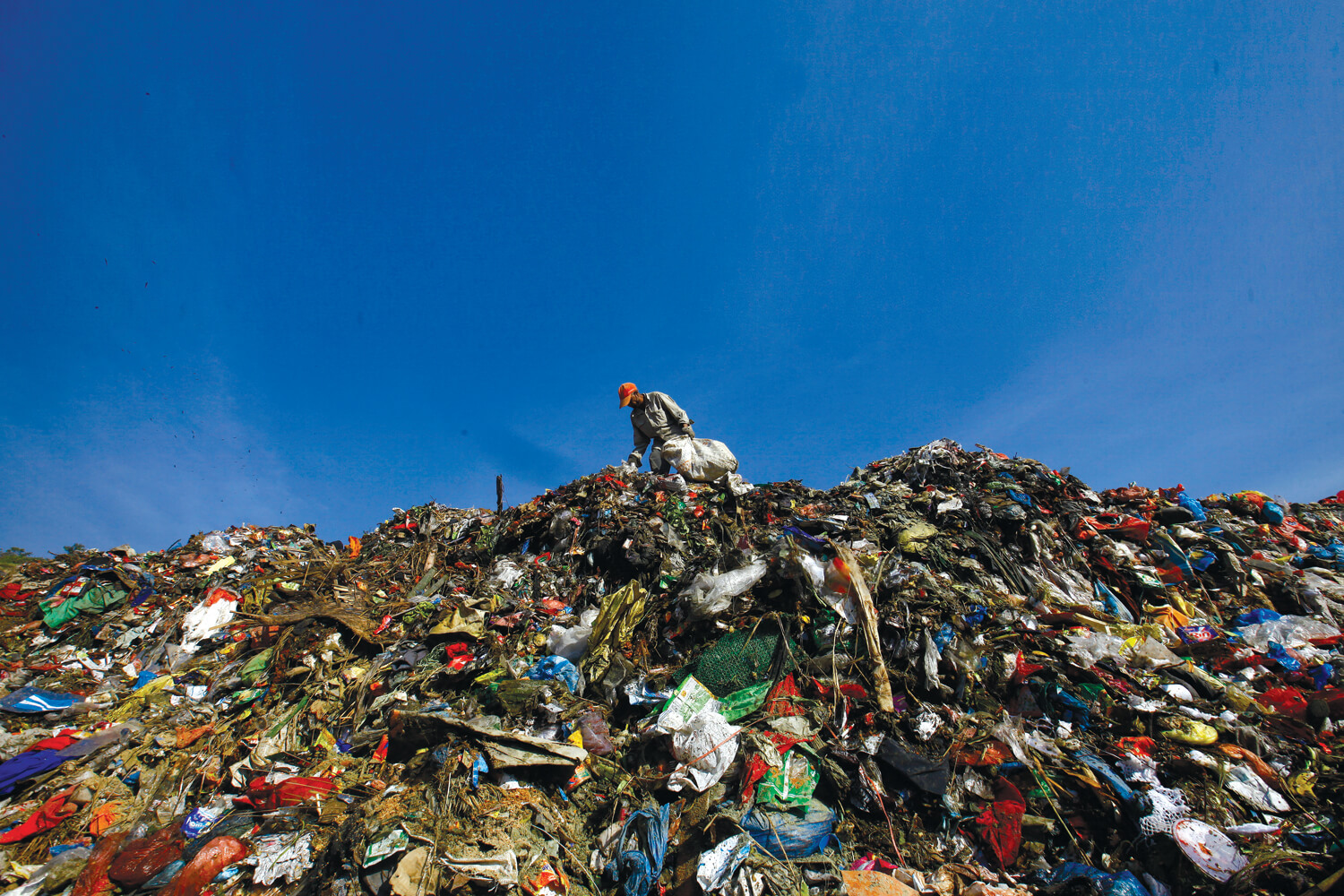
The coronavirus pandemic was a respite for nature everywhere. The air was cleaner, trekking trails were pristine, the summit of Mt Everest was deserted, and worldwide carbon emission dipped by -26%.
However, there are dark clouds in that silver lining. The COVID-19 crisis has unleashed a plastic pandemic, reversing the achievement of a decade of activism against single-use plastic worldwide, including Nepal.
Personal protective gear (PPE) like disposable gowns are made from polyester or polyethalene. Surgical masks and N95 respirators are made from non-woven polypropylene fibre. Face shields and visors use polycarbonate or polyvinyl choloride. Coveralls are made with high-density polyethylene (HDPE). Most of these are single-use plastic.
During the peak of the outbreak, hospitals in Wuhan produced more than 240 tons of waste per day against 40 tons normally – with most of the waste being plastic PPEs. The United States is projected to generate an entire year’s worth of medial waste in just two months dealing with COVID-19, according to Frost & Sullivan. The Thai government has reported an increase in plastic and styrofoam waste from 1,500 tons a day to 6,300 tons daily due to soaring home deliveries of food.
In Nepal, there are no exact figures but evidence suggests there has been a big increase in plastic waste from provision stores, relief distribution to the destitute during the lockdown, and quarantine centres. For lack of better alternatives, aid workers use plastic plates and utensils for meal distribution and well as polythene bags and thin single-use plastic for relief packaging.
“From a humanitarian angle the use of plastic for medical purposes and in relief is important, but it has long term environmental impact. Which is why we need a replacement for cheap and easily accessible single-use plastic,” says Shilshila Acharya of the Himalayan Climate Initiative.
She adds, “Another emerging problem is the improper disposal of face masks. These are made of polypropylene and are even worse than plastic because they are even more difficult to recycle and reuse.”
Across South Asia, cities are experiencing worse floods because of waterways choked by plastic waste. Plastic pollution in Nepal has been known to worsen the impact of floods during the monsoon by clogging up drains and rivers, as happened in Bhaktapur and Thimi in 2018 after a sudden squall.
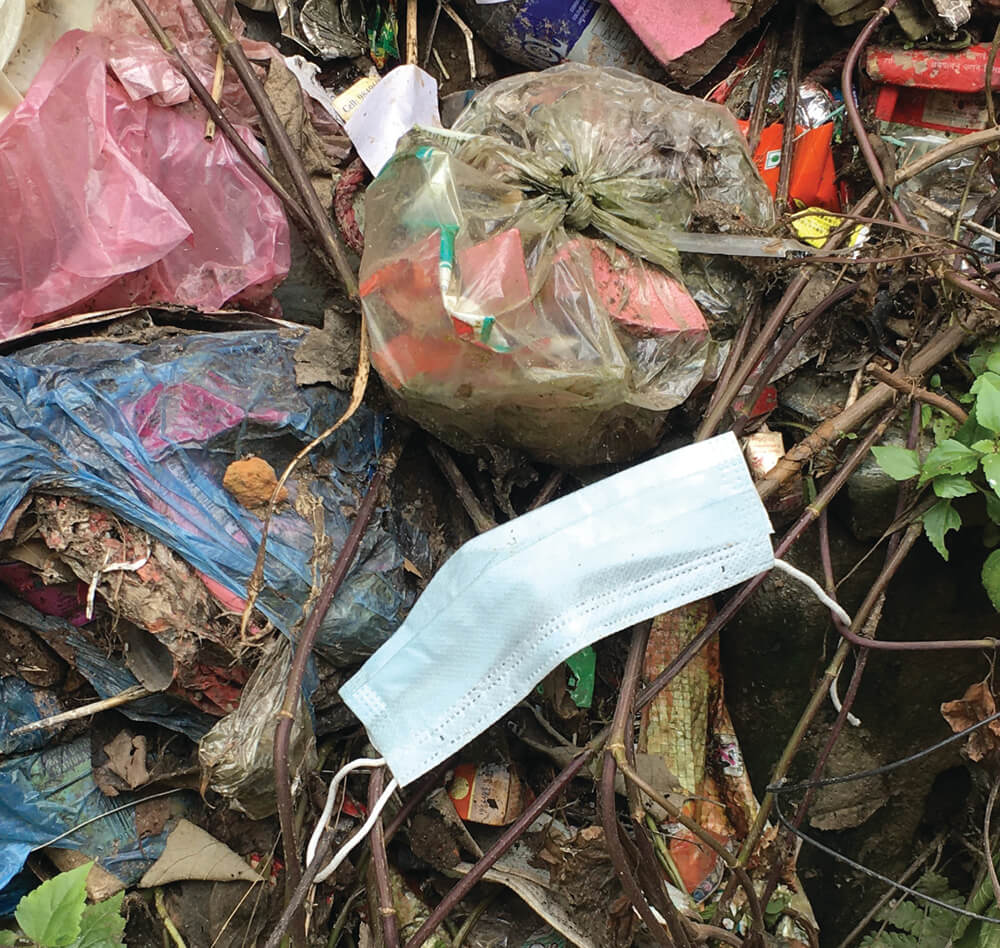
Bhaktapur Mayor Sunil Prajapati says Hanumante River in his municipality invariably bursts its banks even through it is not a big river because of blocked drainage. He told Nepali Times: "The river is like a gutter. It gets flooded every year because waste materials block the outlets and drainage.”
A three-year regional study by ICIMOD (International Centre for Integrated Mountain Development)’s SANDEE (South Asian Network for Development and Environmental Economics) shows that 12.7% Bharatpur and 22.3% of Sylhet in Bangladesh cities are at the risk of flooding in lack of proper solid waste management system. Unblocking drains would limit flooding to 5.5% in Bharatpur, the report says.
Mani Nepal, who worked on the study says: "Solid waste, including plastic, must be properly managed to reduce the risk of long-term flooding in cities. Just building sewers will not solve the problem. Plastic pollution is already a major cause of floods, it can be disastrous in future.”
More than a million plastic bags are used once and thrown away in Kathmandu Valley every day, and it now forms more than 16% of the city’s garbage. Of the 204 tons of plastic waste generated in Nepal every day, 131 tons end up in the streets, drains, rivers and some of it makes it to landfill sites.