While humans all over the planet are being challenged by the COVID-19 pandemic, it has given nature everywhere a respite.
Carbon emissions have dipped, there is almost no carbon monoxide in the air over large parts of India and China because vehicles are off the roads, NOx and sulphur dioxide concentrations in the air have dropped. The concentration of particulate matter like soot given off by industries and diesel trucks have also decreased, improving air quality over Asia’s most-polluted cities.
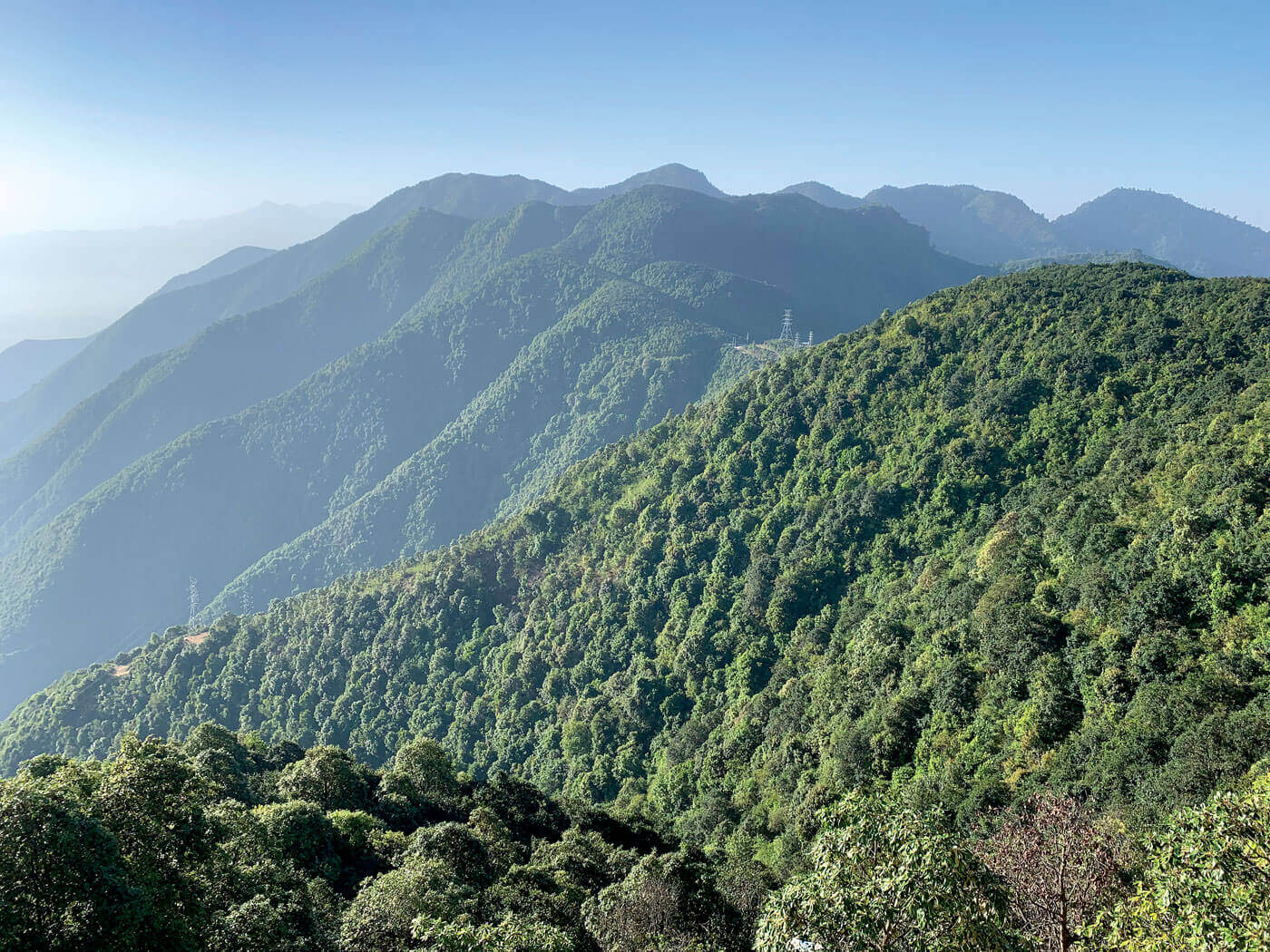
Here in Nepal, Mt Everest and Himalayan peaks have got a much-needed respite after the government cancelled all expeditions and treks from the mountains for the spring climbing season. There has been an international uproar last year after photos of a traffic jam on the summit ridge of Mt Everest went viral. Garbage and corpses on the mountain have gotten a lot of media attention.
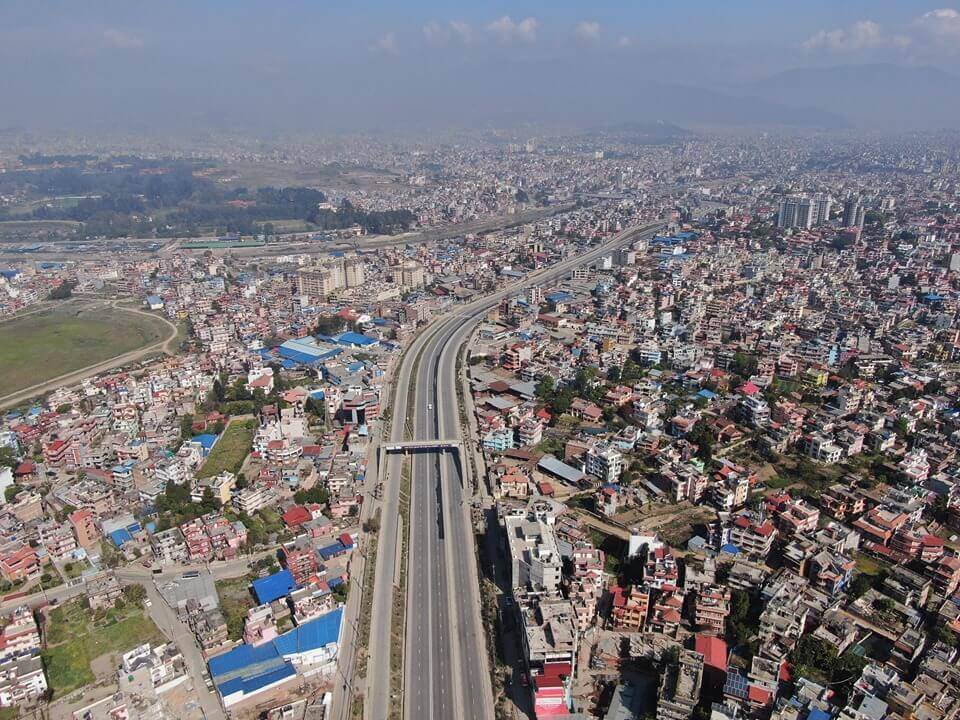
The sunny spring sky in Kathmandu was brilliantly clear on Tuesday, the first day of a week-long nationwide lockdown. With no traffic, and flights all grounded, there is no noise pollution in the street or the sky.
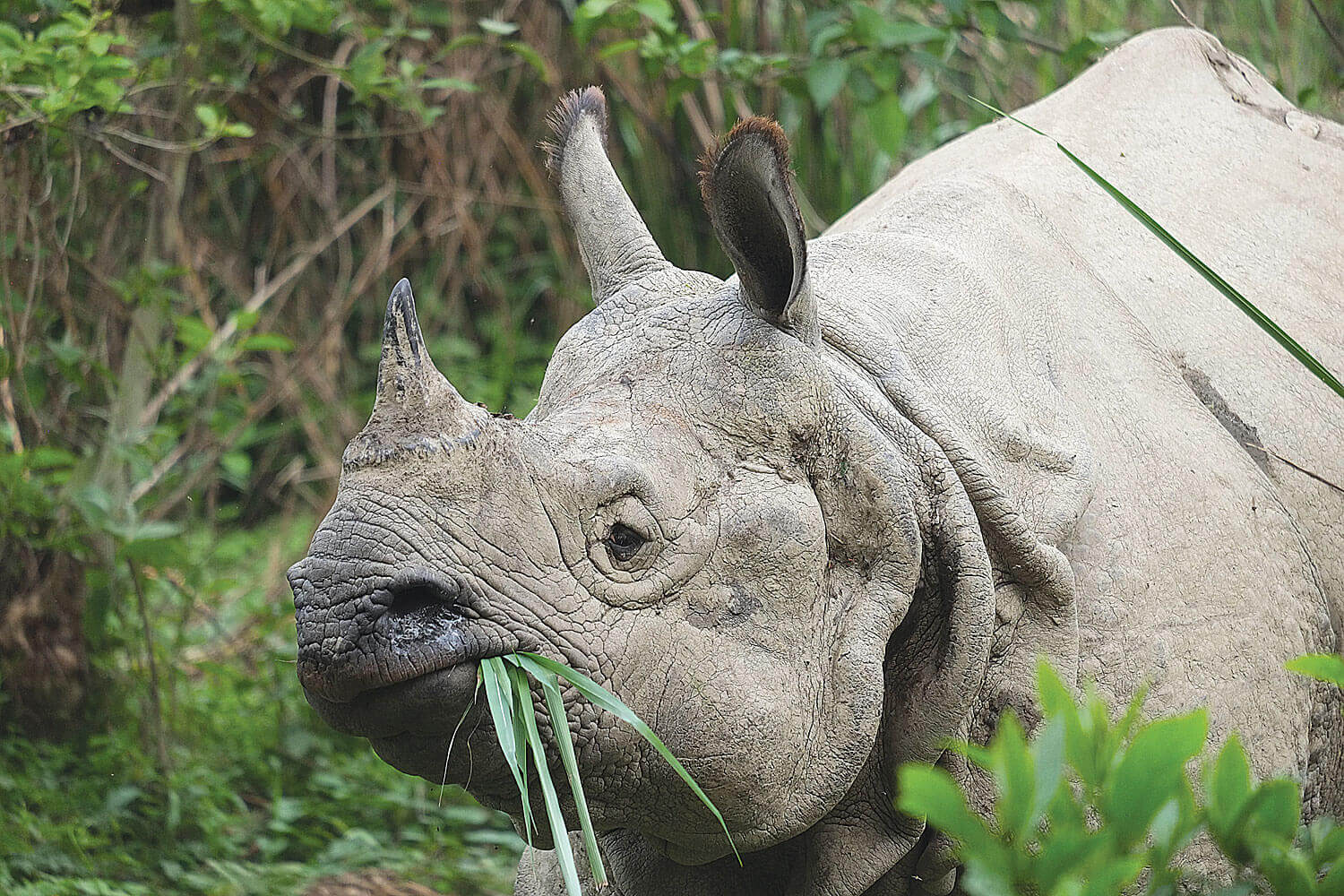
But the happiest must be wild animals in Nepal’s national parks, including those popular with tourists like Chitwan, Bardia, Langtang and Shivapuri-Nagarjun, where visitors have not been allowed since Sunday.
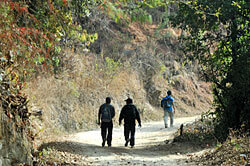
After the government closed schools and offices last week, Kathmandu’s residents had started arriving at Shivapuri and Chitwan by the busloads for picnics during weekend, prompting park officials to close entry on Monday.
“We had to close the parks because there was an increase in visitor numbers, but with the announcement of the nationwide lockdown from Tuesday, visitors will not be coming anyway,” said chief of Bardia National park Ananath Baral.
On Sunday, there were more than 400 visitors -- about four times the daily average -- at Shivapuri-Nagarjun, the national park on Kathmandu Valley’s northern and western rim.
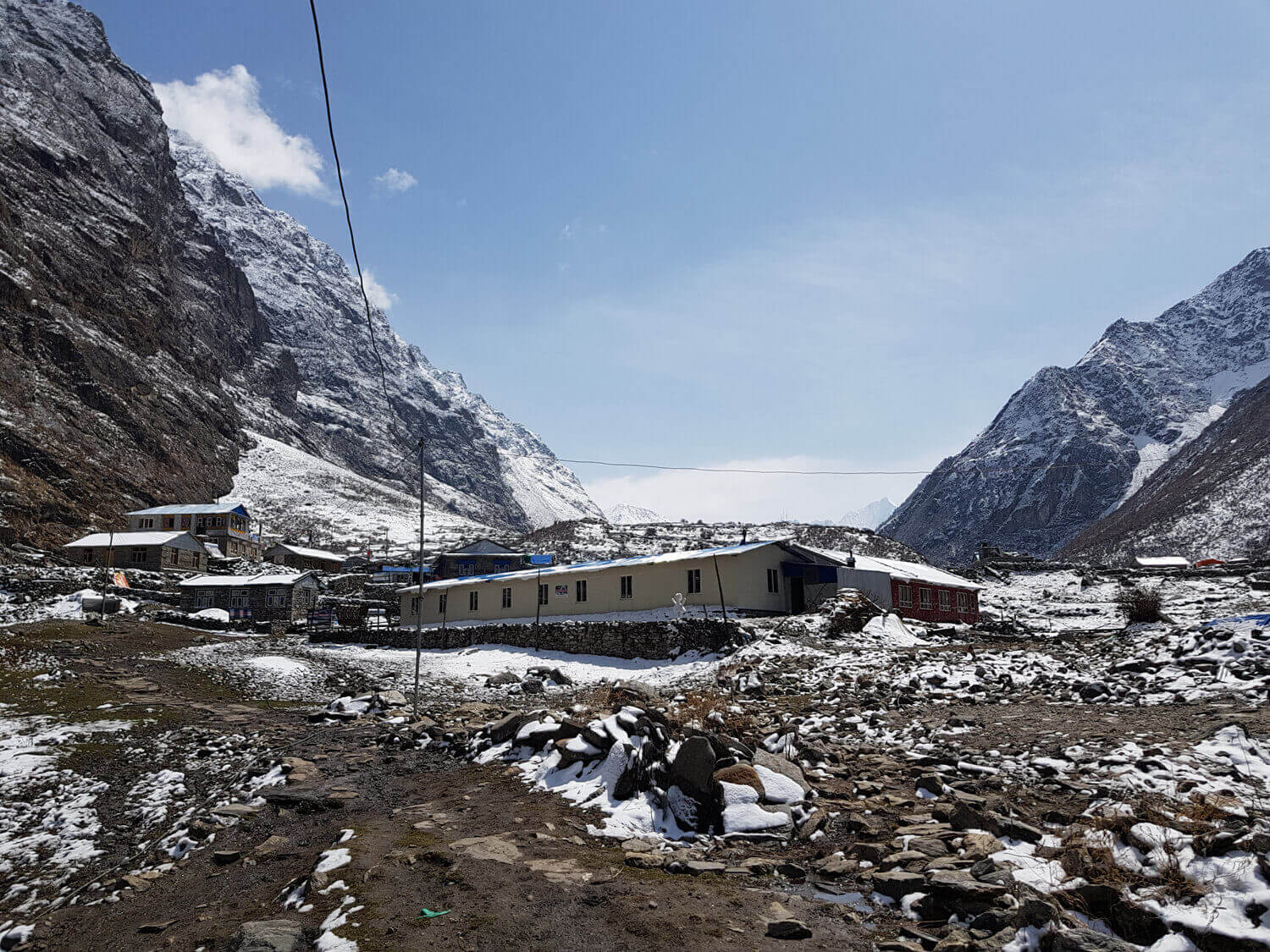
Conservationists say the drop in human activity will be a relief to the park’s wildlife, since any extra noise can disturb their habitat and movement. Naturalist Mukesh Chalise recalls how there was an increase in wildlife in Langtang National Park after trekkers stopped coming due to the 2015 earthquake.
Read also: Between existence and extinction in Nepal, Sonia Awale
“It used to be difficult to see resident fauna and birds, now there are herds and flocks of them out in the open in Langtang,” Chalise says.