The fervour of the local elections three years ago had taken sway over the eight districts of Province 2. Sangihya Samajbadi Party and Rastriya Janata Party had eclipsed the dominant Nepali Congress and Communist forces, during the polls.
Out of the 136 local constituencies in the province, the two Tarai-based parties had claimed 51 of them, Rastriya Janata Party had turned victorious in 14 while the Sanghiya Samajbadi Forum had swept 24 municipalities.
The upward trend of supporting the Madhesh-based parties continued into the election for the House of Representatives as well as the provincial assembly elections. Of the 32 constituencies contested, the parties had won more than half, claiming 19 seats. Similarly, they won 55 of the 107 seats in the provincial election.
But three years after the elections, the people of Province 2 feel let down and have started to lose faith in the home-grown parties, as they have failed to perform and deliver.
The parties representing the Tarai have always blamed the centre for not taking their issues seriously, and for a sluggish development of the region.
The Madhesh-based parties had rejected the constitution because their demands had not been met. India had thrown its weight behind the bloc, imposing a border blockade on Nepal that lasted for six months.
Tarai has seen sporadic protests calling for the rights of the Madheshi communities. During the different political movements that took place after the peace process, 124 people lost their lives.
Nepali Congress General Convention representative, Bajrang Nepali says that compared to the older established parties, the Tarai-based parties have been more successful within a short period, with the foundation laid by a series of movements.
But it is only during the times of demonstrations and elections that the people matter to the politicians, locals complain.
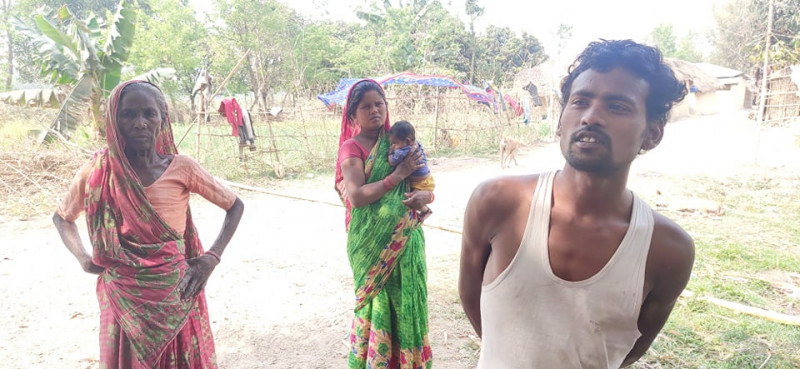
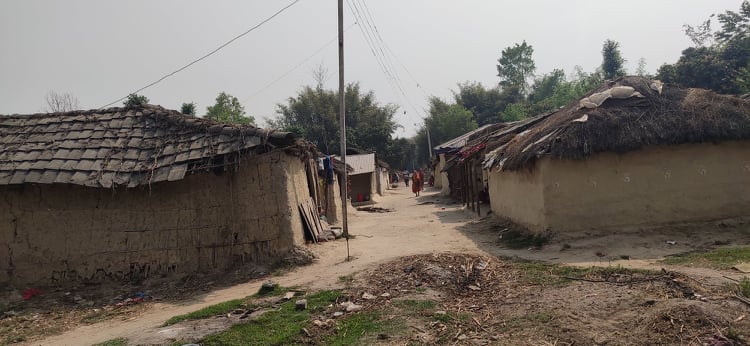
“When the polls arrive, politicians come with the promise of land and shelter,” says Shreeram Sada of Dhangadhi Municipality, Siraha. “It’s been three years since the elections took place, they haven’t fulfilled their promises. The wells are drying up, water is scarce.”
Mahadev Saha, who has a PhD in Political History of Nepal and is currently the Head of Softech College based in Lahan, says that the people had participated in the Madhesh movements with certain aspirations, but that they’re frustrated over how things have turned out.
“There were some legitimate interests of the Madhesh that have not been provided in the Constitution. The desires of Madhesis have not been addressed in any way,” he says.
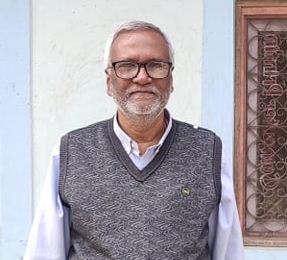
Saha adds that Tarai-based parties had an opportunity to prove themselves, but they squandered it, and the corruption and red tape at the Singha Darbar have trickled down to the provincial governments.
The leaders of the Janata Samajbadi Party (JSP)— formed after major Madhesh alliances, Samajbadi Party and Rastriya Janata Party merged—concede that they have not been able to meet the people’s aspirations.
JSP’s Central Committee Member Manish Suman admits that even though his party was elected to power, the problems of the people have remained intact.
“In the past, when Krishna Prasad Bhattarai, Girija Prasad Koirala, Lokendra Bahadur Chand, Surya Bahadur Thapa or KP Oli was Prime Minister, there was no impact in the rural areas. The context is the same even today when we are in the government,” says Suman. “There’s no point berating the others. The onus was upon us to live up to the commitments made to the people.”
About one year from now, the local level elections are due and in just 12 months, the provincial and federal parliament elections are to be held.
It is too early to predict which party will dominate in the upcoming polls in Province 2. But cadres and intellectual groups are steeped in political conversations.
While JSP is seen as a unified bloc representing the Tarai by Kathmandu, wandering through the streets of Province 2, one is likely to observe a different picture. Even though the two parties did merge, locally, they continue to operate as two different parties, much like the Nepal Communist Party, which has now disintegrated.
Suman agrees that even though an official merger has happened, the party is yet to become one ‘spiritually’. Executive member of JSP, Shailesh Chaudhary echoes similar thoughts. The unified party continues to experience polarisation over the details of forming a federal government.