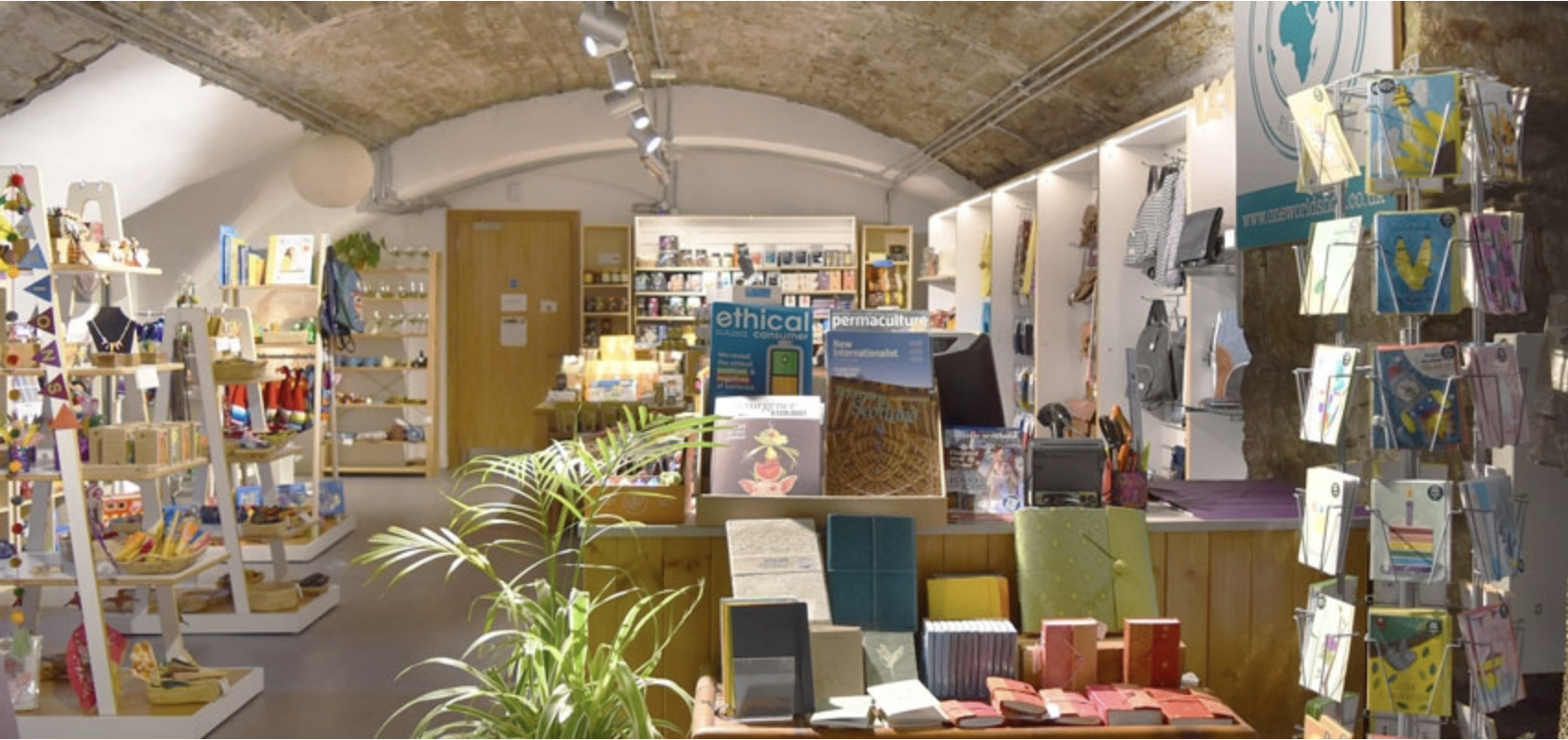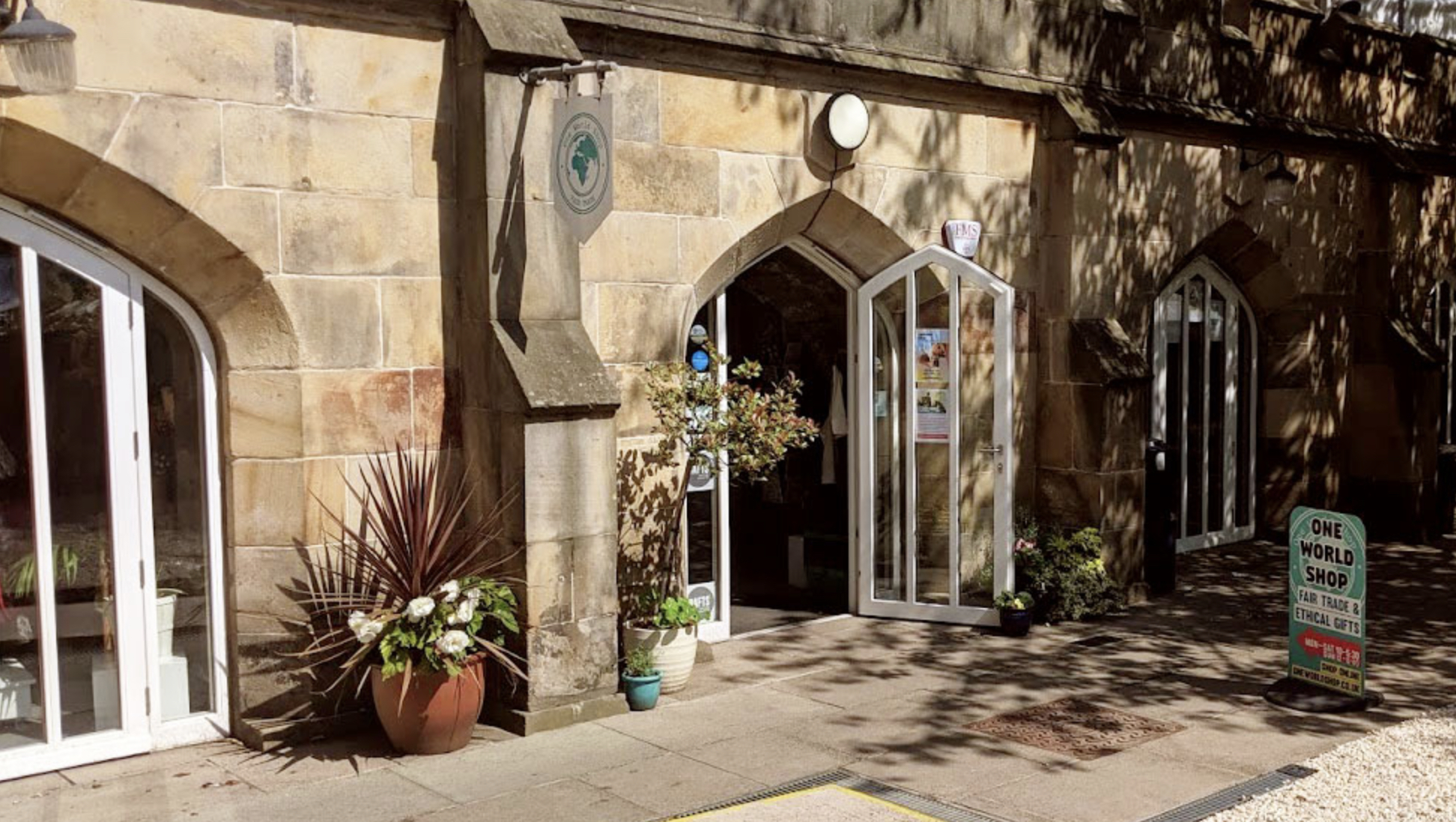
In the heart of Edinburgh near the Church of St John the Evangelist is One World Shop, a modest-looking store that sells goods from all over the world.
Among the products are ‘Made in Nepal’ sweaters, mufflers, felted slippers, and beanies which are flying off the shelves this winter. There are also Nepali handicraft items, lokta paper products, herbal bath soaps and hemp products for sale.
But the items are not as much for profit as they are for the international promotion of fair trade handmade goods made by women in poorer communities to improve their livelihood with added income. The store, a fair trade organisation set up in 1983, sources most of its Nepali products from the Association for Craft Producers and Get Paper Industry in Kathmandu.
"Our goal is to empower women and alleviate poverty through diversification of livelihood options," explains Rachel Farey, business manager of the One World Shop which also sponsors Nepali women to be trained at institutes in the UK. “We buy goods only when we confirm that they were made by women in need, or if they are somehow involved in manufacturing.”
Farey comes from a family with a long-standing connection with Nepal. Her uncle was former Gurkha officer Mike Cheney, a pioneer figure in Nepal’s trekking and mountaineering scene during the 1970s, who set up Sherpa Cooperative to ensure that porters had proper working conditions.
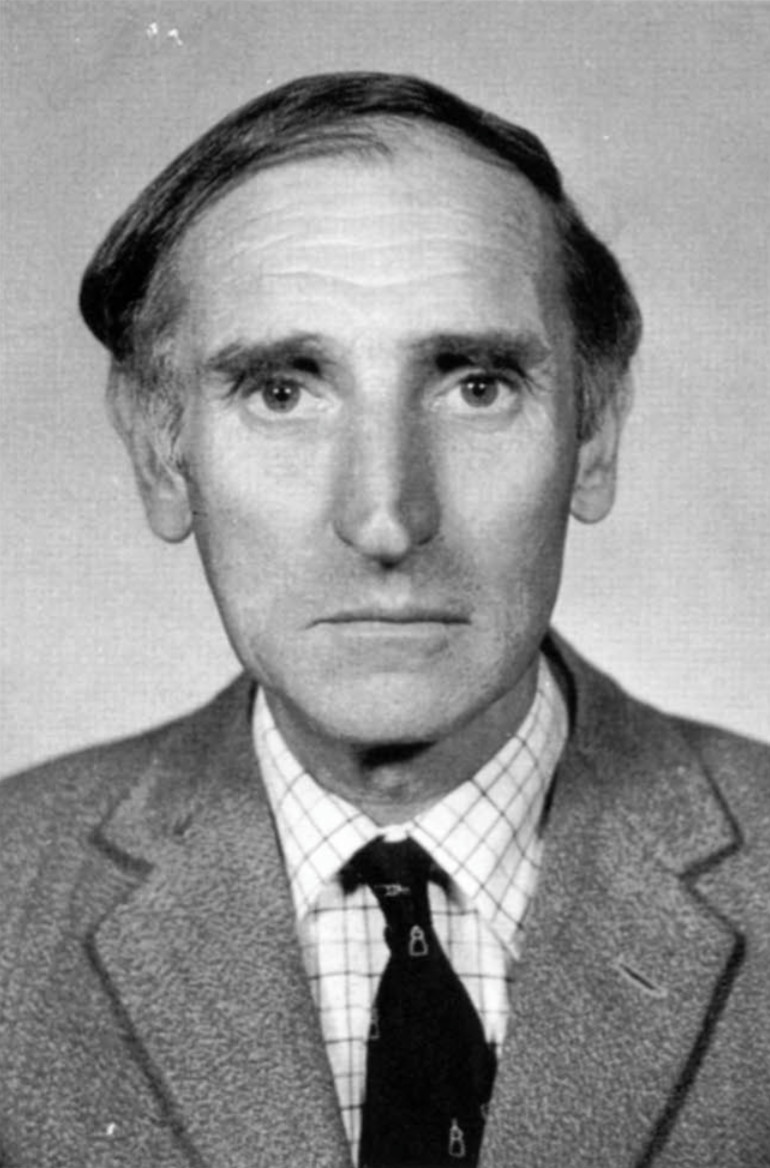
Cheney had served in the British Army from 1946 to 1957 in the Royal Armoured Corps and the 10th Gurkha Rifles. After retiring from active service, he became a tea-estate manager in Darjeeling, and came to Kathmandu in 1965 for the first time and continued working in a tea estate in Ilam.
He then turned to Nepal’s fledgling trekking industry, and in 1966 joined forces with Jimmy Roberts who had set up Mountain Travel Nepal, the first registered trekking company in the world. In his later years, Cheney concentrated his efforts on promoting the country as a household name in the climbing and mountaineering industry.
“Mike Cheney showed Nepal the way ahead, connecting the country to the rest of the world at a time when it was not easy to market a new destination, while at the same time making sure that porters got a good deal,” says tourism entrepreneur Karma Sherpa Lama in Kathmandu.