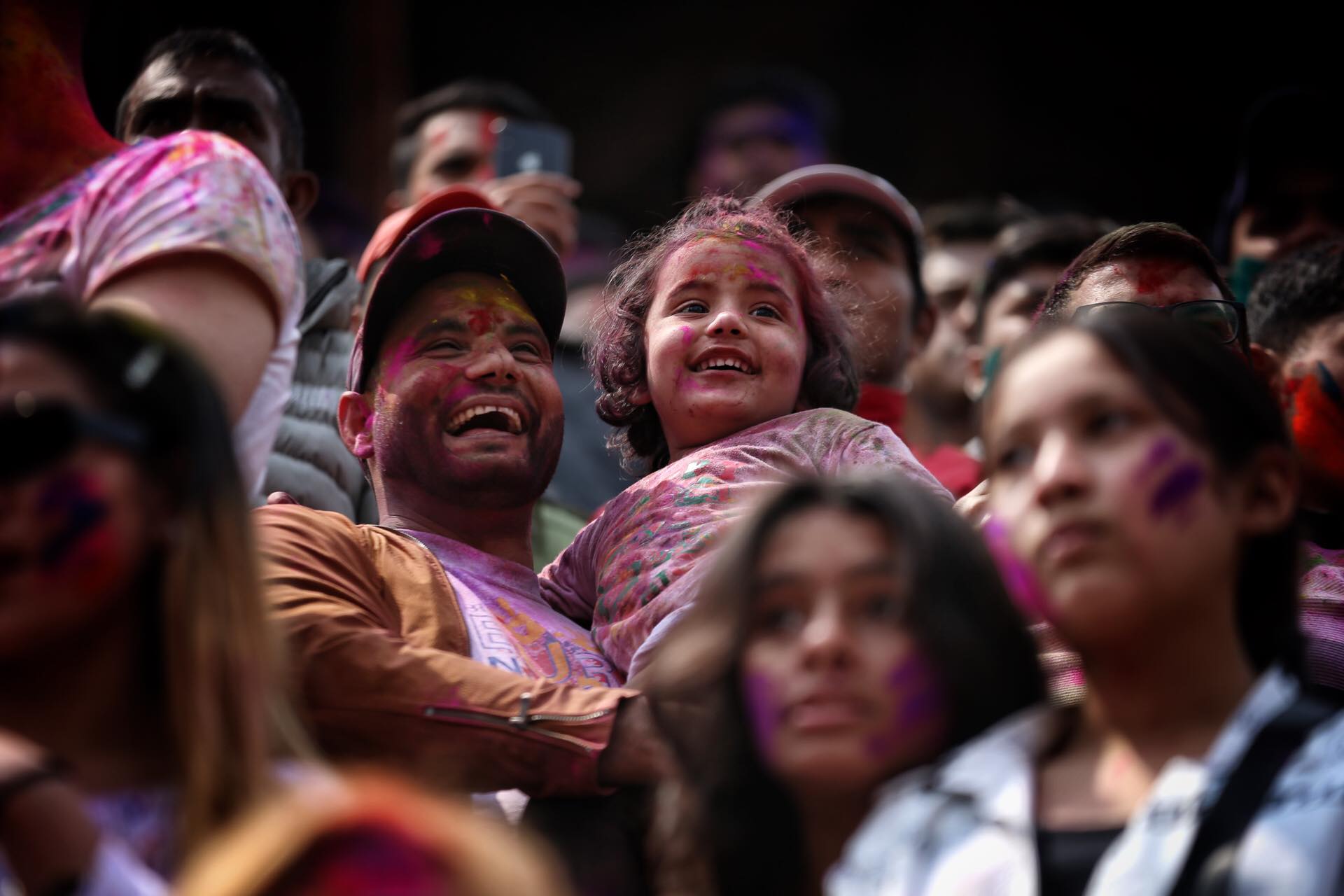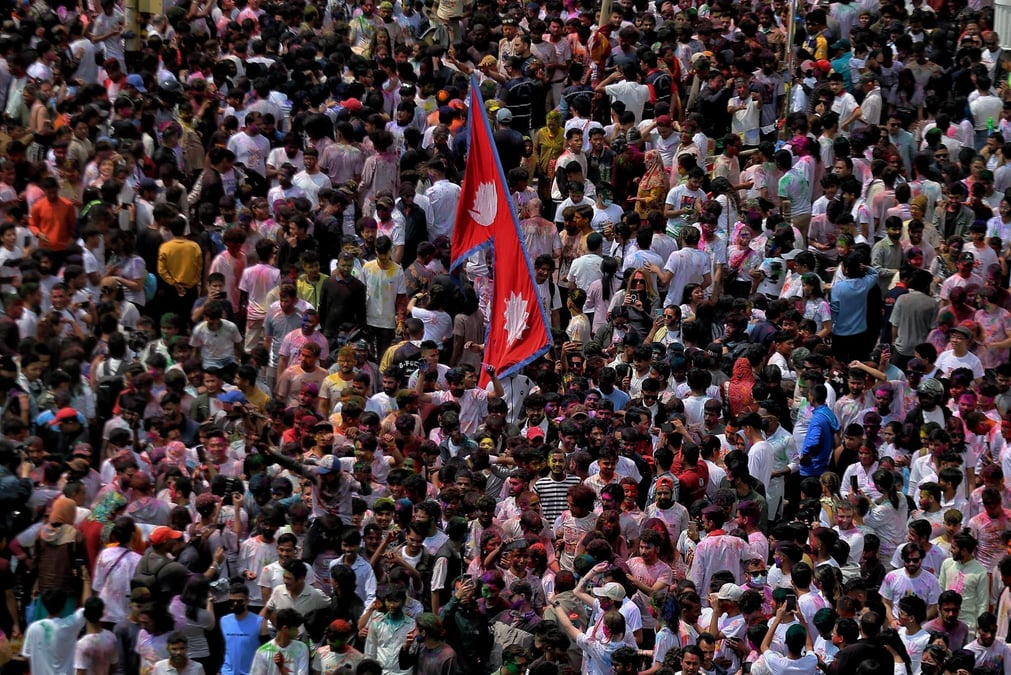
The fact that the festival of Holi is celebrated on two different days in Nepal this week is itself an indication of how the mountains and plains of Nepal are culturally united.
The full moon day of Fagu Purnima is marked with much merriment in the mountains on Thursday, while the festival of colours is celebrated on Friday in the Tarai. And it would be fair to say that the passion with which Holi in the plains is several times more intense. In fact, along the Nepal Tarai, holi is celebrated on both days.
In many places in Birganj, Janakpur and Rajbiraj, young Hindu or Muslim, Madhesi or Pahadi, celebrate each other’s festivals together. The 2021 census shows that more than half the country’s population now lives in the Tarai, and this coexistence has made the Holi mosaic in the Tarai even more colourful.
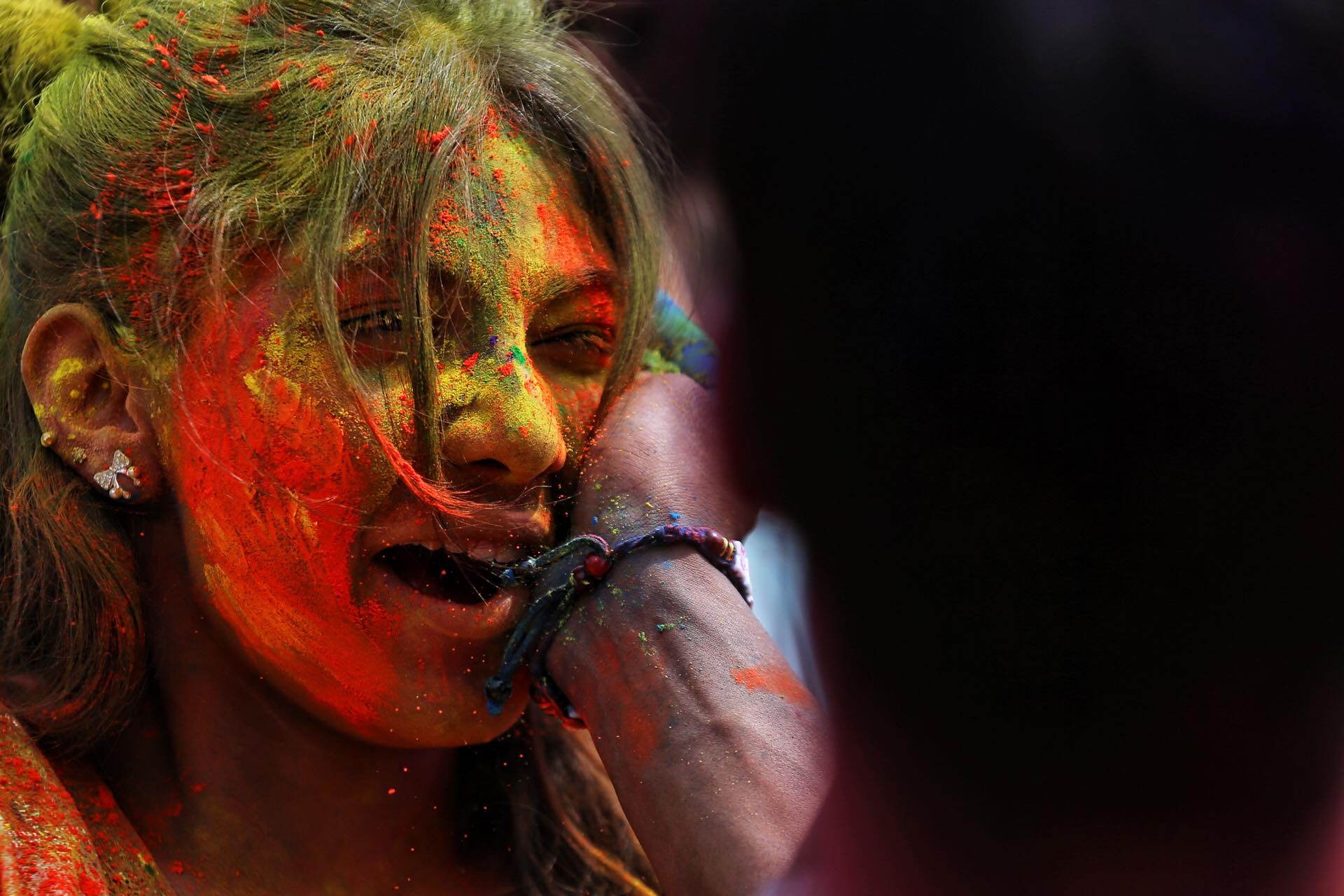
The festival proves that as long as the rulers on either side of these borderlands do not mix politics with religion, Nepalis of all faiths and ethnicities can get along as they have for centuries. And example of this are the tradition of folk songs in the Bhojpuri language sung during the Holi festival by people in India and Nepal.
Read also: Many tongues, one voice, Amar Kanta Jha
One such song actually prays for the prosperity of Nepal: ‘Blessed be Nepal, the land of Pashupati which I will decorate with gold and sprinkle Nepal with silver.’ The lyrics of this song are contained in a 1948 Hindi book, Bhojpuri Folk Songs shows that reverence for Pashupati and its role as Nepal’s patron deity is part of the culture on both sides of the Nepal-India border.
The language is a bond that ties the people of these borderlands together, but it is also the festival of Holi that cements the people-to-people relations. The folk songs sung during the festival have been passed down for generations, highlighting the age-old ties.
Holi is celebrated all week this week in Nepal as well as in India with communities gathering in the evenings to sing the ‘Hori’ folk songs. With outmigration, it is mostly older people who take part in these rituals and there are fewer and fewer people every year who can sing the songs.