
Photos: BIKRAM RAI/NEPALI TIMES
Earthquakes are inevitable in Nepal. It is not a question of ‘if’, but ‘when’. And ‘when’ was 2:28PM on 15 January 1934. It was 11:56AM on 25 April, 2015. Another memorable and tragic date in future is certain.
But Nepalis have short memories. As long as aftershocks shook us, we were reminded about the horrors. But seven years after 2015, the fear has evaporated.
This is not panic-mongering, or crying wolf. It is reality: every part of the central Himalaya is hit by a megaquake above 8 magnitude every 500 years or so, and a moderate intensity quake every 100 years.
The 2015 disaster was not a Big One, 1934 was. Nonetheless, both released some of the built-up tectonic tension underneath us. What worries Himalayan seismologists is that there has been no major earthquake in western Nepal in the last 500 years. The rock strata beneath are stretched to breaking point.
Experts tell us that if an 8M earthquake strikes in this seismic gap between Pokhara and Dadeldhura, it will also rock Kathmandu and be even more damaging than 2015.
That 7.8M earthquake seven years ago was comparable to the 7.7M quake in Gujarat in 2001, and the 7.6M temblor in 2005 in Kashmir. In 2015, Nepal saw greater physical damage, but India and Pakistan had much higher casualties. One reason was that we were lucky 25 April 2015 was a Saturday, and students were not in classrooms.
To mark National Earthquake Safety Day on 15 January, we recap the past seven years. There is some good news: over 80% of reconstruction is complete. Nepal’s recovery has been smoother than other developing countries hit by mega disasters.
Despite initial delays due to political muddles and the Blockade, reconstruction in most sectors picked up in 2016. Today, only health facilities and heritage sites are lagging at about 65% completion. Most rebuilt homes follow national seismic resistance guidelines because masons were trained, and there was monitoring before grants were released in installments.
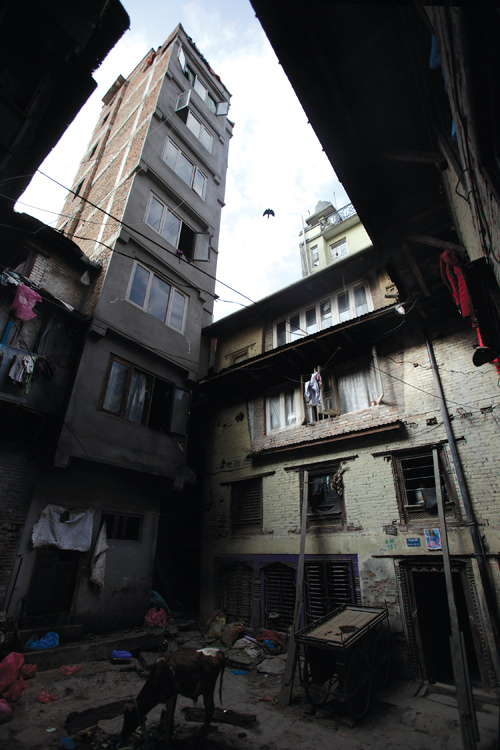
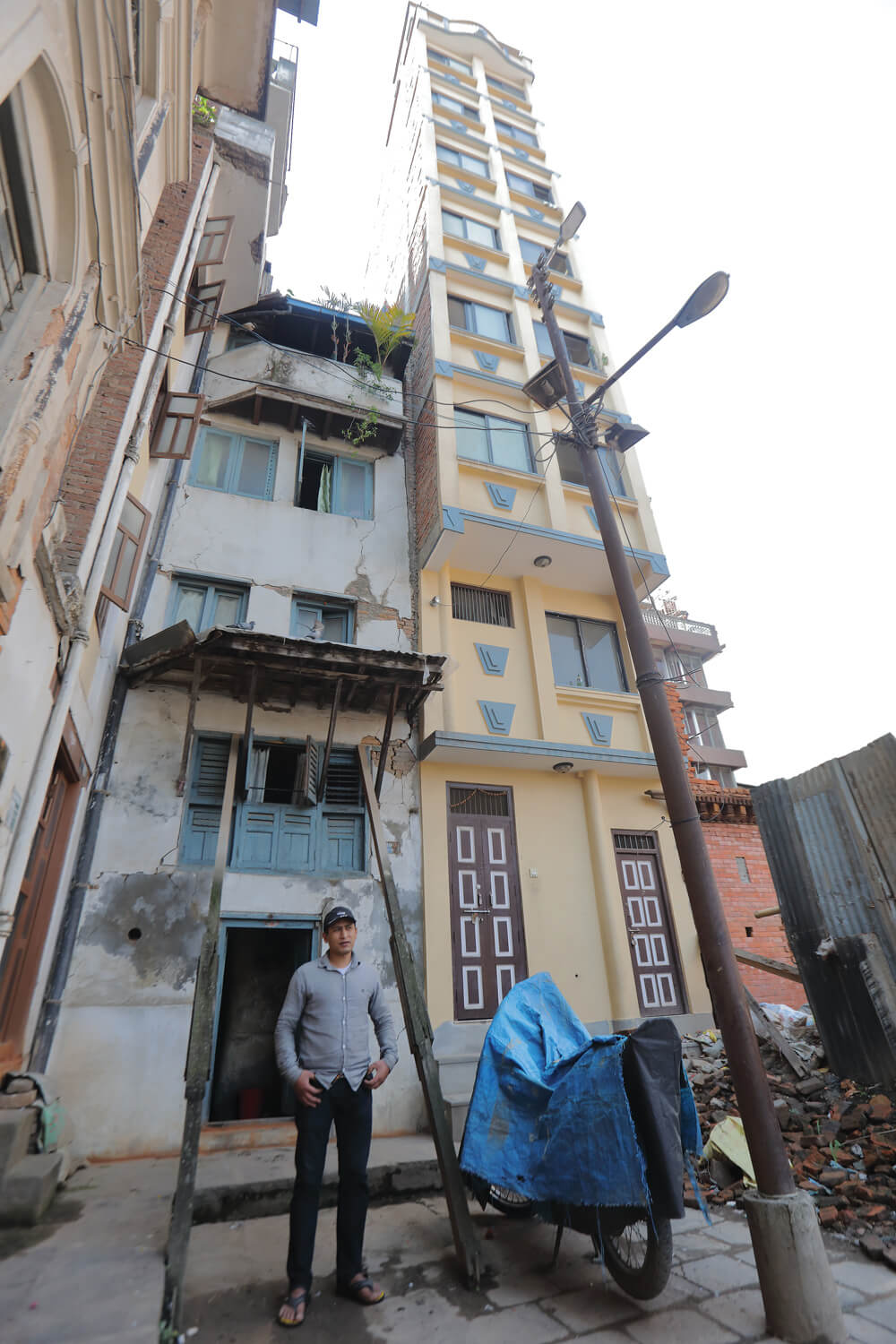
However, reconstruction in Kathmandu and other towns have not even passed the 60% mark, and could take another five years. The Rs300,000 reconstruction grant was just not enough for families to rebuild urban homes. More worrisome is that whatever has been rebuilt in Kathmandu Valley mostly flout building codes and permits.