

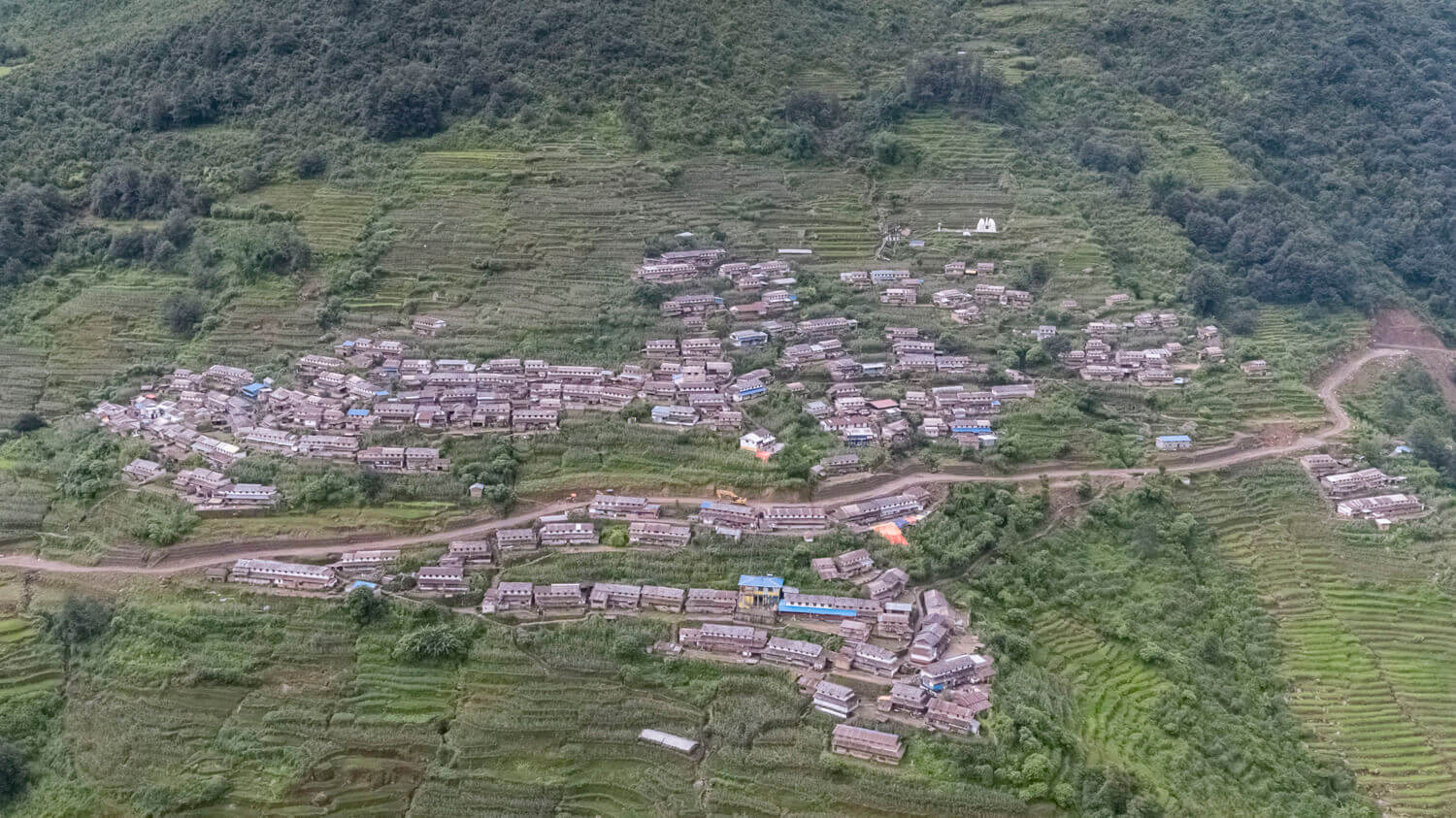
During a survey of the Manaslu Trail in northern Gorkha three decades ago, the noted botanist Tirtha Bahadur Shrestha and I talked as we walked about developing such remote regions of Nepal.
One day, as we rested near a stone spout, I came up with a somewhat provocative thought that it was futile to try to come up with an economic development model based on service delivery to such small populations in remote areas.
“Would it not make economic sense to just take all the people and settle them outside the Ring Road in Kathmandu?” I asked.
The good doctor is known for his understated wisdom, and answered: “If we do what you suggest, some day there will be Nepalis, but there may be no Nepal.”
These remote areas of Nepal continue to receive services, allowances and projects from the Nepali state at enormous expense. Donors pour money into these regions, and the cost of projects is high because of their isolation.
The hope that the people there will stay in their villages and prosper is not a new one. In the Panchayat days, kings went on winter tours to these areas to be ‘with the people’. They royal entourage included the entire government machinery that travelled with the king, and unfortunately, left when he left.
Last week, I moved upcountry from Biratnagar to Ilam and Phidim with New Zealand-trained environmentalist Shailendra Thakali. The roads are good, there is access to government services, technical schools and banks have opened up. Entrepreneurs are looking to strike it rich through tourism, the high value commodities and agriculture, and a range of energy projects.
Yet, the young are leaving in droves, and wealth also is moving out as soon as it is created. Men and women are moving to the cities, and many from these parts were in Tundikhel in Kathmandu last week to celebrate Udhauli. Their villages back home are empty.