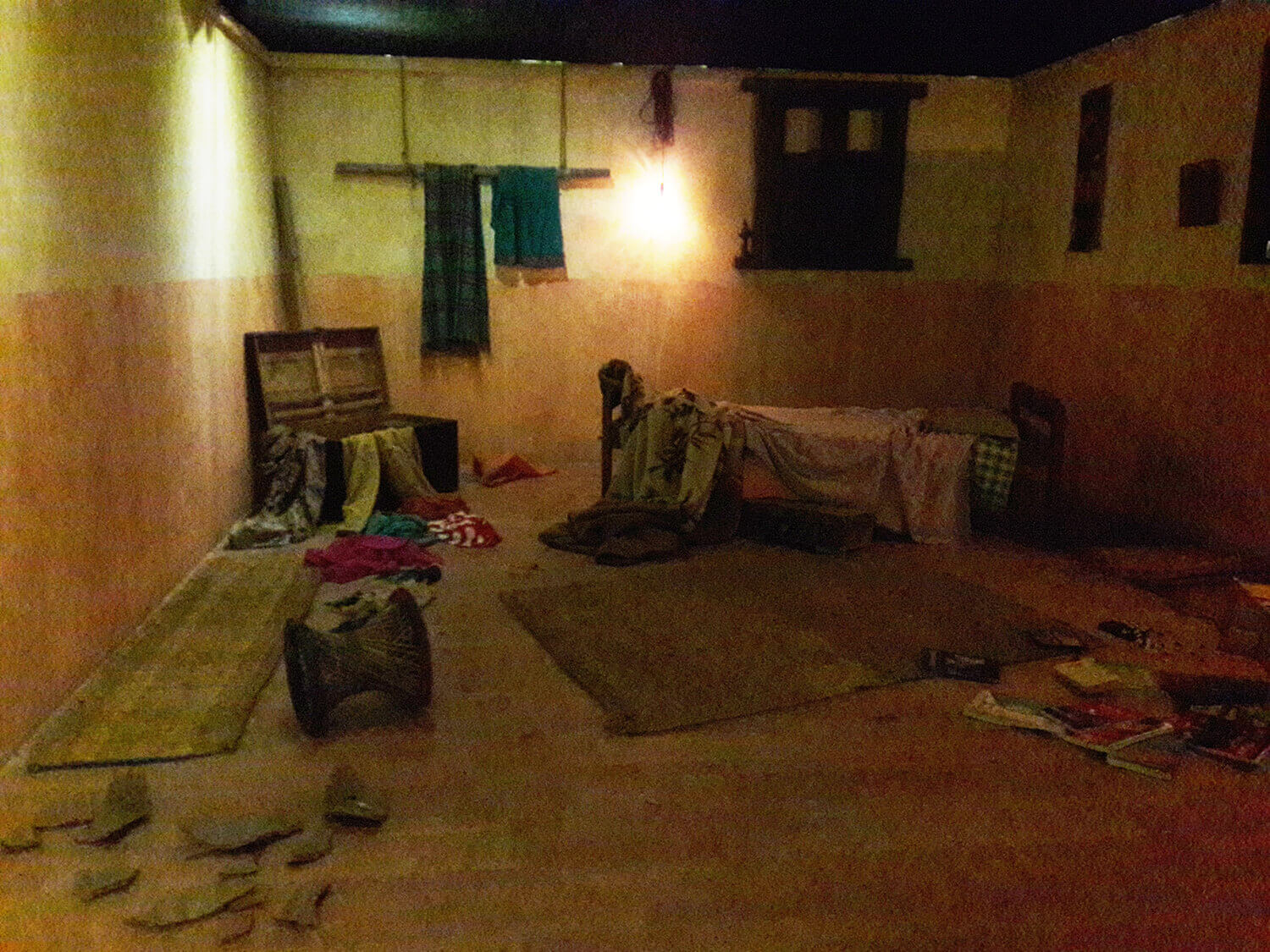
Books are scattered around in a dark room, an earthen pot lies shattered to pieces, and clothes litter the floor. The sound of crickets chirping and a woman sobbing add to the eerie atmosphere. This is an installation at Nepal Art Council, recreating the room of a woman who was forcibly detained and raped by the security forces during the 1996-2006 war.
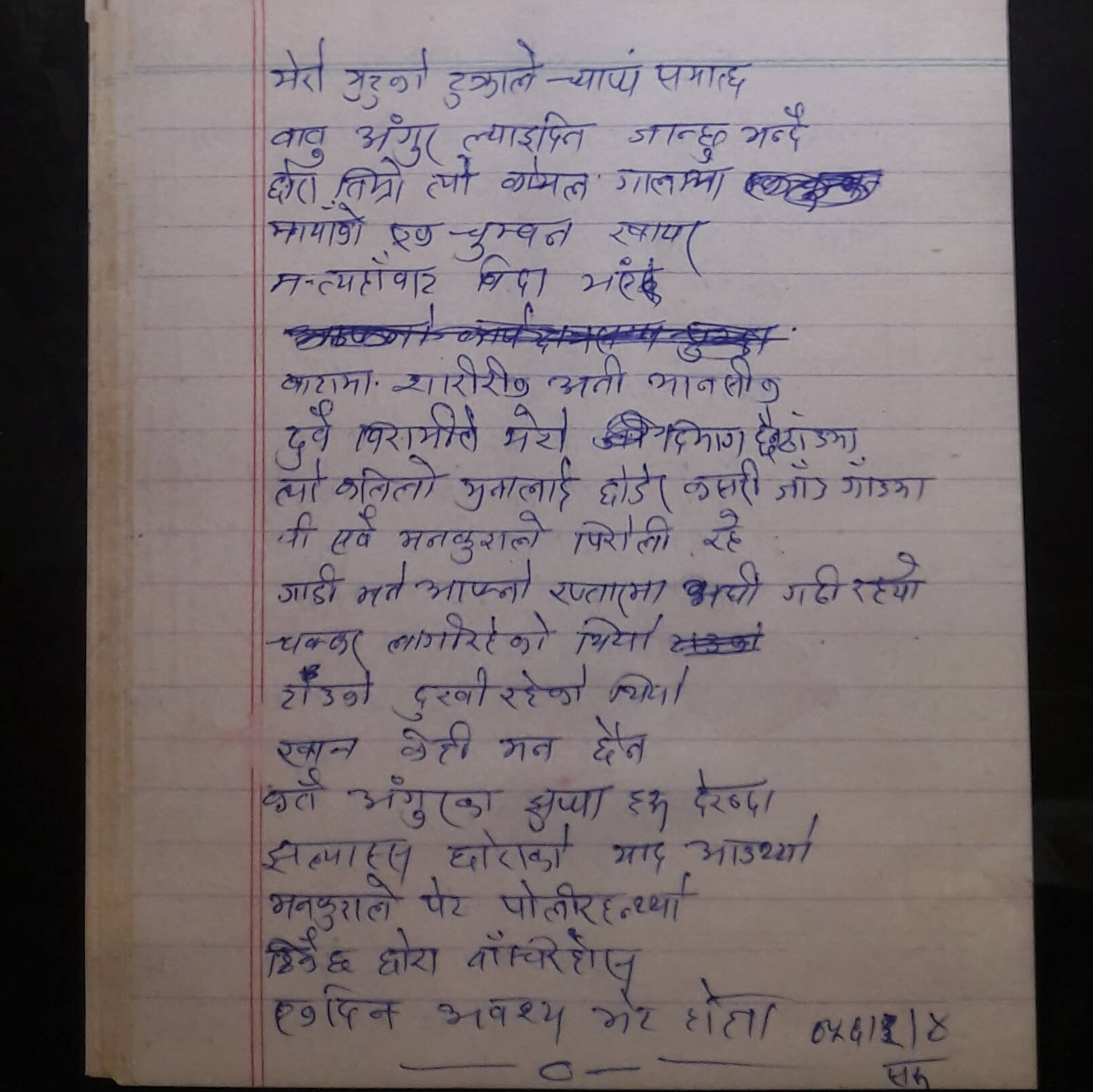
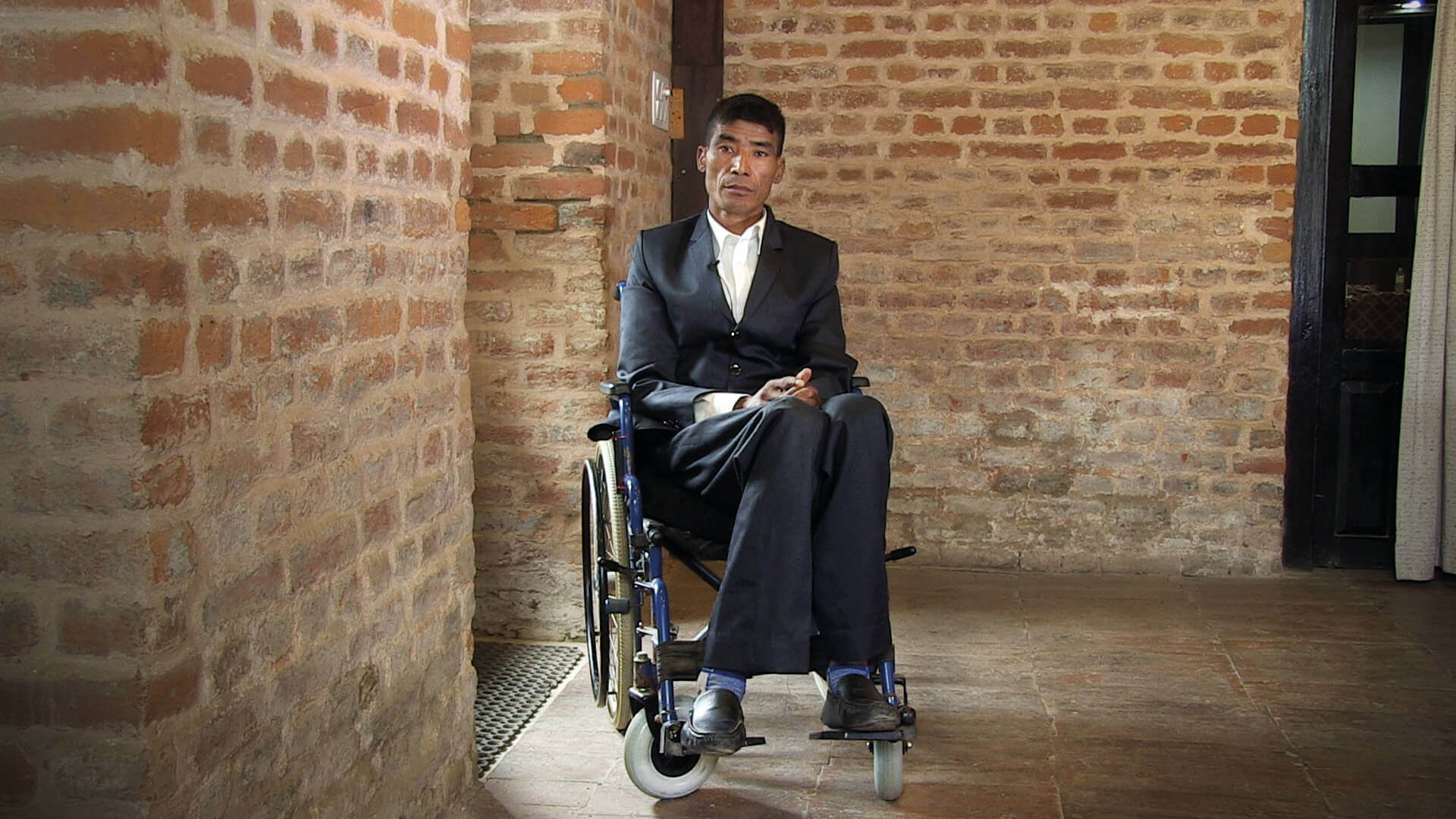
It is part of an exhibition titled Memory, Truth, and Justice organised by Voices of Women Media and Conflict Victims Common Platform, which shares stories of more than 100 victims from both sides of the conflict. Some are audio-visual testimonies, there are photographs while others are artistic re-creations.
“We wanted to bring these stories out because we realised that everyone was forgetting the war,” explains project manager Bikkil Sthapit. “The government and leaders are not doing anything. And even for family members of those killed and disappeared, memories are fading. Justice is being forgotten. We wanted to record these memories before they are totally gone, inform the public and advocate for justice.”
Read also: “How many times do we need to share our story?”, Seulki Lee
Just not justice, Om Astha Rai
The ten year war cost 17,886 lives, 1,530 were forcibly disappeared, 8,191 were maimed, millions were displaced. The conflict left deep physical and psychological scars on individuals, families and society. Like most wars, many of the victims were civilians. Innocent bystanders lost their limbs in bus bombs, girls and women were subjected to sexual violence, suspects were tortured, former child soldiers sacrificed their childhood and are now abandoned.
Conflict victims and family members have lent items they have preserved lovingly: a shirt bought from first salary, letters smuggled in with noodle packets. These items present victims’ stories with an urgency and immediacy that is lacking in the numbing statistics of war. The first person accounts, often graphic and intense, can be very hard to watch and listen to.
“The exhibition reminds us that we should be ashamed that so little has been done for the justice of conflict victims,” says Prakash Wasti of the National Human Rights Commission. “These issues do not belong to the 100 people whose stories are represented here, but to the whole country.”
Memory, Truth, and Justice
Nepal Art Council
Until 6 October
Read also: It's all in the mind, Sonia Awale
The art of healing, Sewa Bhattarai
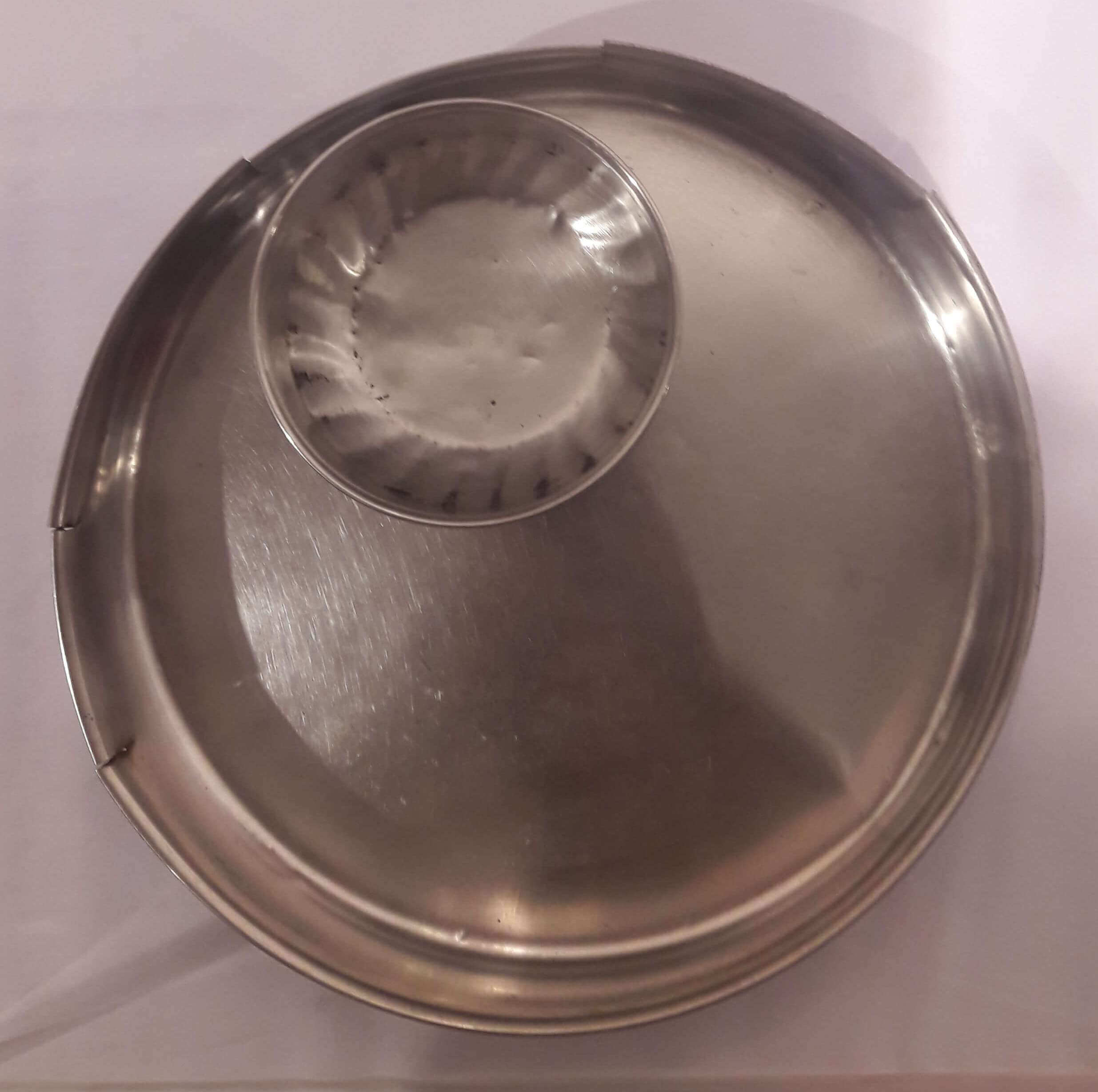
Sharmila Chaudhary, Dang
Sharmila is the mother of Jagi Ram Chaudhary, a Kamaiya who was disappeared at the age of 17.
"I still put some food for my son in this plate before I eat any meal. Though he was disappeared 16 years ago, I still hope that one day he will come back to eat what I serve."
Read also: Doors closed, Om Astha Rai
Children of war, Kunda Dixit
Shova Rayamajhi, Nuwakot