
As the birthplace of the Buddha, Lumbini is among the four holy sites that pilgrims from the world over travel to during their lifetime. But the nativity site in Nepal is in a sad state, and needs to spruce up its facilities for a rush of visitors once its new international airport named after Gautam Buddha is completed later this year.
The inner sanctum of the Maya Devi Temple here has the marker stone at the exact spot where the Buddha was born 2,642 years ago, and it already receives 1.6 million visitors annually. Many international pilgrims at present come just for a day to Lumbini while on the Buddhist circuit in India.
But with the new Gautam Buddha International Airport nearing completion only 16km away, this number is expected to surge as direct flights can start operating from predominantly-Buddhist countries in the region like Sri Lanka, Burma, Thailand, Laos, Vietnam, China and Korea and Japan.
Read also:
Lumbini's Unholy Mess, Om Astha Rai
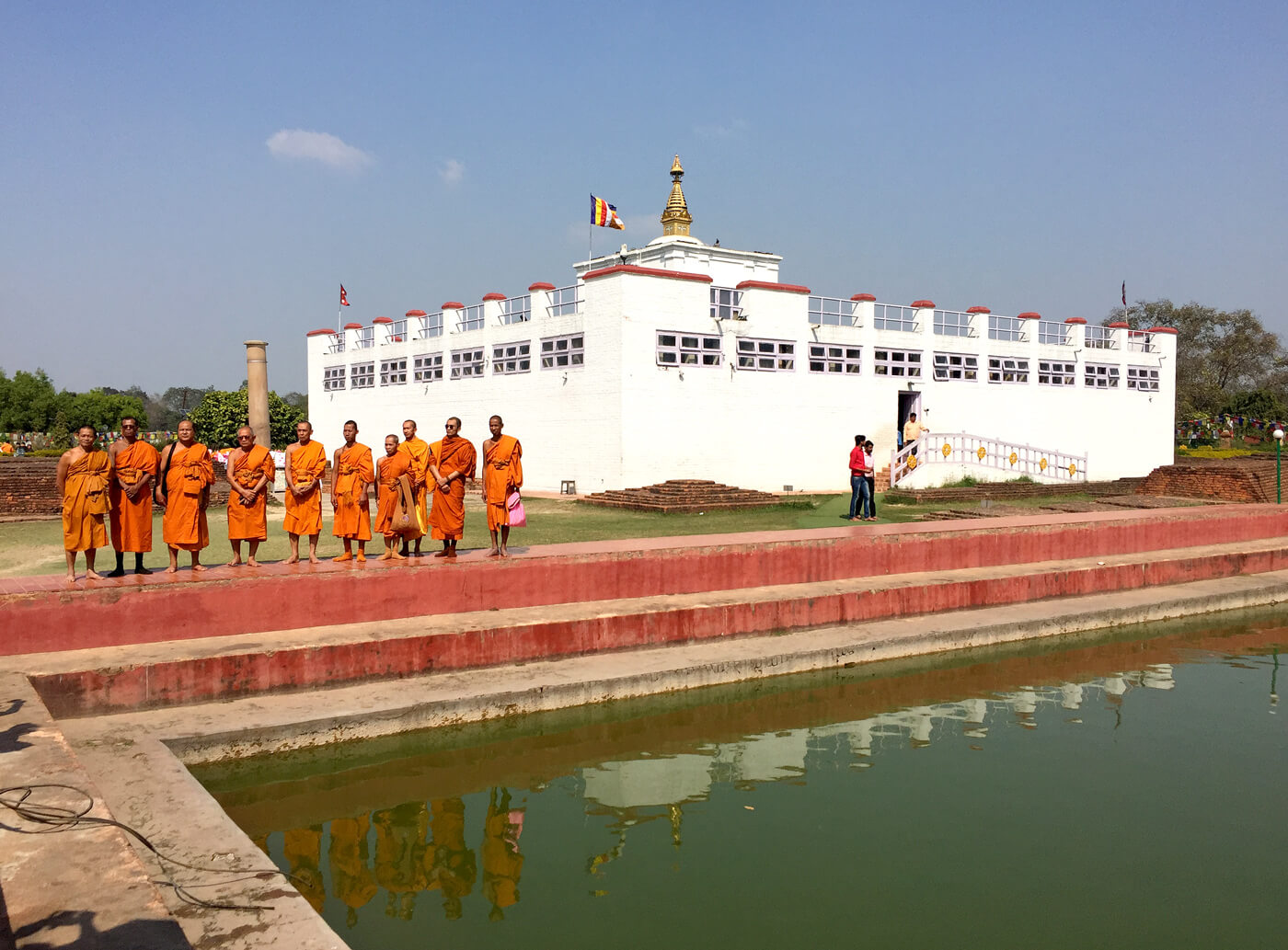
There are also tourists who come to Lumbini it is a centre for learning about Buddhism with a library, museum as well as monasteries built by various countries within the World Heritage Site designed by Japanese architect Kenzo Tange 40 years ago.
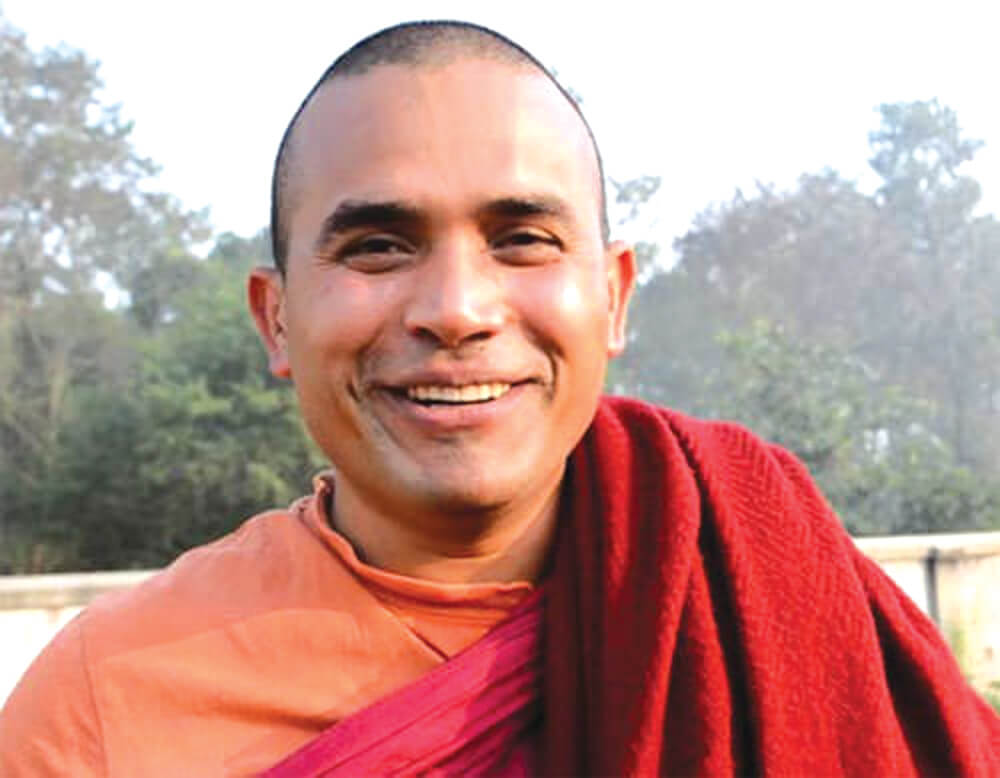
Tange’s master-plan divides Lumbini into three zones of 1 sq mile each: the sacred garden consisting of the Maya Devi Temple, the monastic zone that has monasteries from around the world, and the new Lumbini village with modern facilities for visitors. The master plan which had been languishing for decades is now being expedited under the leadership of Metteyya Sakyaputta (Awadesh Tripathi), a Buddhist monk himself.
“For the past 40 years, we never set a deadline or had an urgency to complete the master plan. Now, we have opted for international bidding and selected the best from around the world. This will ensure that the work is completed as soon as possible.” says Ven Metteyya.
Tourism Minister Rabindra Adhikari had put the completion of the masterplan as his priority, and his death last month in a helicopter crash has been a big blow to Lumbini’s preparations for the future.
Ven Metteyya says most of the remaining work in infrastructure, drainage, waste water treatment facility, walkways, a centralised drinking water system, and pond construction is being expedited. Work for solar-powered charging stations in Lumbini is also expected to be complete in the next month. Electrification and a free WiFi network is being established for the entire masterplan area through which visitors can download an app that will help them navigate through the sprawling site.
This is an important project to resolve the information deficit Lumbini currently suffers from, especially in the international monastic zone which is divided into two parts by the central canal. The eastern part has Theravada tradition temples and the western portion has shrines belonging to the Mahayana sect.