
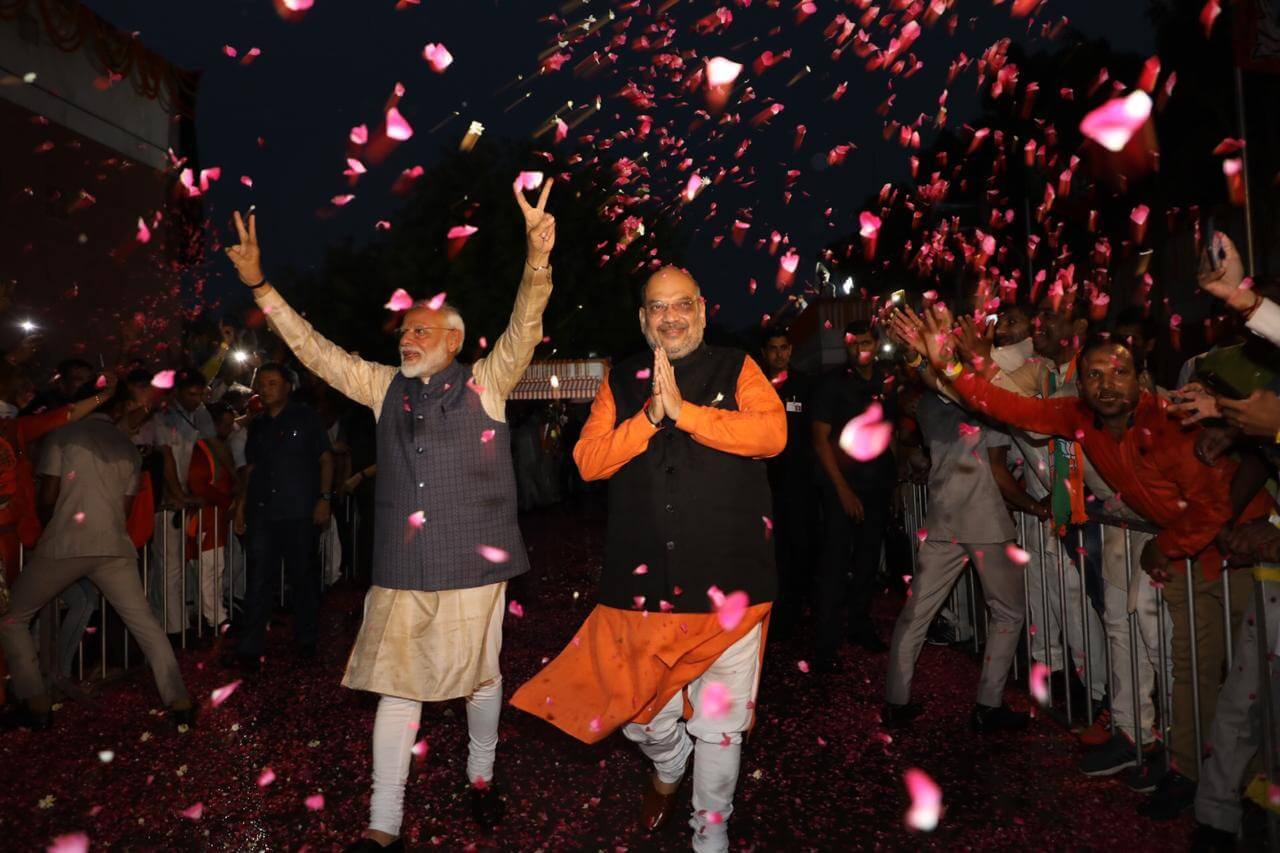
Prime Minister Modi is returning to power in India with more confidence will mean that his government will be more assertive towards smaller countries like Nepal in the neighborhood.
As a leader who masterminded the five-month economic blockade of Nepal in 2015, Modi’s policy towards its northern neighbour has been hands-off since then.
Read also: India's new social media politics, Shashi Tharoor
The new Modi government can be expected to counter China’s Belt Road Initiative with increasing India’s own investment in highway, railway, energy and telecommunication connectivity to and within Nepal.
Nepal’s leaders may also have to adjust their policy of equidistance between Beijing and New Delhi to take into account a more powerful and confident Modi government to the south.
Read also: At ground zero in India's election heartland, Namrata Sharma
When he won in 2014, Modi had launched a ‘neighbourhood first’ policy with mixed results. This time he may show them red lines while seeking to a much larger say in the region, and offering cooperation in development areas with people-oriented projects as he has done at home.
Modi could redefine his Nepal policy in order to seek acceptability and course correction. There are challenges on foreign policy as the problems in India’s periphery are significant. With occasional diplomatic blunders and lack of ground understanding, there are serious limitations to India’s influence in the region vis-a-vis an assertive China.
Read also:
A Modi-fied Oli, Om Astha Rai
Campaigning in Nepal, Editorial
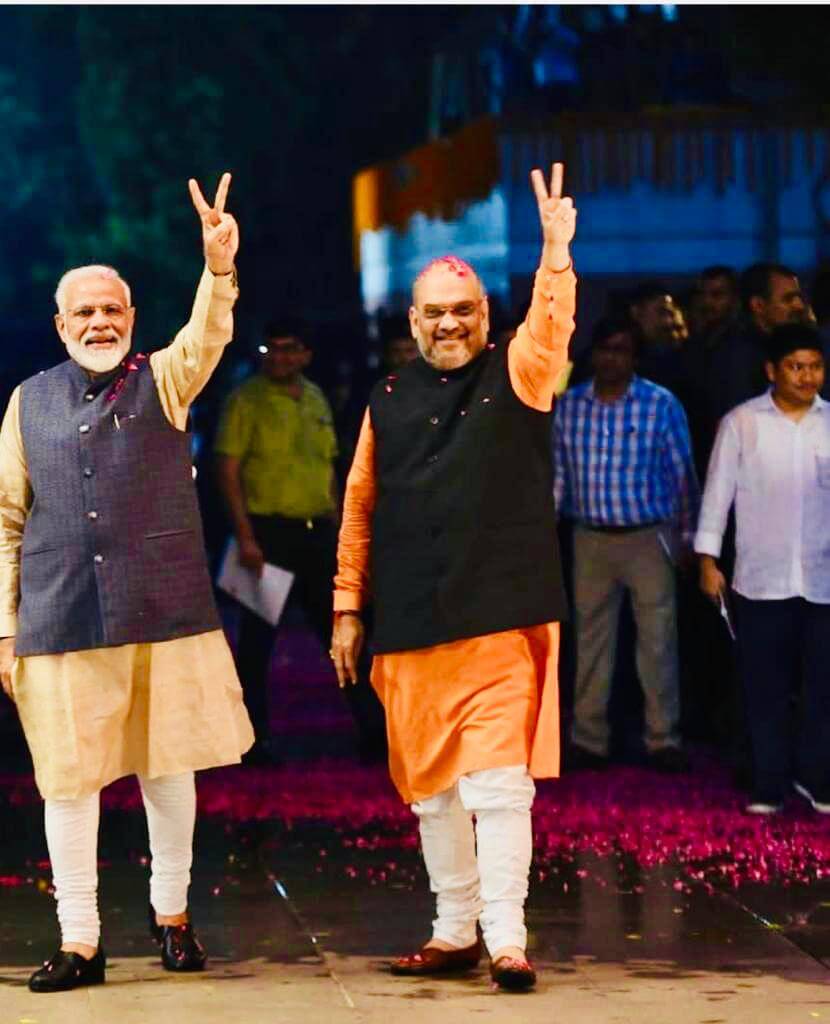
The Bharatiya Janata Party (BJP) under Narendra Modi has swept India’s 2019 parliamentary elections by winning 300 seats on its own out of the 542 in the Lower House. The NDA (National Democratic Alliance) led by BJP has mustered 349 seats, which is up from 336 in 2014. The opposition Indian National Congress mustered barely 51 seats, with its United Progressive Alliance obtaining 91.
The saffron wave not only swept through the Hindi heartland and Gujarat, but also rippled through West Bengal, Odisha, Maharashtra and Karnataka. It has gained nearly 50% vote share in North and West India and broken its own 2014 record.
By pursuing an inward-looking growth, India has also failed to economically integrate the region. But it is more than concerned about the rising footprints of China in Nepal and elsewhere, which were traditionally seen as within its sphere of influence.
The results clearly indicate that Modi is and will remain an uncontested leader in India. Voters seem to like his assertive leadership, and think it will secure national interest, deliver on governance and lift the poor. They have voted for Modi despite massive unemployment, rural distress and the highly divisive nature of BJP campaigns.
India may now be headed towards a presidential-style of government with every constituency having voted for just one person: Modi. This is unprecedented as no single politician has emerged the centre of an entire election exercise since Indira Gandhi in 1971. Critics say this will concentrate power and centralise decision-making, as the election was fought solely on the issue of national leadership.