
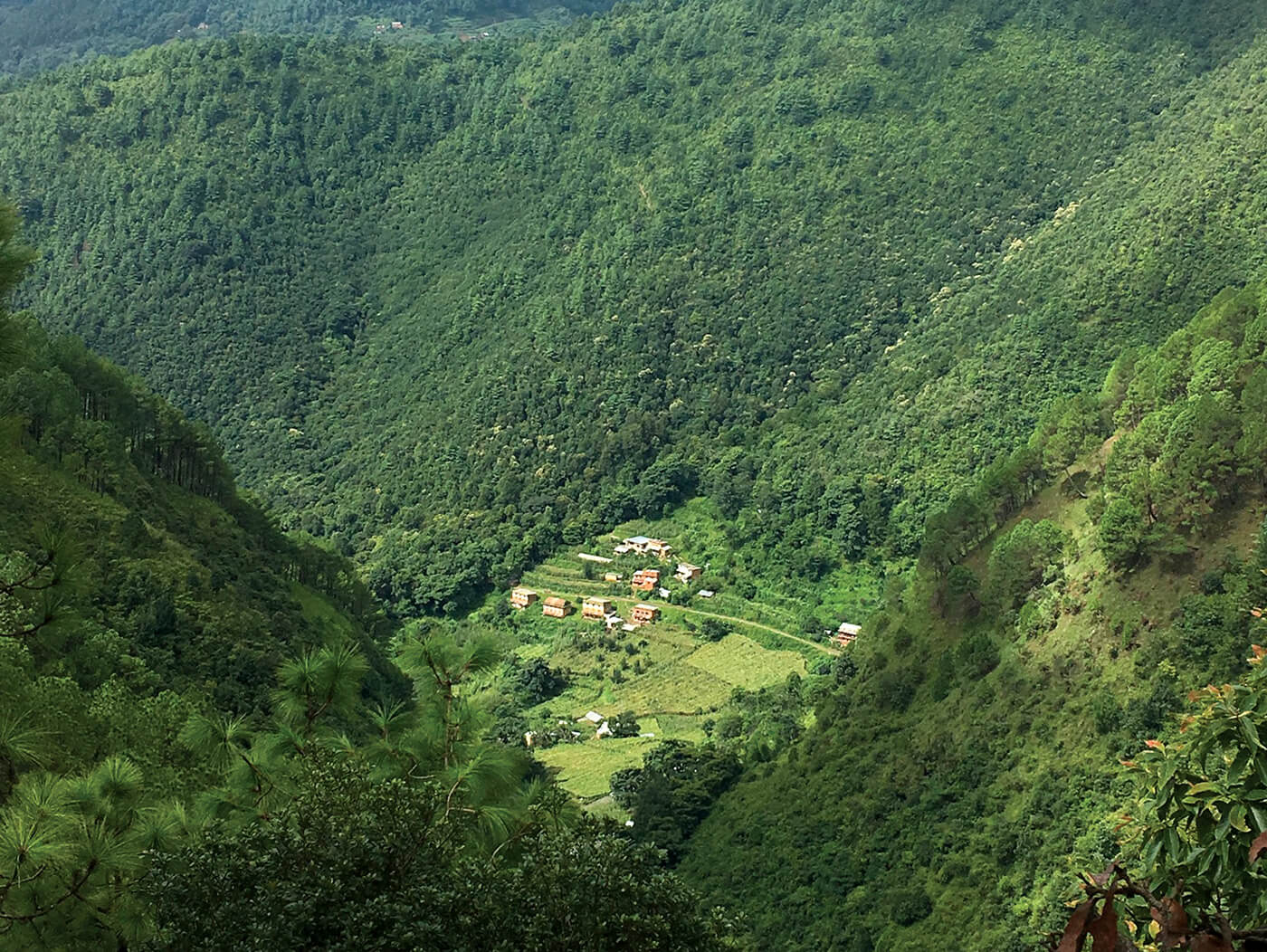
After degraded forests were leased out to local communities to protect and manage 40 years ago, Nepal’s community forestry program has won international praise for restoring the country’s tree cover.
Barren hillsides have been replaced by thick forests, wildlife has returned, and farmers have prospered because of ample fuelwood and fodder. The 2015 Forest Resource Assessment showed that Nepal’s canopy cover increased from 29% in the 1990s to 45%, representing more than 1 billion tons of carbon stock.
Although depopulation of rural Nepal due to migration played a part in reducing the pressure on forests, much of the credit goes to the 22,000 or more Community Forest User Groups across the country.
“Community forestry under the 1993 Forest Act was an exemplary participatory model and a highly democratic exercise that gave villagers a clear mandate to protect, manage and utilise their forests,” says Bharat Gotame of WWF Nepal. “This gave local communities a sense of ownership, and they put in a lot of effort to protect and expand Nepal’s forest cover.”
Read also:
Fixing what ain't broke, Editorial
Nepal's silent emergency: springs going dry, Ajay Dixit
Now, as the trees mature into commercially valuable timber, the emphasis has shifted from forest protection to its management. The question is: who should manage the forests in Nepal’s federal structure?
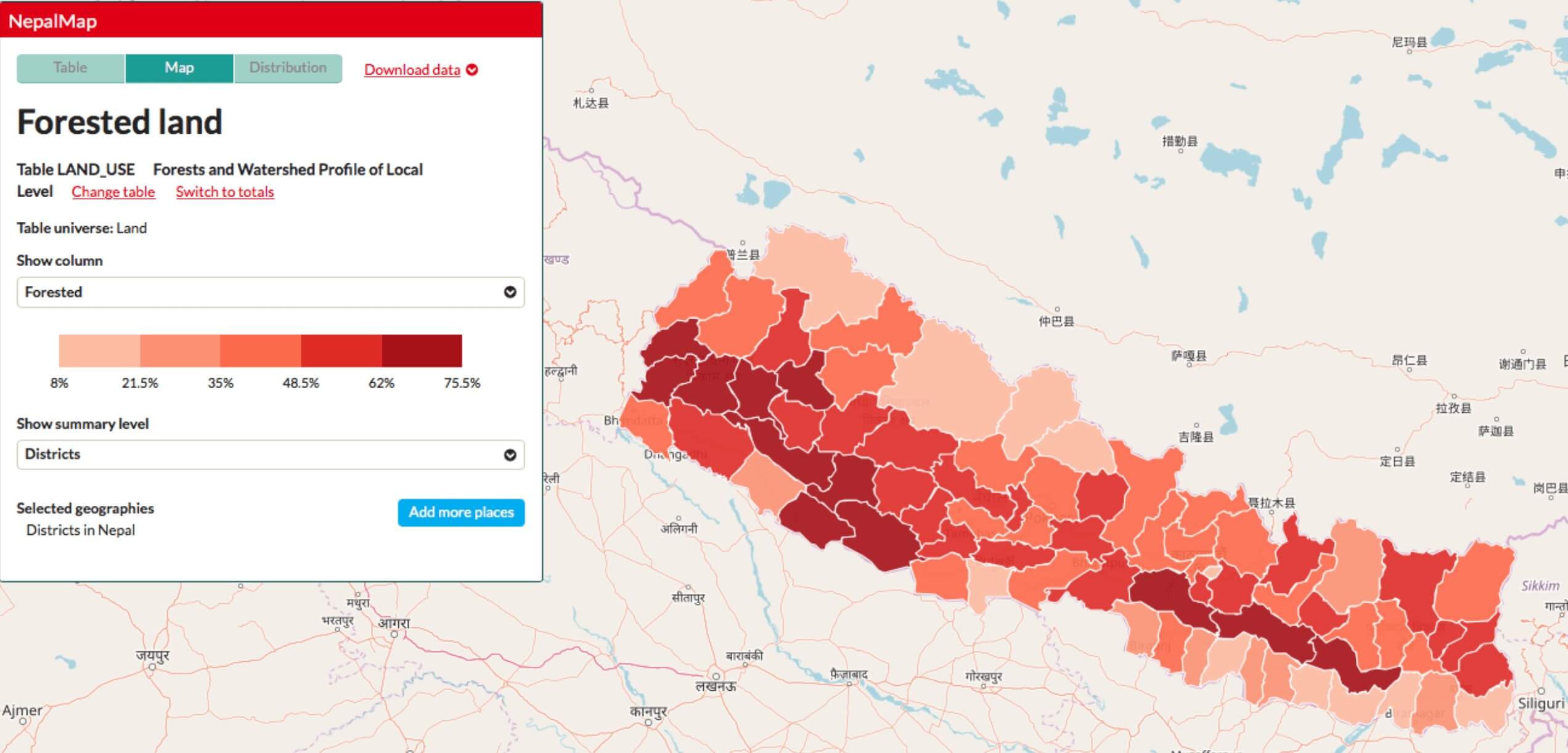
Some forestry experts believe not enough was done to train local communities in the scientific management of trees to prevent degradation and fires, and picking suitable tree species.
“We focused solely on preservation, and as a result forest coverage increased without contributing to the economy,” says Krishna Acharya, joint secretary at the Ministry of Forests and Environment. “Our next step should be to see how natural resources can yield economic benefit for local communities.”
However, environmentalists argue that nature should be protected for its own sake, and to look for narrow economic returns from conservation is myopic. If the contribution of new growth forests to eco-system services for water supply, tourism and as a carbon sink are calculated, they say the economic contribution of Nepal’s community forestry is vast.
Read also:
Municipalities want to manage Annapurna, Yuvaraj Shrestha
Hiking up the benefits of tourism, Sangmin Kim
They also add that forest management works well in countries with greater transparency. Given the level of corruption in Nepal, especially after many contractors got themselves elected mayors, rural municipalities have been exploiting natural resources. Allowing community forests to be ‘managed’ would destroy the forests.
The 2015 Constitution placed national forests under the authority of the provincial governments, but it also listed national forests as the common right of federal, provincial and local governments. Then the Local Government Operation Act of 2017 provided rural municipalities the right to protect, use, manage, monitor, regulate as well as formulate and implement laws. These contradictory provisions have created confusion about who now owns forests.