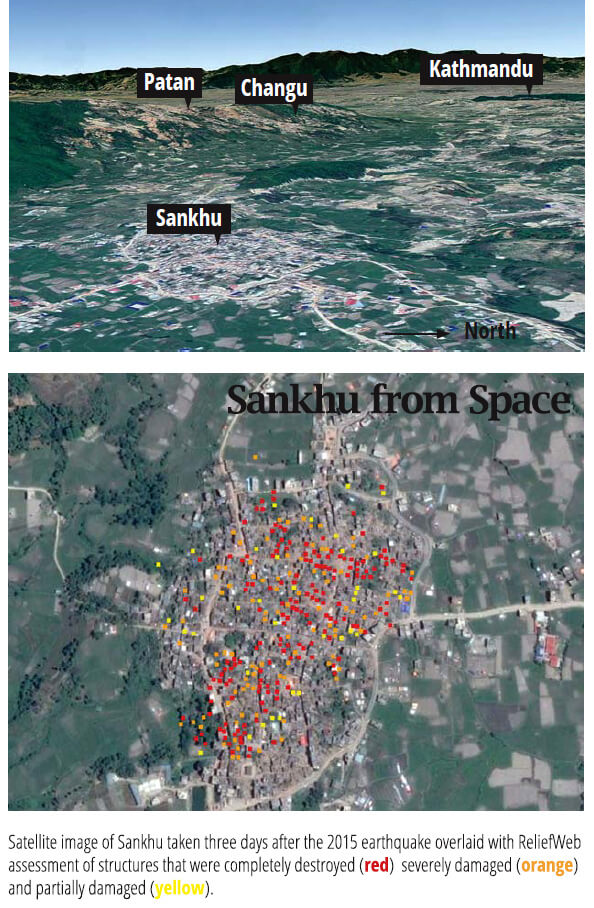
Of all the parts of Kathmandu Valley worst hit in the April 2015 earthquake was the historic town of Sankhu. But this is also where elected local officials have achieved the most remarkable progress in rebuilding.
At a time when the central government in Kathmandu has been blamed for unnecessary delays and excessive bureaucracy in helping survivors rebuild homes, Sankhu is a model of how devolution of decision-making to municipal governments can speed things up.
The earthquake that struck just before noon on 25 April four years ago killed 98 people and injured nearly 200 in this densely-packed town 20km northeast of Kathmandu. More than 6,000 of Sankhu's monuments and homes made of brick and mud were destroyed.

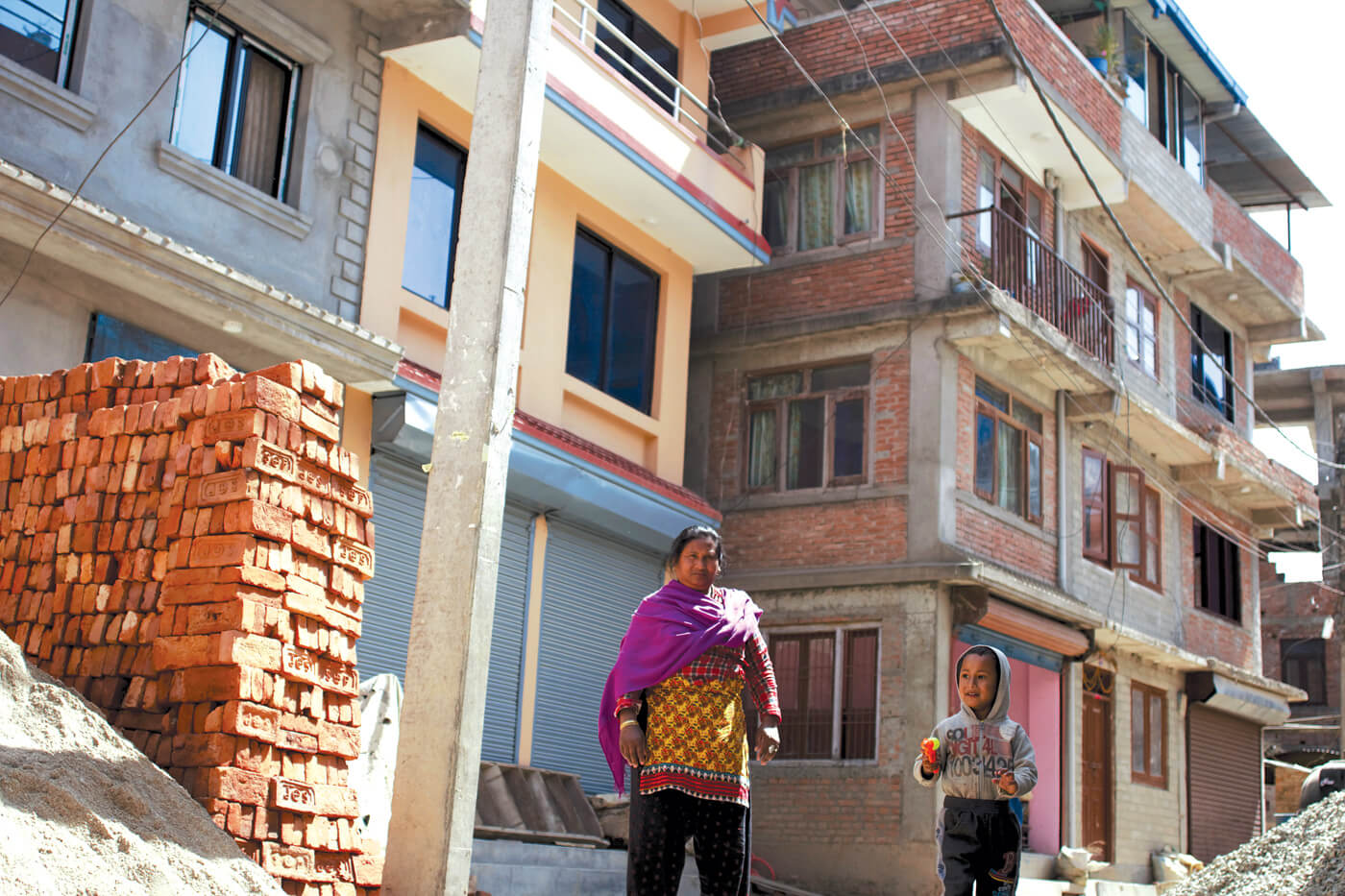
Before the 2017 elections, only 10% of the homes had been rebuilt, but since the new Shankharapur Municipal council took charge just over one year ago, more than half the buildings have been restored.
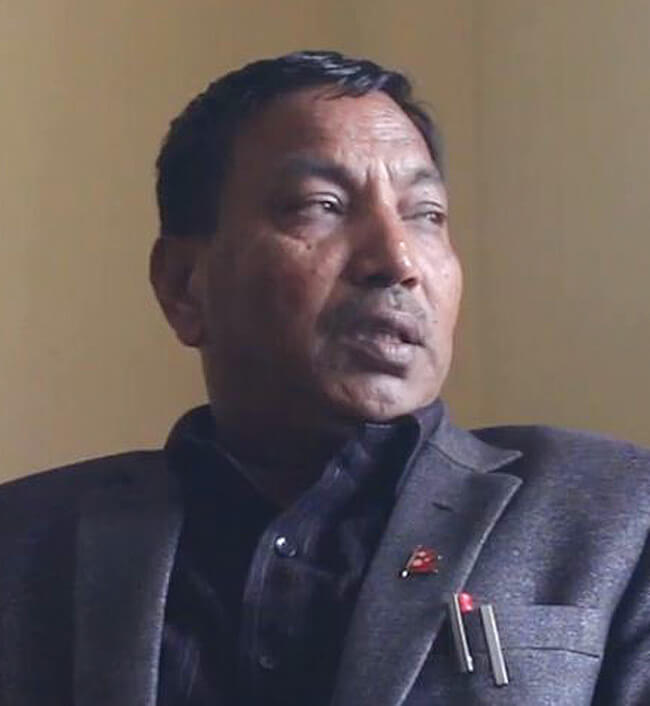
Mayor Subarna Shrestha says the progress is mainly due to decentralisation of decision-making after local elections: “Not only is reconstruction now the responsibility of local governments, but even we in the municipality have allowed local wards to decide on disbursement and approval. This has reduced red tape, and improved accountability in the distribution of reconstruction grants.”
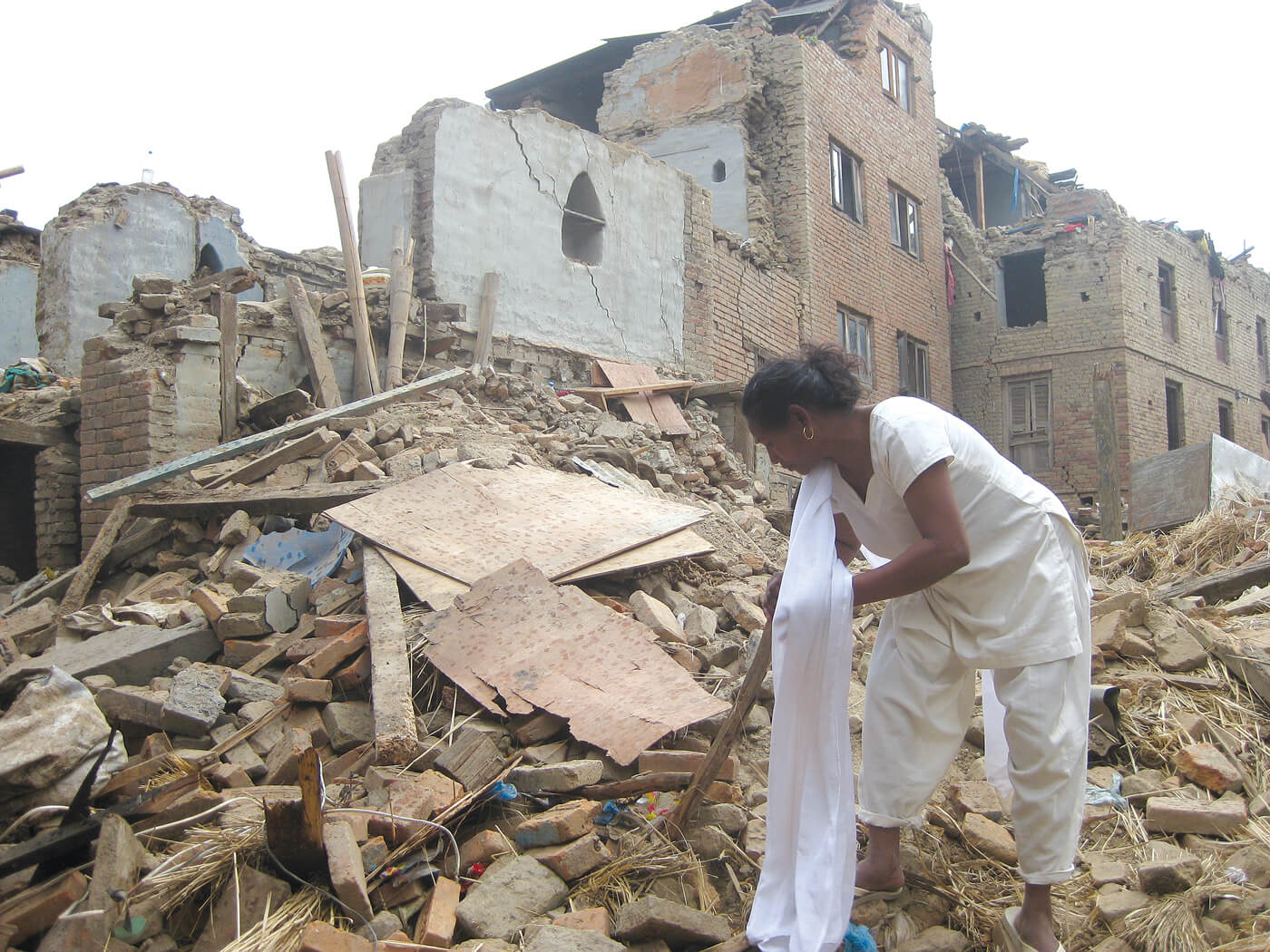
Suresh Pradhan of the Sankhu Reconstruction Committee agrees that the central government did not do much for relief reconstruction, but things started picking up after the elected municipal council assumed office last year.
“I think the municipality has been trying to make up for lost time by expediting the compensation of the third tranche and clearing the bureaucratic hurdles, and it is also working with local communities and heritage experts to help us gear up,” says Pradhan, but adds that a lot more needs to be done more rapidly.
The township gets its name from its conch-like shape and earliest records of settlements here go back more than 1,000 years to the Lichhavi Era. Located below the ancient temple at Changu Narayan, Sankhu has important Hindu-Buddhist shrines like its Mahadev Temple and nearby Bajrayogini.
The town had escaped the uncontrolled urbanisation of the nearby Kathmandu suburbs of Gokarna and Jorpati, but the new Melamchi highway and a spurt in post-earthquake reconstruction has unleashed a building spree along the fertile floodplains of the Manohara River.
Says Suresh Pradhan: “Yes, a lot of the buildings have been rebuilt in the past year, but many are concrete ones within the core heritage area of Sankhu. Now it is difficult to claim that the town is a heritage site.”