
That the fourth BIMSTEC summit would be declared a “success” was a foregone conclusion because there wasn’t really much expected of the sub-regional economic grouping.
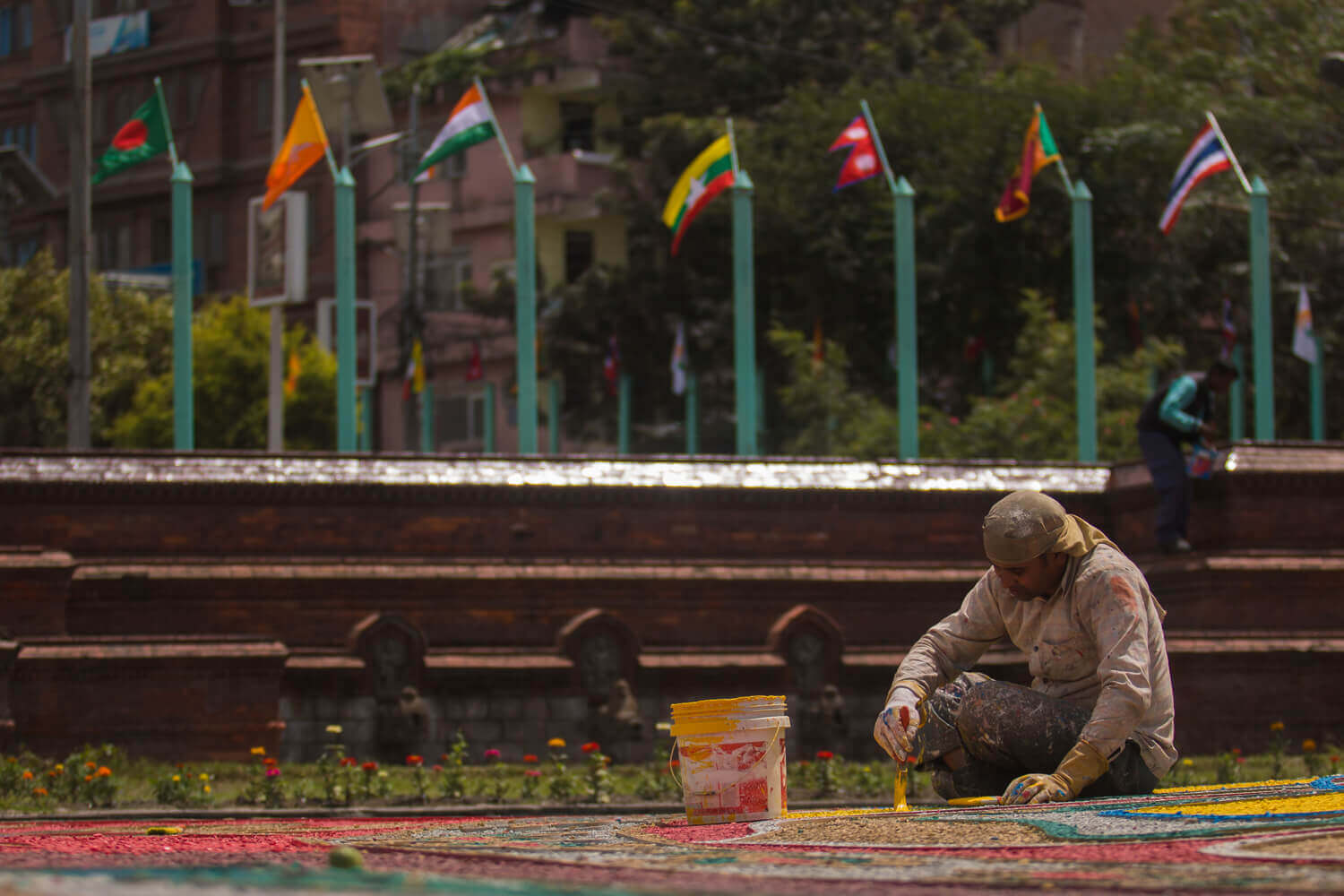
The two-day conference concludes on Friday with the signing of a charter on regional cooperation by the leaders of India, Bangladesh, Bhutan, Burma, Nepal and Thailand in Kathmandu. This is the first time after 2015 that Nepal is hosting such a high level summit, and the NCP government sees it as a feather in its cap, pulling all stops to spruce up the capital.
“It is an honour for Nepal to host the Summit, and BIMSTEC has great potential, we just need to cooperate on poverty alleviation through closer economic cooperation and connectivity,” Foreign Minister Pradeep Gyawali said.
But will Nepal really benefit? The proof of the pudding will be in whether BIMSTEC can go where SAARC has not because of the India-Pakistan rivalry. It also links South Asia to Southeast Asia, and it is now up to member countries to look beyond bilateralism.
“We are going step by step, but have made good progress on cooperation, including the energy grid,” BIMSTEC Secretary General Shahidul Islam told Nepali Times. This could be important for Nepal, with its hydropower potential.
However, only a day before the Summit, China’s Three Gorges indicated it may pull out of the long-delayed 750MW West Seti project designed to export surplus power to India.