On 5 August, Bangladeshi artist, writer and organiser Shahidul Alam was interviewed on Al Jazeera about student protests triggered by the deaths of schoolchildren run over by a public bus.
Alam said that the anger of the protesting youth were not just with the transportation sector but the dire situation of the country as a whole. He outlined a litany of everything that was wrong in Bangladesh: “The looting of banks, the gagging of the media, the extra-judicial killings, the disappearances, the need to give protection money at all levels, bribery at all levels, corruption in education.”
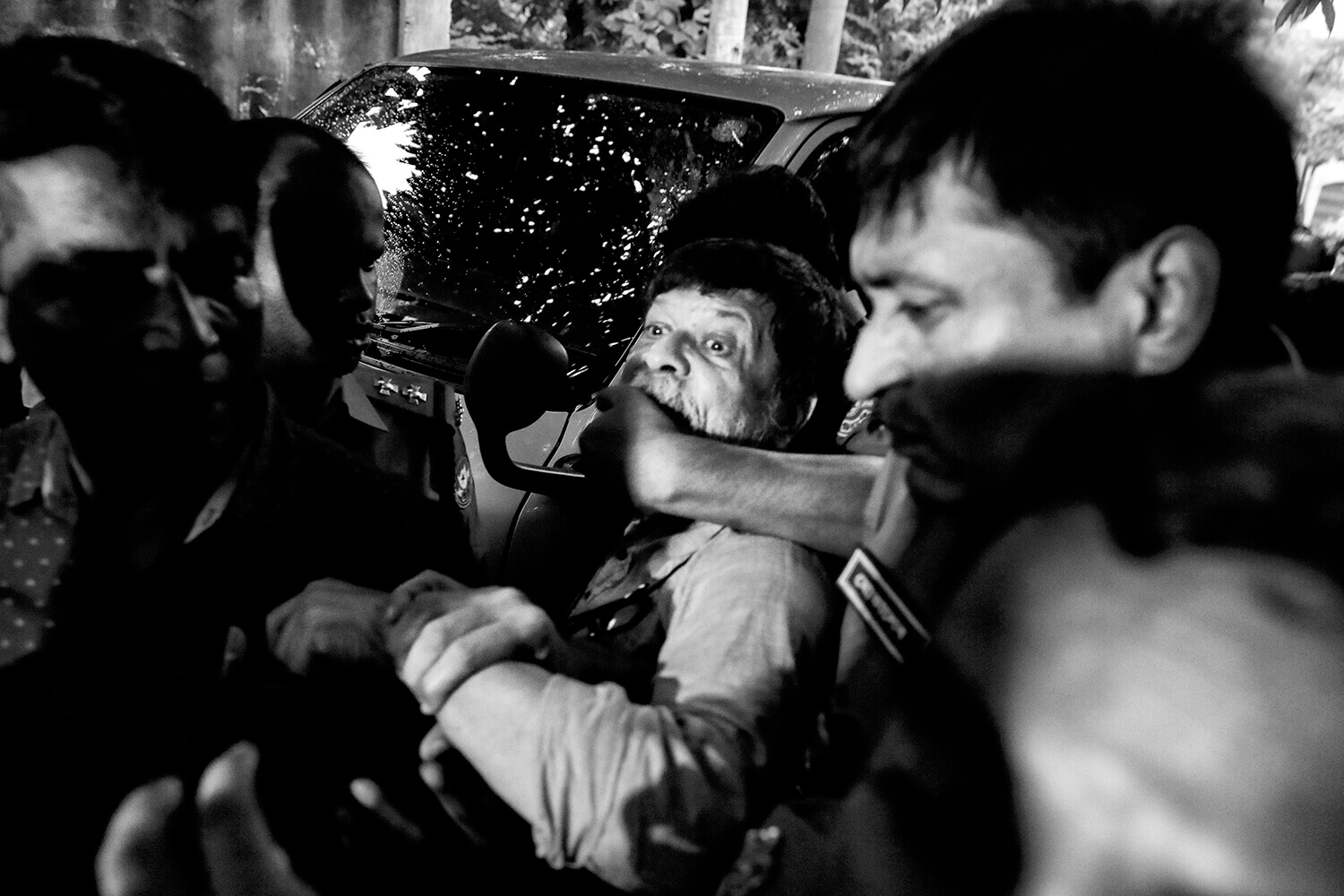
That very day, security personnel in plainclothes arrived at Alam’s Dhaka home in the middle of the night and took him away without any explanation or warrant. When he was presented before court a few days later,
.Read also: #FreeShahidulAlam
He had obviously been tortured in custody. Soon after, he was charged with Section 57 of Bangladesh’s Information and Communications Technology Act (ICT) for ‘spreading propaganda and false information against the government’. Alam was denied bail. If convicted, he could face a seven-year sentence.
The blatantly unjust and politically motivated arrest of Shahidul Alam has been widely condemned and there have been petitions for his release from all parts of the world. The attention this case has received partially has to do with Alam’s extraordinary achievements and his international fame.
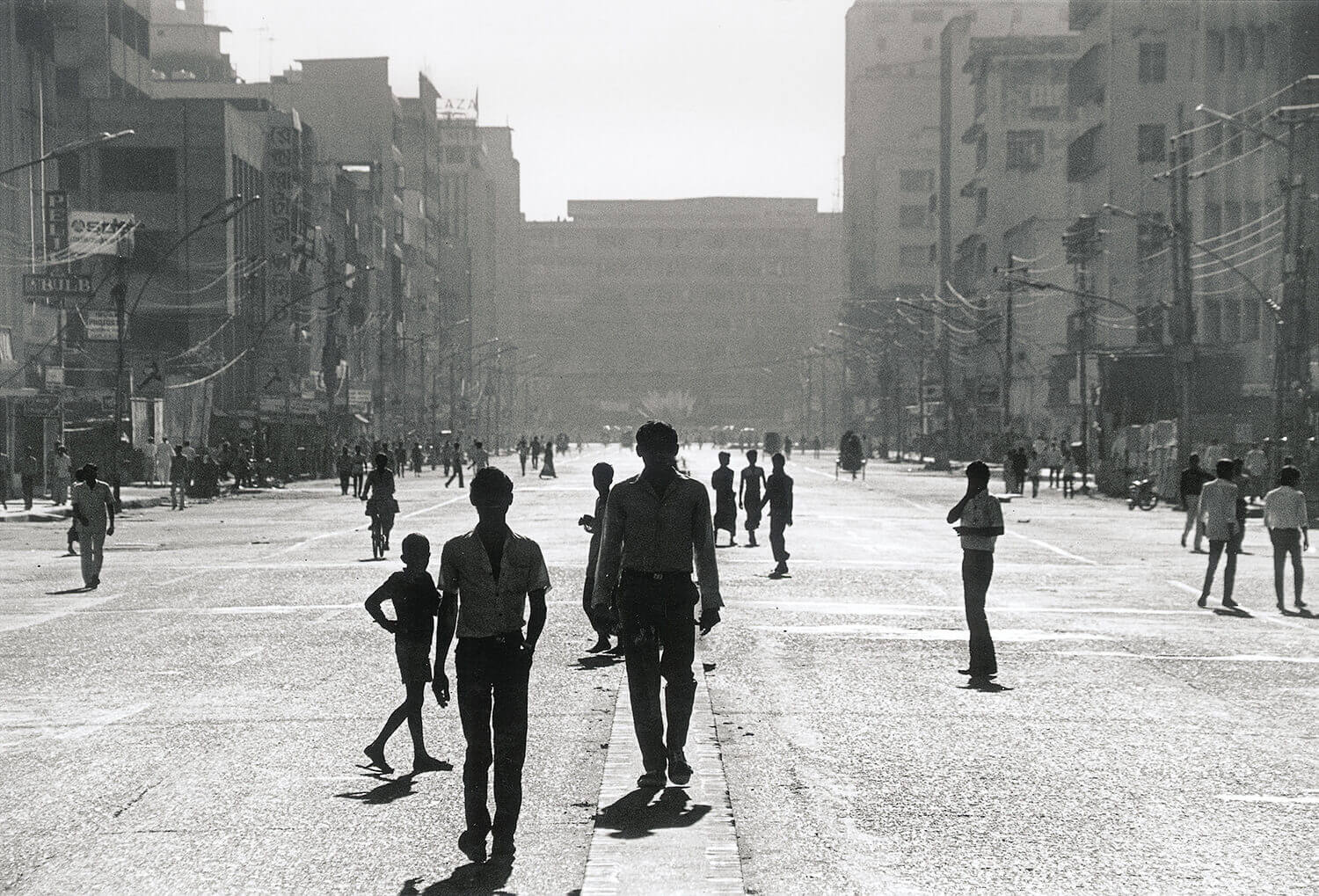
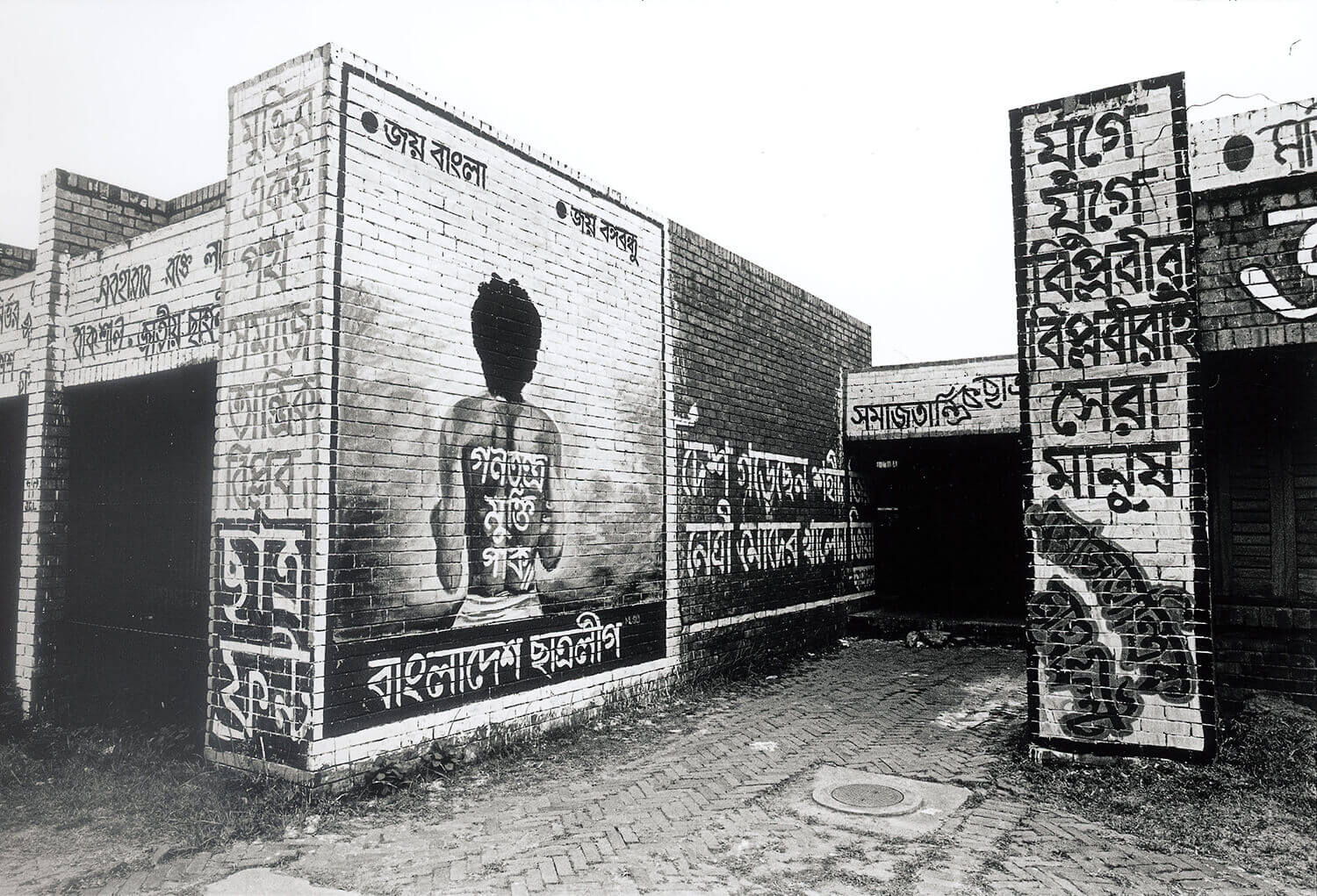
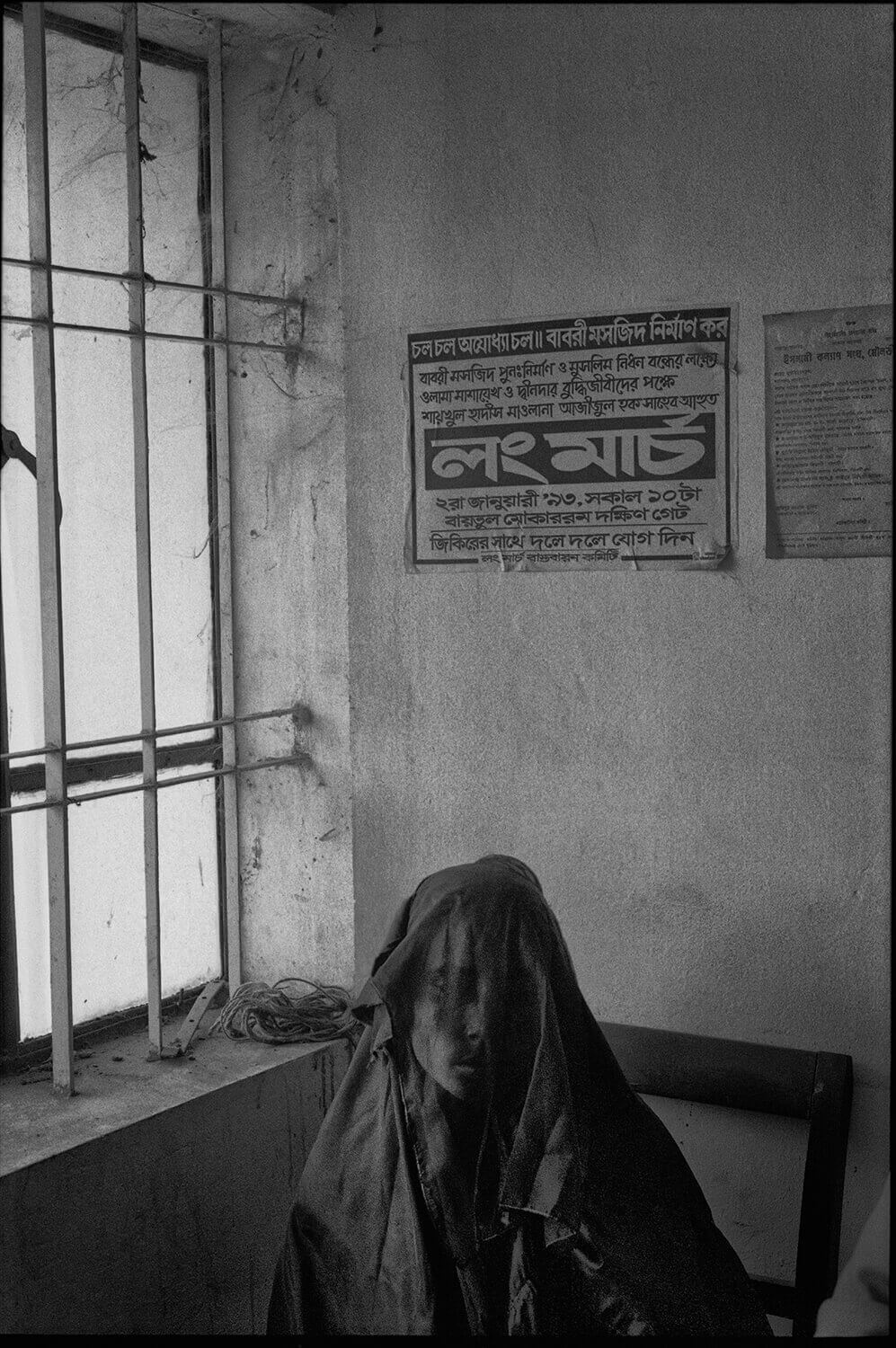
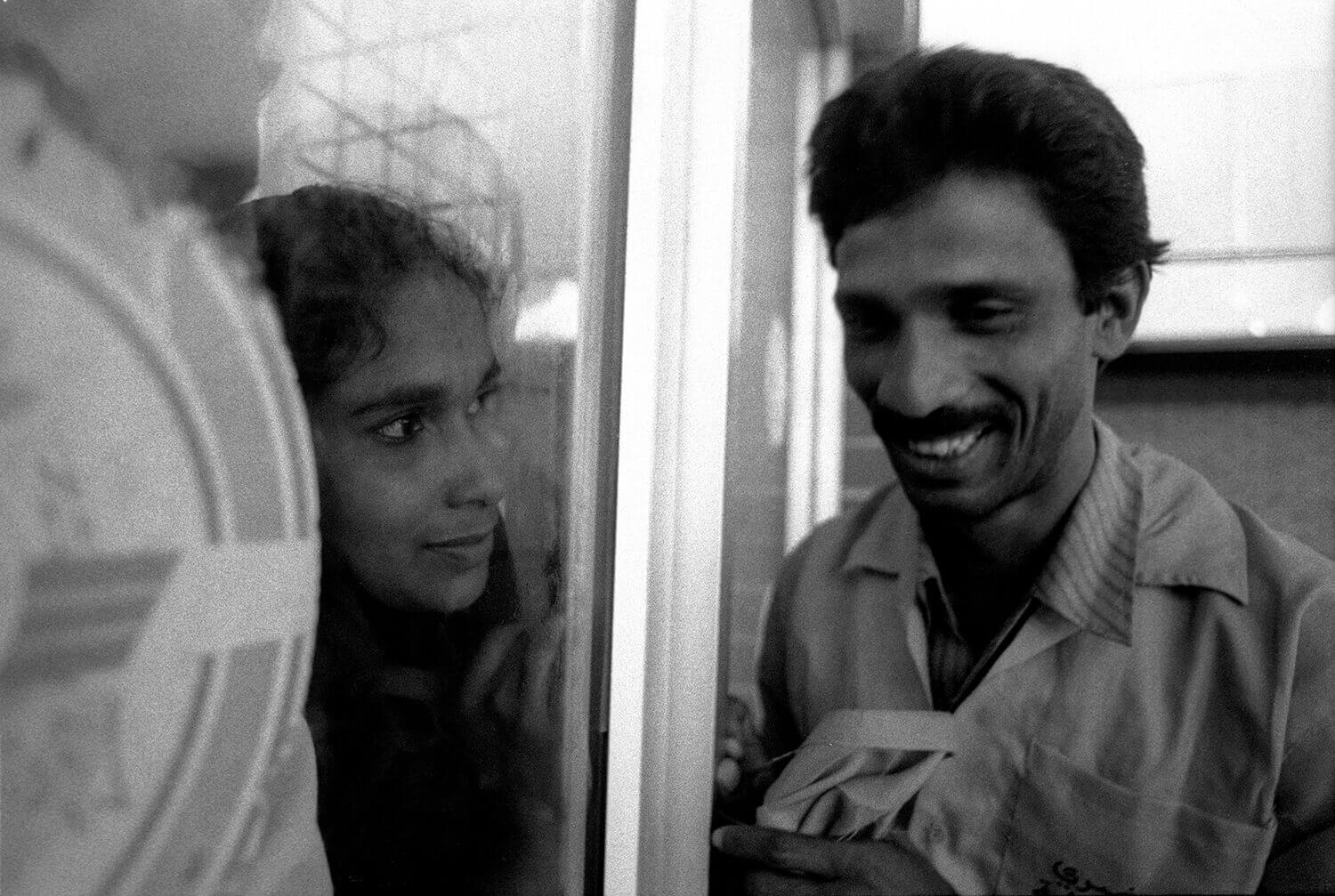
As a photojournalist, he has received widespread acclaim for revealing that the marginalised are active agents rather than victims and his visceral depictions of state brutality. But Alam is equally known as an institution builder and a mentor for younger photojournalists. He founded the Drik Picture Library photo agency, the ChobiMela, one of South Asia’s most prestigious photo festivals, and the Pathshala South Asian Media Institute which has trained hundreds of photographers, including from Nepal.
But the case has far-reaching implications that go beyond Shahidul Alam as an individual, and even beyond Bangladesh. The arrest has to be seen in light of worrisome trends that have begun to afflict large sections of the world, including many countries in the South Asian region.
Broadly speaking, this has to do with the attack by the state upon what is often called ‘freedom of expression’.In recent months, governments in South Asia have tried to criminalise all criticism of the government, both by publicly prominent personalities and by private citizens expressing themselves on social media.