

Unprecedented in recorded history, there was a 100 degree C difference in temperature between the northern and southern hemispheres last week. While parts of Australia baked in record 50oC heat, in North America hell froze over with the mercury plunging to -50oC.
Somewhere in between in Nepal, heavy winter snow blanketed the mountains last week after a break of almost 12 years. The fact that such snowfall was seen as ‘abnormal’, indicated just how far from the ‘normal’ we have deviated.
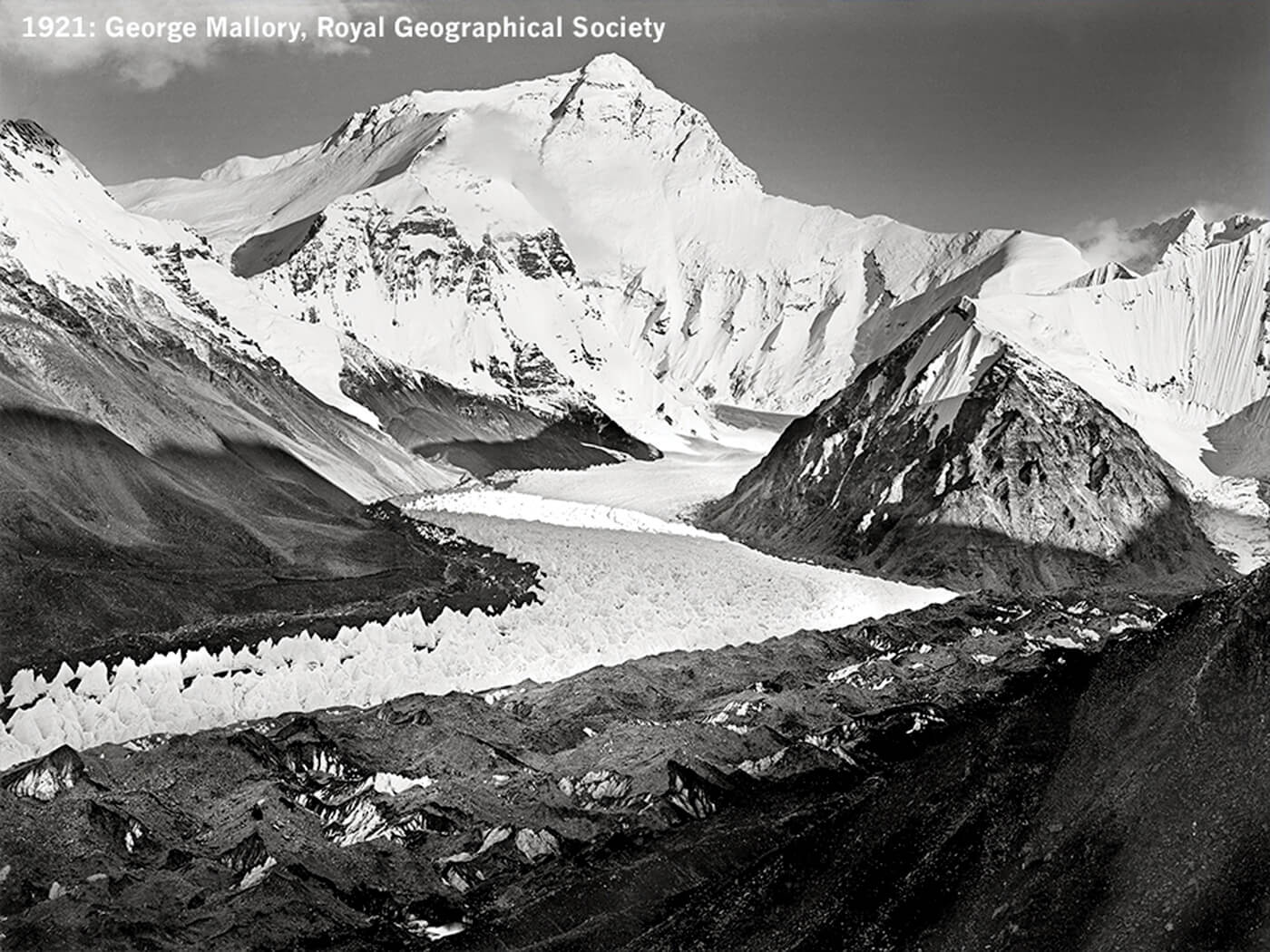
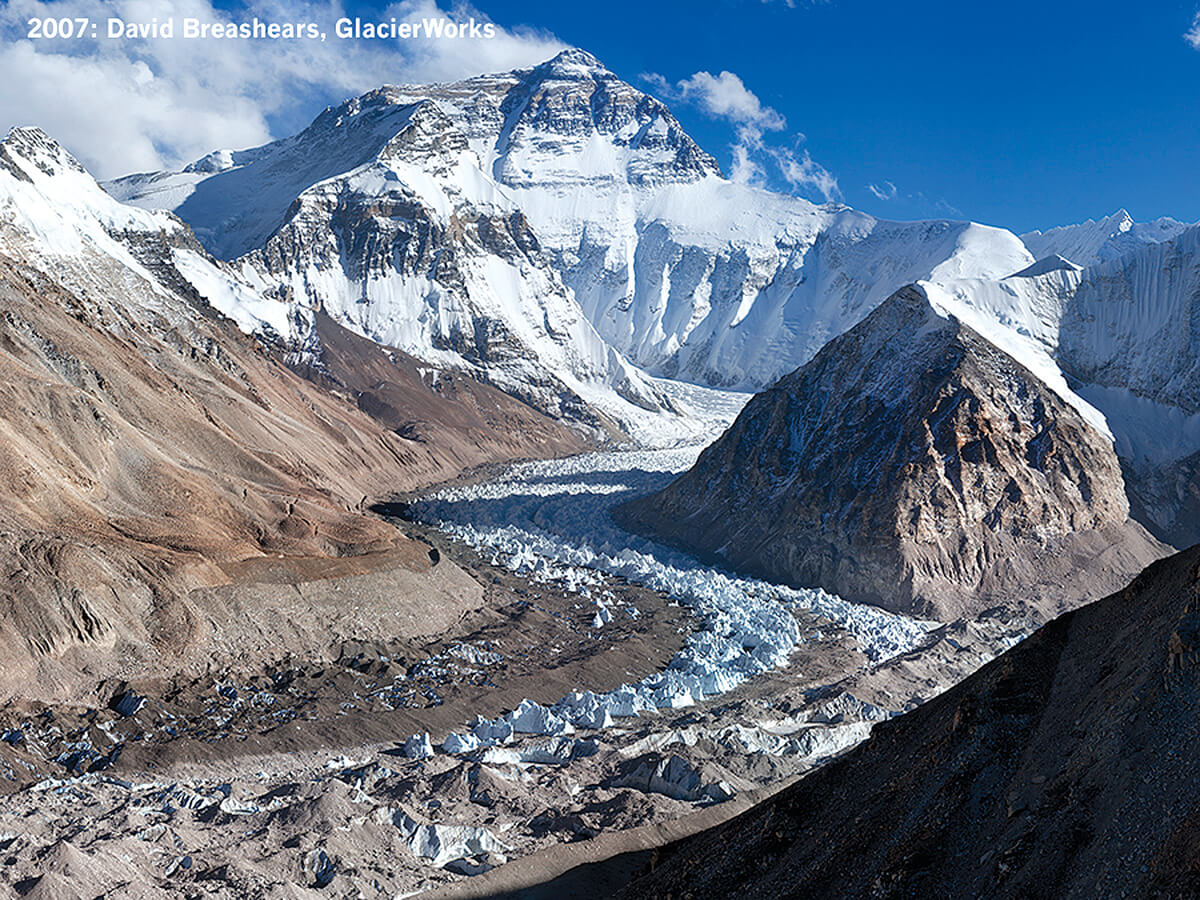
The return of winter snow in Nepal and the simultaneous extreme hot and cold in the antipodes actually proves the impact on weather patterns brought by climate change. Most climate models agree that the rise in global average temperature due to the continued emission of carbon dioxide will result in higher rates of temperature rise over land, and particularly in the higher Himalayan regions. The snowline has been migrating upward with rainfall replacing snow, and lowered seasonal snow and ice storage have started limiting melt flow in rivers.
Read also:
Terrifying assessment of a Himalayan melting, Kunda Dixit
'Climate damage', Editorial
As rivers originating in the Himalaya start going dry in the summer season, there is serious concern about rising heat. In a few weeks, temperatures across northern South Asia will start going up. Day-time summer temperature will reach 40oC+ in many places. Nights will not cool down enough, and humidity will also increase. At higher humidity, the human body cannot release heat through sweat evaporation fast enough to cool itself. Most people cannot remain unprotected in the open for more than 6 hours at temperatures above 370C.
A 2014 study of interactions of temperature and humidity in the Indus and Ganga plains by the US-based National Center of Atmospheric Research, and ISET-International found that by 2050, most of June, July and August days and nights will hover above the 370C threshold. A later study by MIT researchers warned of deadly heat waves in the Indo-Gangetic plains, meaning the numbers dying across India, Pakistan and Nepal Tarai in summer will shoot up.
Read also:
Climate climax, Editorial
Decarbonise now, Ajaya Dixit
On thin ice in the Khumbu, Kunda Dixit
The rapid degradation of natural ecosystems within and around many of our cities have removed heat sinks. Vehicular emissions, air conditioners, concrete and asphalt pavements, and air pollution trapping heat between buildings continue to raise the temperature in core cities. These urban heat islands will amplify the impact of global warming, with significant impacts on low-income families and the poor living in substandard housing, lacking safe drinking water, basic energy, and without direct access to air conditioning.