The Department of Meteorology and Hydrology has declared that the southwest monsoon entered eastern Nepal promptly on schedule, and will advance over the whole country in a week.
This was a relief because weather models had suggested the onset of the rains would be delayed by at least 10 days. Let us hope simulations were also wrong about deficient rainfall this monsoon.
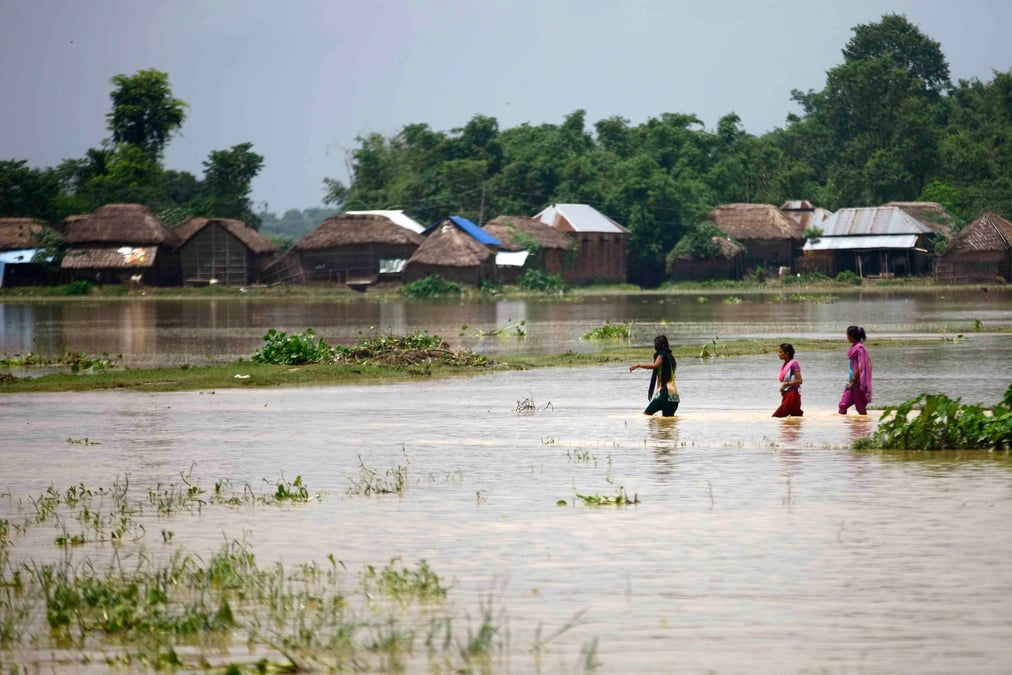
News of the arrival of the rains could not have come sooner. So far, this June has been the hottest month on record in Nepal, with half of the country’s population mostly in the plains reeling under heat stress. Wells had gone dry in parts of the Chure and Tarai, and ritual frog weddings were being performed for rain.
Read also: It's getting hotten on the roof of the world, Kunda Dixit
This year’s El Niño effect should be a warning about things to come, as the ocean and atmosphere heat up globally. Here in Nepal, we must now broaden the scope of disaster planning beyond droughts, floods and landslides to lethal ‘wet bulb’ combinations of temperature and humidity.
In the next decades, unliveable heat waves in the plains could force mass migration of people to northern latitudes and higher altitudes. For Nepal, this could mean a future reversal of population movement back from the plains to the mountains.
But Nepal’s rulers cannot pass all the blame for chronic food insecurity on climate breakdown. The Karnali is food deficit because of decades of state neglect, and climate change-induced drought just puts farmers under added pressure.
Crop failure due to lack of irrigation and agricultural input in turn will worsen malnutrition among children, and increase the push factor for outmigration of men. Not all disasters are sudden, Nepal must also prepare for slow-motion calamities like these.
Our coverage from Jumla and Kalikot of Karnali Province in this edition shows how investment in rural irrigation can transform the lives of farmers, making them more resilient to face extreme weather.
The climate crisis is a water crisis, and year-round access to water will improve food availability, raise household income, reduce drudgery for women, and allow Nepalis to adapt to climate change. It is common sense. Why didn’t we think of that before?
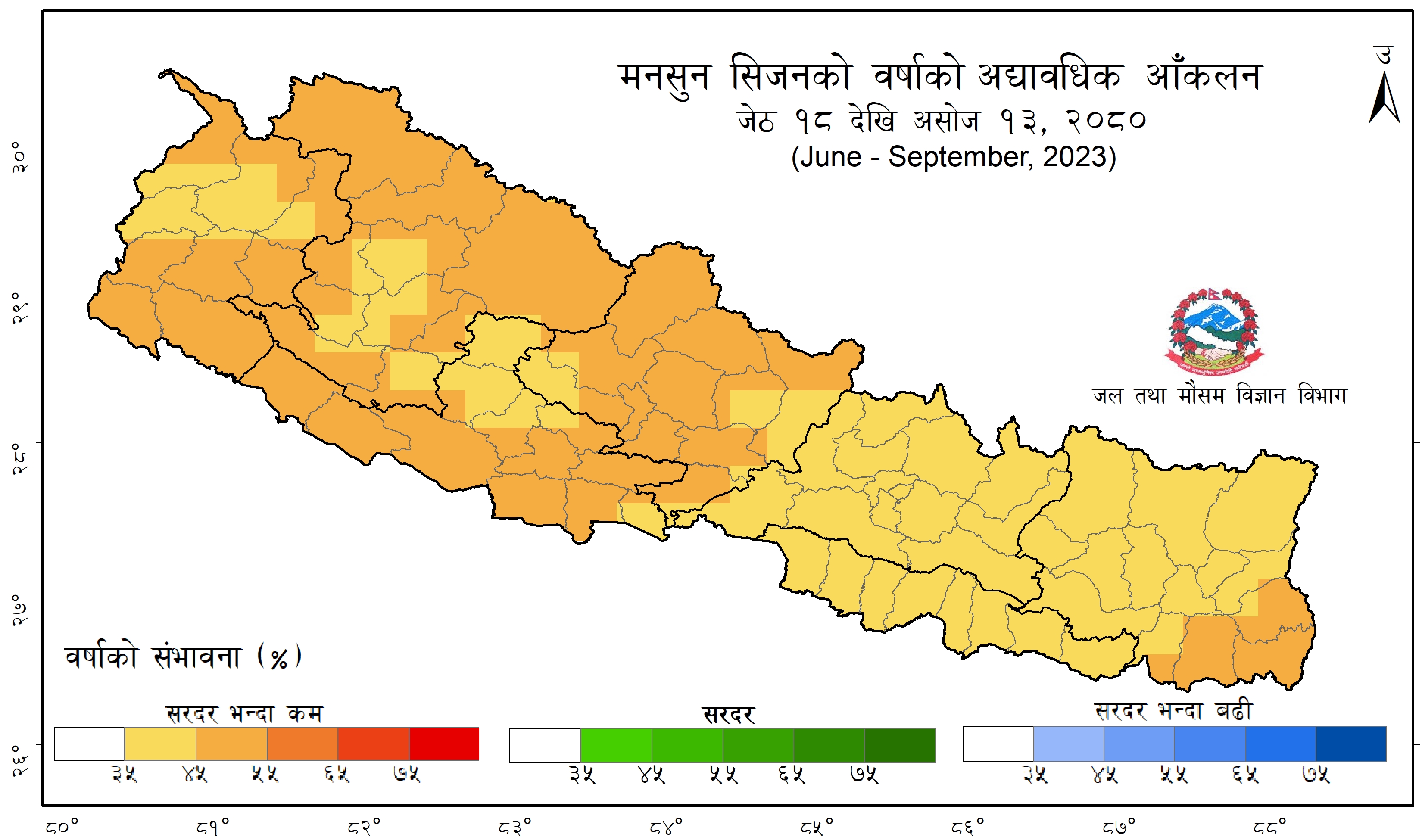
The DHM and South Asian Climate Outlook Forum forecast normal to below-normal rainfall this year, and an increase in maximum and minimum temperatures across South Asia. Rainfall in western Nepal is expected to be 60% below normal, and 30% deficient in the rest of the country.