

The Korea Employment Permit Scheme (EPS) is one of the most sought-after bilateral labour mobility programs for Nepali workers.
Many prospective workers prepare hard for the language tests like their “life depended on it” or “like studying for the civil service exam”. EPS is not just survival migration, but one that is financially rewarding.
One worker said migrants referred to the Korean Dream as दुई गुणा अन्ठाउन्न — referring to the Rs200,000 monthly salary over a 58-month period, a transformative amount.
“Anyhow, कोरिया जौँ,” was a popular slogan while cramming for the language exams (Read Diaspora Diaries, across). South Korea has also benefited from foreign workers, and the rapidly aging nation will continue to rely on expanding its foreign worker intake to offset its demographic drag.
A recent entrepreneurship initiative targeting current and former Nepali migrants in Korea funded by KOICA and implemented by the group Bridge International, demonstrates how the Returnee Innovator for Nepal (RIN) program can be made even more rewarding by maximising not just financial, but also social remittances.
The program is unique because the support begins not once workers arrive in Nepal, but in Korea itself. Selected candidates attend classes on basic entrepreneurship while in Korea and to work on their business ideas which they can further 'localise' once back in Nepal.
They also get linked to mentors from Korea-based companies from their area of interest to brainstorm, refine ideas, and get practical real-world guidance. In some cases, these can grow into business ties.
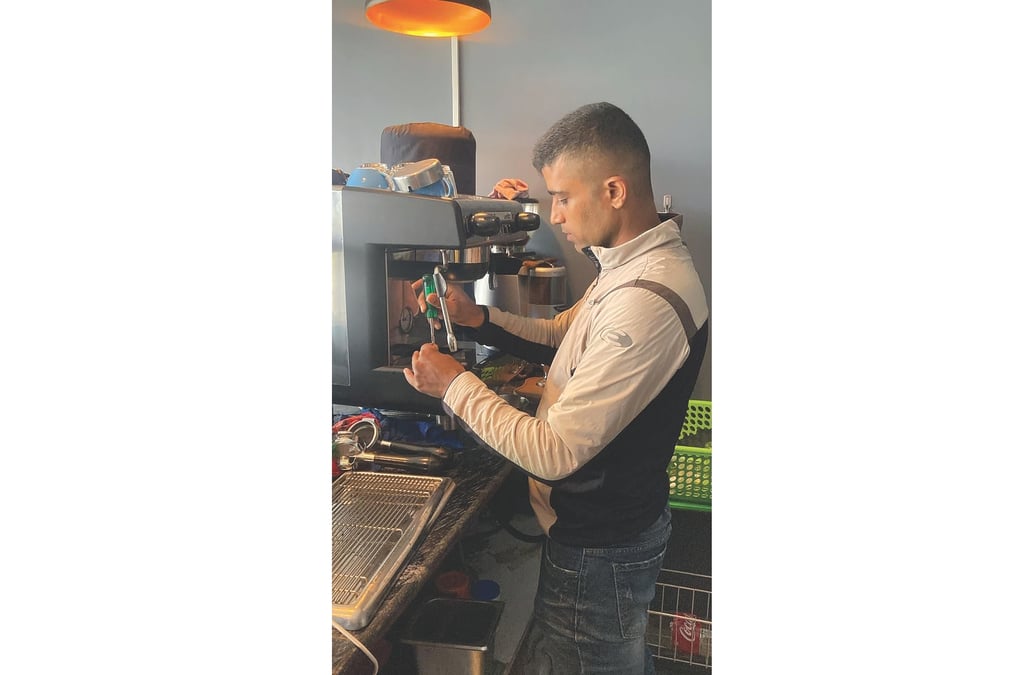
Santosh Timalsina runs a successful coffee machine repair business Jumli Cafe in Pokhara, and was connected by Bridge International with a Korea-based coffee entrepreneur who trained him. Even though his EPS jobs entailed making golf balls or car parts, he took advantage of whatever free time he had to prepare for return by taking up coffee machine repair.
“Even now I rely on my Korean trainer for guidance and to access spare parts that are not available in Nepal,” says Timalsina.
CEO of Bridge International Jinsol Hwang says the next cohorts will also be provided the option of using business plans that Korean entrepreneurs may have for those workers who are unsure about what to invest in once they are back.
The returnee program is in its early phases, and has just called for the second cohort, but demonstrates that labour mobility programs can be made more impactful. The return stage also merits as much attention, including from host country agencies like KOICA, social enterprises and even employers.
Jinsol says migration was part of Korea’s growth story in the 1970s with workers headed to West Germany as miners and nurses and to the Middle East as construction workers. The remittances and skills acquired abroad were critical in Korea's transformation.