After being lampooned for extravagant, but empty, promises and criticised for having nothing concrete to show for his first year as prime minister, K P Oli has moved quickly to address two lingering legacies of the conflict and the constitution-writing process: sign a deal with C K Raut to get him to abandon secessionism, and outlaw the hardline Netra Bikram Chand (Biplav) faction of the Maoists. Despite misgivings and cynical comments on social platforms, the Oli administration has also won applause for its new assertiveness and a renewed sense of purpose.
Read also: 'No closure'
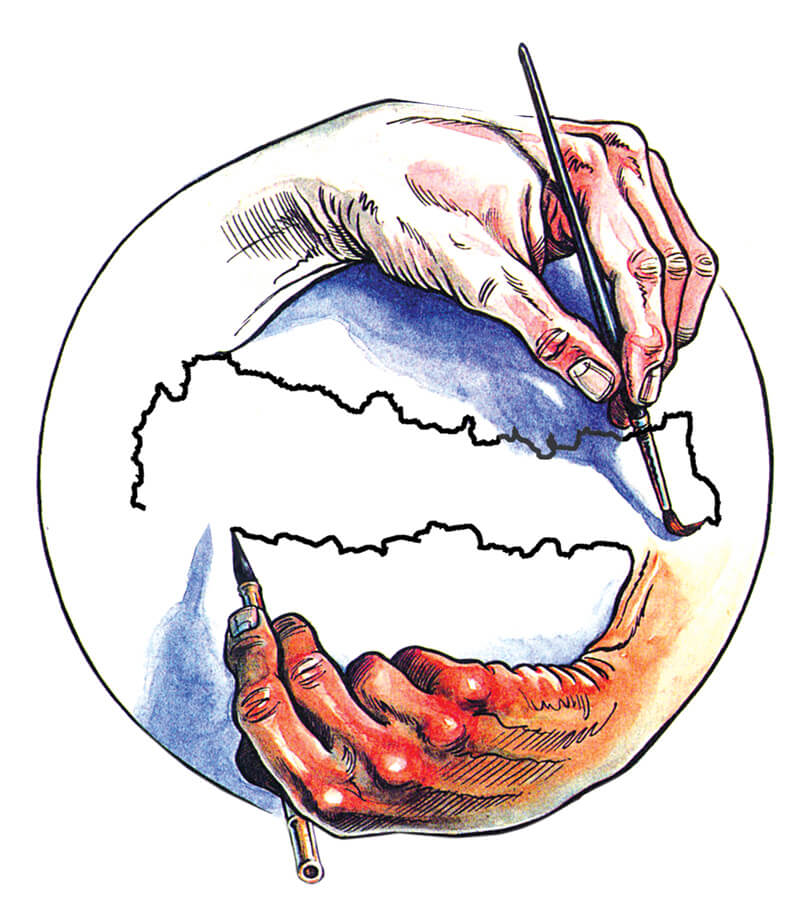
In the 11-point agreement signed with Home Minister Ram Bahadur Thapa on 24 March, Raut has committed to accept Nepal’s sovereignty and unity as well as enter the democratic mainstream. That declaration has removed the threat of ethno-separatism from plains politics, meaning that moderate Madhesi parties can now no longer fall back on Raut’s secessionist rhetoric as a bargaining chip with Kathmandu.
With his Cambridge education and work in IT, Raut brings with him international exposure and perhaps a cleaner, meaner brand of politics. Anger in Province 2 runs deep, and the mistrust of K P Oli may have grown among Madhesi parties because of last Sunday’s deal. As David Seddon reports from Province 2, unless there are real moves towards autonomy and devolution, there may very well be other Rauts.
Read also: Only genuine devolution will douse separatism, David Seddon
The surprise announcement last Sunday was not easily digestible to the opposition NC and other parties who accused Oli of a sellout. But the most vocal critic of the 11-point agreement were Oli's rivals within the NCP itself: party co-chair Pushpa Kamal Dahal did not show it but was privately miffed that Oli had not kept him apprised, and Bhim Rawal’s main gripe was also that he was not consulted.
However, we give Oli a thumbs up on this even if it is only for keeping the sensitive negotiations under wraps in the leaky corridors of Singha Darbar. Oli has shown that he likes to surprise people by pulling rabbits out of hats. For example, the pre-electoral alliance in 2017 between the Maoists and the UML was also a bolt from the blue when announced.
The agreement with Raut followed close on the heels of the Kailali District Court sentencing Resham Chaudhary to life imprisonment for the massacre of policemen in Tikapur in August 2015, and his party the RJP-N subsequently pulling out from the governing coalition in protest. There also seems to have been some behind-the-scenes winks and nods between Baluwatar and the Supreme Court for Raut to be released from jail a day prior to the agreement.
The wily Oli seems to have killed several birds with one stone with the agreement: he countered his public image of being only talk and no walk, neutralised the fallout of RJP-N leaving his government, and depending Raut’s future role, laid the groundwork for the next general election which will be won or lost in the Madhes.